Artwork
Death of Cato of Utica
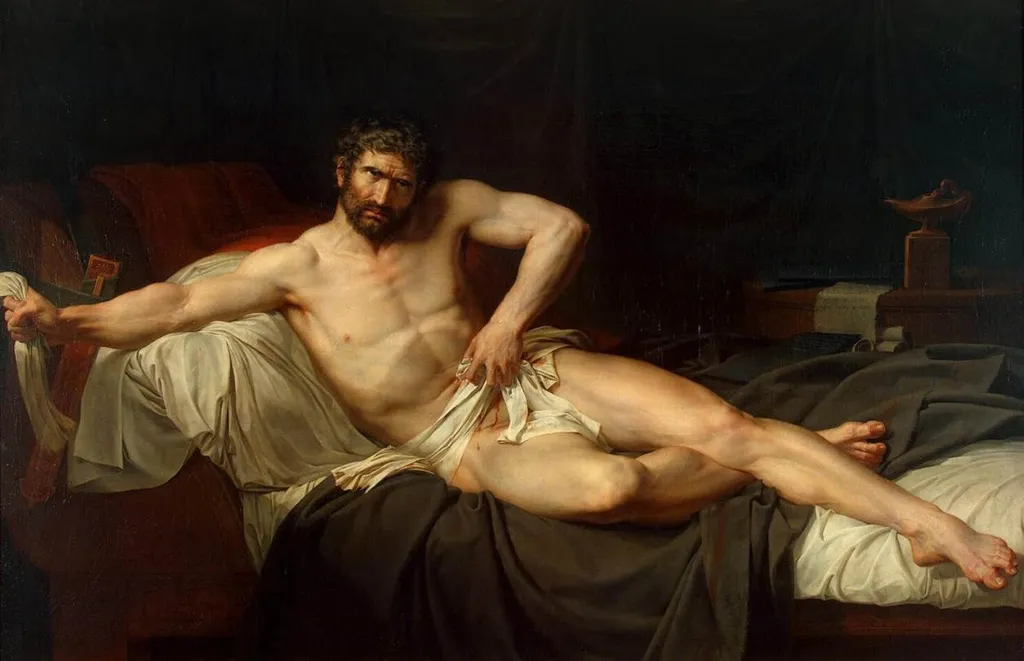
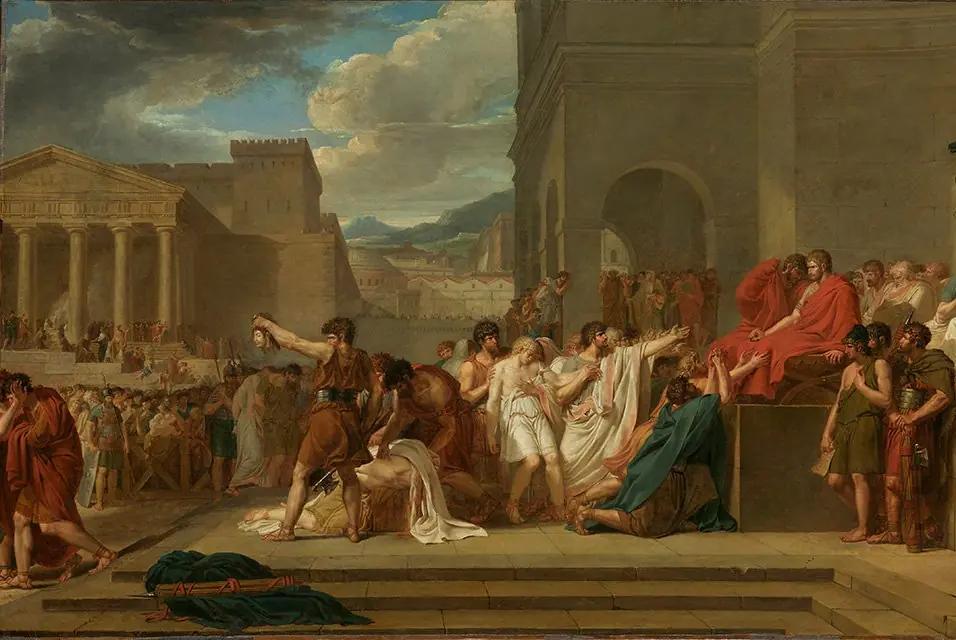
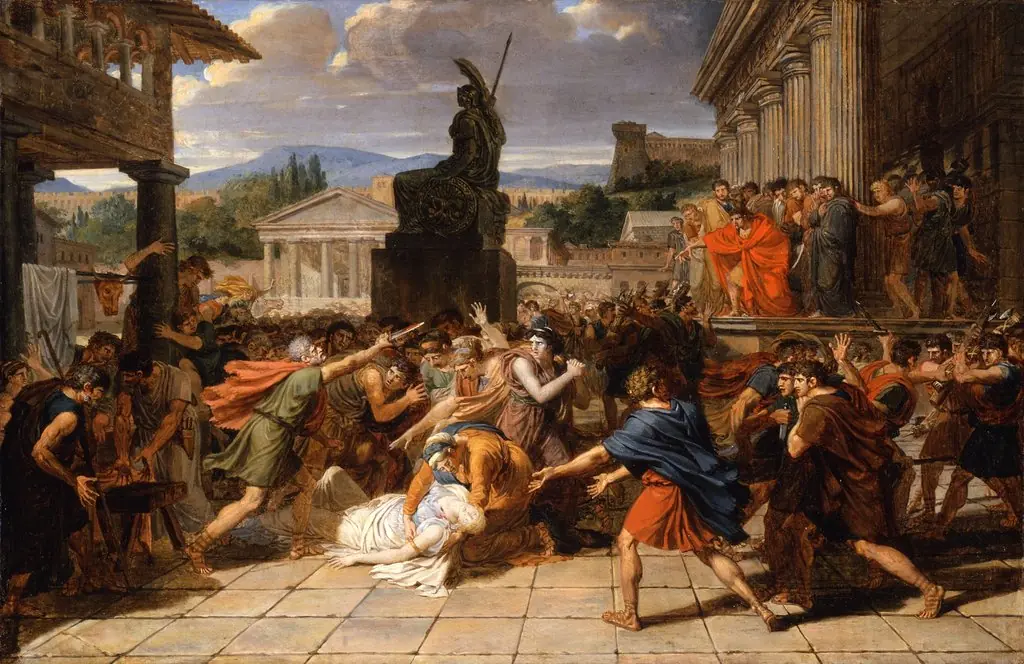
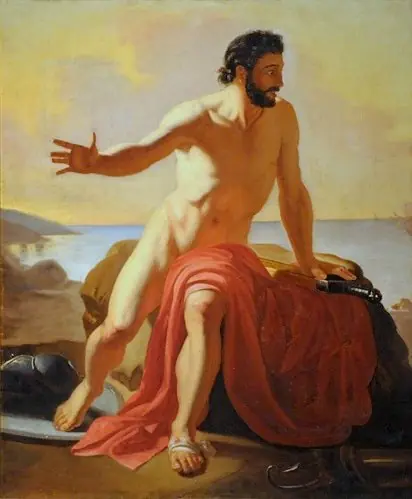
Death of Cato of Utica is an oil painting by the Neoclassicist artist Guillaume Guillon-Lethière. It dates from 1798 and is held in the collection of the Hermitage Museum.
About this work
Overview
Guillaume Guillon‑Lethière’s oil on canvas, completed in 1798, presents a dramatic scene titled “Death of Cato of Utica.” The work is part of the State Hermitage Museum’s collection in St. Petersburg. It portrays the Roman statesman Cato the Younger at the moment of his suicide, rendered with a somber palette and strong contrasts of light and shadow.
Subject & Meaning
The central figure lies on a low couch, his torso exposed and a white cloth bound around his waist. He grips a sword in his outstretched right hand, while his left arm rests on his thigh, his gaze fixed and resolute. The composition evokes Cato’s steadfast commitment to republican virtue, choosing death over surrender to Caesar’s forces.
Technique & Style
The low ceiling and modest furnishings contribute to a claustrophobic atmosphere that focuses attention on the hero’s physical and moral resolve.
Lethière employs chiaroscuro to model the figure, allowing the illuminated flesh to emerge from a darkened interior space. Thick impasto in the drapery and background creates tactile depth, while muted earth tones reinforce the painting’s contemplative mood. The low ceiling and modest furnishings contribute to a claustrophobic atmosphere that focuses attention on the hero’s physical and moral resolve.
History & Provenance
Executed shortly after the French Revolution, the painting reflects contemporary interest in classical republican exempla. It entered the Hermitage’s holdings during the 19th‑century expansion of the Russian imperial collection, where it remains on display as a representative example of late‑eighteenth‑century French academic history painting.
Artist & collection
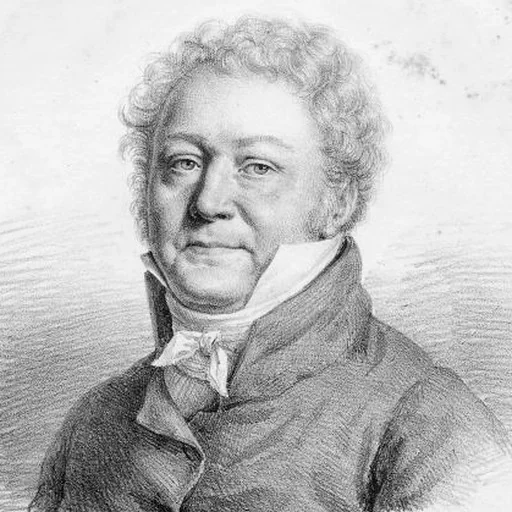
Artist
Guillaume Guillon-Lethière (1760–1832) was an artist, born in Sainte-Anne.