Artwork
Portrait of Ferdinand de Toledo, Duke of Alva
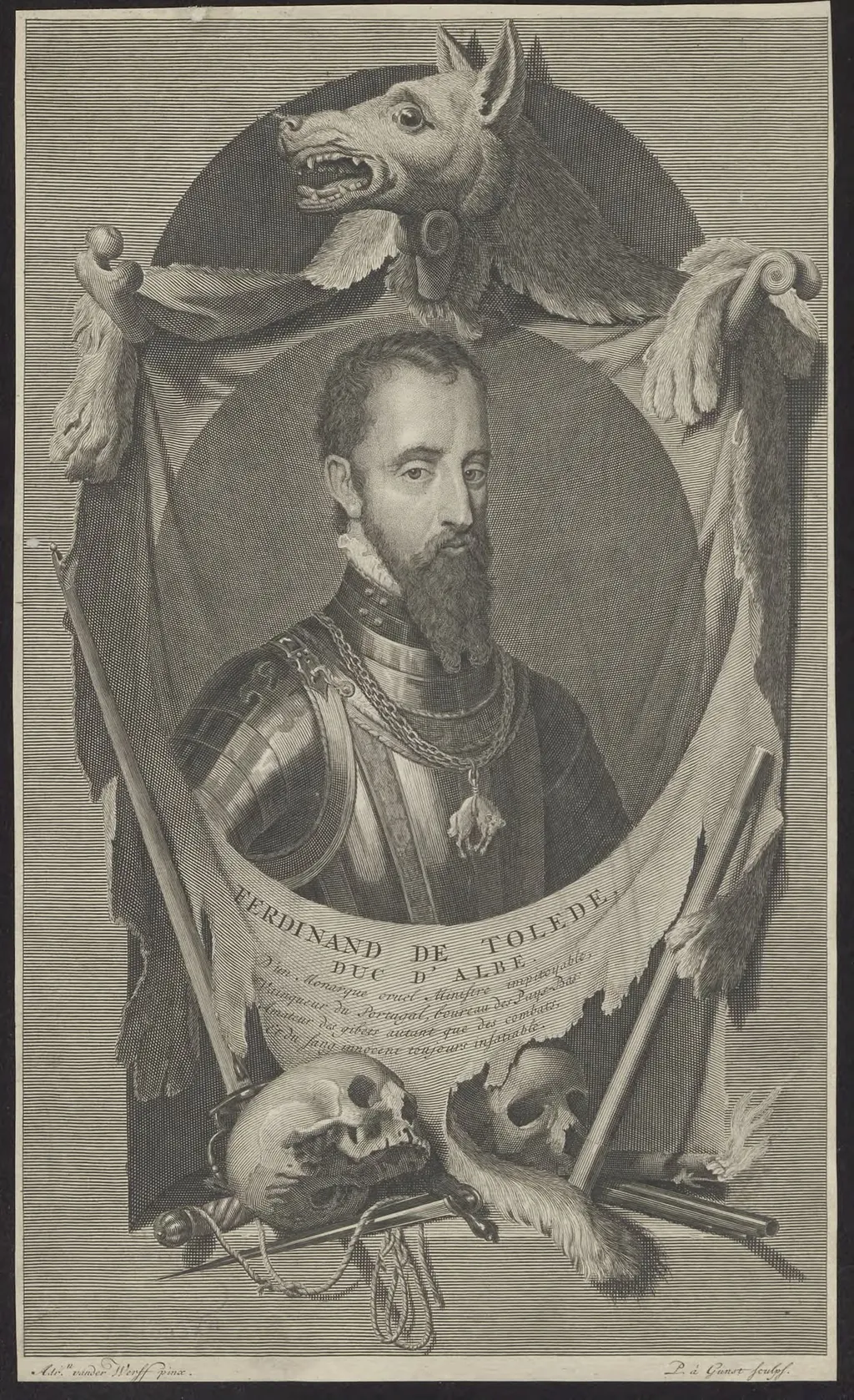
Portrait of Ferdinand de Toledo, Duke of Alva is an unspecified painting by the Rococo painting artist Pieter van, Gunst. It dates from 1650 and is held in the collection of the Leiden University Libraries. This image is a reproductive print after a portrait by Adriaen van der Werff, depicting Ferdinand de Toledo, Duke of Alva.
About this work
The painting shows a portrait of Ferdinand de Toledo, Duke of Alva, surrounded by symbols like a wolf, skulls, and guns.
This portrait is interesting because it's based on a work by another artist, Adriaen van der Werff. The mix of symbols around the duke is unusual.
To learn more about the artist who created this style of portrait, look up the artist: Gunst, Pieter van, (1659-1731).
Overview
This image is a reproductive print after a portrait by Adriaen van der Werff, depicting Ferdinand de Toledo, Duke of Alva.
This image is a reproductive print after a portrait by Adriaen van der Werff, depicting Ferdinand de Toledo, Duke of Alva. It was produced by Pieter van Gunst, a Dutch engraver known for translating painted portraits into detailed printed forms. The composition retains the original’s formal structure but adds symbolic elements not present in van der Werff’s version, altering the portrait’s interpretive tone.
Subject & Meaning
Ferdinand de Toledo, Duke of Alva, is portrayed as a military and political figure of the Spanish Habsburg regime. Surrounding him are symbols of violence and mortality—a wolf, skulls, and firearms—suggesting his role in repression and warfare, particularly during the Dutch Revolt. These elements do not appear in the original painting, implying the printmaker introduced them to emphasize the duke’s feared reputation.
Technique & Style
Executed as an engraved print, the work employs fine line work and tonal shading to replicate the texture of oil paint while enhancing dramatic contrasts. The background is rendered with meticulous detail, isolating the figure against a dark, ominous setting. The addition of symbolic objects is carefully integrated into the composition, blending naturalism with allegorical intent through precise engraving.
History & Provenance
The image derives from a lost or lesser-known painting by Adriaen van der Werff, likely commissioned during the early 18th century. Pieter van Gunst produced it as part of a series of engraved portraits of European nobility, circulated among collectors. Its inclusion in catalogues from the period suggests it was valued as a historical record rather than a work of original invention.
Context
In the early 1700s, engraved portraits of controversial figures like the Duke of Alva served as both documentation and political commentary. The addition of violent symbols reflects contemporary Dutch perspectives on Spanish rule in the Low Countries. Such prints were widely distributed, shaping public memory of historical actors through visual rhetoric rather than direct observation.
Legacy
The print endures as an example of how reproductive engravings could reshape historical perception. By layering symbolic content onto an existing portrait, van Gunst transformed a dignified likeness into a moralizing image. This approach influenced later satirical and propagandistic portraiture, demonstrating the power of print media to reinterpret and critique political figures.
Artist & collection
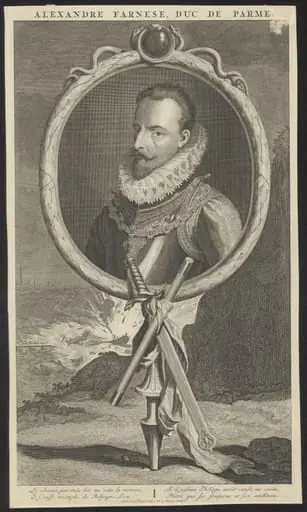 Portrait of Alexander Farnese, Duke of Parma
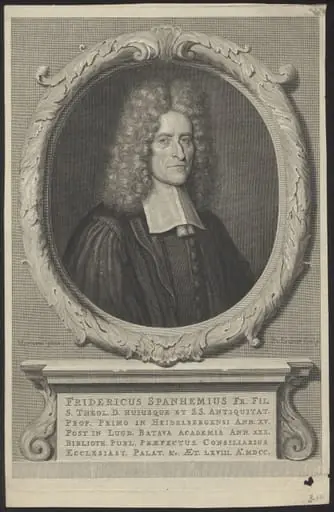 Portrait of Fridericus Spanhemius, professor of Theology and Antiquities
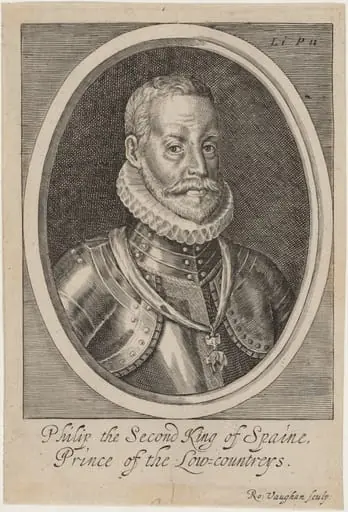
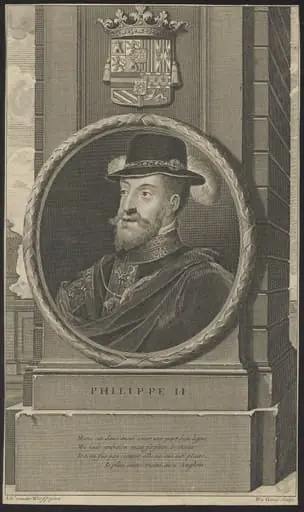 Portrait of Philips II, king of Spain
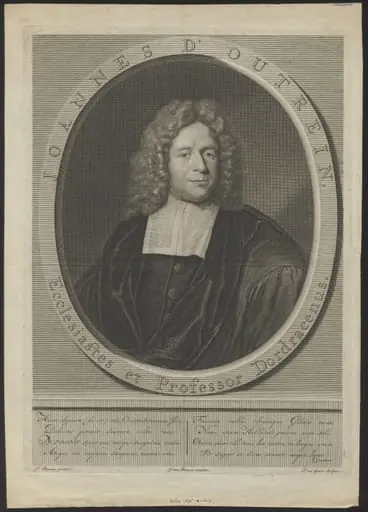 Portrait of Johannes D'Outrein, minister and professor in Dordrecht
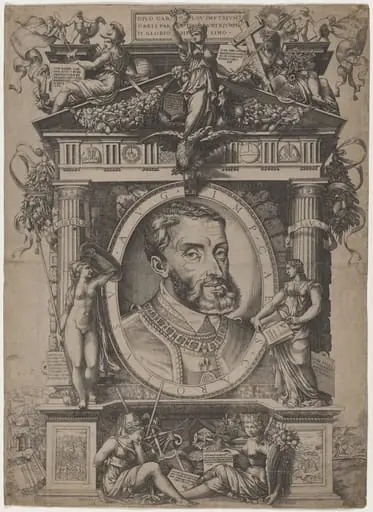
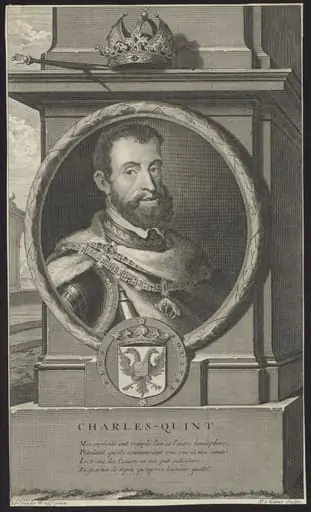 Portrait of the emperor Charles V
![Portrait of J. Basnage, [Walloon minister and historian], by Pieter van, Gunst](https://artifactworldgallery.com/img/pieter-van-gunst--portrait-of-j-basnage-walloon-minister-and-historian--be59663770daddd2-w320.webp) Portrait of J. Basnage, [Walloon minister and historian]
Portrait of J. Basnage, [Walloon minister and historian]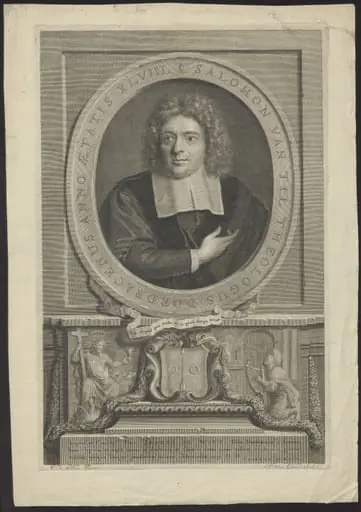 Portrait of Salomon van Til, Theologian
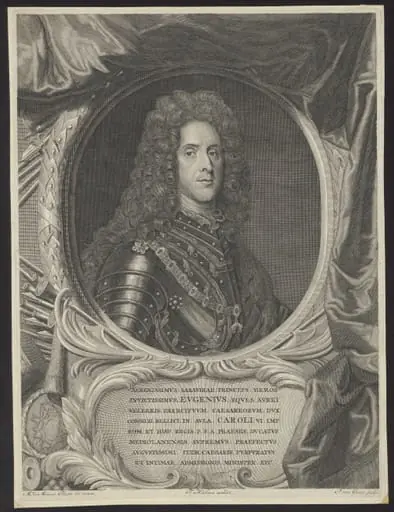 Portrait of Prince Eugenius of Savoye