Artwork
Portrait of Alexander Farnese, Duke of Parma
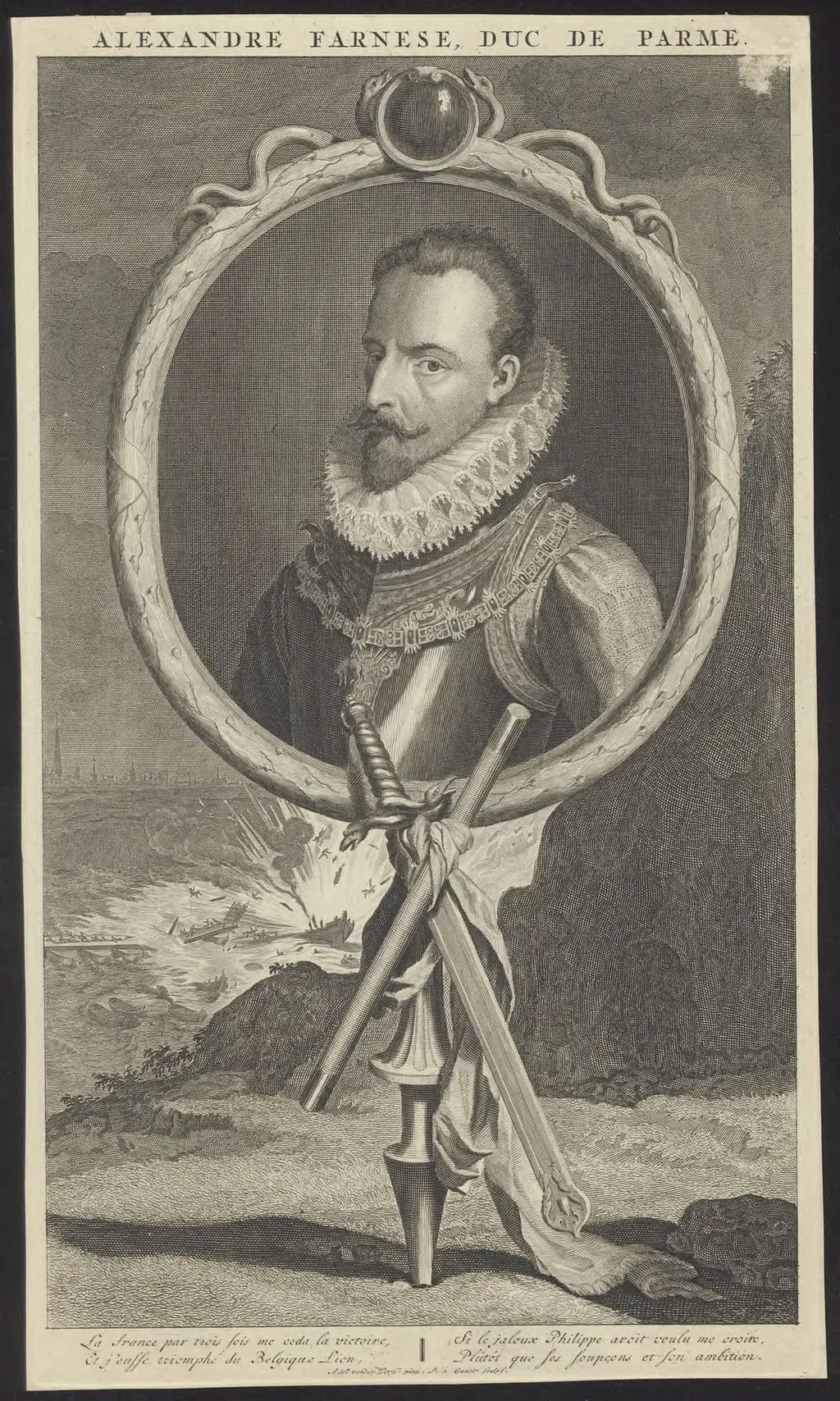
Portrait of Alexander Farnese, Duke of Parma is an unspecified painting by the Rococo painting artist Pieter van, Gunst. It dates from 1650 and is held in the collection of the Leiden University Libraries.
About this work
Overview
Portrait of Alexander Farnese, Duke of Parma, is an image-based artwork derived from a painting by Adriaen van der Werff, incorporating symbolic elements and a French poem to narrate the duke's military achievements and personal conflicts.
Subject & Meaning
The portrait centers on Alexander Farnese, emphasizing his persona through attire and adornments.
The portrait centers on Alexander Farnese, emphasizing his persona through attire and adornments. Snakes and a mirror serve as symbolic ornaments, while the background depicts exploding ships, specifically referencing the Siege of Antwerp (1584-1585), a pivotal event in his military career. The composition intertwines personal character with historical context, including a complex relationship with Philip II of Spain, as highlighted by the accompanying French poem.
Technique & Style
The artwork employs sfumato, a painting technique characterized by soft, hazy effects achieved through layering thin glazes of paint, creating a sense of depth and volume. This method contributes to the overall mood and visual harmony of the portrait.
History & Provenance
Originally based on a work by the Dutch painter Adriaen van der Werff, the image's current provenance and creation date are not specified. The involvement of van der Werff suggests a 17th-century or later interpretation of the duke's portrait.
Context
Created against the backdrop of European political and military turmoil, the portrait reflects the artistic and historical preoccupations of its time, blending biography with symbolic and visual storytelling to convey the subject's significance.
Legacy
While specific details on the artwork's impact are not provided, it contributes to the visual legacy of Alexander Farnese, Duke of Parma, preserving his image and deeds for historical and artistic contemplation.
Artist & collection
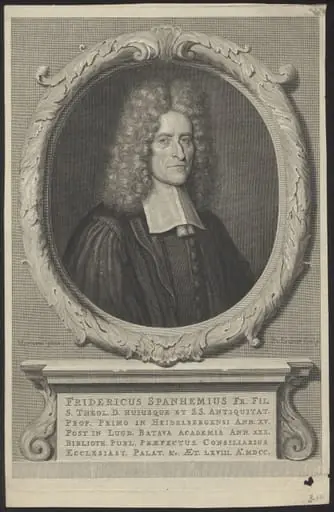 Portrait of Fridericus Spanhemius, professor of Theology and Antiquities
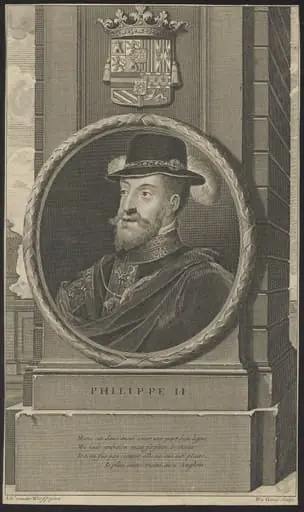 Portrait of Philips II, king of Spain
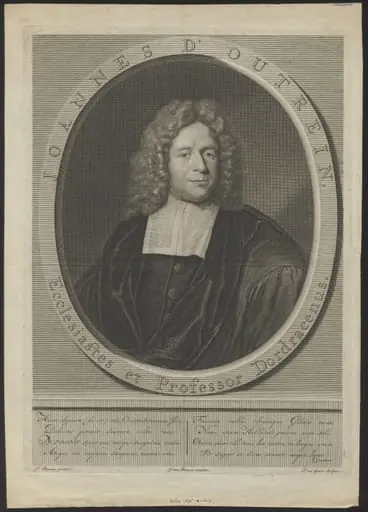 Portrait of Johannes D'Outrein, minister and professor in Dordrecht
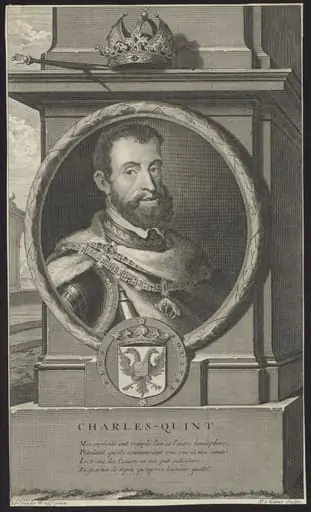 Portrait of the emperor Charles V
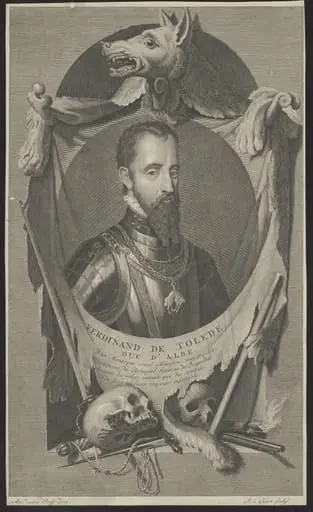 Portrait of Ferdinand de Toledo, Duke of Alva
![Portrait of J. Basnage, [Walloon minister and historian], by Pieter van, Gunst](https://artifactworldgallery.com/img/pieter-van-gunst--portrait-of-j-basnage-walloon-minister-and-historian--be59663770daddd2-w320.webp) Portrait of J. Basnage, [Walloon minister and historian]
Portrait of J. Basnage, [Walloon minister and historian]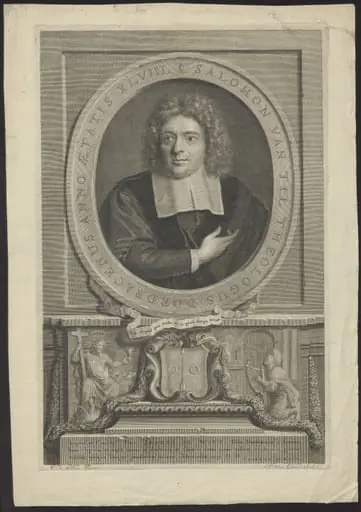 Portrait of Salomon van Til, Theologian
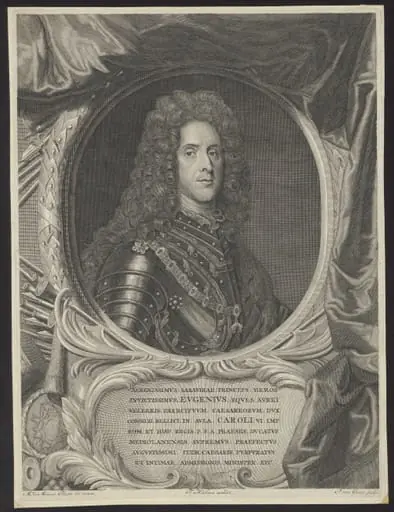 Portrait of Prince Eugenius of Savoye