Artwork
Christ Showing His Wounds
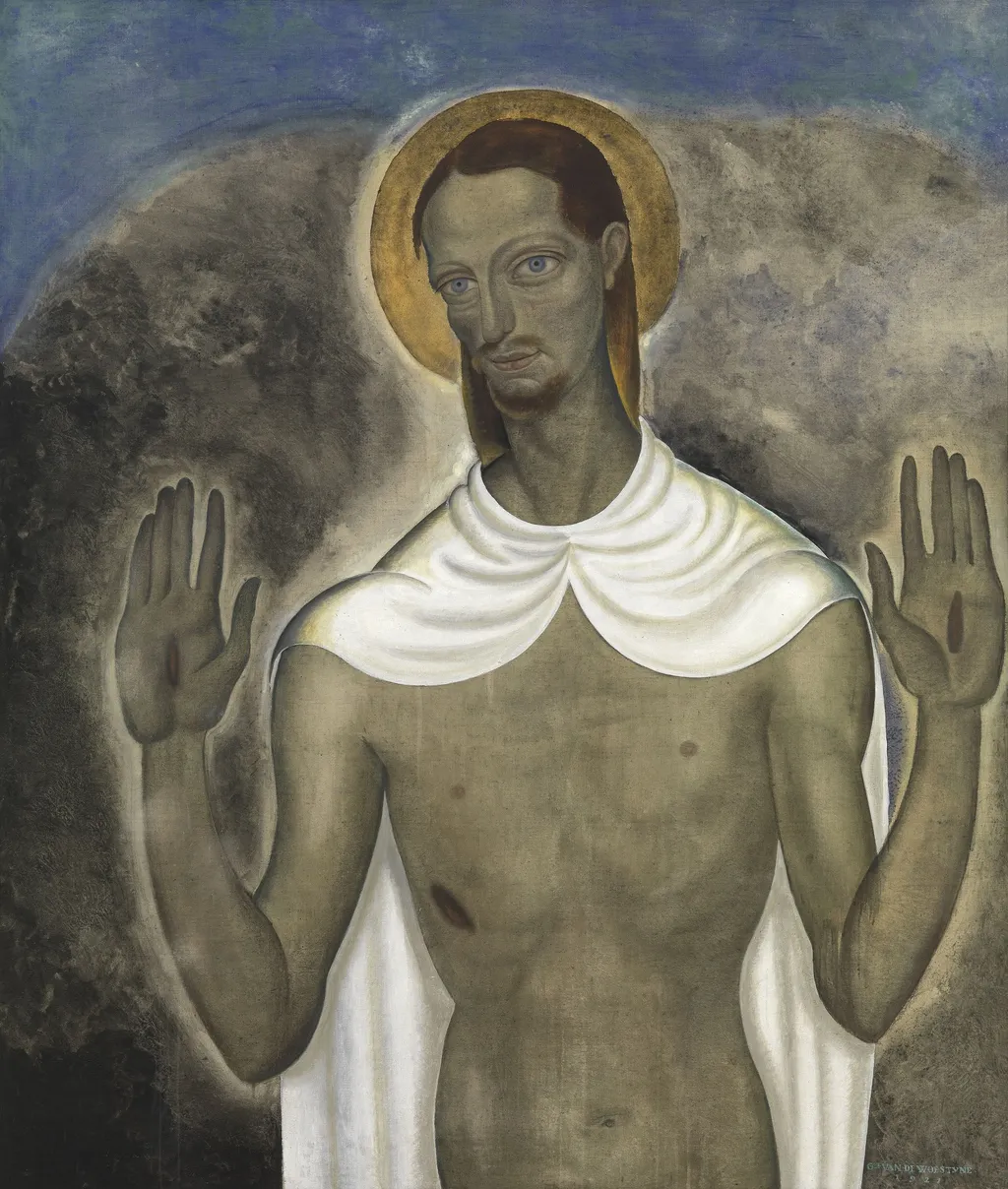
Christ Showing His Wounds is an oil painting by Gustave Van de Woestijne. It dates from 1921 and is held in the collection of the Royal Museum of Fine Arts Antwerp.
About this work
Overview
Van de Woestijne, associated with the Sint-Martens-Latem artist colony, employed a restrained palette and simplified forms to convey spiritual gravity.
Painted in 1921 by Belgian artist Gustave Van de Woestijne, this oil-on-canvas work depicts a quiet, introspective moment from Christian iconography. Van de Woestijne, associated with the Sint-Martens-Latem artist colony, employed a restrained palette and simplified forms to convey spiritual gravity. The painting resides in the Royal Museum of Fine Arts Antwerp, reflecting its significance within early 20th-century Belgian religious art.
Subject & Meaning
The figure represents Christ after the Resurrection, displaying the wounds from his crucifixion with calm dignity. His raised hands, bearing marks of suffering, invite contemplation rather than anguish. The halo and serene gaze reinforce his divine nature, while the absence of dramatic elements shifts focus to inner stillness. The image emphasizes quiet revelation over spectacle, aligning with the artist’s spiritual and introspective approach.
Technique & Style
Van de Woestijne used thick, deliberate brushwork to model the figure’s form, with soft transitions between light and shadow. The background—pale sky and muted rock—lacks detail, isolating the figure in a timeless space. Color is subdued: white drapery, gray terrain, and a faint blue sky create harmony. The style blends expressionist simplification with a quiet realism, avoiding theatricality in favor of emotional restraint.
History & Provenance
Created during Van de Woestijne’s mature period, the painting emerged from his engagement with the Latem group, which sought spiritual depth in rural Belgian life. It entered the Royal Museum of Fine Arts Antwerp’s collection shortly after its completion, likely through direct acquisition or donation. Its preservation reflects institutional recognition of his contribution to religious painting in interwar Belgium.
Context
In the aftermath of World War I, many European artists turned to religious themes as a response to collective trauma. Van de Woestijne, influenced by mysticism and regional traditions, rejected modernist fragmentation in favor of symbolic clarity. His work, alongside peers like Gustave De Smet, sought to reconnect art with enduring human and spiritual questions through simplified, contemplative imagery.
Legacy
Though less widely known than contemporaries, Van de Woestijne’s religious paintings, including this one, remain important for their quiet intensity. His approach—merging expressionist form with devotional subject matter—offers a distinct alternative to both academic piety and avant-garde abstraction. The painting continues to be studied as an example of how spiritual themes were reimagined in early 20th-century Belgian art.
Own this work as a print
Artist & collection
Artist
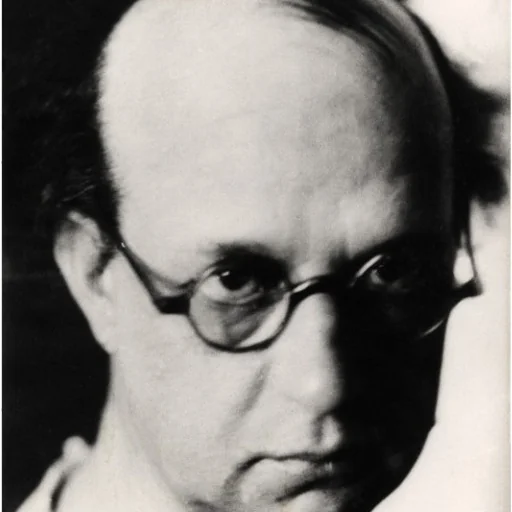
Gustave Van de Woestijne (Dutch: ; 2 August 1881 – 21 April 1947) was a Belgian expressionist painter.

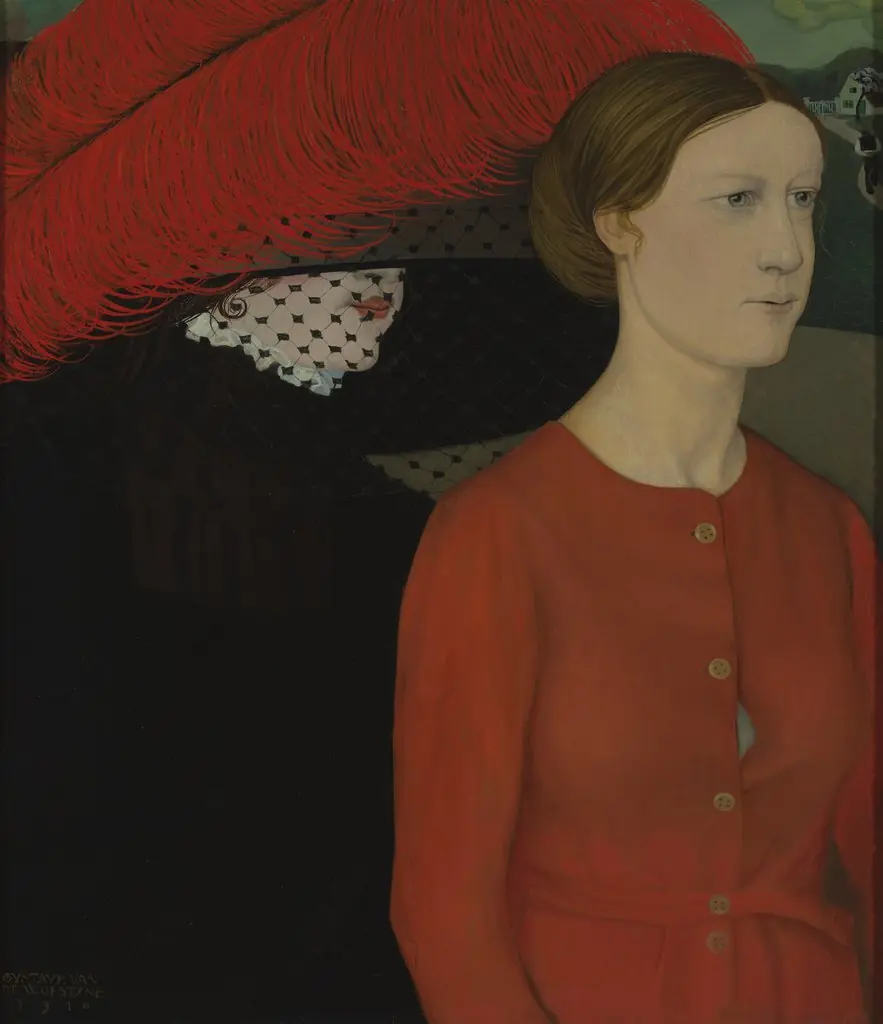
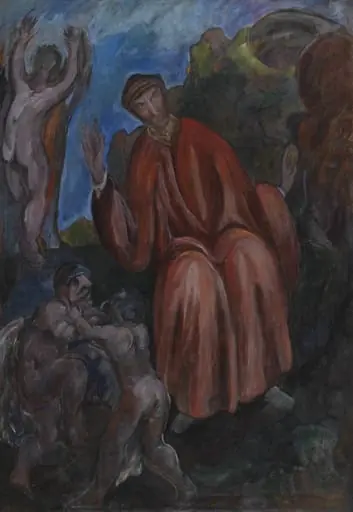 Dante. Prophets, Opus I
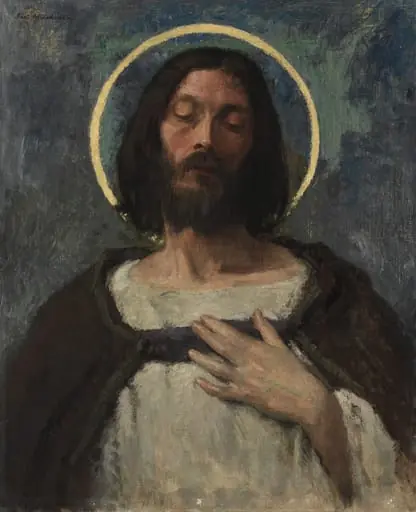 Christ
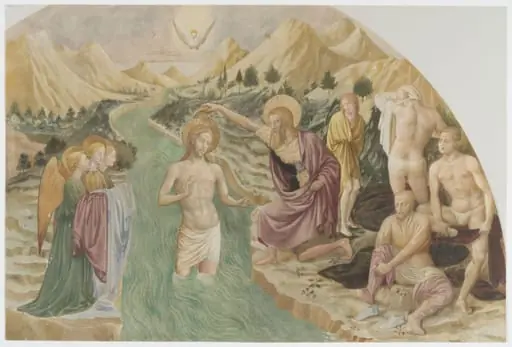 Copy after the painting Baptism of Christ by Masolino in Castiglione d'Olona
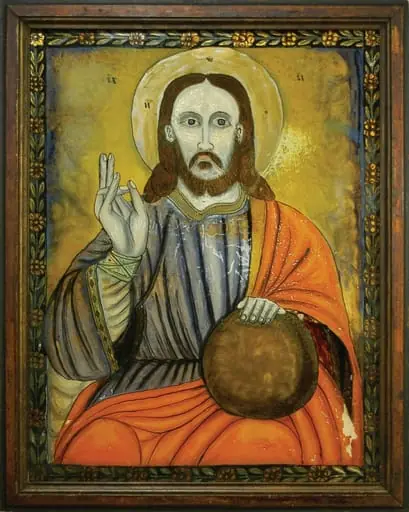 Iisus Hristos Pantocrator
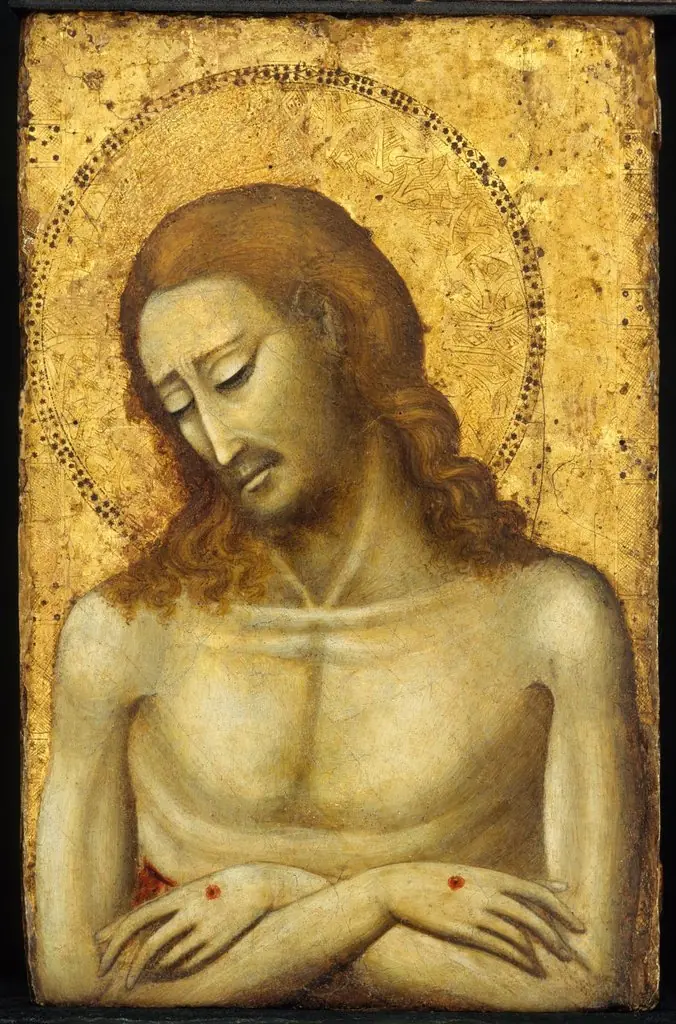 Man of Sorrows
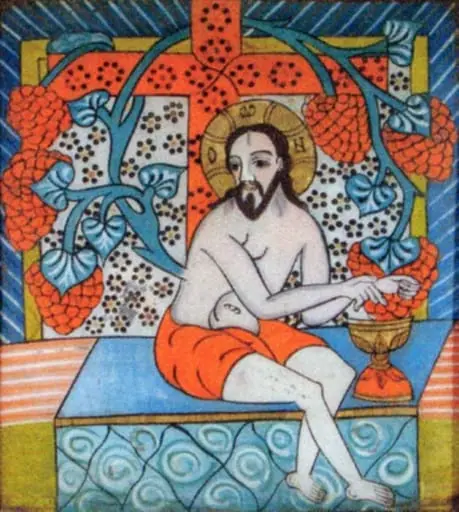 Iisus cu vița de vie
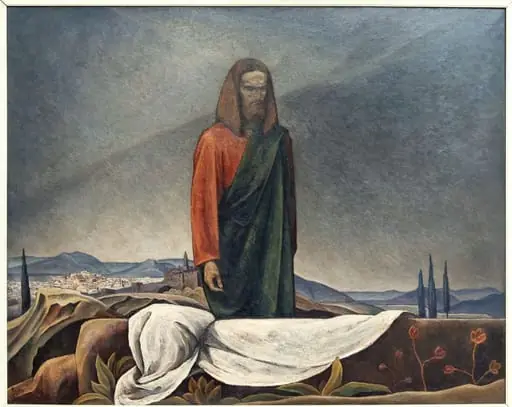 O răspântie
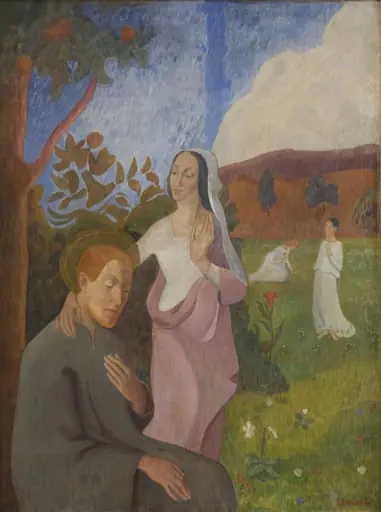 Decorative Picture. The Vision of Saint Francis with the Three White Virgins
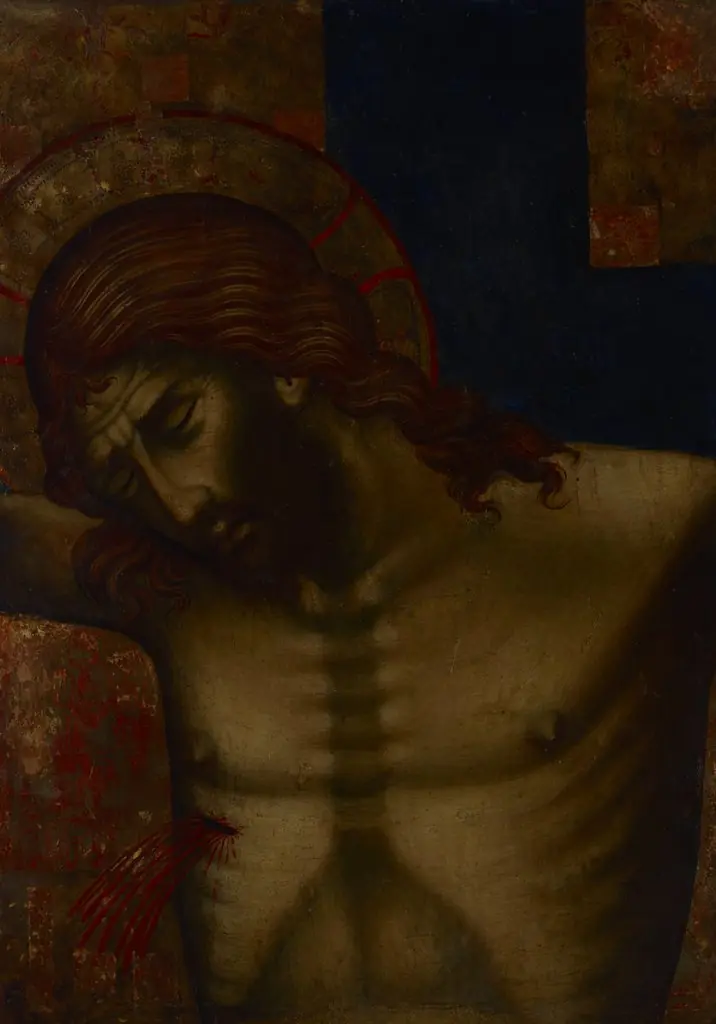 Crucifixion – Fragment of a Croce Dipinta
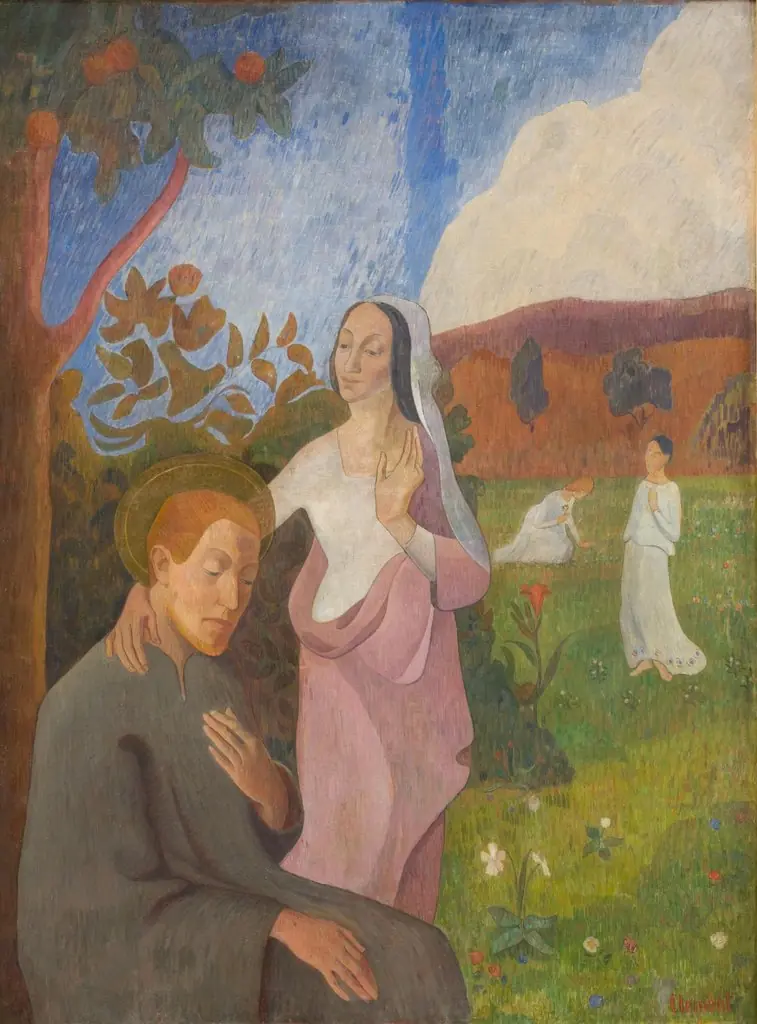 Decorative Picture. The Vision of Saint Francis with the Three White Virgins
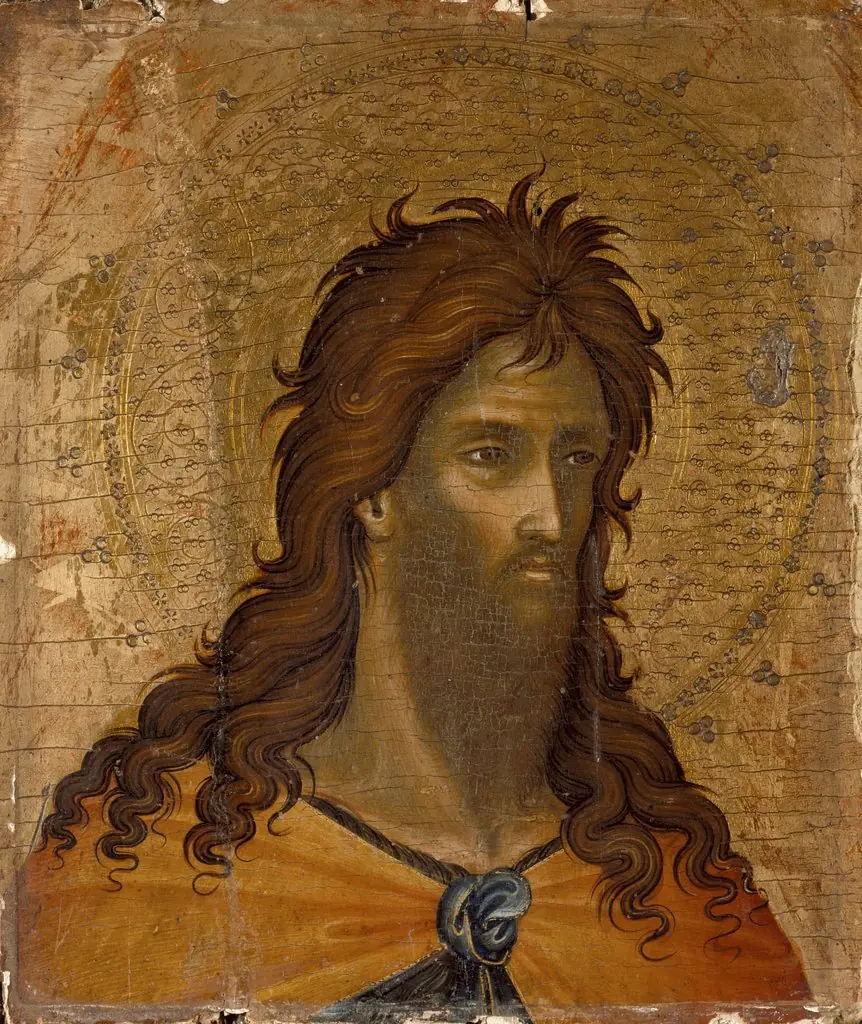 St. John the Baptist (fragment)
 Anunciación