Artwork
The Baptism of Vajk
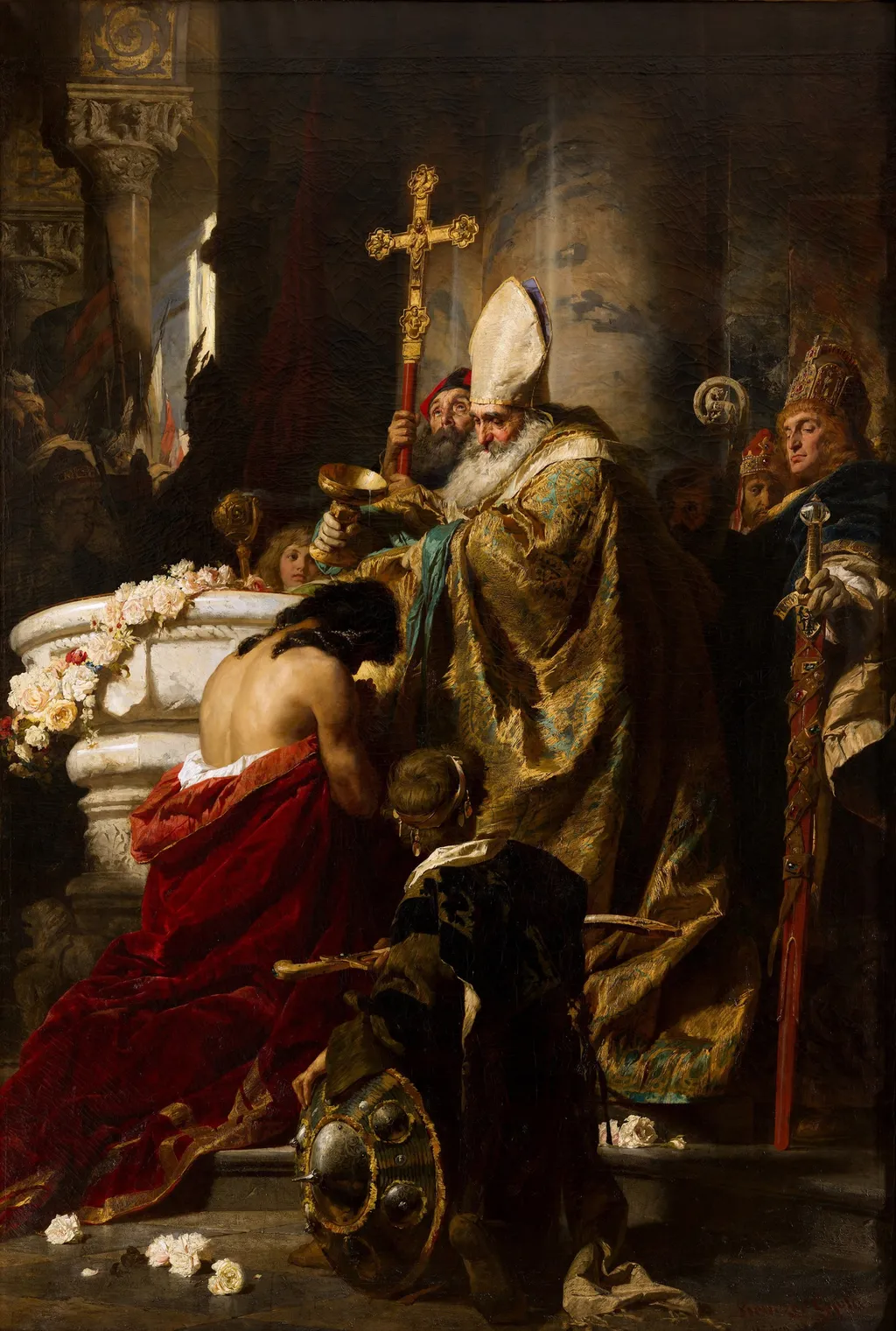
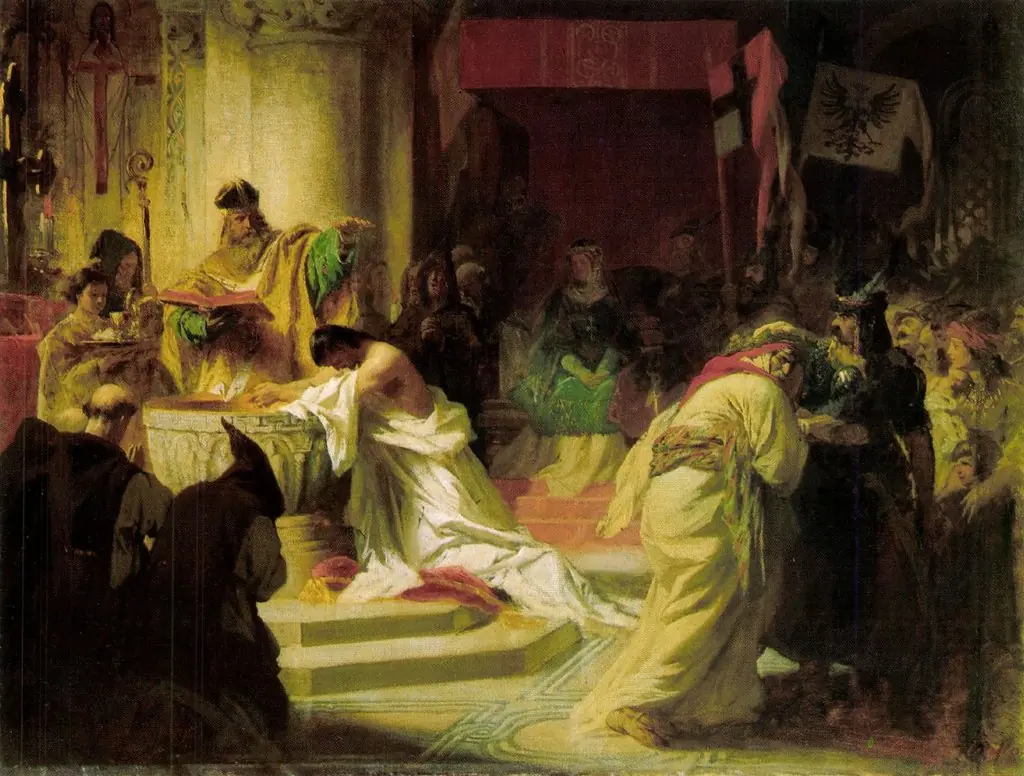
The Baptism of Vajk is an oil painting by the Realist artist Gyula Benczúr. It dates from 1875 and is held in the collection of the Hungarian National Gallery.
About this work
Overview
Gyula Benczúr completed The Baptism of Vajk in 1875, employing oil on canvas. The composition belongs to the realist tradition and is part of the collection of the Hungarian National Gallery.
Subject & Meaning
The work portrays a solemn baptismal rite: a central figure, turned away from the viewer, receives the sacrament from a cleric dressed in white robes and a mitre. Attendants gather around the ornate, flower‑adorned font, observing the ritual with reverence.
Technique & Style
Benczúr applies chiaroscuro to model the figures, letting a left‑hand light source illuminate the scene and create depth. He combines impasto brushwork with glazing layers, producing a tactile surface and a luminous quality that draws attention to the central act.
History & Provenance
The painting has remained in Hungary since its creation, entering the holdings of the Hungarian National Gallery where it is displayed as an example of 19th‑century historicist realism.
Context
Benczúr, a prominent Hungarian painter and educator, specialized in portraiture and historical subjects. The Baptism of Vajk reflects his interest in national history, depicting a formative moment in the life of the future King Stephen I, known in his youth as Vajk.
Own this work as a print
Artist & collection
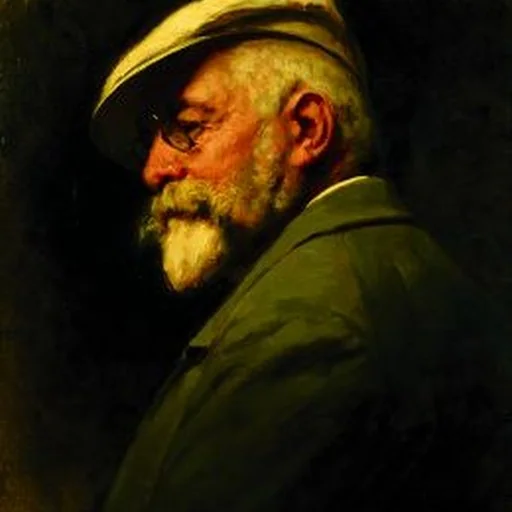
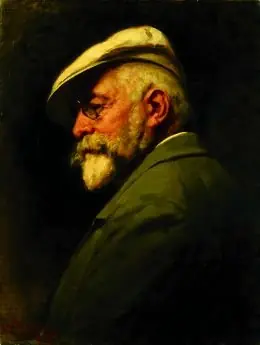
Artist
Gyula Benczúr (28 January 1844 – 16 July 1920) was a Hungarian painter and art teacher.

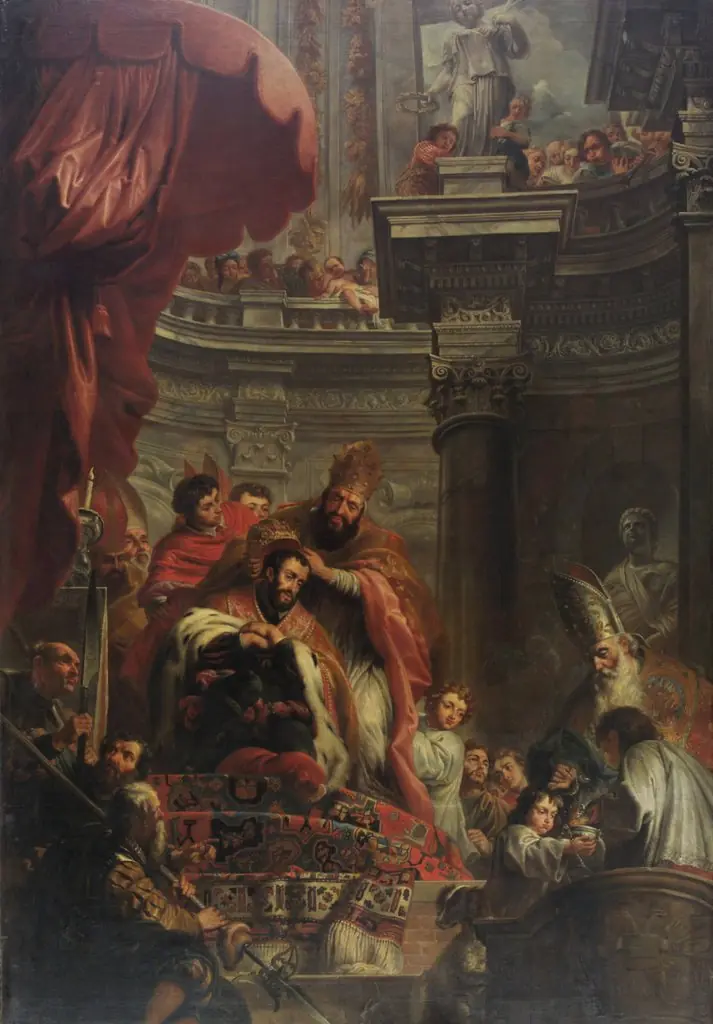 Crowning of Charles V in Bologna
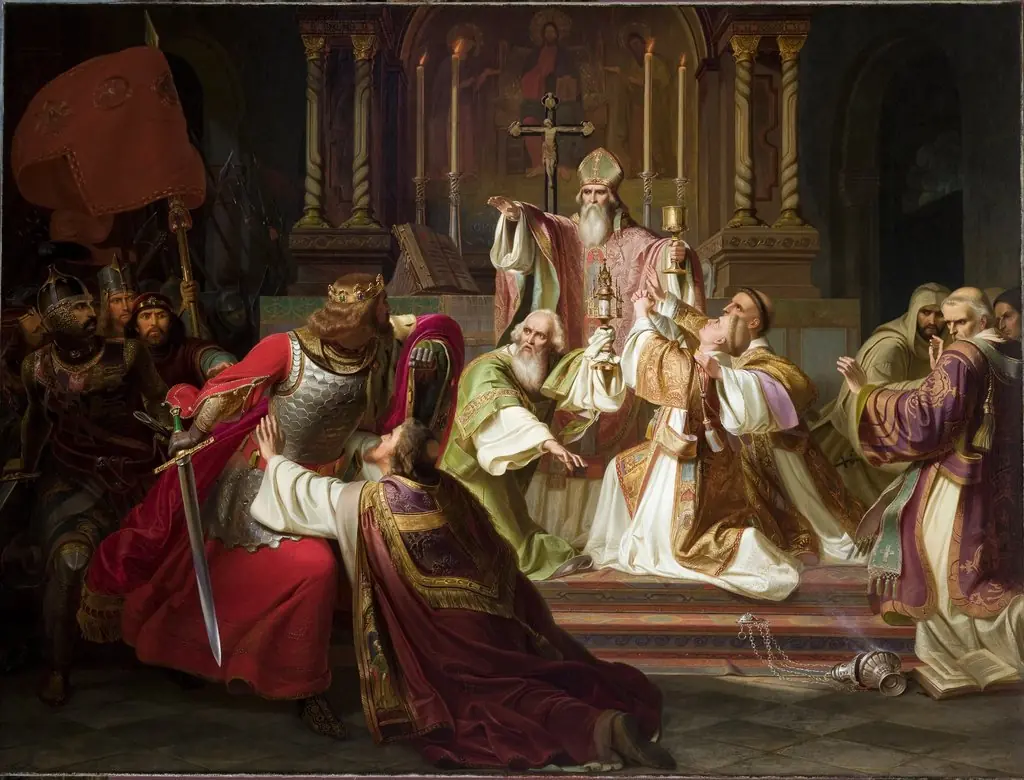 Bishop Stanisław Szczepanowski Putting a Curse on King Bolesław Śmiały
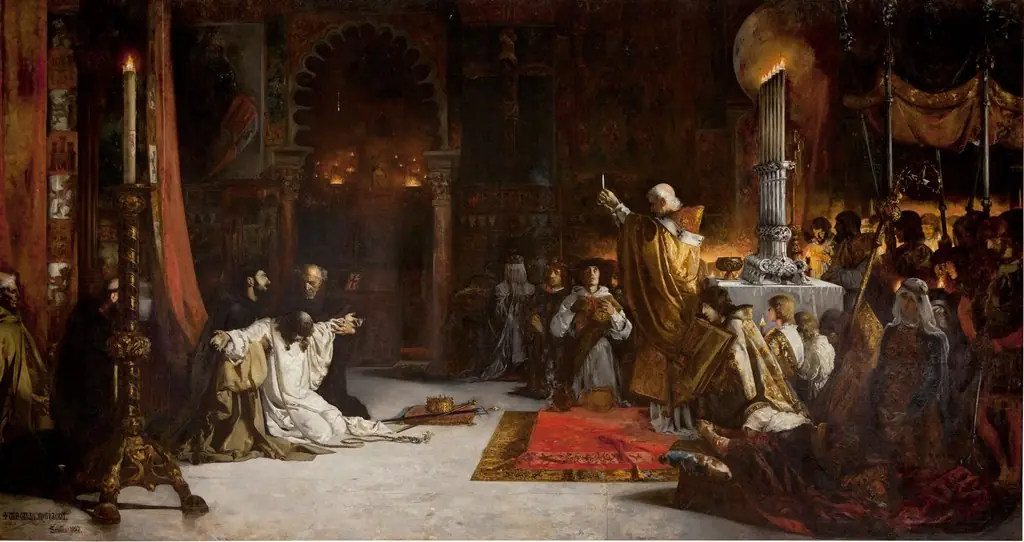 Las postrimerías de Fernando III el Santo
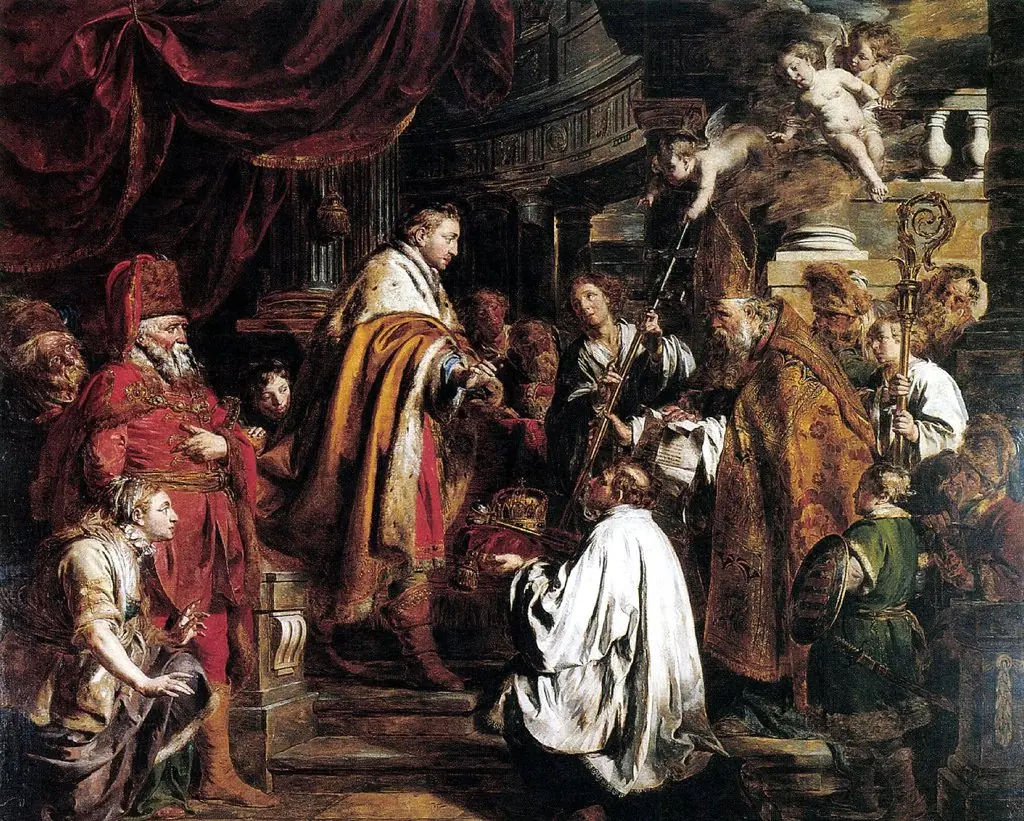 Saint Stephen, king of Hungary Receiving the Legate
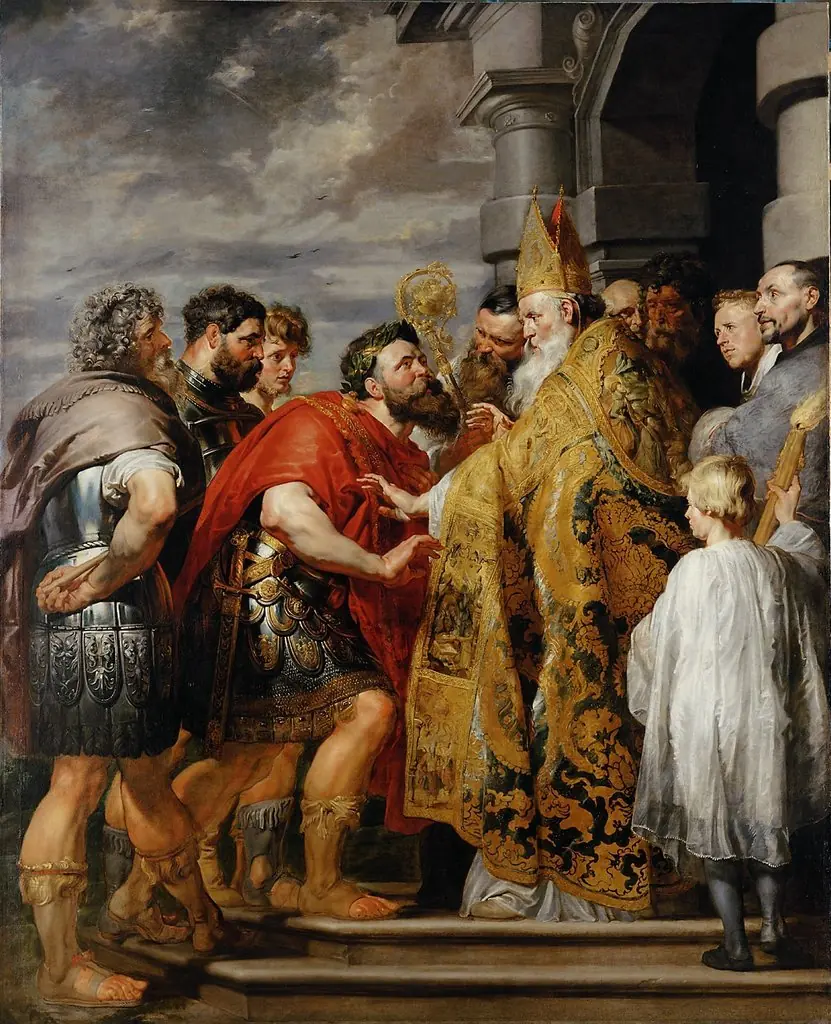 Theodosius and Saint Ambrose
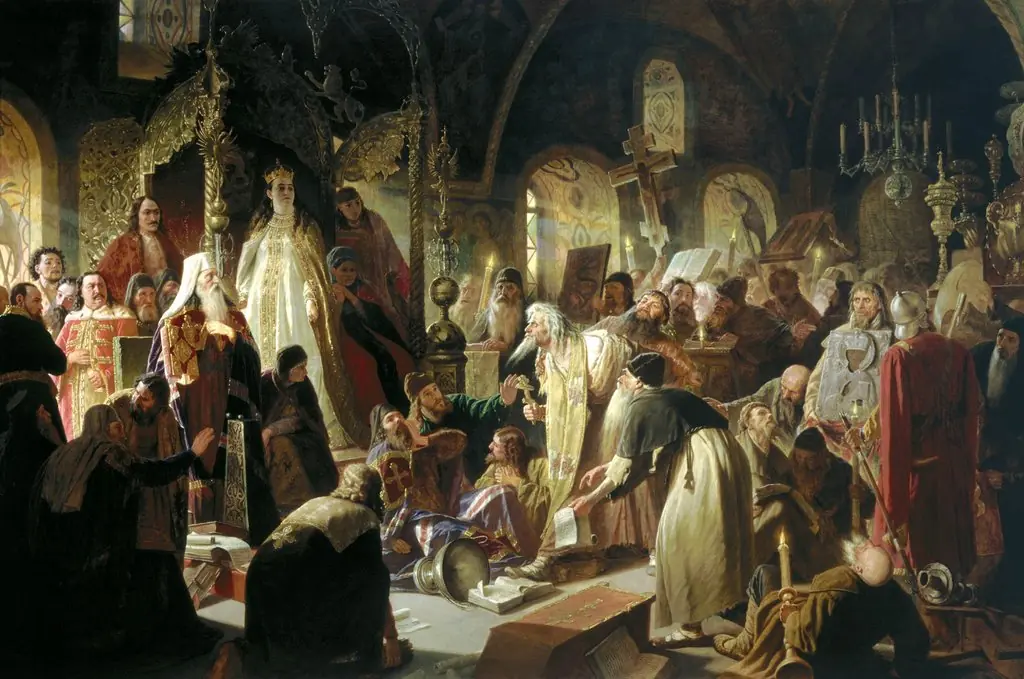 Nikita Pustosvyat. Debate about faith
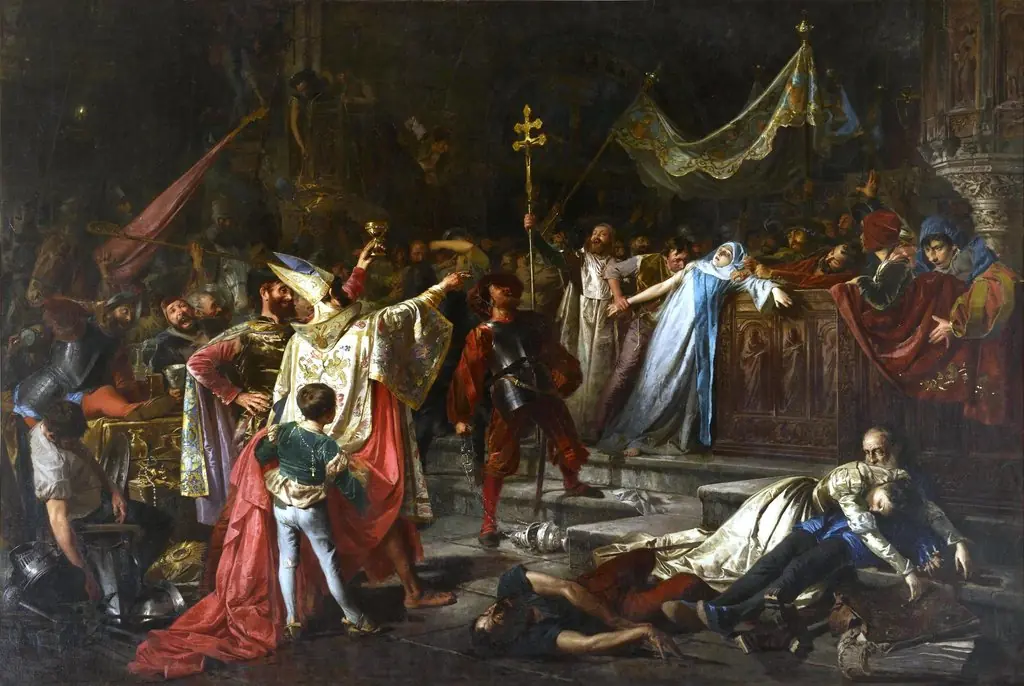 The Sack of Rome
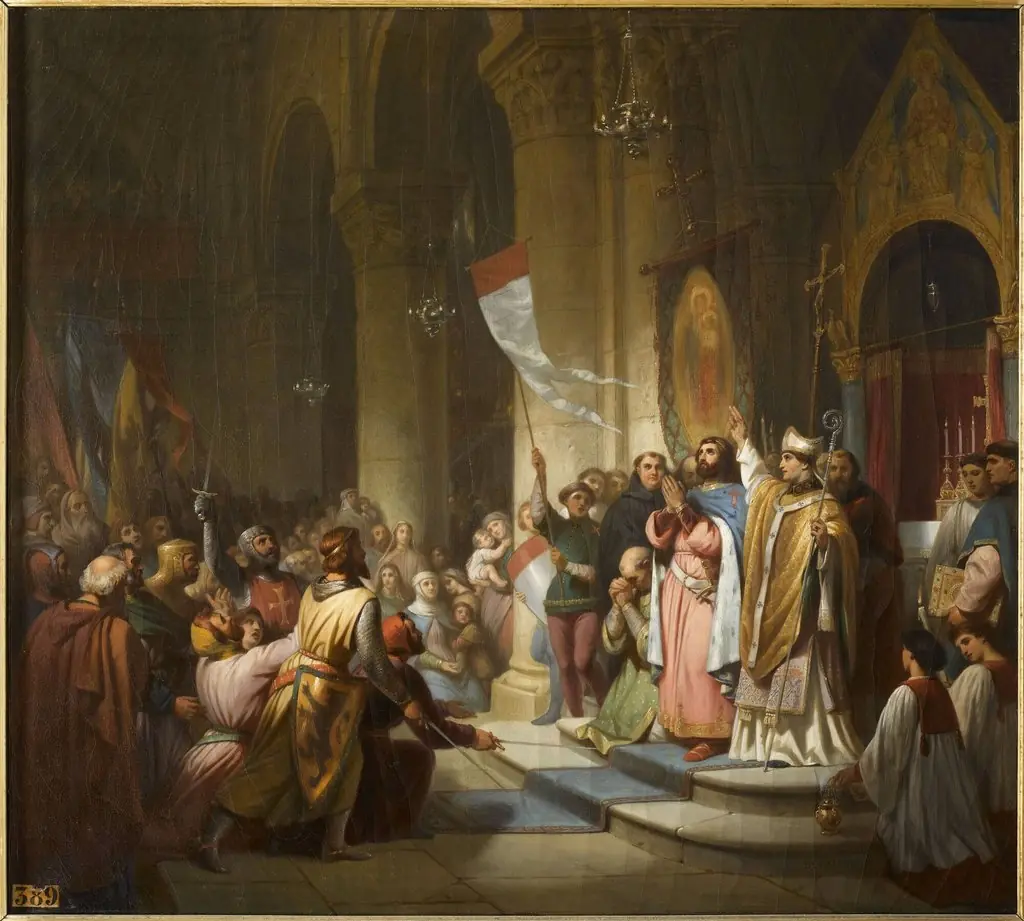 Election of Boniface of Montferrat as leader of the Fourth Crusade.
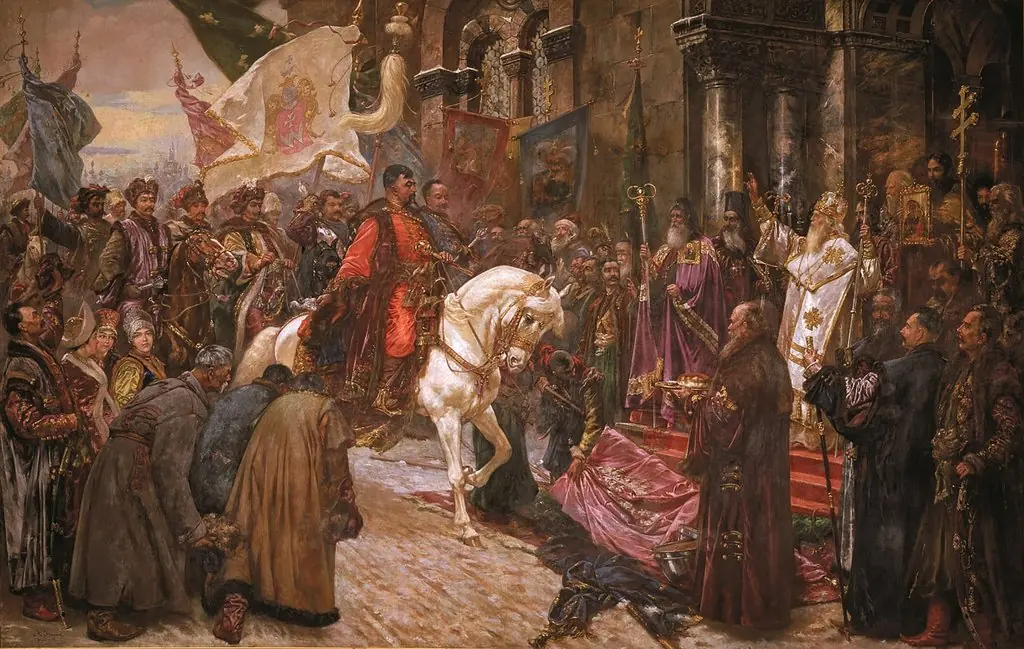 В'їзд Богдана Хмельницького до Києва 1649 року
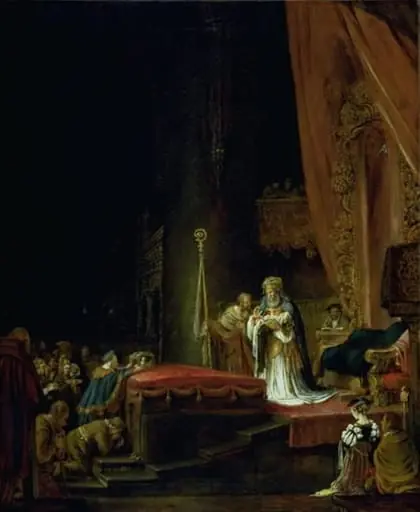 The Presentation in the Temple
 Santi Massimo e Osvaldo
 The Baptism of Vajk