Artwork
Portrait of Gisbertus Matthias Elsnerus
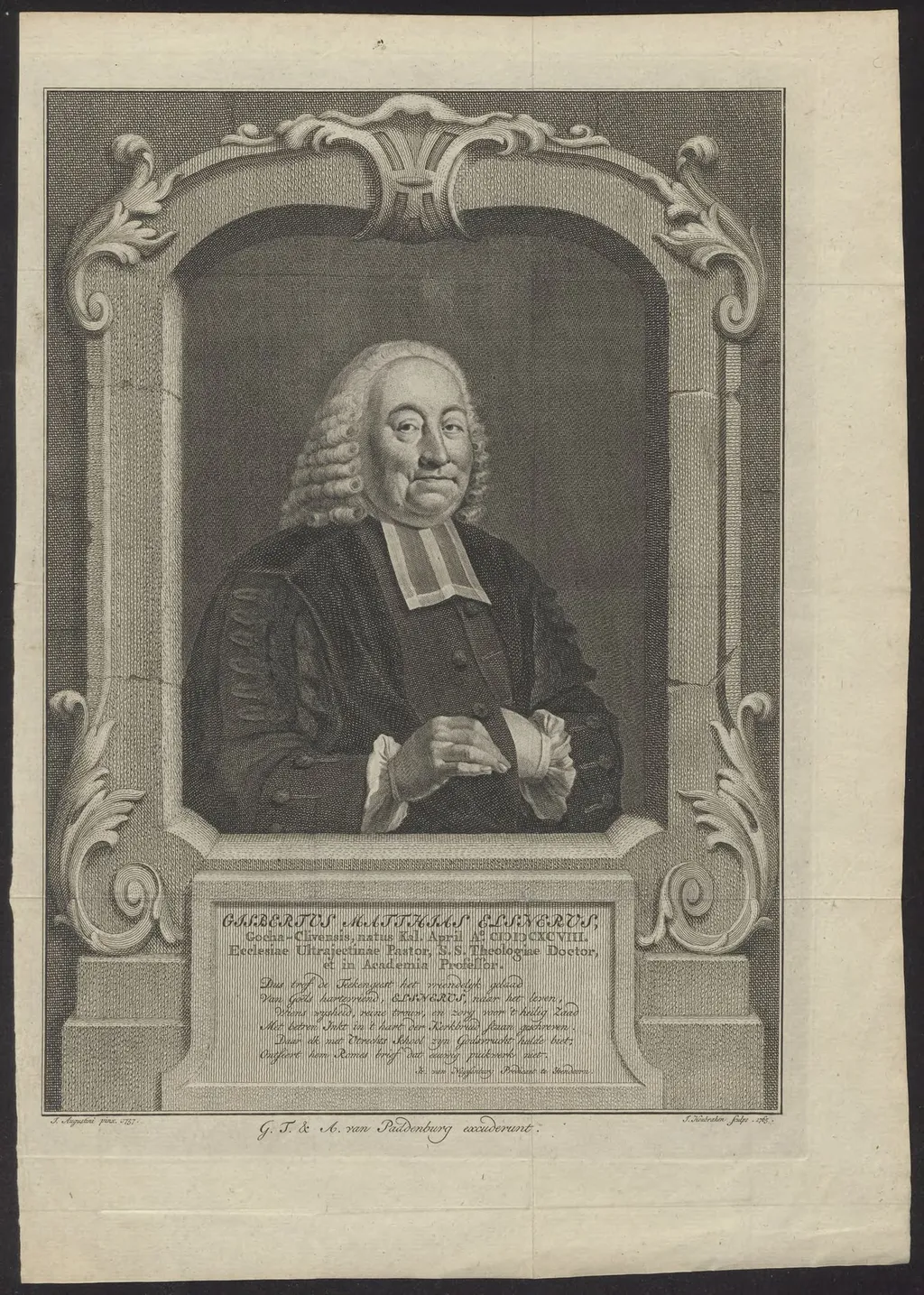
Portrait of Gisbertus Matthias Elsnerus is an unspecified painting by the Dutch Golden Age artist Jacob, Houbraken. It dates from 1750 and is held in the collection of the Leiden University Libraries.
About this work
Overview
The work presents a portrait of Gisbertus Matthias Elsnerus, rendered as a copy after an original by J. Augustini. The figure is depicted seated at a desk, surrounded by papers and a book, his expression solemn and his attire reflecting an earlier period. Beneath the image, a Dutch poem by J. van Nuysenburg is inscribed, linking the piece to a Dutch cultural context.
Subject & Meaning
Gisbertus Matthias Elsnerus is the central figure, portrayed in a contemplative pose that emphasizes his scholarly or administrative role, suggested by the presence of documents and a volume. The serious demeanor and formal dress convey a sense of authority and intellectual engagement, typical of portraiture intended to memorialize a learned individual.
Technique & Style
The copyist employed chiaroscuro, a method that models form through strong contrasts of light and shadow, to evoke depth and volume in the figure. This approach mirrors the tonal handling found in Augustini’s original, reinforcing the three‑dimensionality of the sitter and the surrounding objects.
History & Provenance
The image is a reproduction of an earlier painting by J. Augustini, indicating that the original was considered worthy of replication. The accompanying Dutch verse by J. van Nuysenburg suggests the work circulated within Dutch‑speaking circles, though details of its ownership and subsequent exhibition remain undocumented.
Context
Portraits of scholars and officials were common in the early modern period, serving both as personal commemoration and as visual assertions of status. The inclusion of a poem in the native language reflects a tradition of pairing visual and literary homage, enhancing the work’s commemorative function.
Legacy
While the copy does not introduce new iconography, it preserves Augustini’s composition and the associated poetic tribute, offering insight into the transmission of portraiture and literary accompaniment in Dutch cultural heritage.
Artist & collection
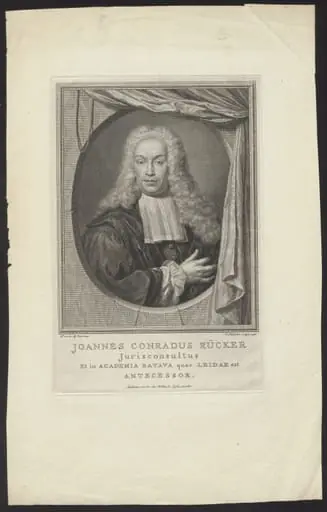 Portrait of Joannes Conradus Rücker
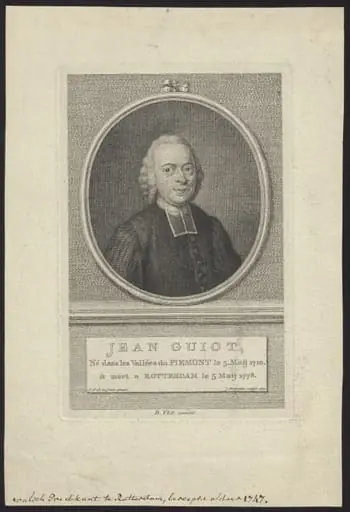 Portrait of Jean Guiot
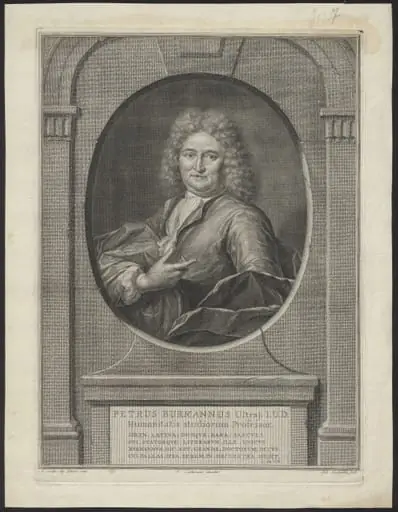 Portrait of Petrus Burmannus, Professor of Humanities
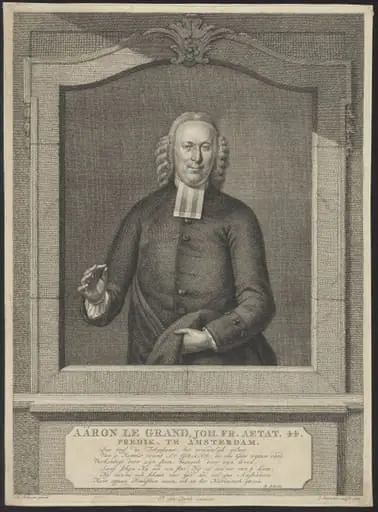 Portrait of Aaron le Grand, minister in Amsterdam
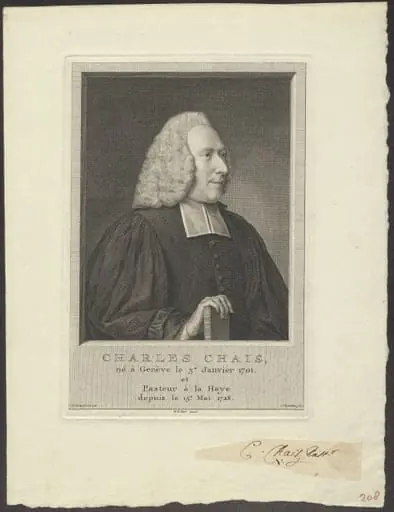 Portrait of Charles Chais, Pastor in The Hague
![Portrait of [Pierre Jacques Courtonne], by Jacob, Houbraken](https://artifactworldgallery.com/img/jacob-houbraken--portrait-of-pierre-jacques-courtonne--6455a7507ab17d46-w320.webp) Portrait of [Pierre Jacques Courtonne]
Portrait of [Pierre Jacques Courtonne]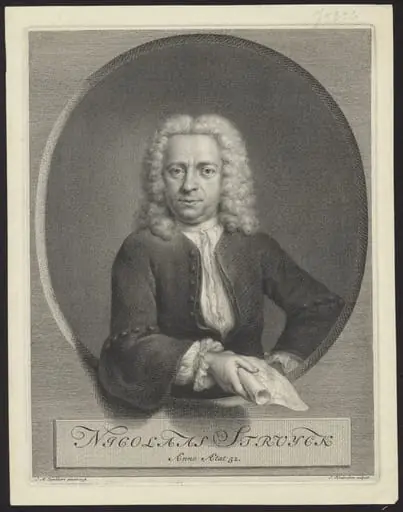 Portrait of Nicolaas Struyck
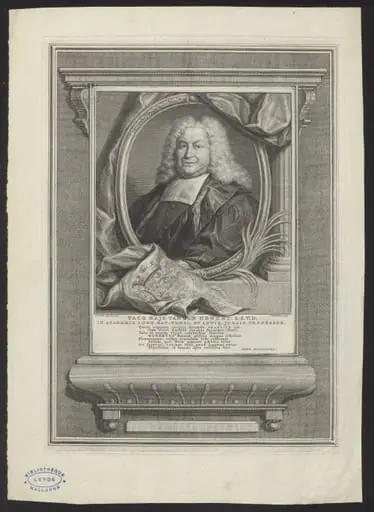 Portrait of Taco Hajo van den Honert
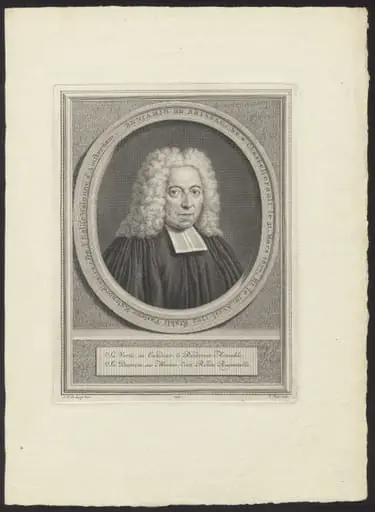 Portrait of Benjamin de Brissac, minister of the Walloon Church in Amsterdam
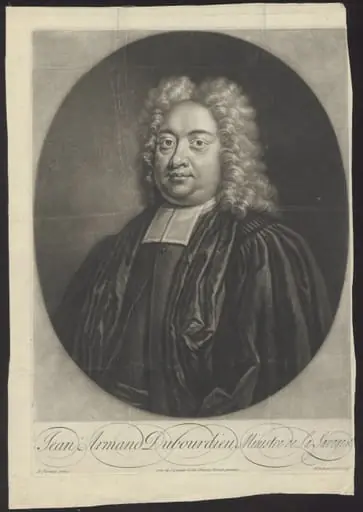 Portrait of Jean Armand Dubourdieu, Ministre de la Savoye
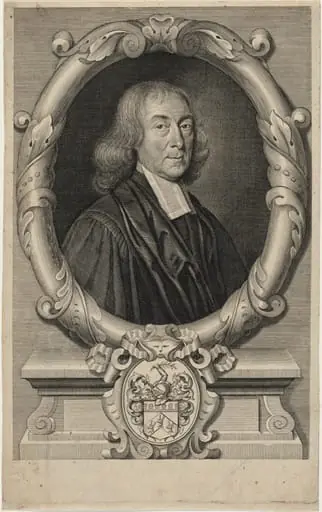 Benjamin Woodroffe, R.R.S., Canon of Christ Church, Oxford
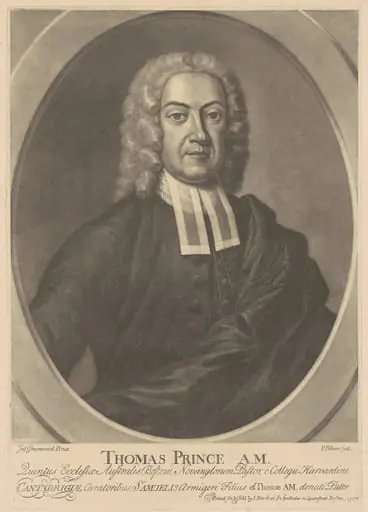 Thomas Prince, A. M.
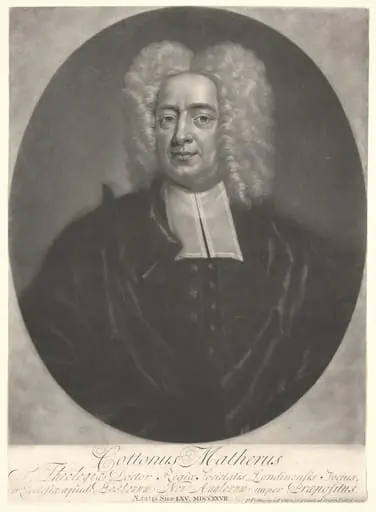 Cotton Mather
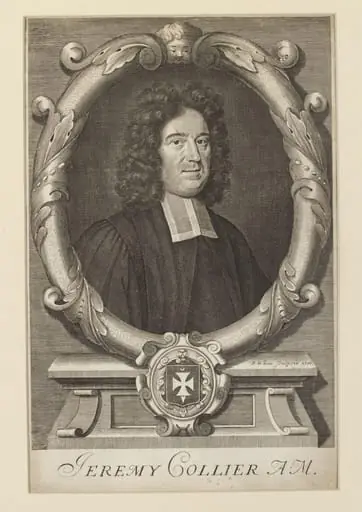 H Beard Print Collection
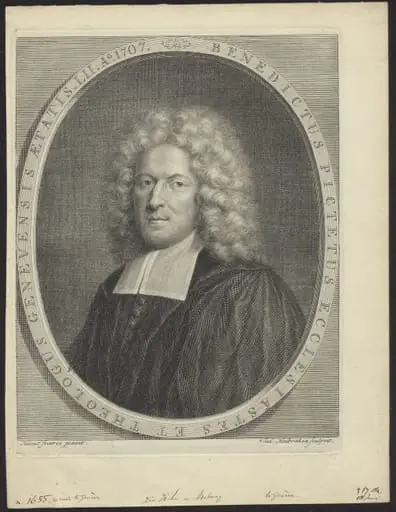 Portrait of Benedictus Pictetus, theologian from Geneva