Artwork
Untitled
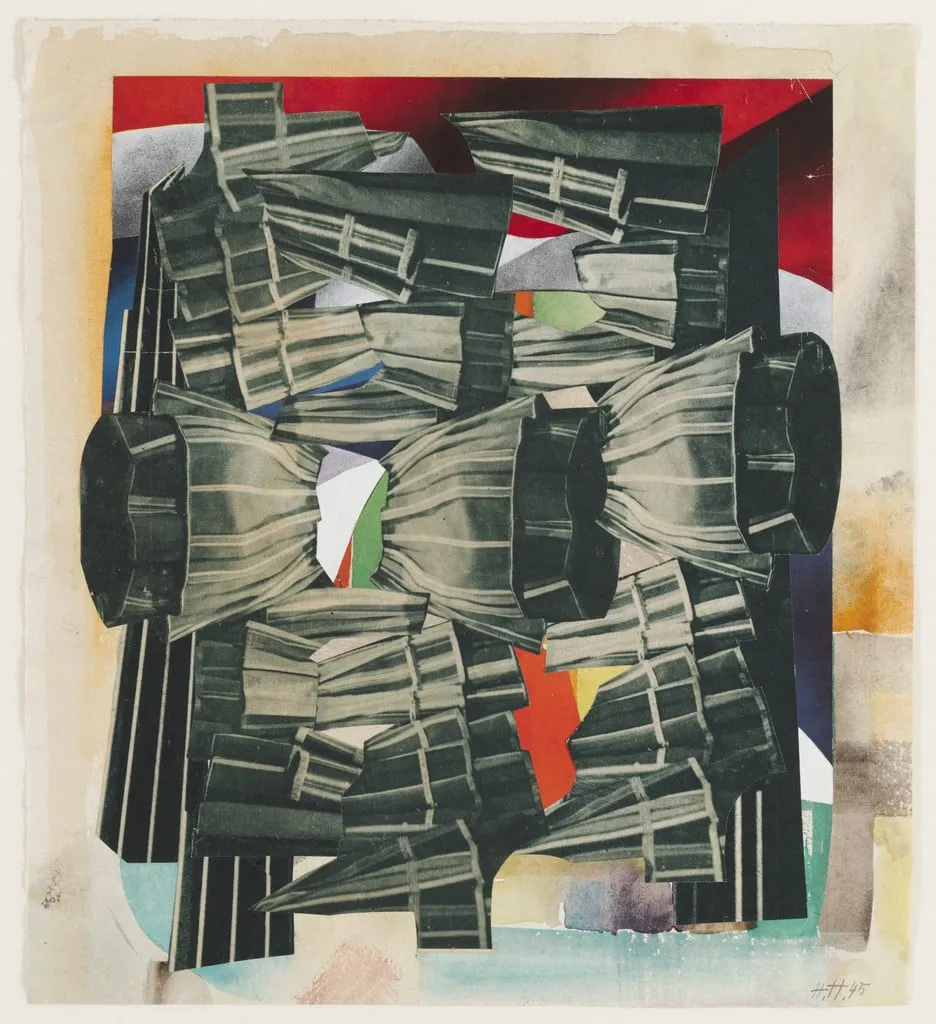
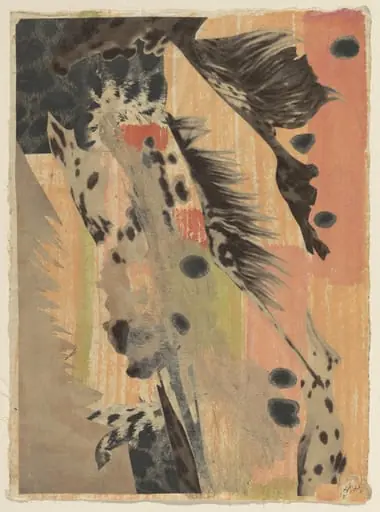
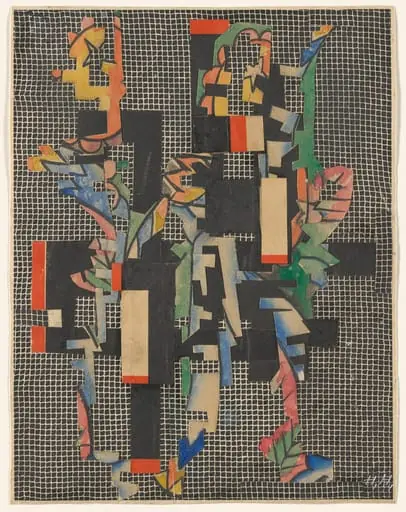
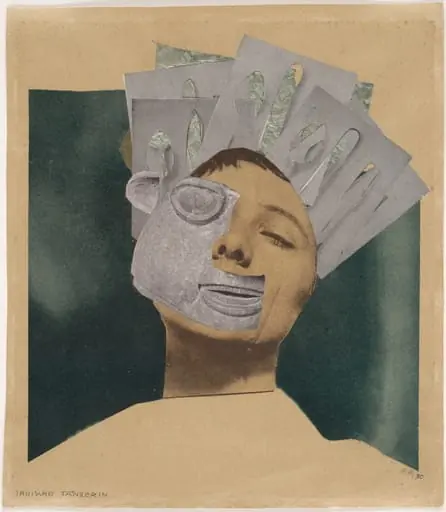
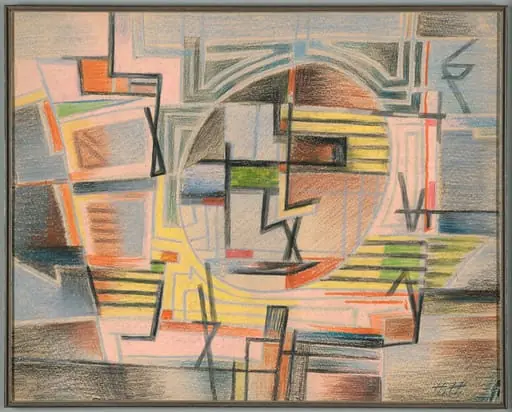
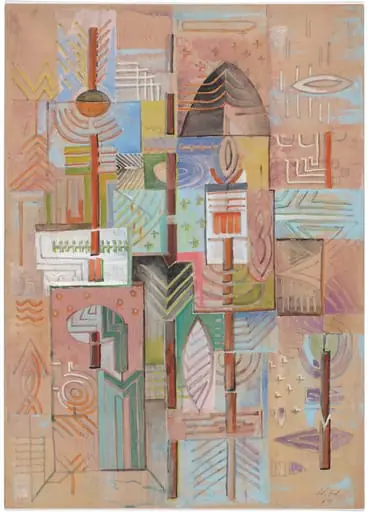
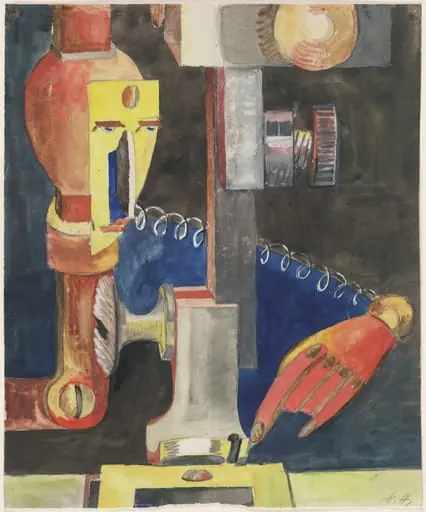
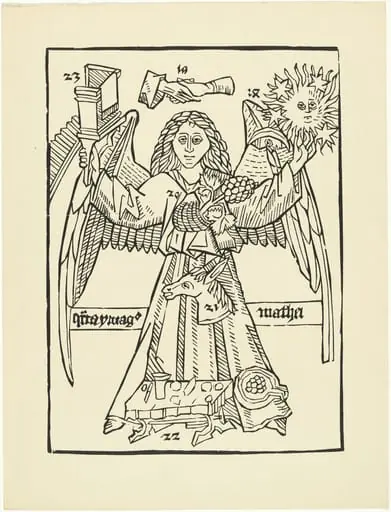
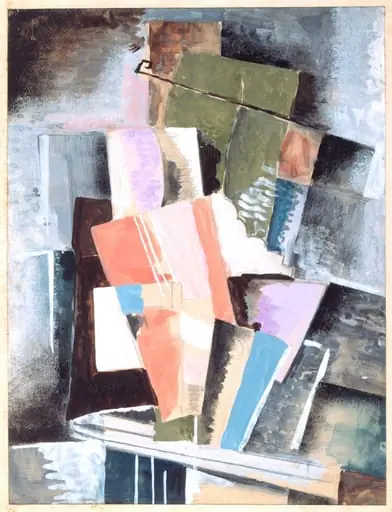
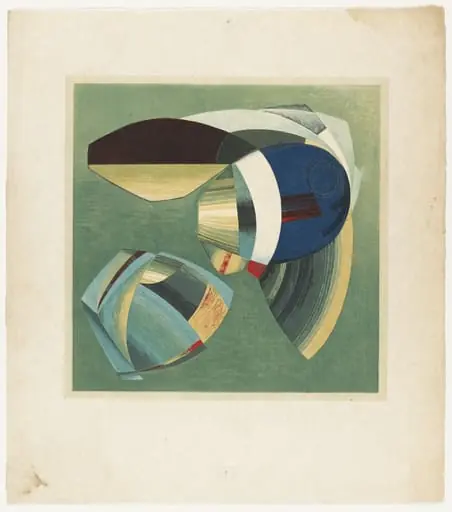
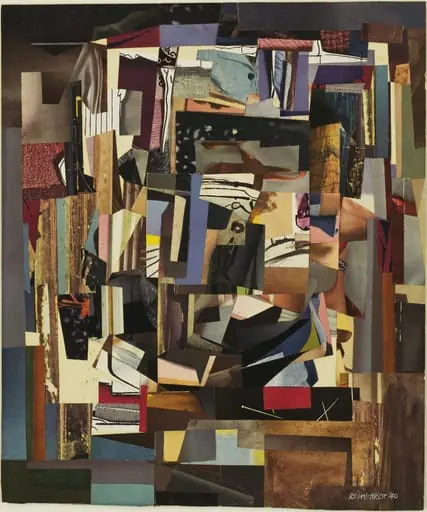
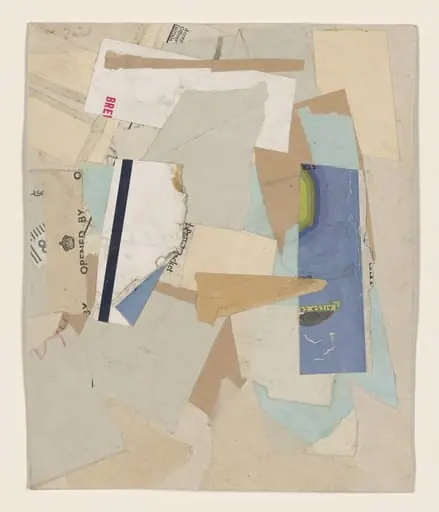
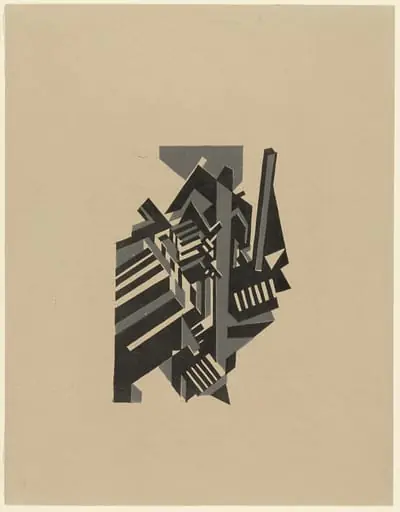
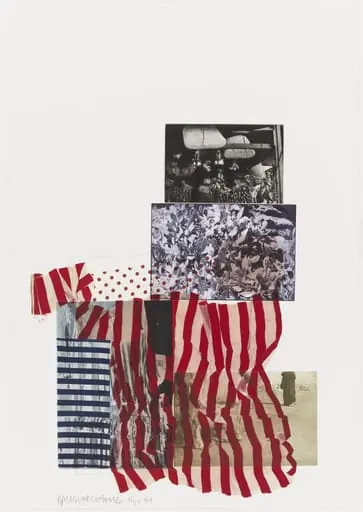
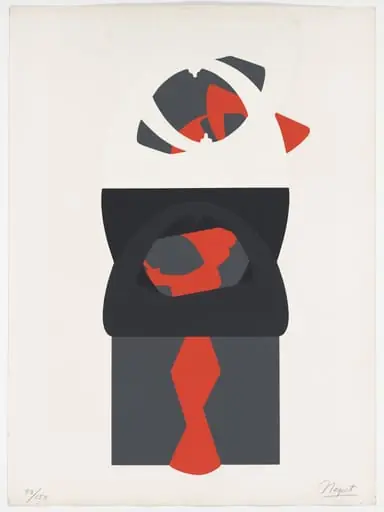
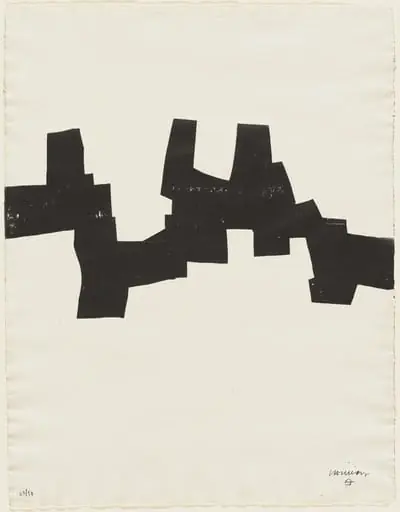
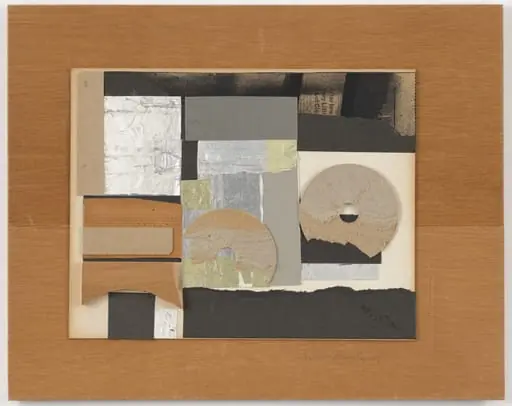
Untitled is a watercolor drawing by Hannah Höch. It dates from 1945 and is held in the collection of the Museum of Modern Art.
About this work
Overview
The work is a layered assemblage of fragmented imagery, reflecting her sustained interest in reconfiguring visual culture through collage.
Created in 1945, this drawing by Hannah Höch combines cut-and-pasted printed materials with watercolor on paper. Though made in the aftermath of World War II, it continues the visual language Höch developed during the Weimar period. The work is a layered assemblage of fragmented imagery, reflecting her sustained interest in reconfiguring visual culture through collage. It resides in the collection of The Museum of Modern Art.
Subject & Meaning
Höch interrogates constructed ideals of femininity, particularly the myth of the 'New Woman' promoted in interwar media. By reassembling fragments of advertisements, magazines, and photographs, she disrupts coherent narratives of gender and modernity. The obscured faces and disjointed forms suggest instability in societal roles, resisting easy interpretation and inviting critical reflection on how identity is shaped by mass imagery.
Technique & Style
The work employs rough, hand-cut paper elements layered with translucent watercolor washes. Sharp black silhouettes suggest architectural forms, while vivid reds, greens, and blues interrupt the monochrome fragments. Text fragments and photographic details are partially obscured, creating visual tension. The irregular edges and uneven application emphasize the handmade, provisional nature of the composition, rejecting polished finish in favor of deliberate disarray.
History & Provenance
Höch produced this piece during a period of personal and political upheaval in postwar Germany. Though less widely exhibited than her 1920s photomontages, it demonstrates her continued commitment to collage as a critical tool. The work entered The Museum of Modern Art’s collection through documented acquisition, preserving its place within the broader narrative of modernist experimental drawing.
Context
Made after the collapse of the Nazi regime, the piece echoes Höch’s earlier Dadaist strategies but responds to a changed cultural landscape. While her 1920s works targeted Weimar-era gender norms, this later work reflects a more fragmented, uncertain world. The use of mass-media remnants persists, yet their meaning is now haunted by recent history, transforming critique into a meditation on rupture and reconstruction.
Legacy
Höch’s approach to collage influenced later generations of artists exploring identity, media, and fragmentation. This work, though less publicized than her Weimar-era pieces, exemplifies her lifelong practice of deconstructing visual culture. It stands as a quiet but persistent testament to the power of collage as a method for questioning inherited narratives, particularly those surrounding gender and representation.
Artist & collection
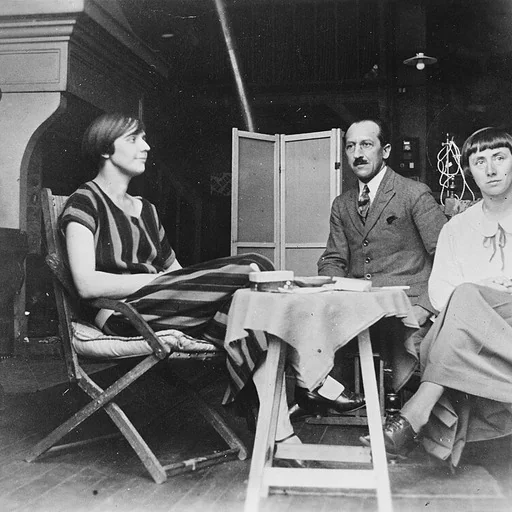
Artist
Hannah Höch (German: ; 1 November 1889 – 31 May 1978) was a German Dada artist. She is best known for her work of the Weimar period, when she was one of the originators of photomontage. Photomontage, or fotomontage, is…