Artwork
Untitled
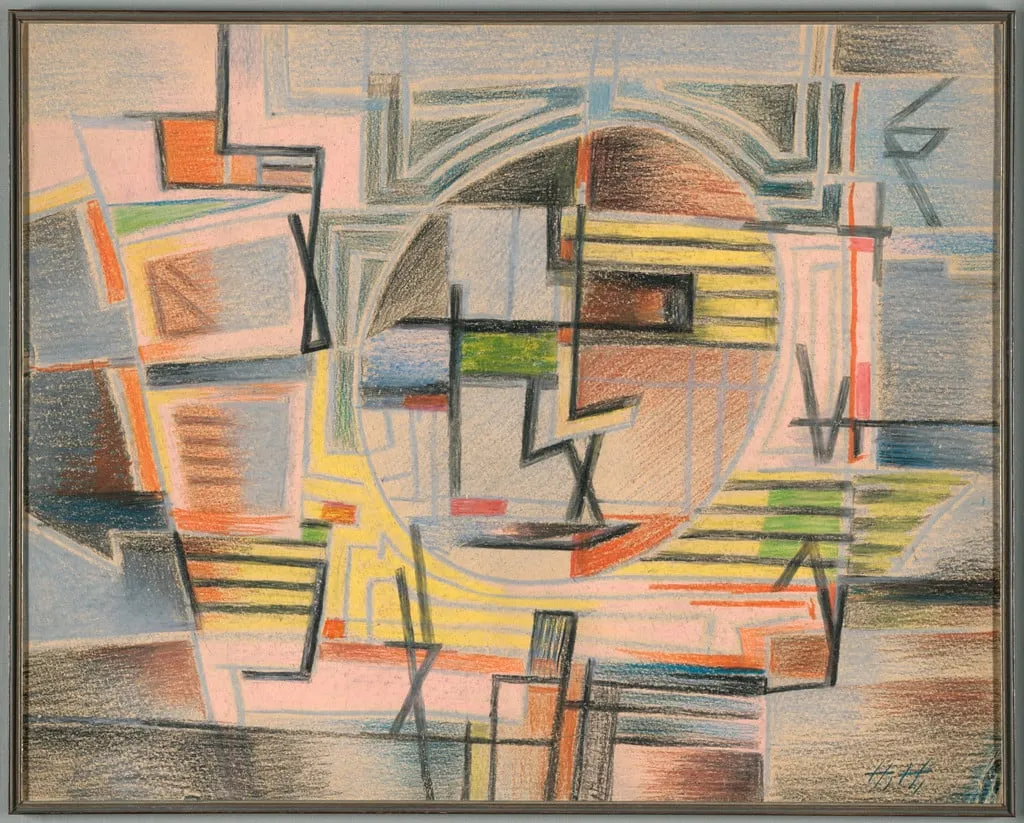
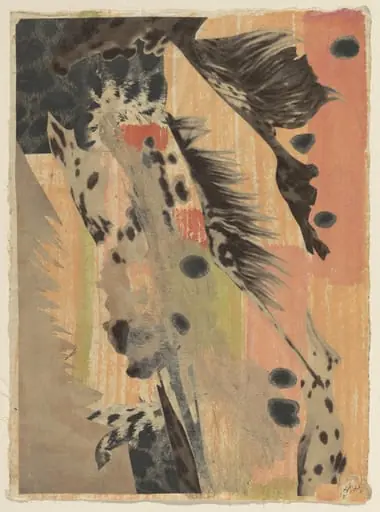
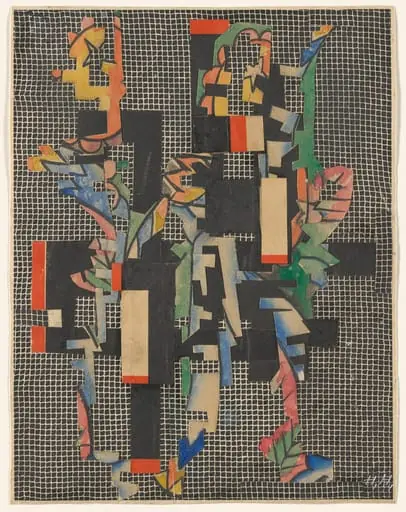
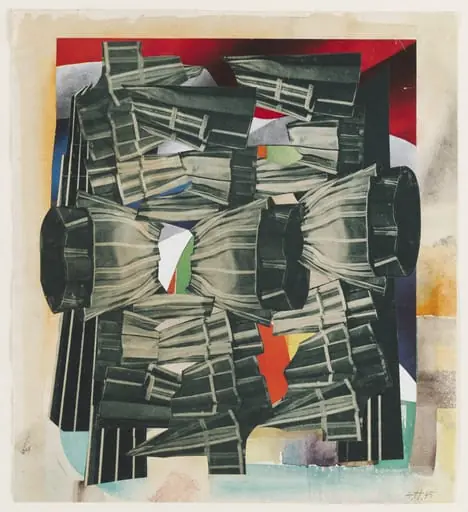
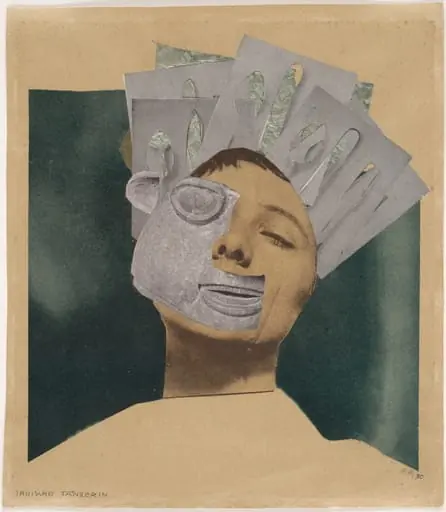
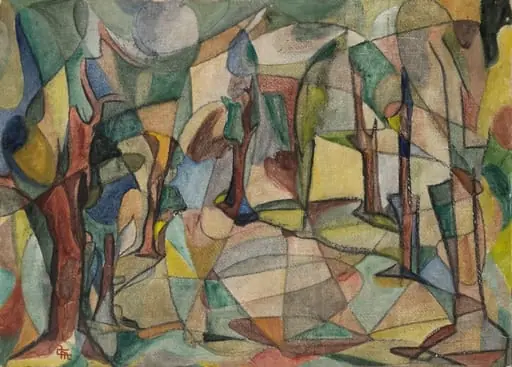
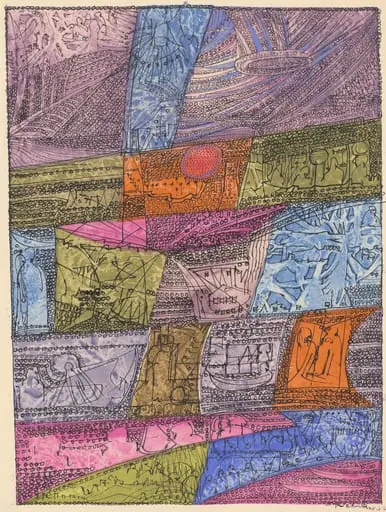
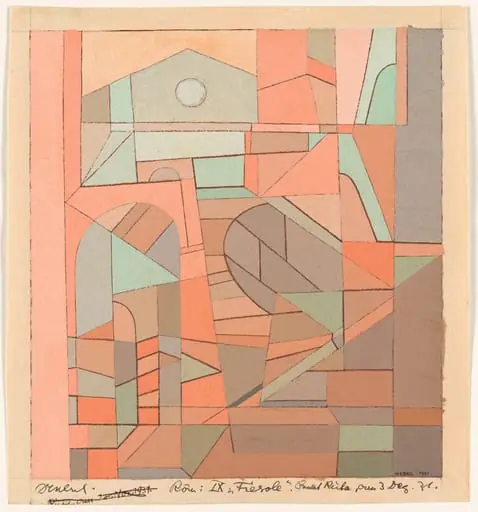
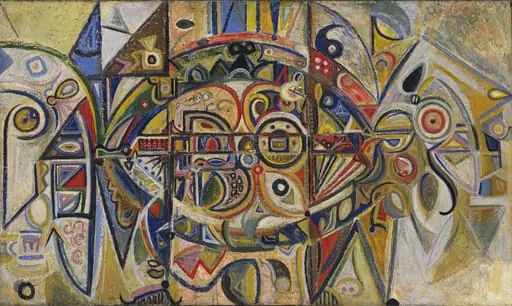
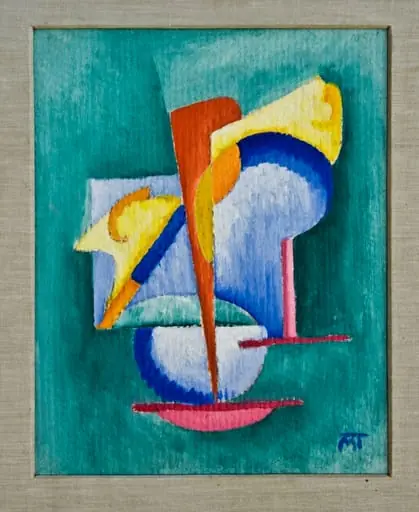
Untitled is a crayon drawing by Hannah Höch. It dates from 1922 and is held in the collection of the Museum of Modern Art.
About this work
Overview
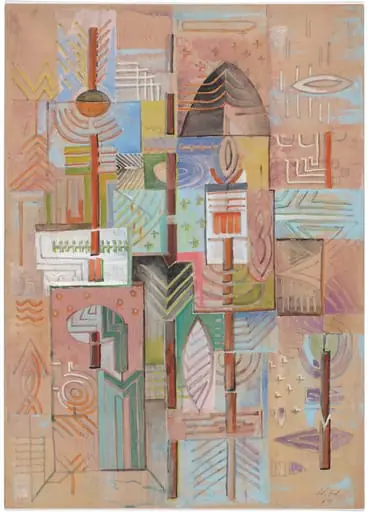
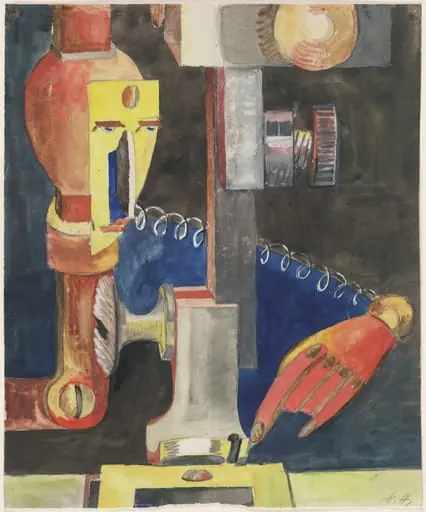
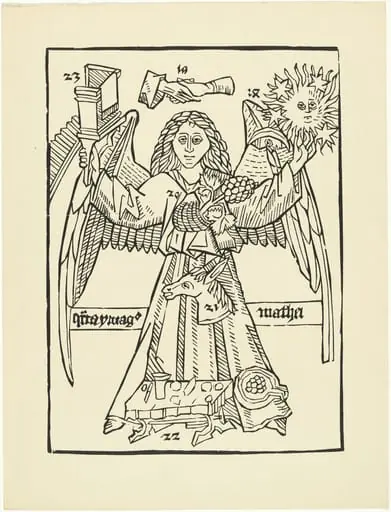
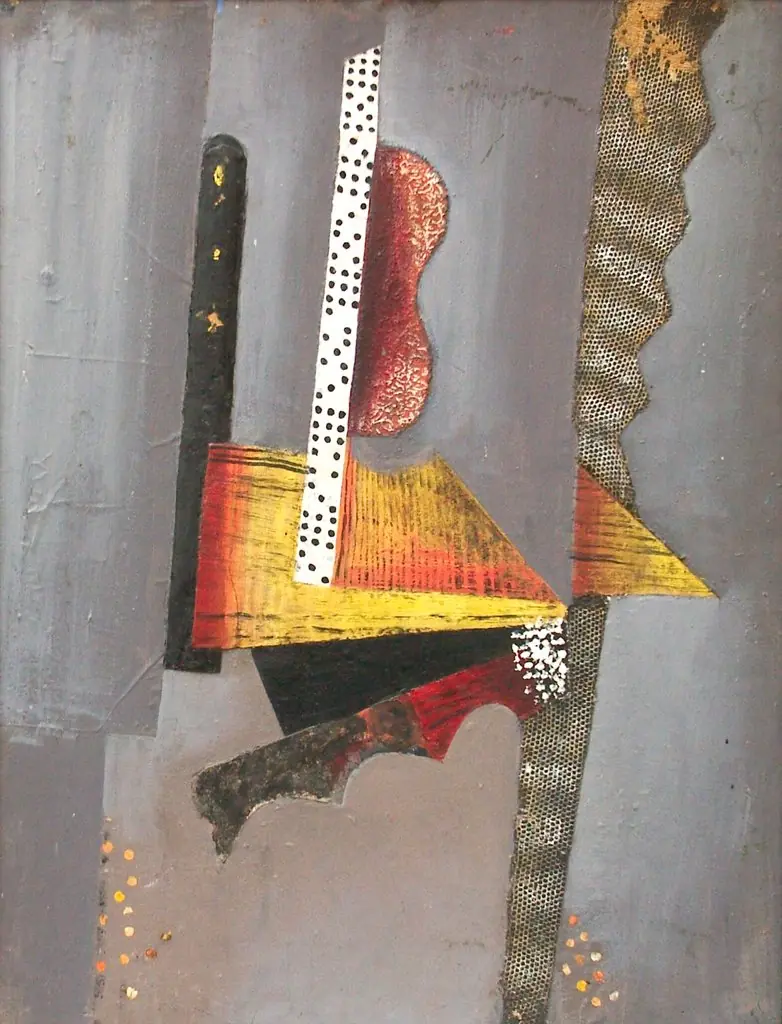
Created in 1922, this crayon drawing by Hannah Höch is a non-representational composition that departs from her better-known photomontages.
Created in 1922, this crayon drawing by Hannah Höch is a non-representational composition that departs from her better-known photomontages. Executed on paper with minimal color, it emphasizes texture and gesture over narrative clarity. The work reflects Höch’s broader interest in disrupting visual conventions, using the immediacy of crayon to explore form without reliance on photographic source material.
Subject & Meaning
The drawing resists clear interpretation, avoiding literal references to gender or identity despite Höch’s usual thematic focus. Instead, it suggests psychological or spatial disorientation through fragmented shapes and ambiguous contours. Its abstraction may signal skepticism toward fixed meanings, aligning with Dada’s rejection of rational order and traditional aesthetics.
Technique & Style
Crayon was applied with varying pressure, producing thick, scratchy marks alongside smoother, blended areas. Bold black and red lines intersect soft washes of pink, yellow, and blue, creating tension between structure and fluidity. The medium’s inherent opacity and lack of precision contribute to a sense of spontaneity, contrasting with the controlled precision of photomontage.
History & Provenance
This work dates from Höch’s active years in Berlin’s Dada circle, though it lacks the photocolloidal elements of her more documented pieces. Its survival suggests it was retained by the artist or a close associate, possibly as a study or private experiment. No public exhibition record from the 1920s is known, indicating it remained in private hands.
Context
While Höch’s photomontages responded directly to mass media imagery, this drawing engages with abstraction as a form of resistance. In postwar Germany, where societal norms were being renegotiated, such non-referential work offered an alternative to both traditional art and propagandistic visuals, reflecting Dada’s broader disillusionment with established systems.
Legacy
Though less studied than her collages, this drawing illustrates Höch’s willingness to experiment beyond her signature medium. It contributes to understanding her artistic range and the diversity of strategies employed by Dada women to challenge visual norms. Its rawness underscores the movement’s embrace of imperfection as a political and aesthetic stance.
Artist & collection
Artist
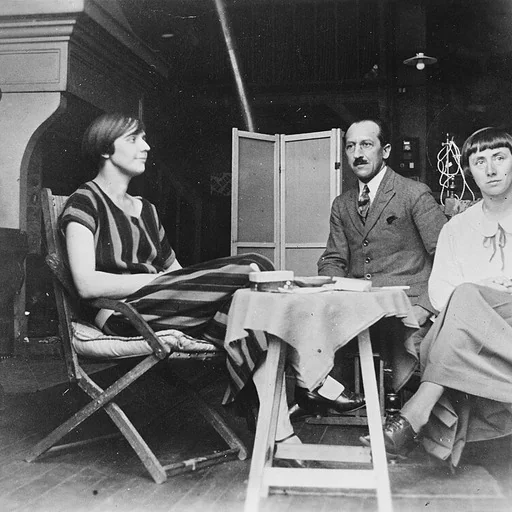
Hannah Höch (German: ; 1 November 1889 – 31 May 1978) was a German Dada artist. She is best known for her work of the Weimar period, when she was one of the originators of photomontage. Photomontage, or fotomontage, is…