Artwork
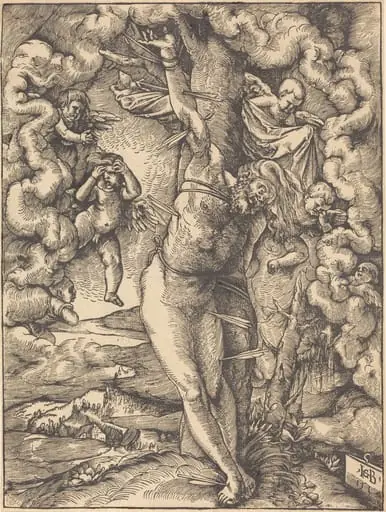
The Great St. Sebastian
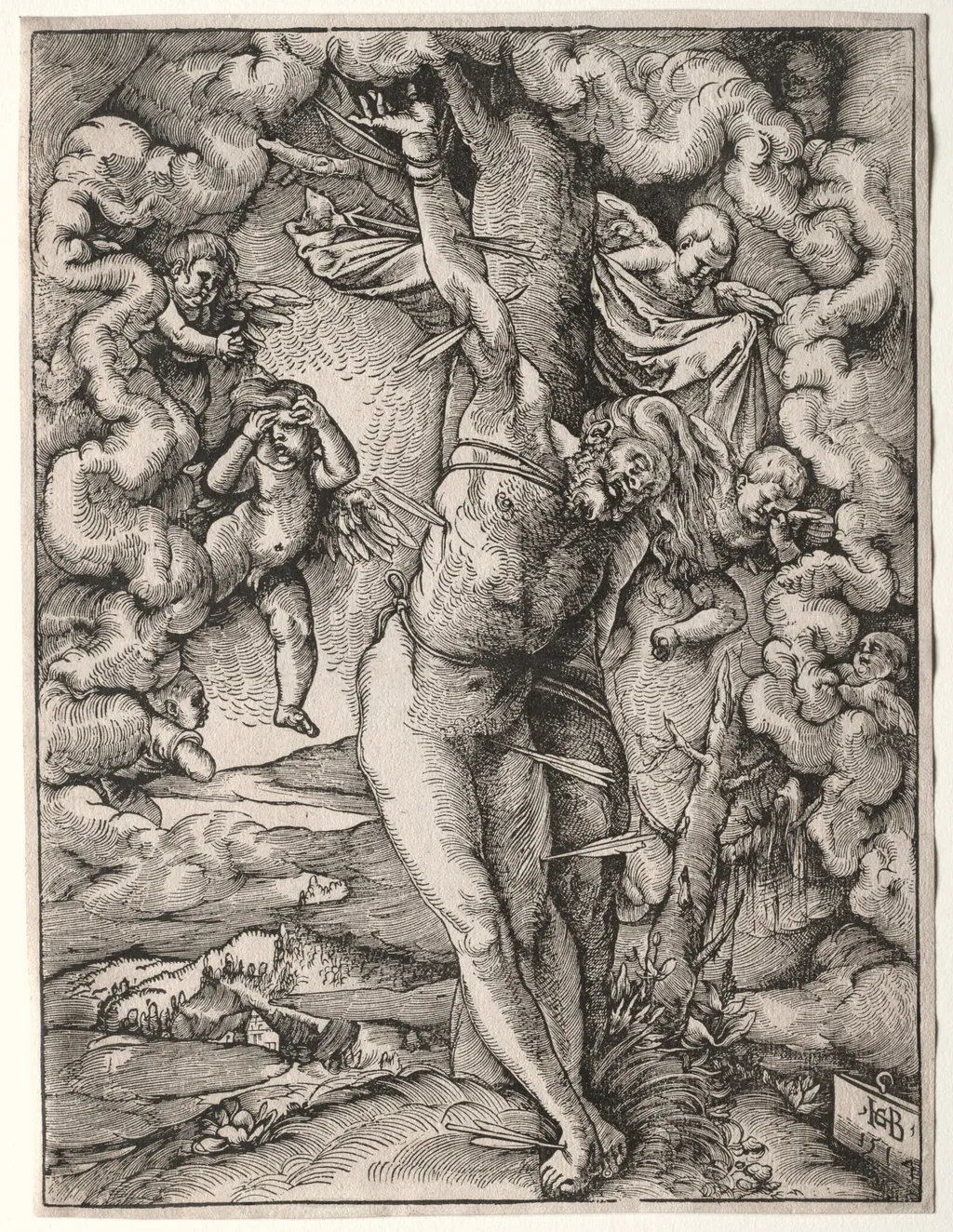
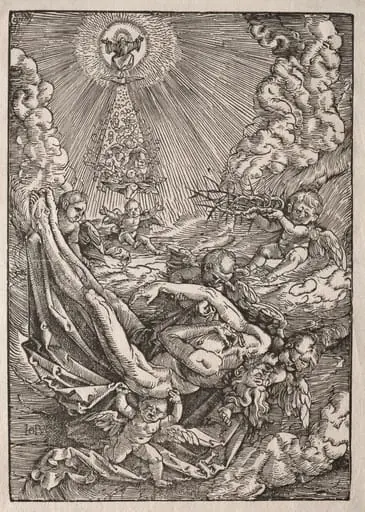
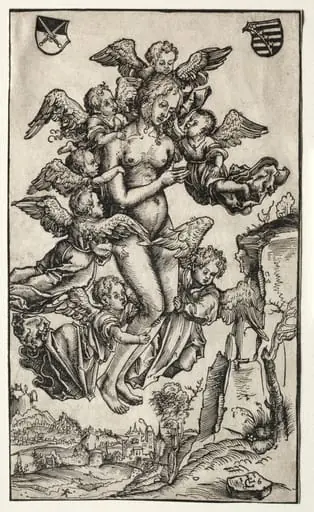
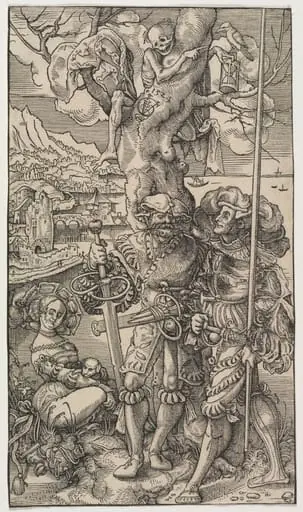
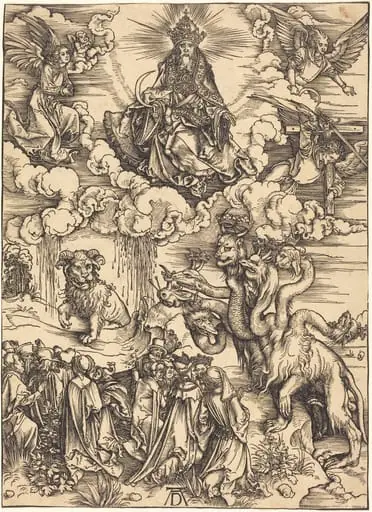
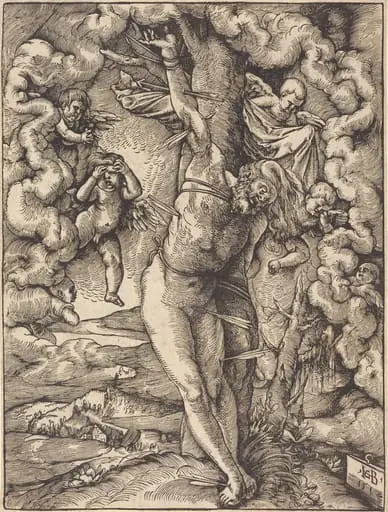
The Great St. Sebastian is a print by the Renaissance artist Hans Baldung Grien. It dates from 1514 and is held in the collection of the Cleveland Museum of Art. Created in 1514 by Hans Baldung, this print is one of his most ambitious graphic works.
About this work
Overview
Though often described as a painting in secondary sources, it is a monochrome woodcut executed with intricate line work.
Created in 1514 by Hans Baldung, this print is one of his most ambitious graphic works. Though often described as a painting in secondary sources, it is a monochrome woodcut executed with intricate line work. Baldung, trained under Albrecht Dürer, used the medium to explore religious themes with psychological intensity. The image is part of the Cleveland Museum of Art’s permanent collection, acquired in the early 20th century.
Subject & Meaning
The print portrays Saint Sebastian, a third-century Christian martyr traditionally depicted bound and pierced by arrows. Baldung emphasizes the saint’s physical vulnerability and spiritual endurance. Surrounding figures—winged, gesturing, and weeping—do not appear as angels but as embodied manifestations of anguish and devotion. Their chaotic movement around the tree suggests an emotional storm, reinforcing the tension between suffering and transcendence.
Technique & Style
Baldung employed fine, expressive lines to model form and movement, exploiting the woodcut’s capacity for contrast and texture. The muscular anatomy of Sebastian is rendered with precise, almost sculptural detail, while the background features agitated, swirling patterns in the clouds and terrain. The absence of color heightens the emotional gravity, focusing attention on gesture, posture, and the interplay of light and shadow through line alone.
History & Provenance
The print was produced during Baldung’s early career, shortly after his time in Dürer’s workshop. It circulated among collectors and religious institutions in southwestern Germany. The Cleveland Museum of Art acquired it in 1927 from a private collection in New York, where it had been held since the late 19th century. Its survival in good condition reflects its early recognition as a significant work of Northern Renaissance printmaking.
Context
In early 16th-century Germany, depictions of martyrdom were common in religious art, serving both devotional and didactic purposes. Baldung’s version diverges from conventional, serene portrayals by introducing psychological turbulence and naturalistic chaos. The inclusion of non-biblical figures reflects a growing interest in emotional expression, aligning with emerging Mannerist tendencies that prioritized inner experience over idealized form.
Legacy
Baldung’s *The Great St. Sebastian* influenced later Northern artists who sought to convey spiritual intensity through dynamic composition and expressive distortion. While not widely reproduced in its time, its rarity and emotional force have ensured its place in scholarly studies of Renaissance printmaking. It remains a key example of how religious iconography was reimagined through individual artistic vision in the early Reformation era.
Artist & collection
Artist
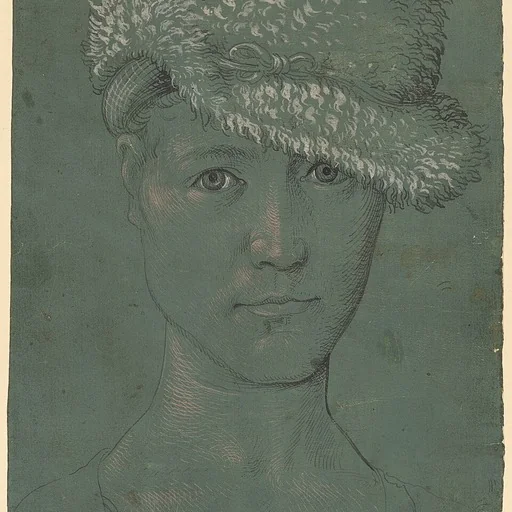
Hans Baldung (1484 or 1485 – September 1545), called Hans Baldung Grien, (being an early nickname, because of his predilection for the colour green), was a painter, printer, engraver, draftsman, and stained glass…