Artwork
The Seven Virtues: Courage
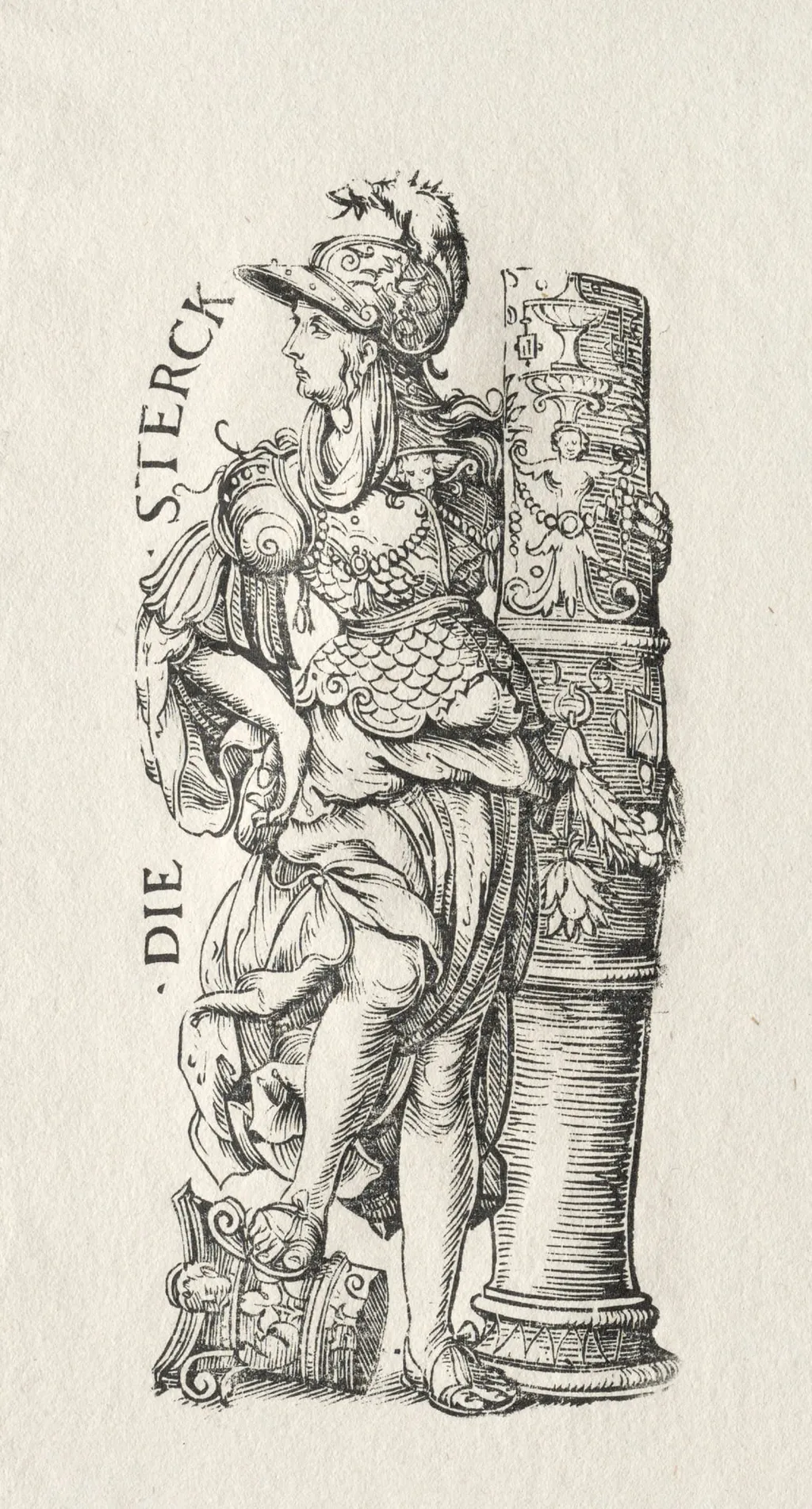
The Seven Virtues: Courage is a print by the Renaissance artist Hans Burgkmair the Elder. It dates from 1510 and is held in the collection of the Cleveland Museum of Art. Created in 1510 by Hans Burgkmair, this woodcut is one of seven panels illustrating the cardinal virtues.
About this work
Overview
Created in 1510 by Hans Burgkmair, this woodcut is one of seven panels illustrating the cardinal virtues. It was produced during the early German Renaissance and reflects the period’s interest in moral allegory and classical ideals. The work is part of the collection at The Cleveland Museum of Art, where it is preserved as an example of Northern European printmaking at its most refined.
Subject & Meaning
The figure represents Courage, depicted as a armored warrior standing beside a column adorned with sculpted reliefs and crowned by a small statuette.
The figure represents Courage, depicted as a armored warrior standing beside a column adorned with sculpted reliefs and crowned by a small statuette. The sword in hand and the helmet with its plume suggest martial readiness, while the column implies stability and moral fortitude. The imagery draws on classical and Christian traditions, merging physical bravery with ethical resolve as a foundational virtue.
Technique & Style
Burgkmair employed woodcut technique with precise, bold lines to define form and texture. The contrast between the dark, intricate contours of the figure and the pale, unmodulated background enhances the sculptural presence of the subject. Details in armor, drapery, and column carvings reveal a mastery of linear clarity, characteristic of German Renaissance printmaking and influenced by Italian compositional principles.
History & Provenance
The print was made as part of a series commissioned to illustrate moral virtues, likely for private or civic use. It entered The Cleveland Museum of Art’s collection in the 20th century, having passed through several European private holdings since its creation. Its survival in good condition reflects its value as both artistic and didactic object in early modern collections.
Context
Produced during a time of religious and intellectual upheaval, the series of virtues responded to humanist ideals circulating in German-speaking regions. Burgkmair’s work aligns with broader efforts to visualize moral philosophy through accessible imagery, bridging medieval allegory and Renaissance naturalism. The use of print allowed wider dissemination, reinforcing ethical norms among literate urban audiences.
Legacy
Burgkmair’s series influenced later Northern European artists in their treatment of allegorical subjects. The clarity of form and integration of classical motifs set a standard for moral iconography in print. Though not widely reproduced today, the work remains a key reference in studies of Renaissance ethics and the role of print in shaping public virtue.
Artist & collection
Artist
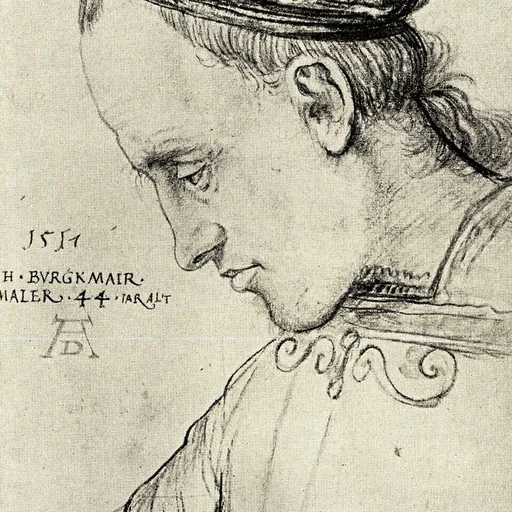
Hans Burgkmair the Elder (1473–1531) was a German artist, born in Augsburg.

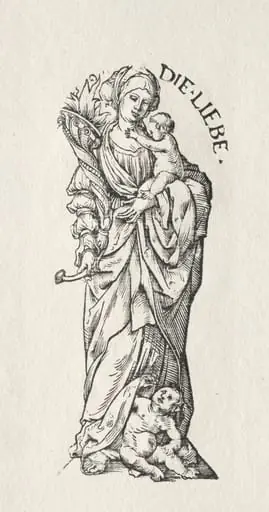 The Seven Virtues: Love
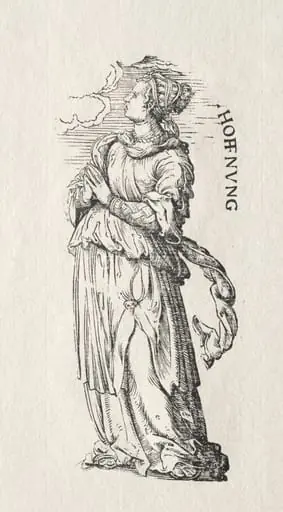 The Seven Virtues: Hope
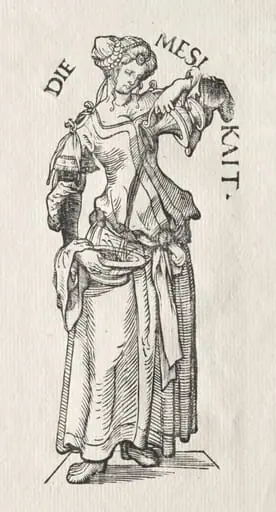 The Seven Virtues: Temperance
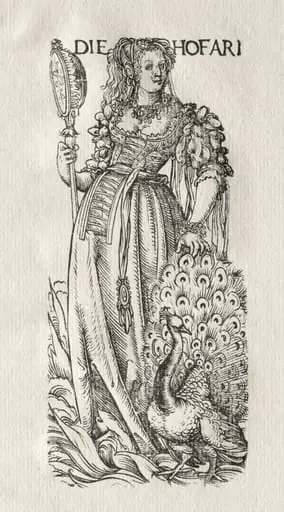 The Seven Vices: Pride
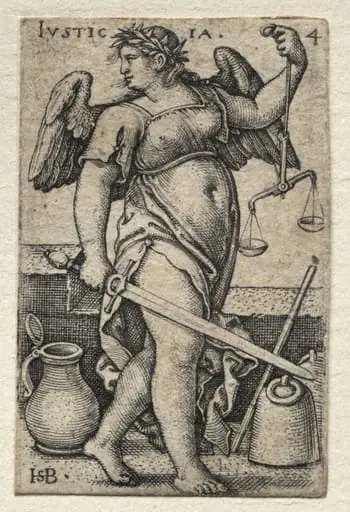 The Knowledge of God and the Seven Cardinal Virtues: Justice - Justicia
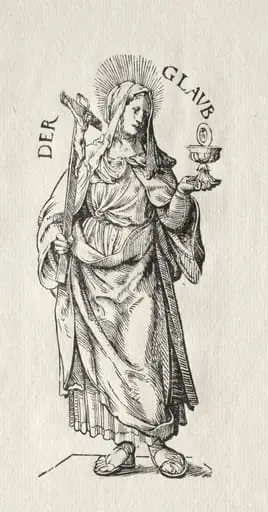 The Seven Virtues: Faith
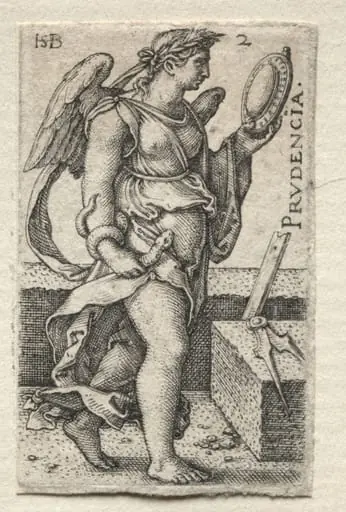 The Knowledge of God and the Seven Cardinal Virtues: Prudence - Prudencia
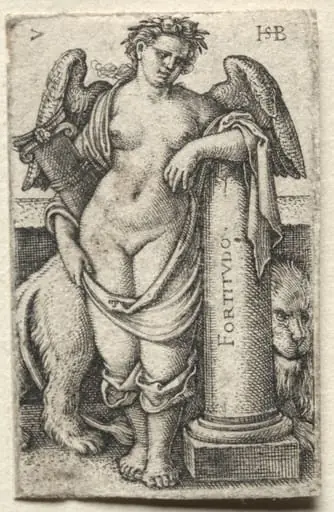 The Knowledge of God and the Seven Cardinal Virtues: Fortitude - Fortitudo