Artwork
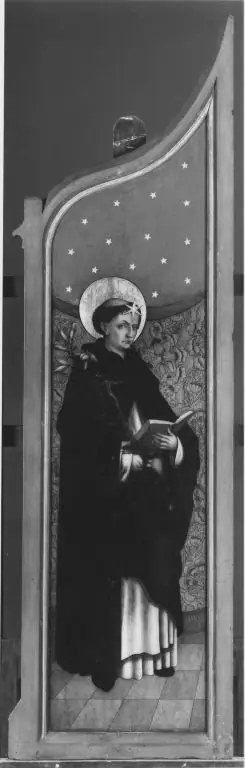
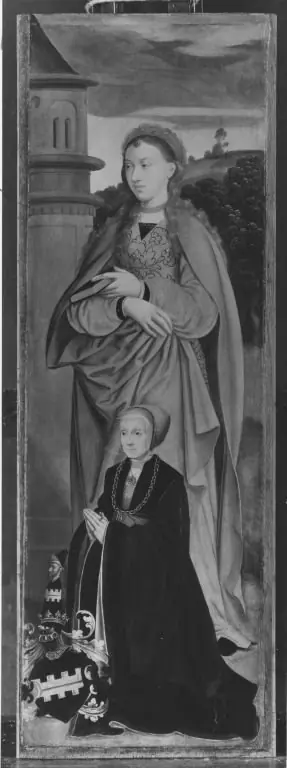
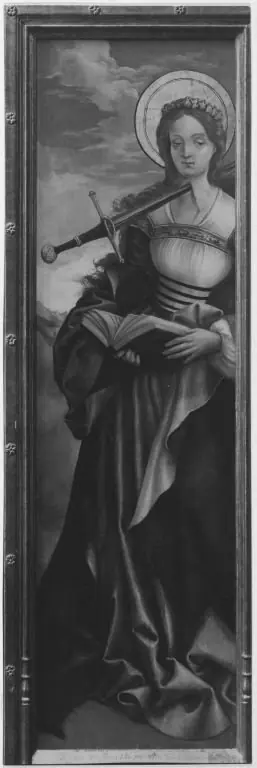
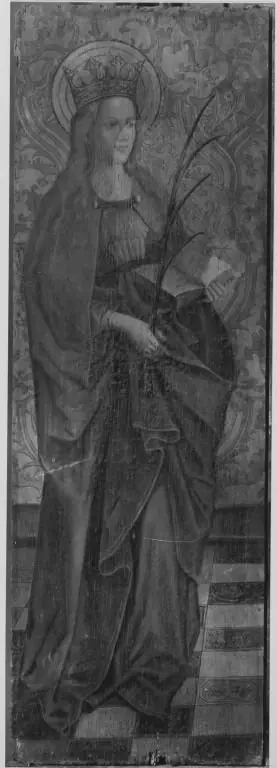
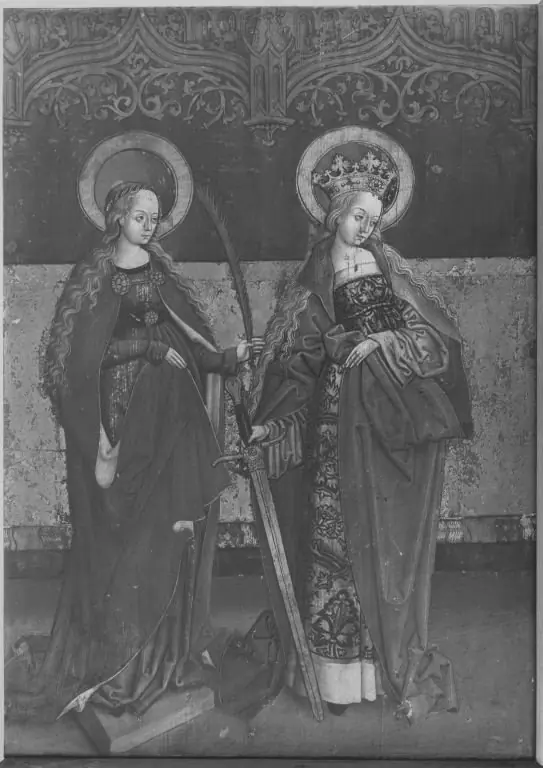
Altarflügel: Hl. Katharina (?)
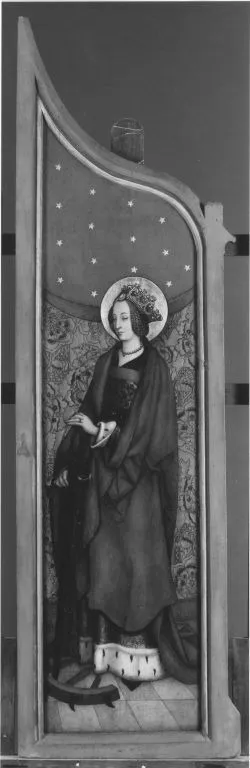
Altarflügel: Hl. Katharina (?) is an unspecified painting by the Northern Renaissance artist Hans Burgkmair the Elder. It dates from 1520 and is held in the collection of the Bavarian State Painting Collections.
About this work
Overview
Created in 1520 by Hans Burgkmair the Elder, this panel painting was originally part of a devotional altarpiece. It portrays a female saint, likely Catherine of Alexandria, rendered in tempera and oil on wood. The work is now housed in the Alte Pinakothek in Munich, where it remains as a representative example of early 16th-century German religious art.
Subject & Meaning
The figure is identified by her halo and the book she holds, attributes traditionally associated with Saint Catherine of Alexandria, a learned martyr.
The figure is identified by her halo and the book she holds, attributes traditionally associated with Saint Catherine of Alexandria, a learned martyr. The book symbolizes her intellectual devotion and theological authority, while her solemn posture and modest attire reflect monastic piety. Though the identification is not absolute, the iconography aligns with late medieval hagiographic conventions common in South German altarpieces.
Technique & Style
Burgkmair employed tempera and oil on a wooden panel, achieving fine detail in the folds of the garment and the texture of the background wall. The composition is frontal and static, emphasizing the saint’s presence over narrative action. The patterned architectural backdrop, rendered with precise linear detail, reflects Burgkmair’s interest in spatial structure and Northern Renaissance realism.
History & Provenance
The painting was likely commissioned for a private chapel or monastic altar in southern Germany, possibly Augsburg, where Burgkmair worked. It entered the Bavarian royal collection in the 19th century and was later transferred to the Alte Pinakothek. Its survival in relatively intact condition suggests it was preserved as a devotional object rather than a display piece.
Context
Produced during the early Reformation, the painting reflects enduring Catholic devotional practices despite growing Protestant critiques of saint veneration. Burgkmair, though influenced by Italian Renaissance forms, maintained a distinctly Germanic approach to religious imagery, blending local traditions with emerging naturalism in figure and setting.
Legacy
This work exemplifies the transition in German religious art between late Gothic conventions and early Renaissance humanism. While not widely reproduced, it remains a key reference for understanding Burgkmair’s contribution to altarpiece design and the persistence of saintly iconography in Protestant regions during a time of religious upheaval.
Artist & collection
Artist
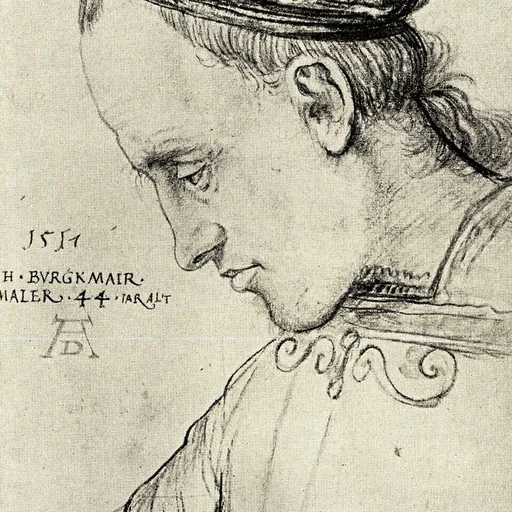
Hans Burgkmair the Elder (1473–1531) was a German artist, born in Augsburg.