Artwork
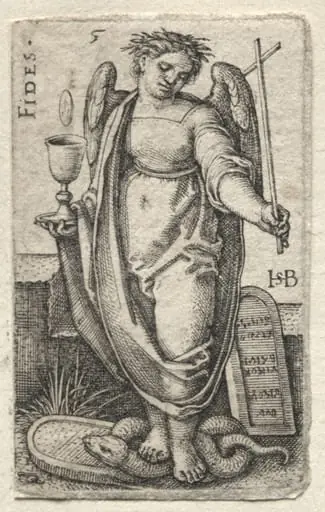
The Seven Virtues: Faith
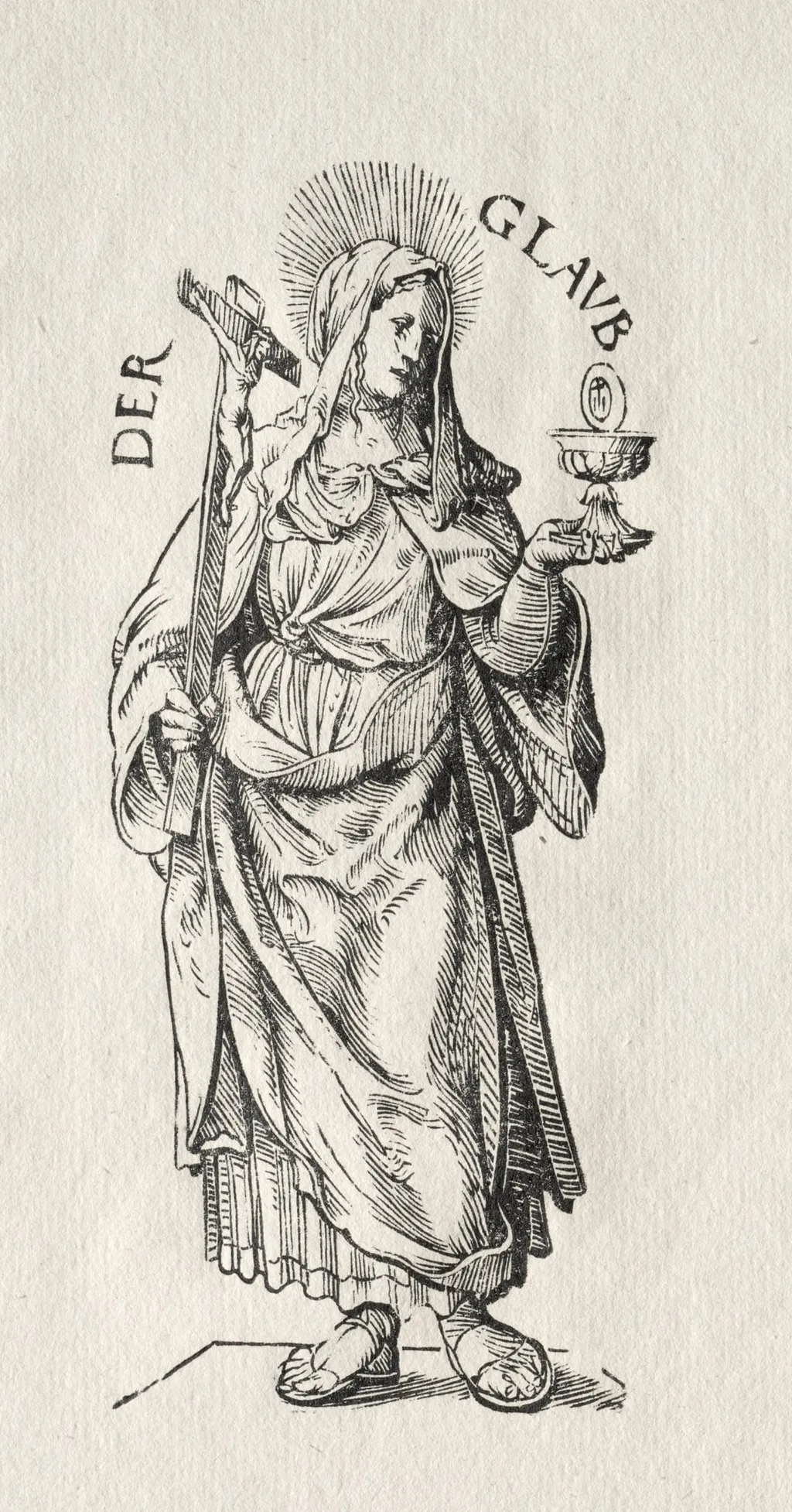
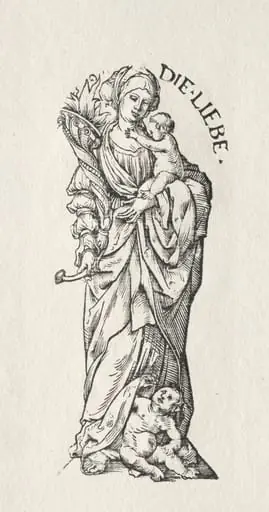
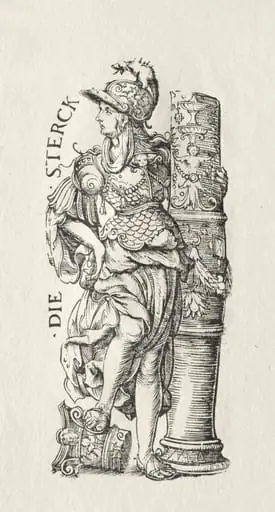
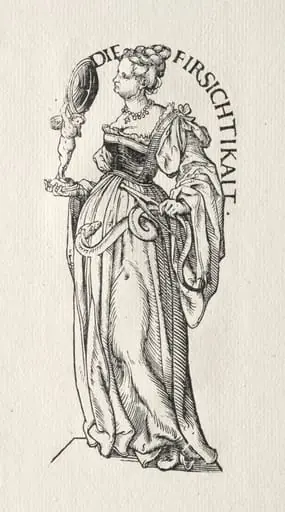
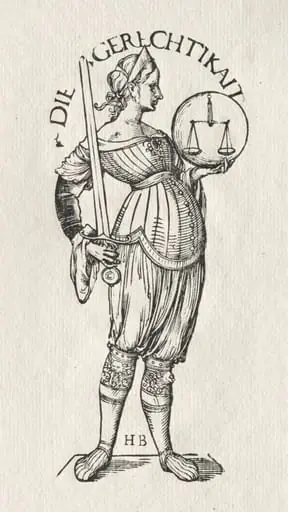
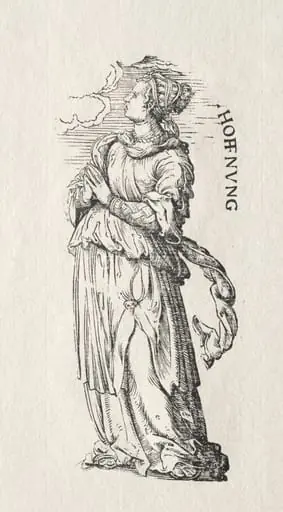
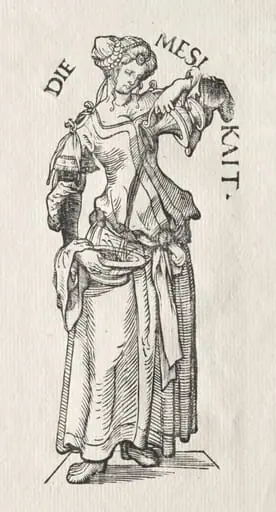
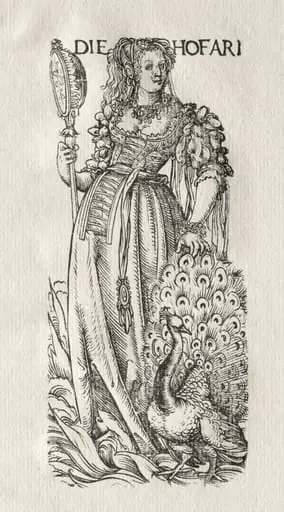
The Seven Virtues: Faith is a print by the Renaissance artist Hans Burgkmair the Elder. It dates from 1510 and is held in the collection of the Cleveland Museum of Art. Created in 1510 by the German artist Hans Burgkmair, this print is one of seven panels illustrating the theological virtues.
About this work
This painting is interesting because it's part of a series depicting virtues.
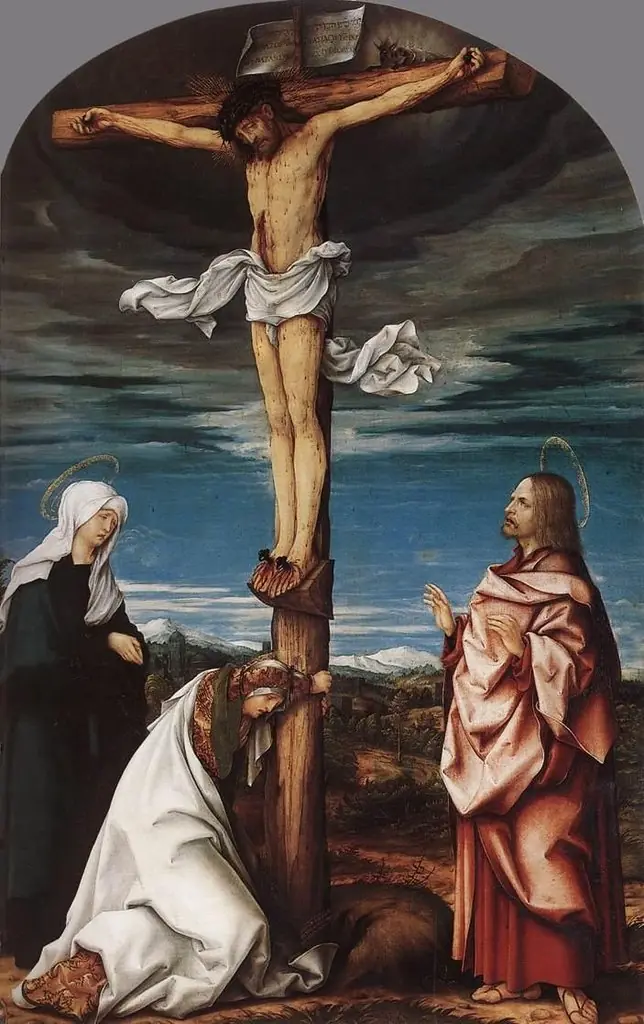
The painting shows a woman holding a cross, symbolizing faith.
She's dressed in simple clothes and has a calm face.
The artist used simple lines and colors to convey a sense of peace.
This painting is interesting because it's part of a series depicting virtues.
The series shows how the artist viewed important values in his time.
You can learn more about this style by looking at the work of artist: Hans Burgkmair (German, 1473–1531)
Overview
Created in 1510 by the German artist Hans Burgkmair, this print is one of seven panels illustrating the theological virtues. Rendered in woodcut, it was produced during a period when printed imagery was becoming a key medium for moral instruction. The work is part of a cohesive series now held at The Cleveland Museum of Art, reflecting the intersection of religious pedagogy and emerging print culture in early 16th-century Germany.
Subject & Meaning
The figure represents Faith, depicted as a serene woman holding a cross, her posture and expression conveying quiet conviction. Dressed in modest garments, she embodies spiritual steadfastness rather than grandeur. The absence of ornate detail directs focus to the symbol of the cross, emphasizing inner conviction over external display. This visual language aligns with contemporary devotional ideals that valued humility and personal piety.
Technique & Style
Burgkmair employed the woodcut technique with clean, deliberate lines and restrained tonal contrasts. The composition avoids elaborate backgrounds, using flat planes and minimal shading to enhance clarity. This stylistic choice prioritizes legibility and symbolic resonance over naturalism, characteristic of Northern Renaissance prints intended for widespread distribution and contemplative viewing.
History & Provenance
The print was produced in Augsburg, a center of artistic and commercial printing, during Burgkmair’s most active period. It likely circulated among religious households and civic institutions as part of a moralizing set. The Cleveland Museum of Art acquired the work in the 20th century, preserving it as a representative example of early German printmaking and its role in shaping public religious imagery.
Context
In the decades before the Reformation, visual series of virtues and vices were common tools for catechesis. Burgkmair’s series responded to a demand for accessible religious imagery that reinforced orthodox values. His engagement with humanist ideals and print technology positioned him as a bridge between medieval iconography and the emerging Protestant emphasis on personal moral responsibility.
Legacy
Burgkmair’s Seven Virtues series influenced later Northern artists who adapted similar didactic formats. The clarity and restraint of his woodcuts set a standard for devotional prints, demonstrating how simple forms could convey complex theological concepts. Though not widely known today, the series remains a significant artifact of pre-Reformation visual culture in Central Europe.
Artist & collection
Artist
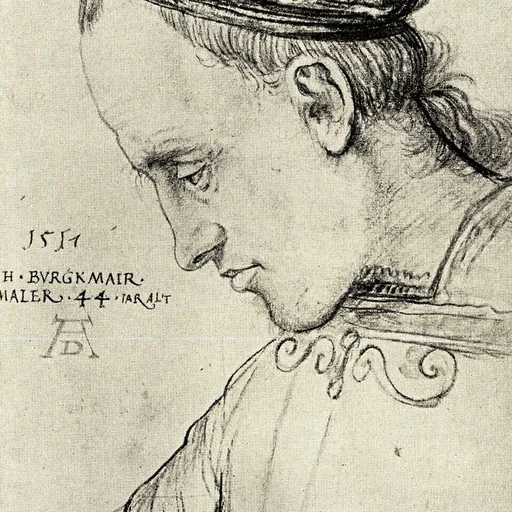
Hans Burgkmair the Elder (1473–1531) was a German artist, born in Augsburg.