Artwork
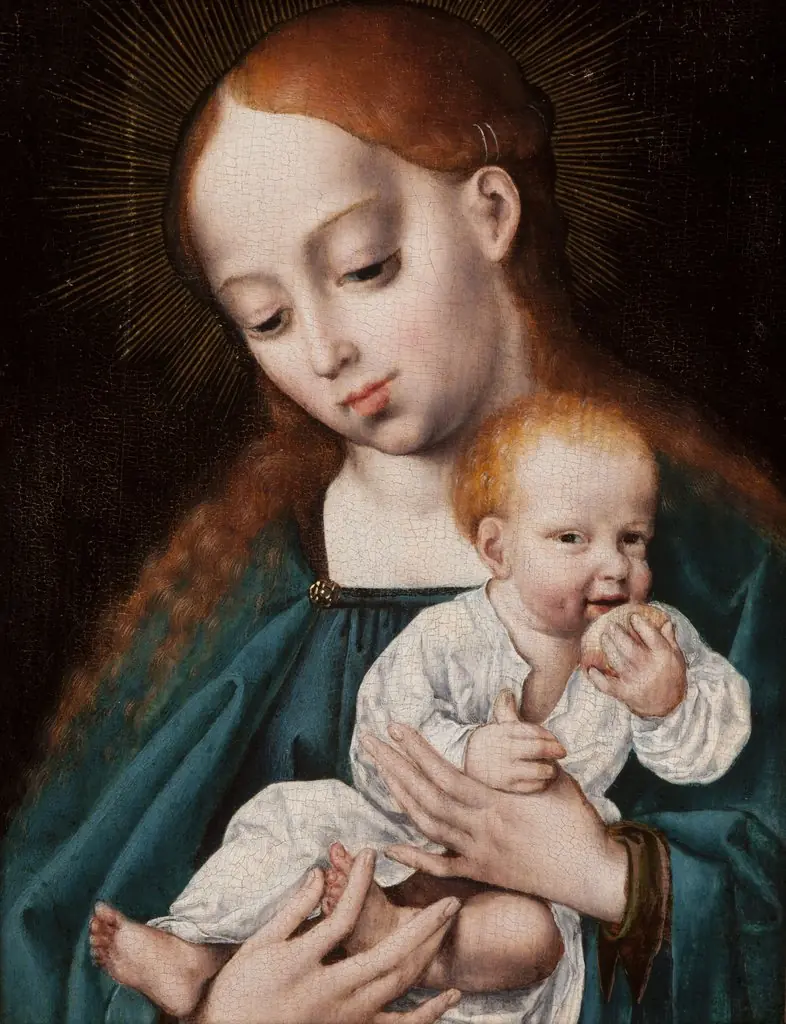
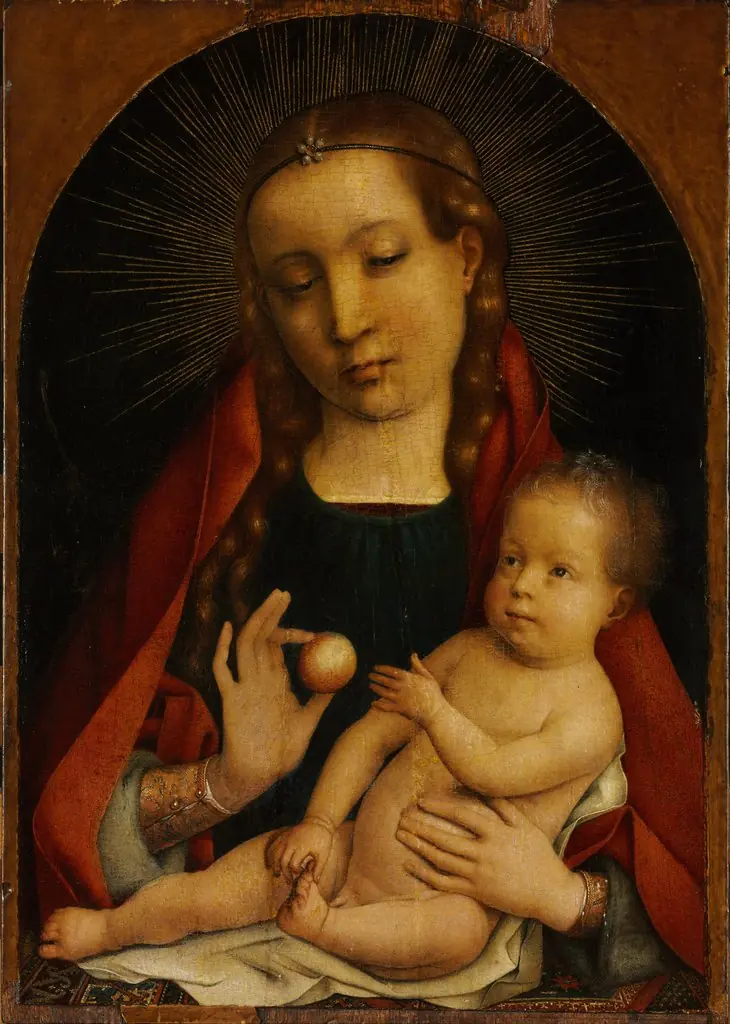
Maria, dem Kind einen Granatapfel reichend
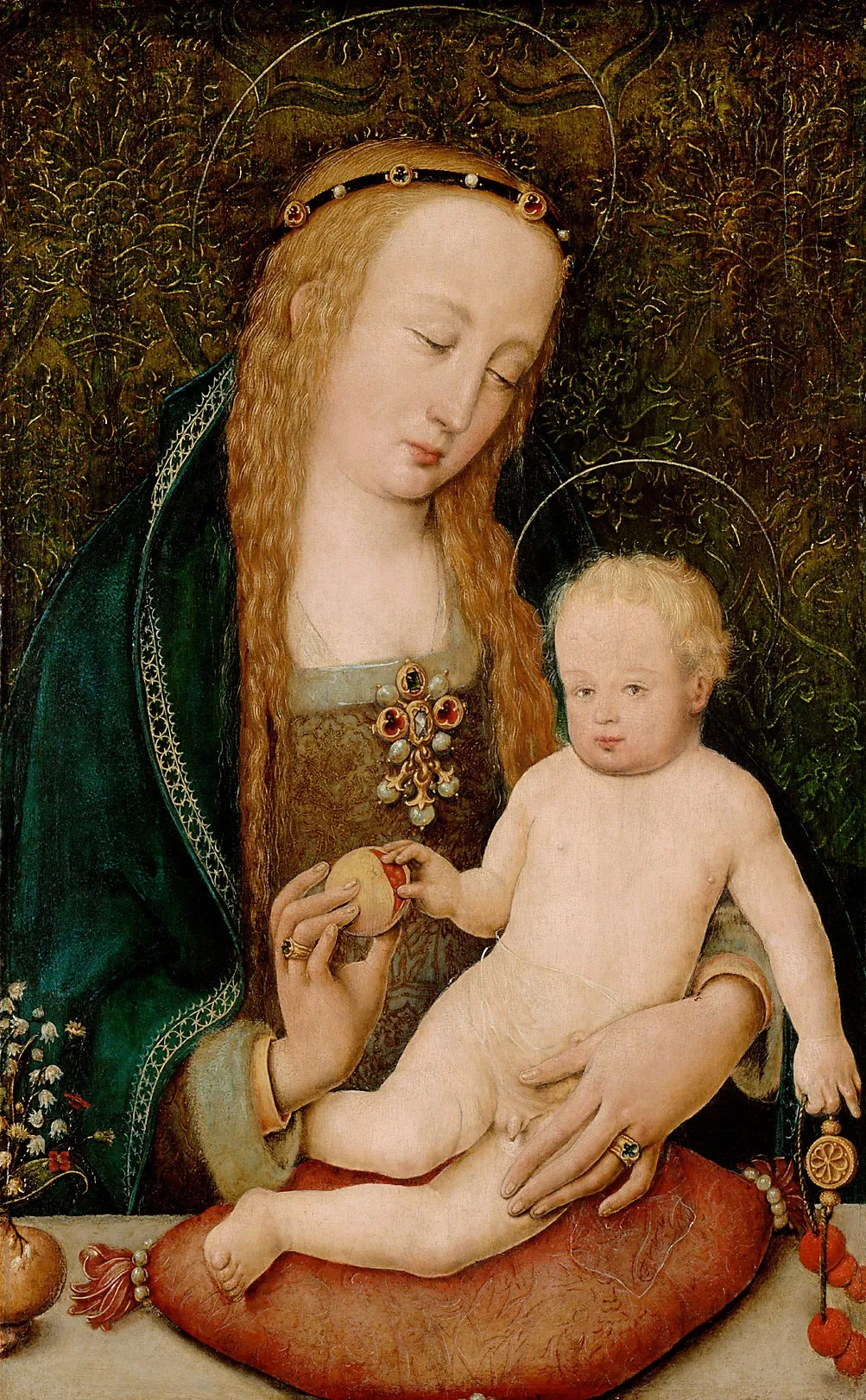
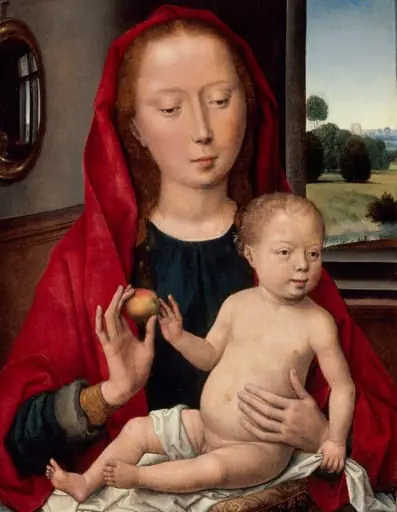
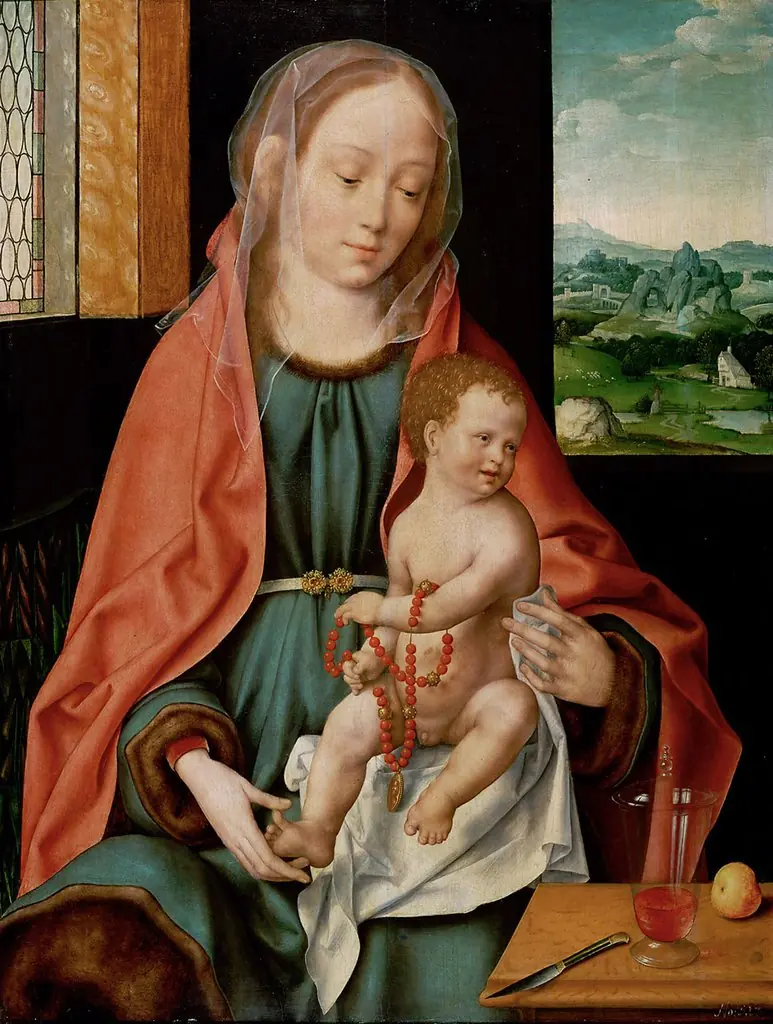
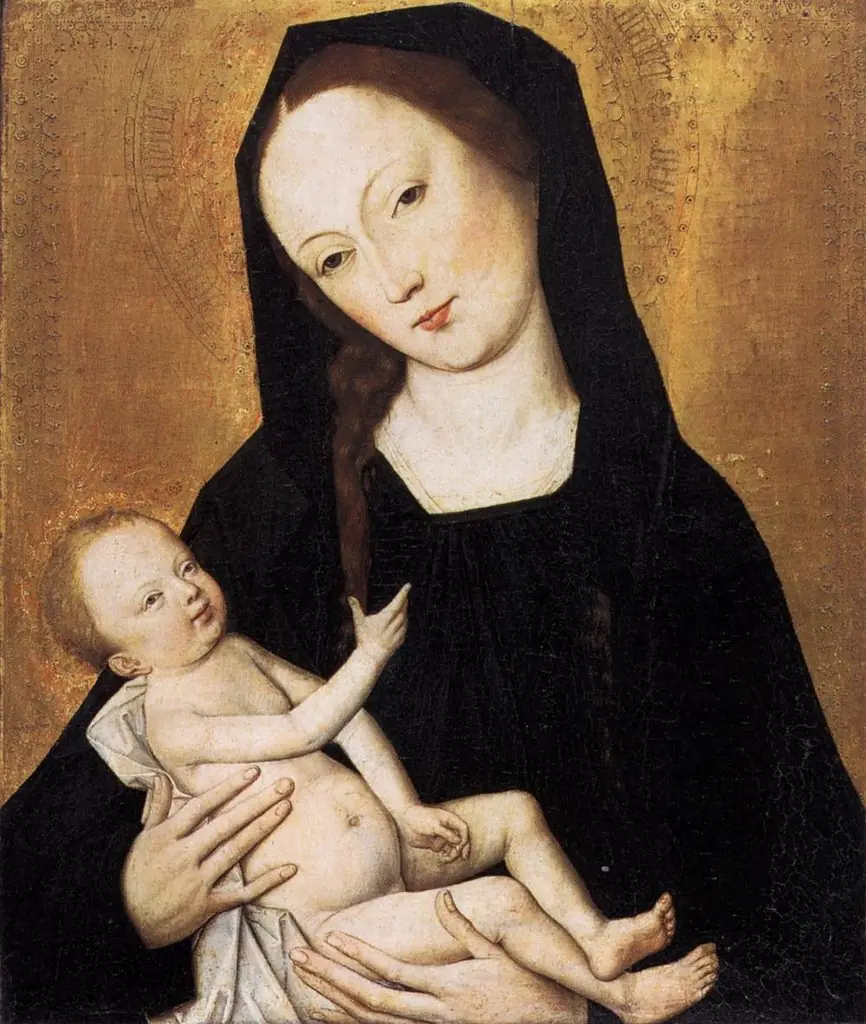
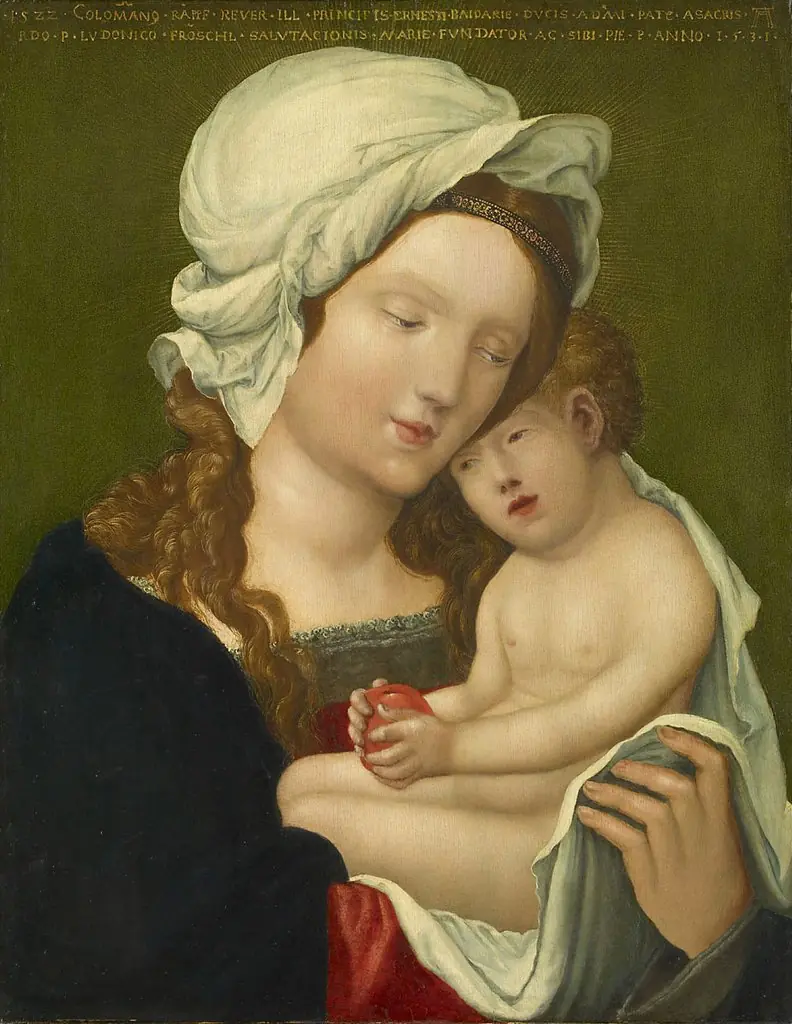
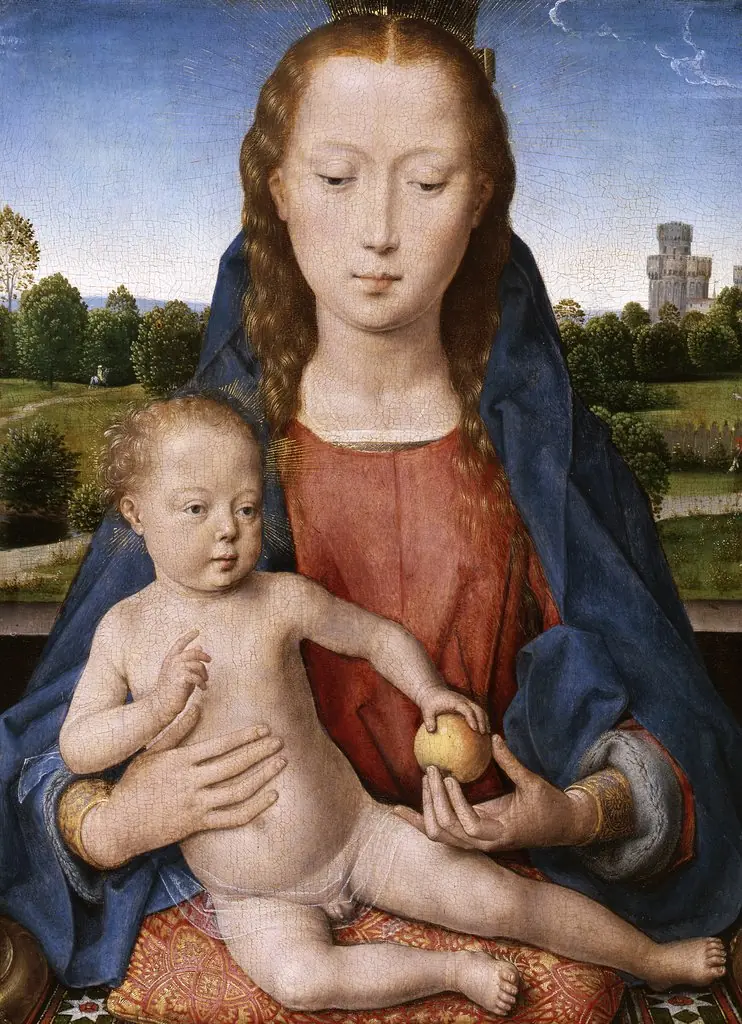
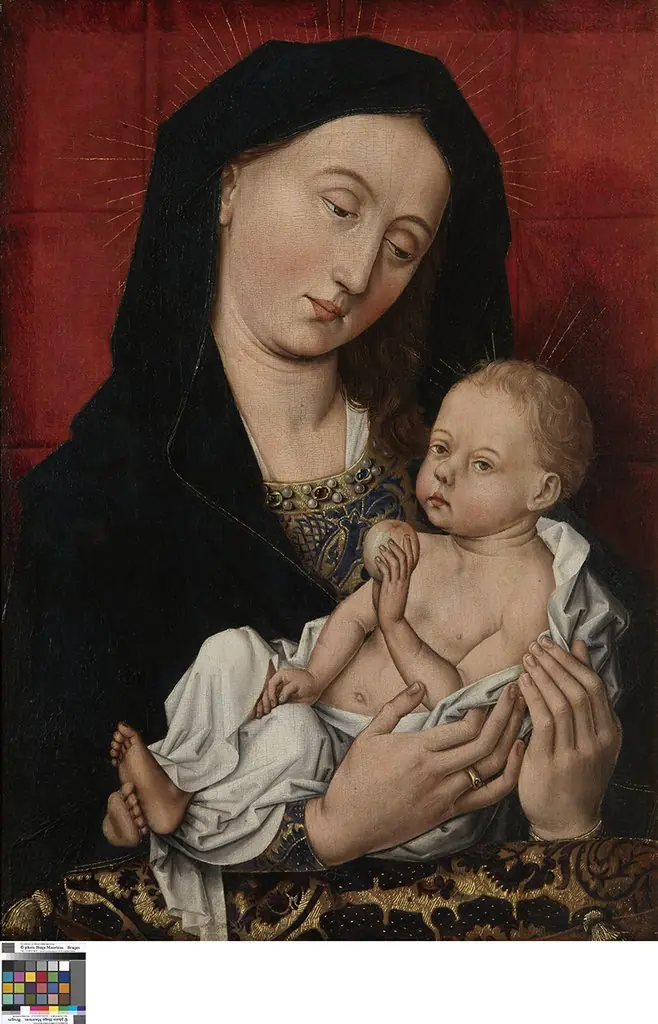
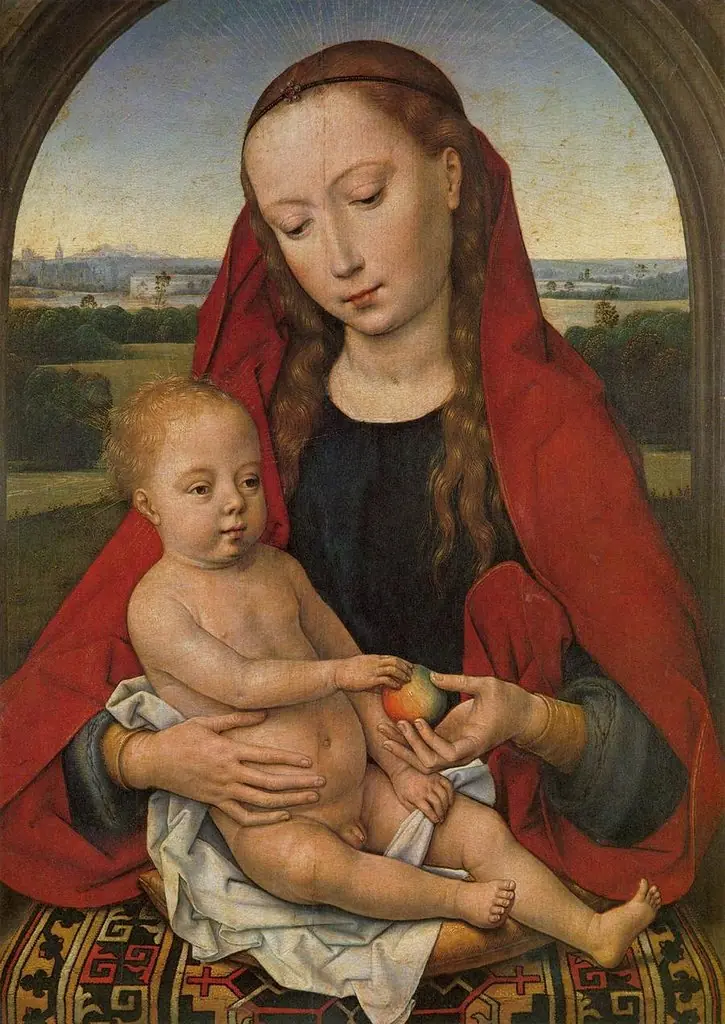
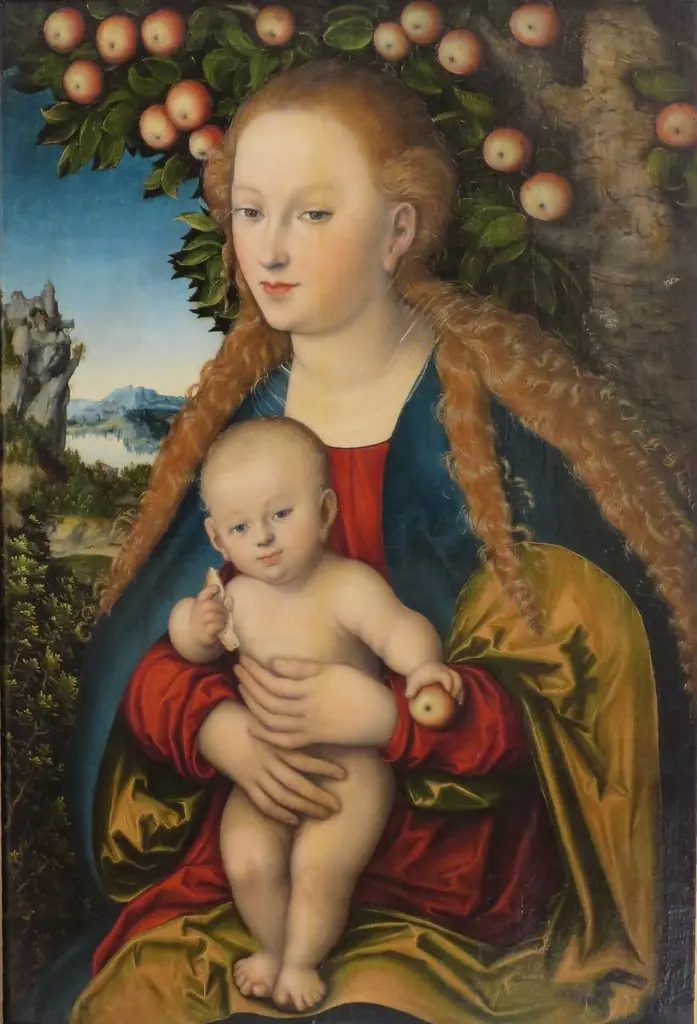
Maria, dem Kind einen Granatapfel reichend is an unspecified painting by the Northern Renaissance artist Hans Holbein the Elder. It dates from 1511 and is held in the collection of the Kunsthistorisches Museum.
About this work
Overview
Painted in 1511 by Hans Holbein the Elder, this work belongs to the Northern Renaissance tradition of devotional imagery.
Painted in 1511 by Hans Holbein the Elder, this work belongs to the Northern Renaissance tradition of devotional imagery. It portrays the Virgin Mary presenting a pomegranate to the infant Jesus, a gesture rich in symbolic meaning. Executed in oil on panel, the painting reflects Holbein’s meticulous attention to detail and his role as a key figure in early 16th-century German religious art. The piece is now part of the Kunsthistorisches Museum’s permanent collection in Vienna.
Subject & Meaning
The Virgin Mary, depicted with calm dignity, offers a pomegranate to the Christ Child, a fruit traditionally associated with resurrection and eternal life in Christian iconography. The gesture suggests both maternal tenderness and theological significance, linking the Child’s future sacrifice to the promise of redemption. The absence of halos or overt celestial elements grounds the scene in intimate, human terms, emphasizing emotional connection over grandeur.
Technique & Style
Holbein renders the figures with precise brushwork, capturing the texture of fabric, skin, and hair with quiet realism. Mary’s green robe and black jeweled headband are rendered in rich, layered pigments, while the dark, patterned background—hinting at foliage—creates depth without distraction. The child’s bare skin is modeled with subtle gradations of light, enhancing tactile presence. The composition is tightly focused, directing attention to the exchange between mother and child.
History & Provenance
Created during Holbein’s mature period in southern Germany, the painting entered the Habsburg collections before being transferred to the Kunsthistorisches Museum. Its survival through centuries of religious upheaval and political change reflects its enduring value as a devotional object. No significant alterations or restorations are documented, preserving its original condition and visual integrity.
Context
This work emerged amid a flourishing of private devotion in late medieval and early Renaissance Germany, where images of the Virgin and Child were central to domestic piety. Holbein’s style, influenced by both Netherlandish naturalism and local traditions, avoided theatricality in favor of quiet solemnity. His role as a father to two prominent artists underscores his influence within a dynasty of painters shaping German art.
Legacy
Though less widely known than his son’s portraits, Holbein the Elder’s religious works like this one contributed to the evolution of intimate, psychologically nuanced sacred imagery in Northern Europe. The painting exemplifies a shift from symbolic rigidity toward humanized religious narratives, influencing later generations of artists who sought emotional authenticity in devotional subjects.
Artist & collection
Artist
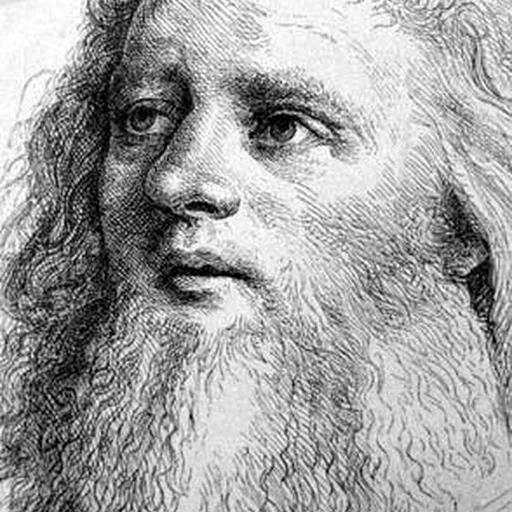
Hans Holbein the Elder (c. 1460/65 – 1524) was a German painter of the early German Renaissance. He was the father of painters Ambrosius and Hans the Younger.

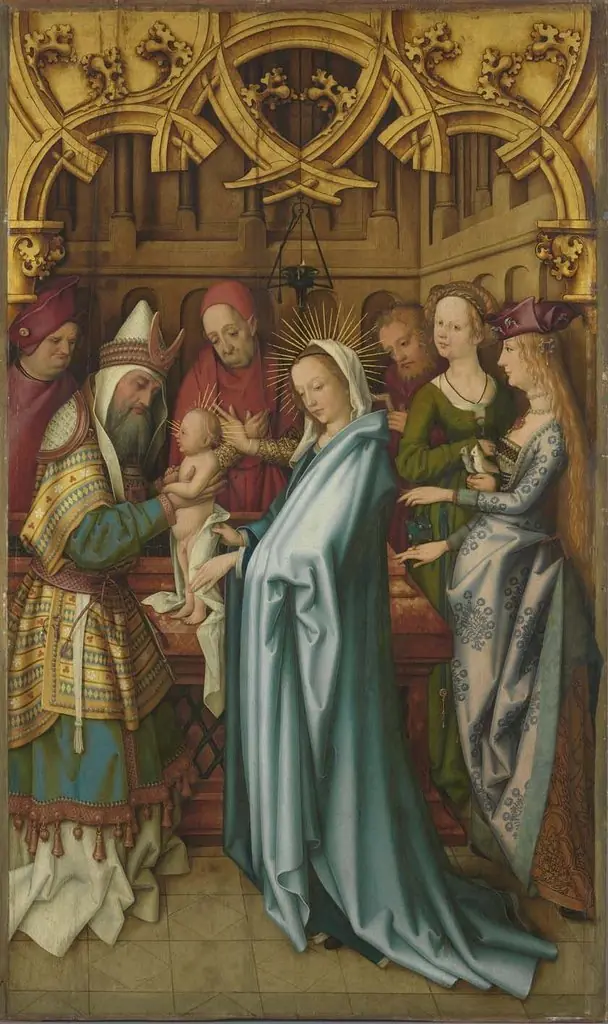 Kaisheimer Altar: Darbringung im Tempel
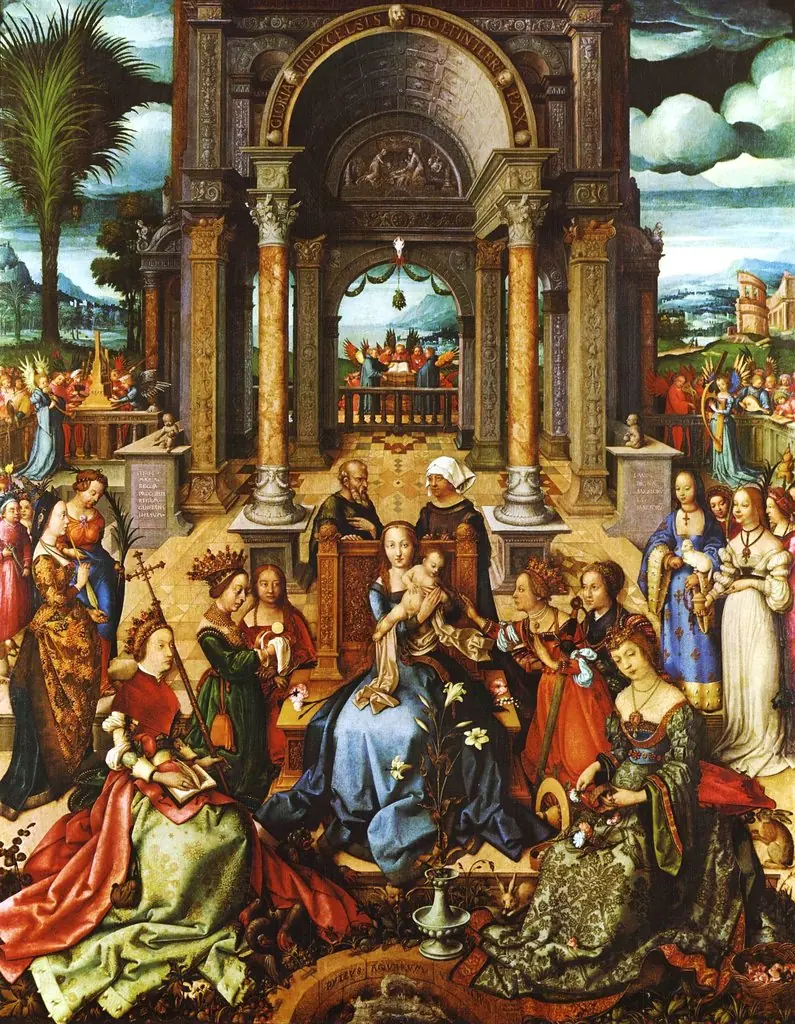 Virgin with Child by Hans Holbein the Elder, Museu Nacional de Arte Antiga
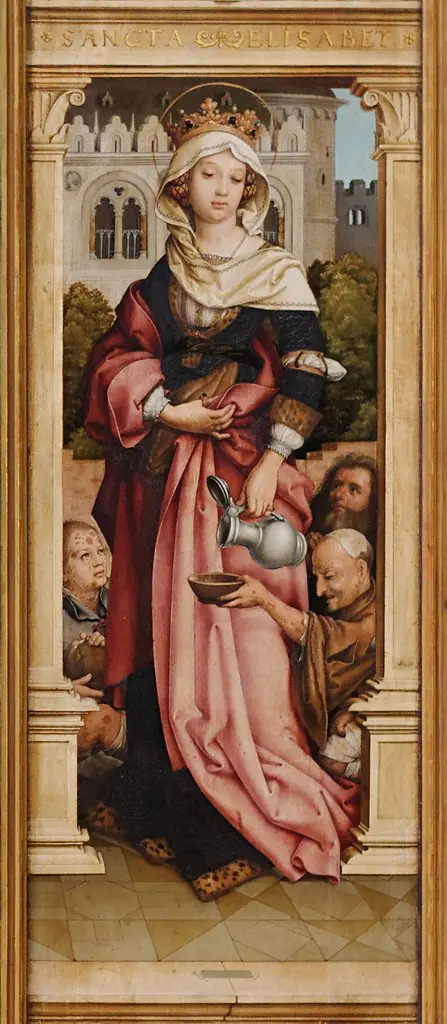 St. Sebastian Altar: St. Elizabeth of Hungary
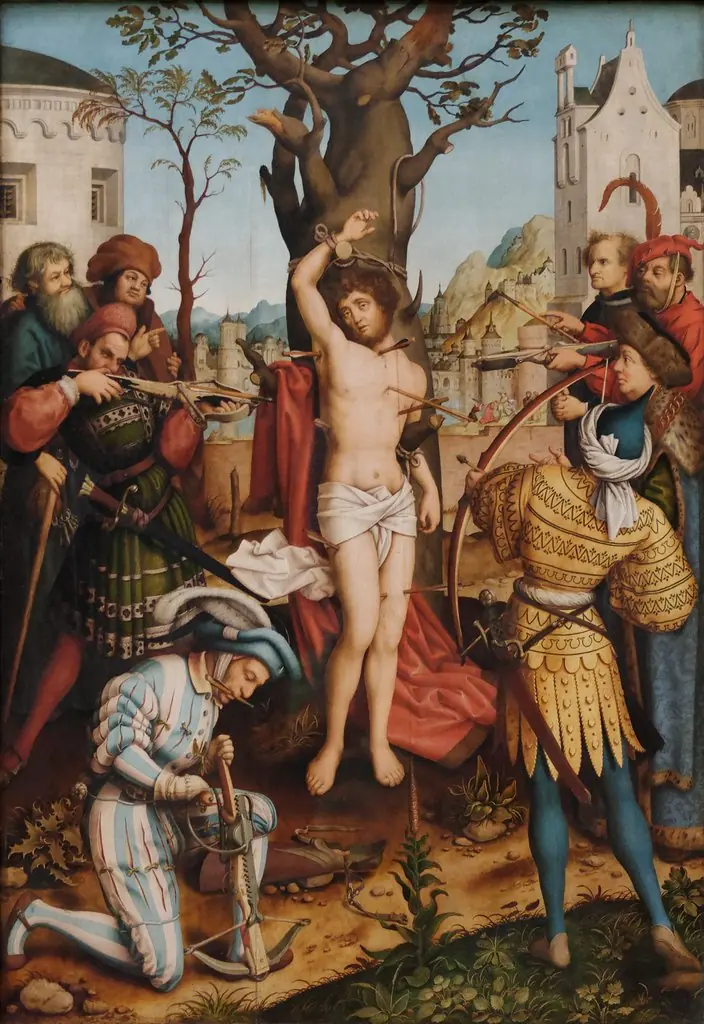 St. Sebastian Altar: The Martyrdom of St. Sebastian
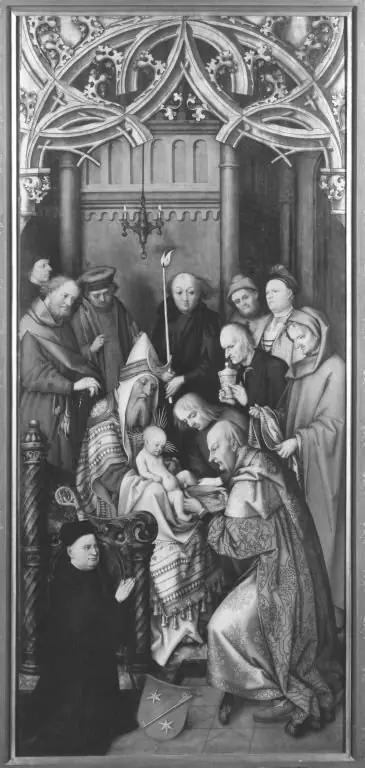 Kaisheimer Altar: Beschneidung Christi
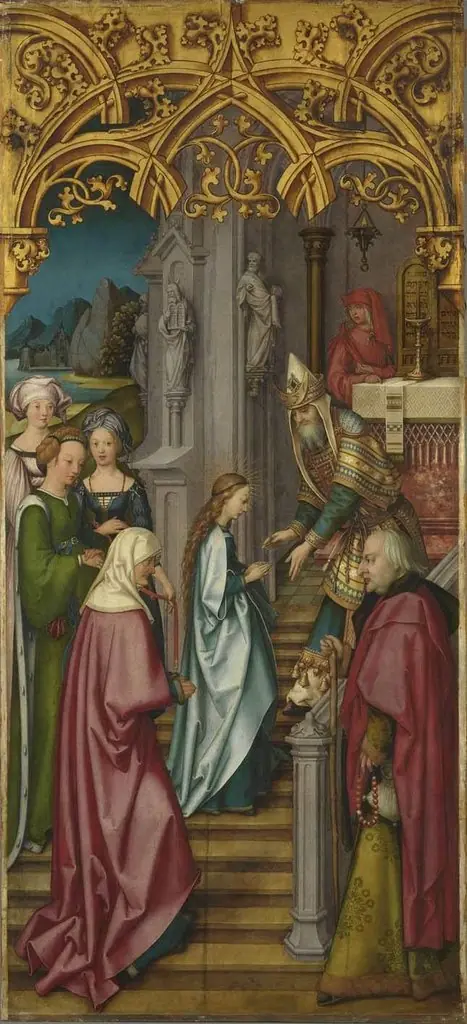 Kaisheimer Altar: Tempelgang Mariens
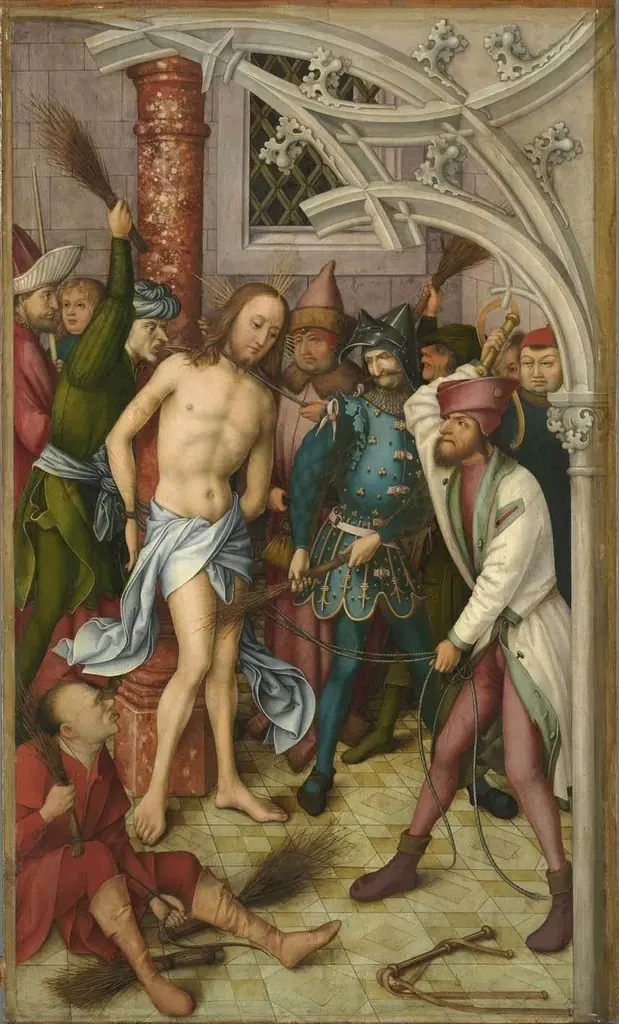 Kaisheimer Altar: Geißelung Christi
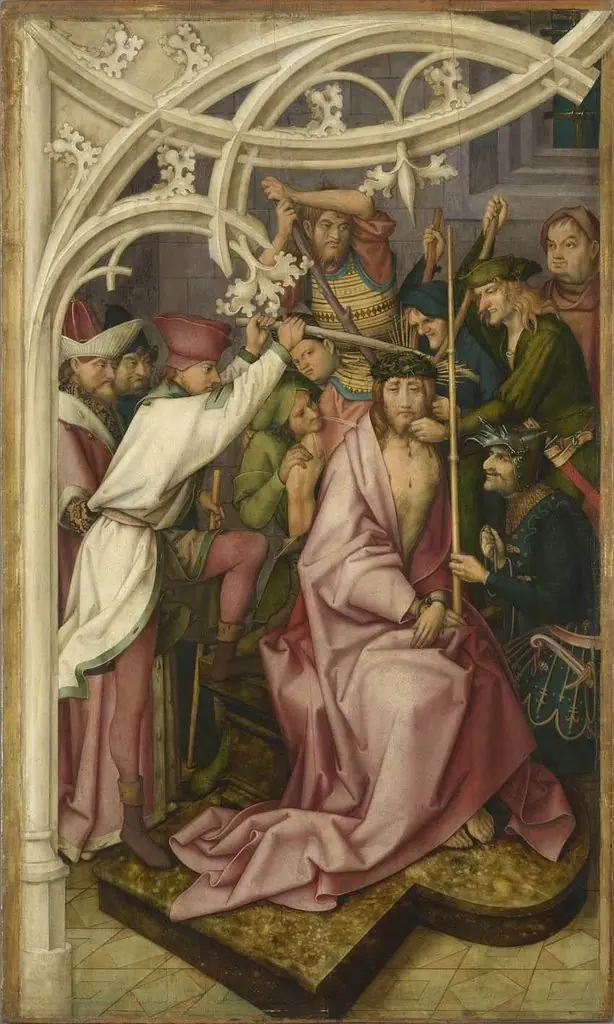 Kaisheimer Altar: Dornenkrönung Christi