Artwork
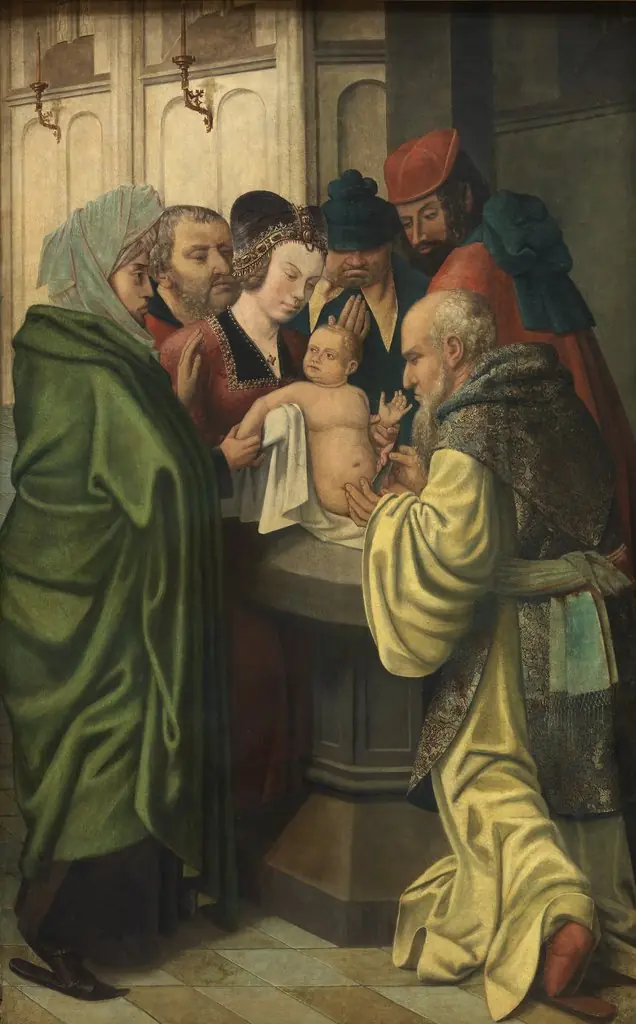
Kaisheimer Altar: Beschneidung Christi
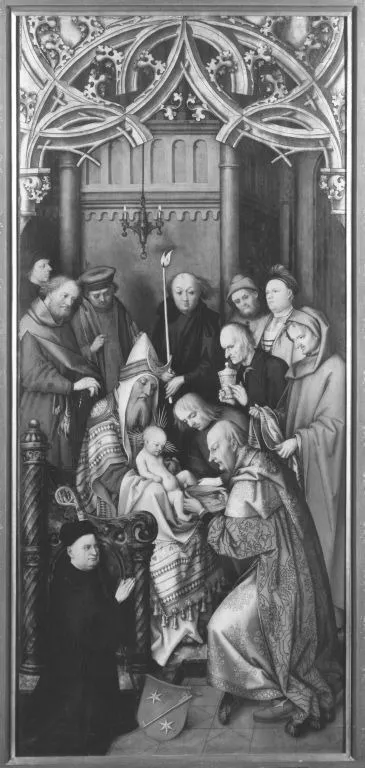
Kaisheimer Altar: Beschneidung Christi is an unspecified painting by the Northern Renaissance artist Hans Holbein the Elder. It dates from 1502 and is held in the collection of the Bavarian State Painting Collections.
About this work
Overview
Created in 1502 by the German painter Hans Holbein the Elder, this panel portrays the biblical circumcision of the infant Jesus. Executed within the Northern Renaissance tradition, the work now resides in Munich’s Alte Pinakothek, where it is displayed as part of the museum’s early 16th‑century collection.
Subject & Meaning
The composition centers on a newborn Christ surrounded by figures in contemporary dress, emphasizing the ritual’s theological importance. By presenting the event with solemn participants and a restrained setting, the painting underscores the covenantal significance of the circumcision within Christian liturgy.
Technique & Style
Holbein employs a meticulous naturalism, rendering cloth with intricate folds and faces with nuanced expression. A pronounced chiaroscuro model gives the scene depth, while the muted backdrop of a plain wall and modest columns focuses attention on the figures and their gestures.
History & Provenance
Originally commissioned for a church altar, the panel entered the Alte Pinakothek’s holdings during the 19th‑century acquisition of Bavarian court collections. Its attribution to Holbein the Elder has been confirmed through stylistic analysis and archival records linking the work to his early career.
Context
The painting reflects the early German Renaissance’s interest in combining devotional narrative with detailed observation of material culture. Holbein the Elder’s approach aligns with contemporaneous Northern artists who sought to render sacred scenes with a tangible, human presence, bridging liturgical function and visual realism.
Artist & collection
Artist
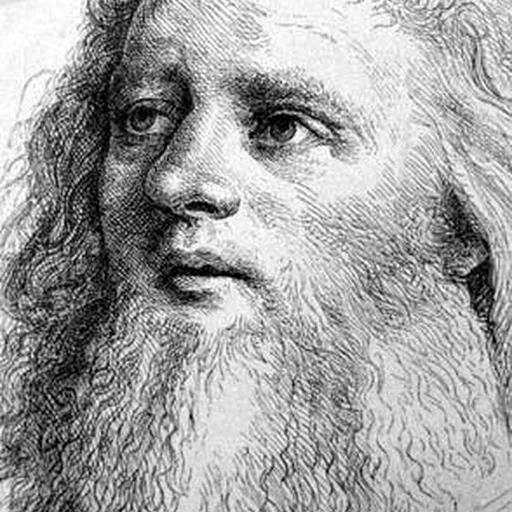
Hans Holbein the Elder (c. 1460/65 – 1524) was a German painter of the early German Renaissance. He was the father of painters Ambrosius and Hans the Younger.

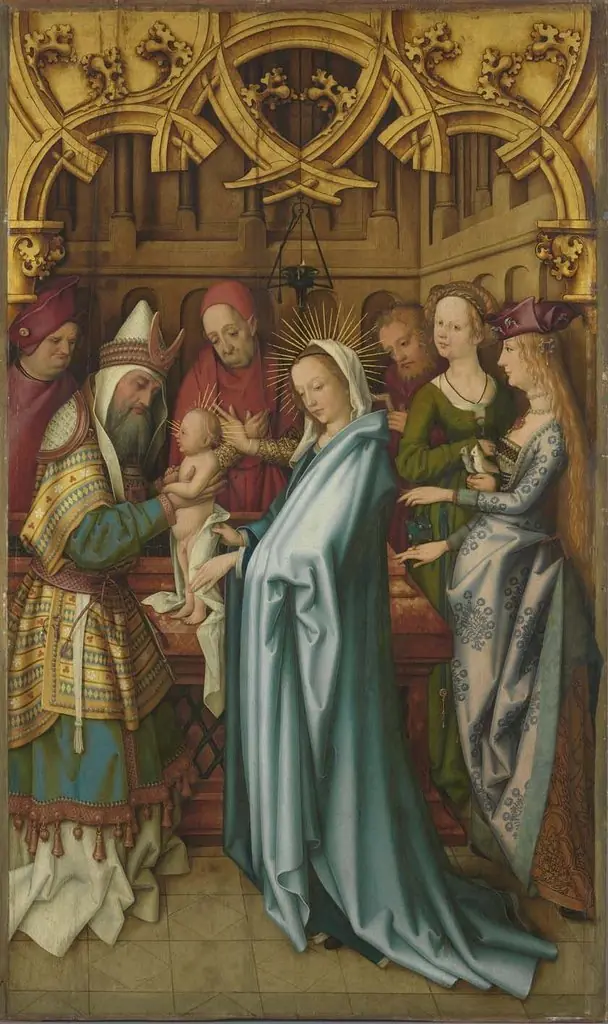 Kaisheimer Altar: Darbringung im Tempel
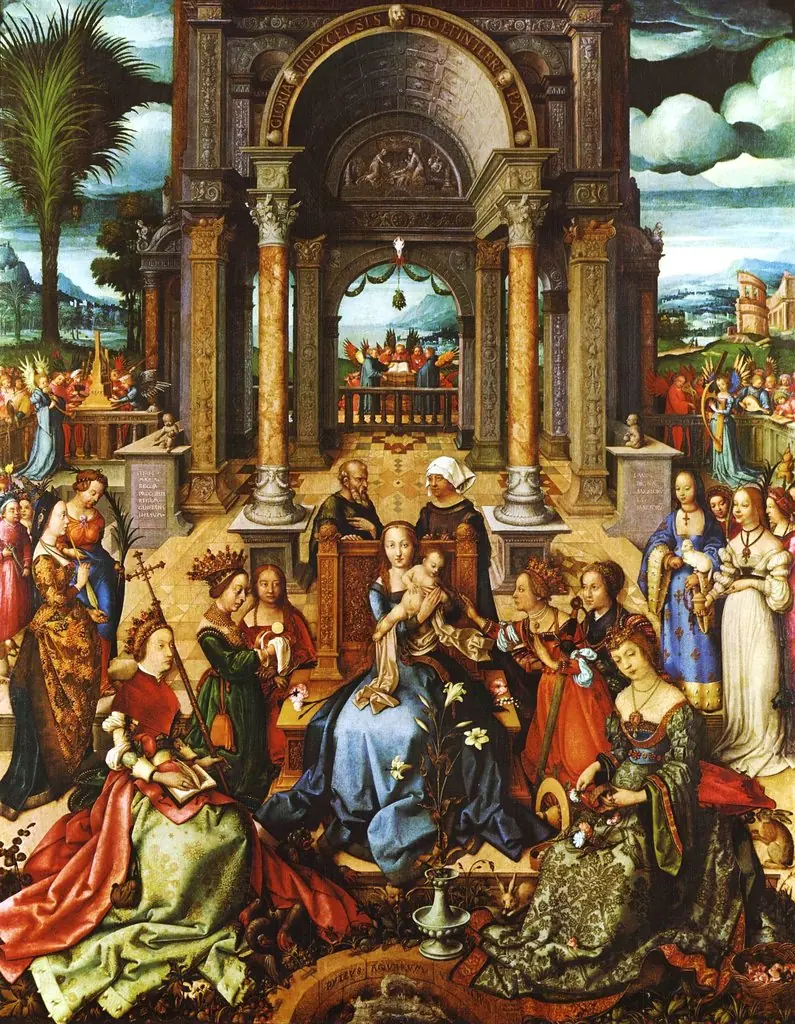 Virgin with Child by Hans Holbein the Elder, Museu Nacional de Arte Antiga
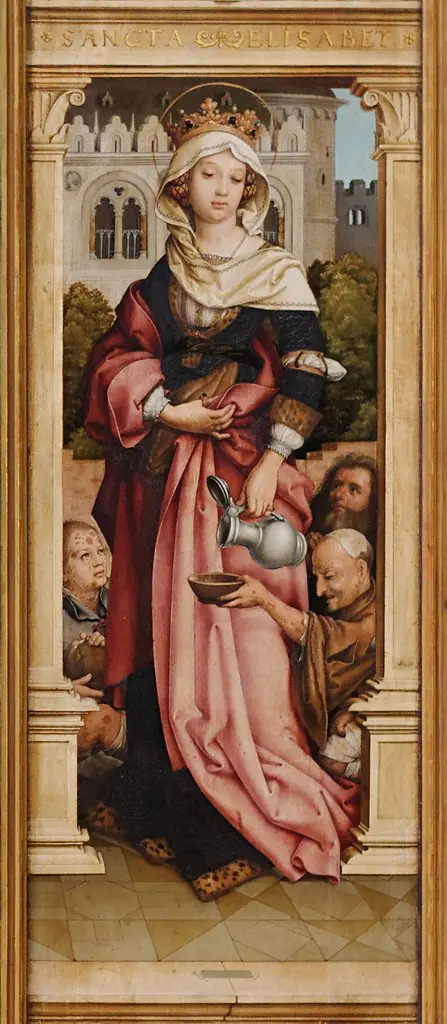 St. Sebastian Altar: St. Elizabeth of Hungary
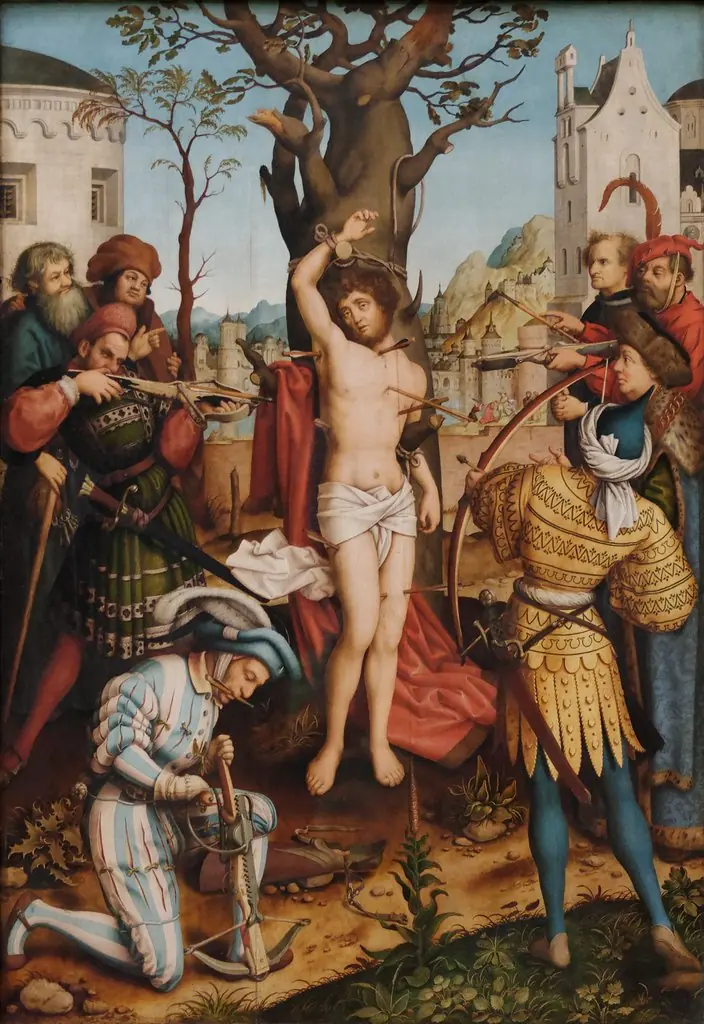 St. Sebastian Altar: The Martyrdom of St. Sebastian
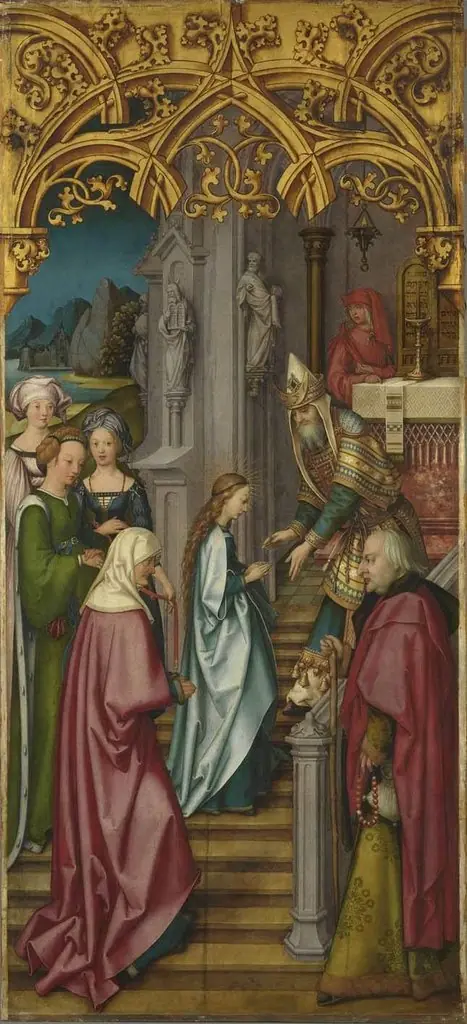 Kaisheimer Altar: Tempelgang Mariens
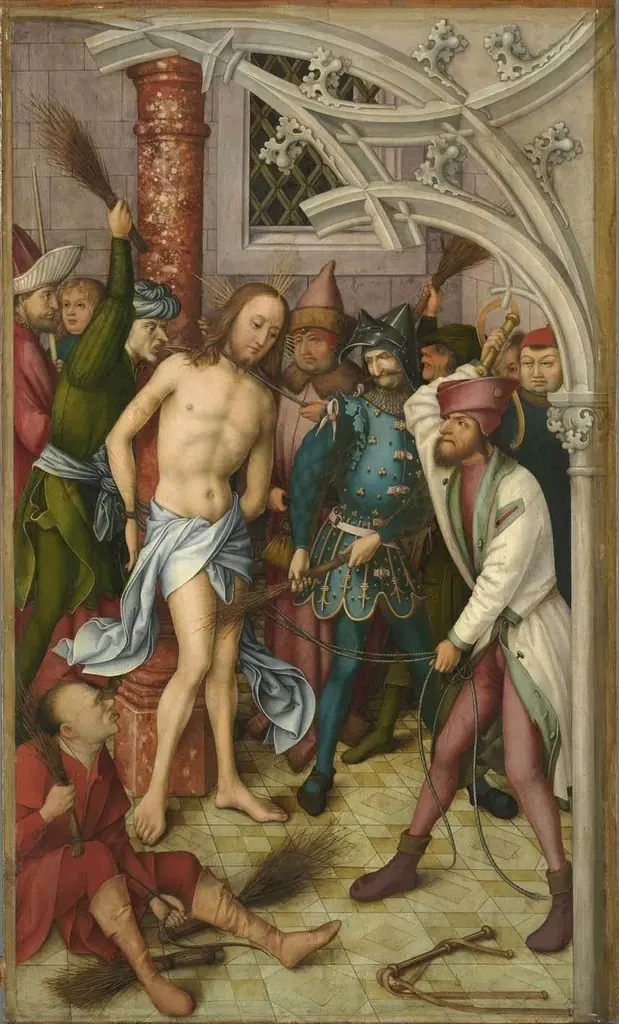 Kaisheimer Altar: Geißelung Christi
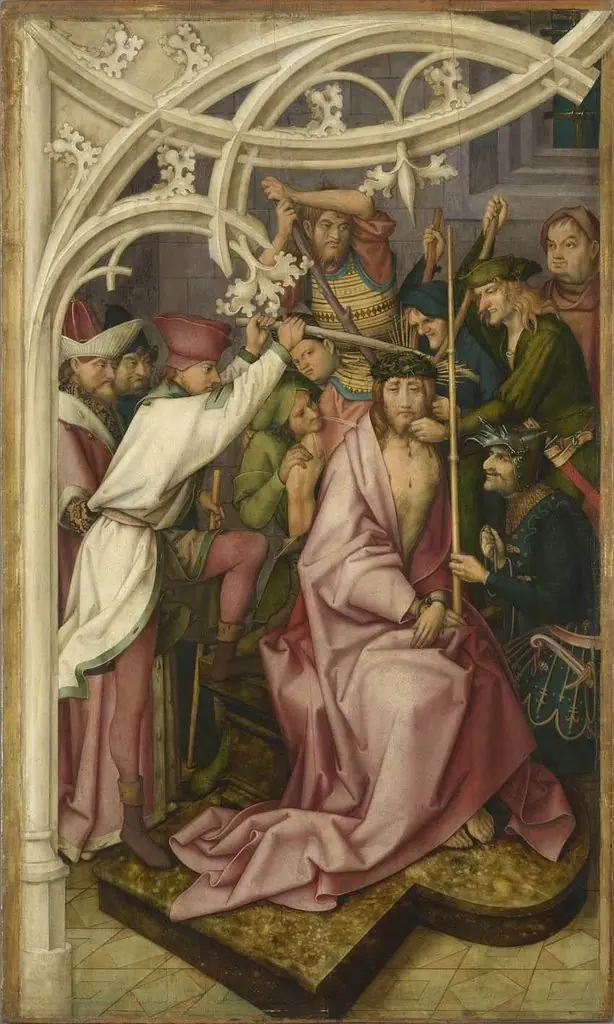 Kaisheimer Altar: Dornenkrönung Christi
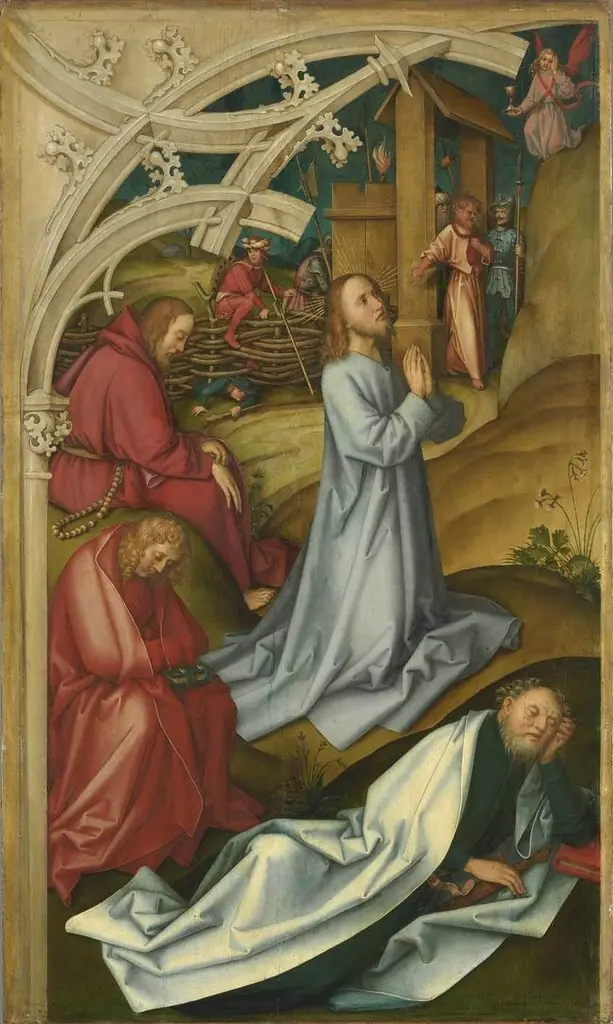 Kaisheimer Altar: Christus am Ölberg
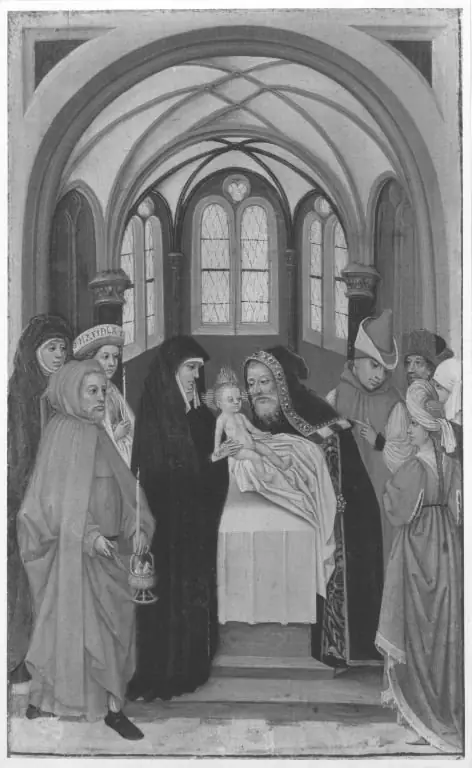 Darbringung im Tempel
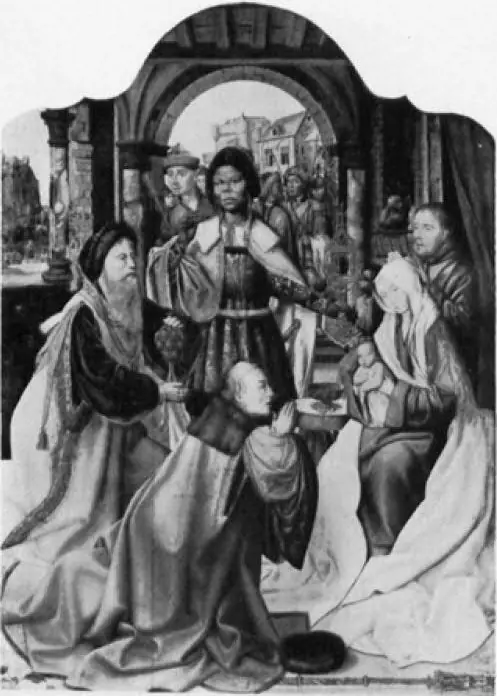 Anbetung der Könige
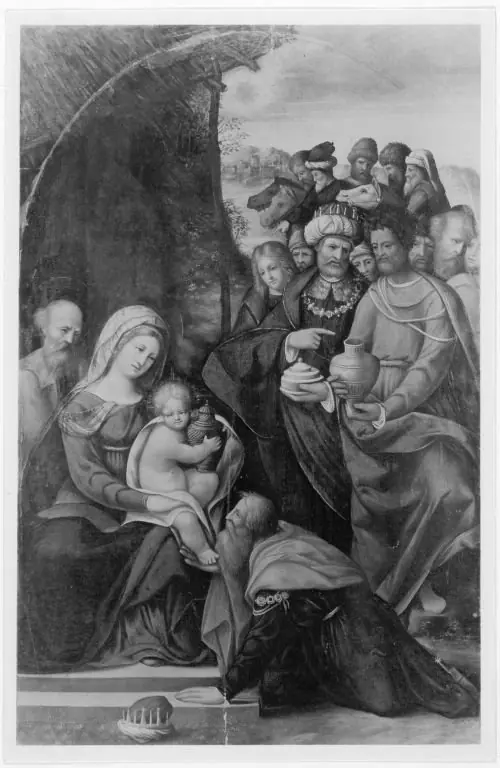 Anbetung der Könige
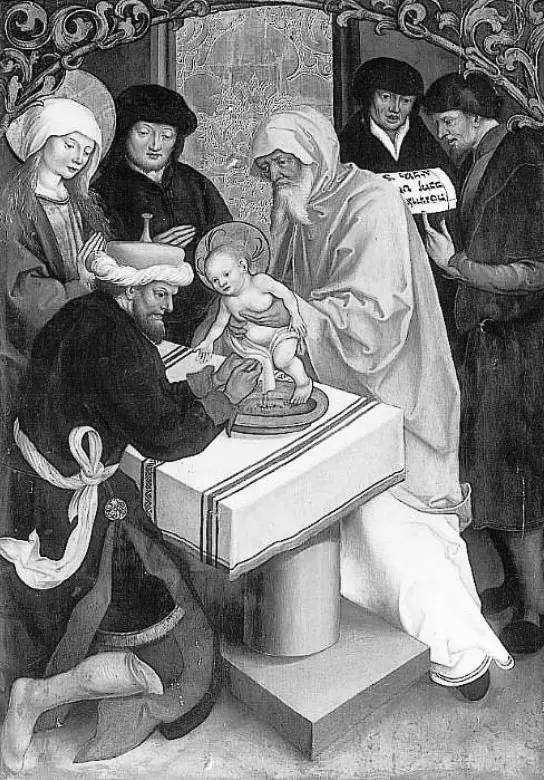 Circumcision of Jesus
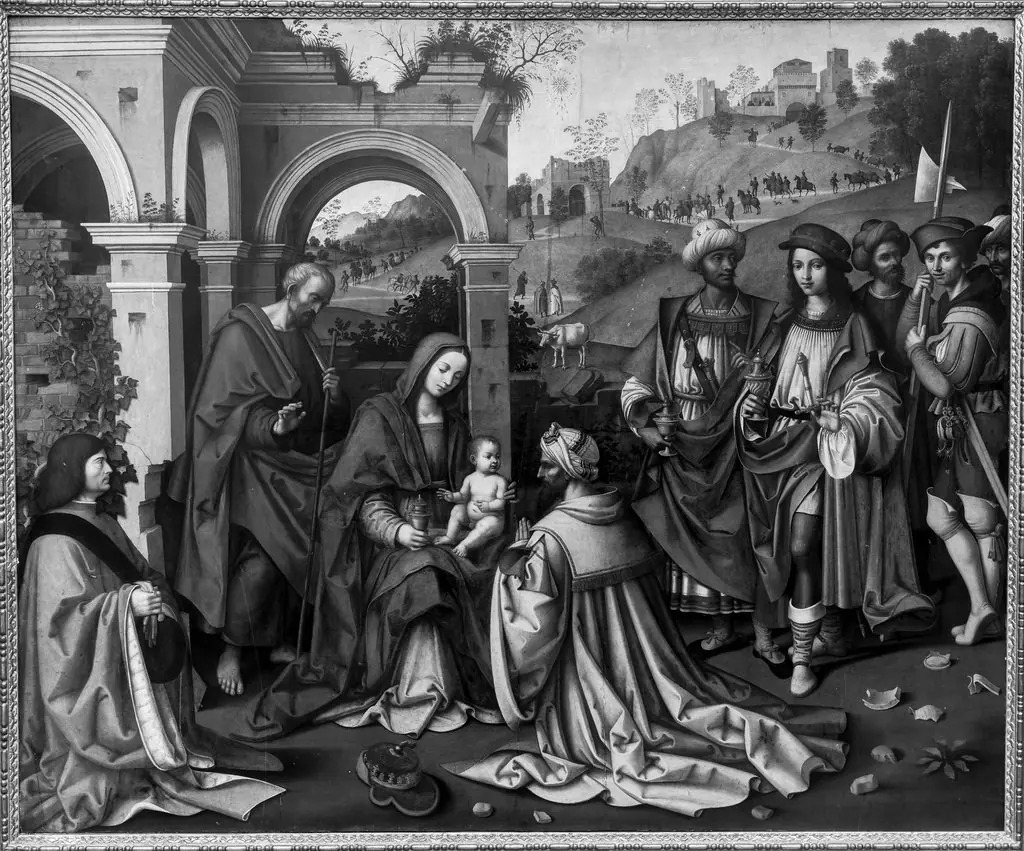 Adoration of the Kings
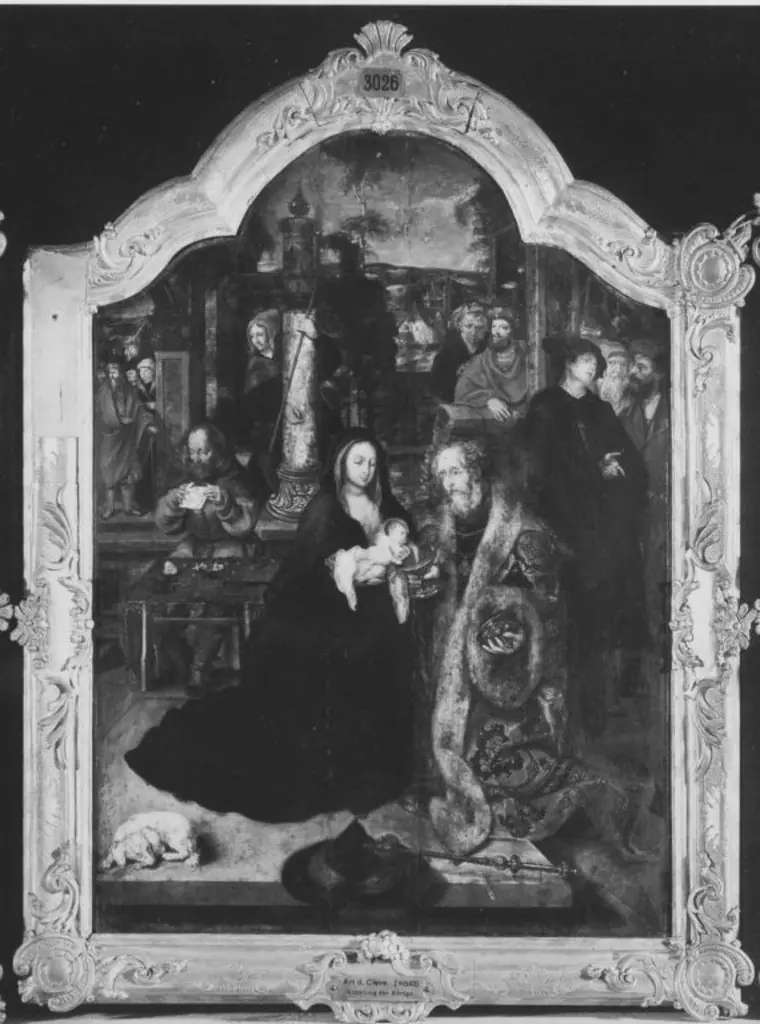 Triptych:Adoration of the Magi
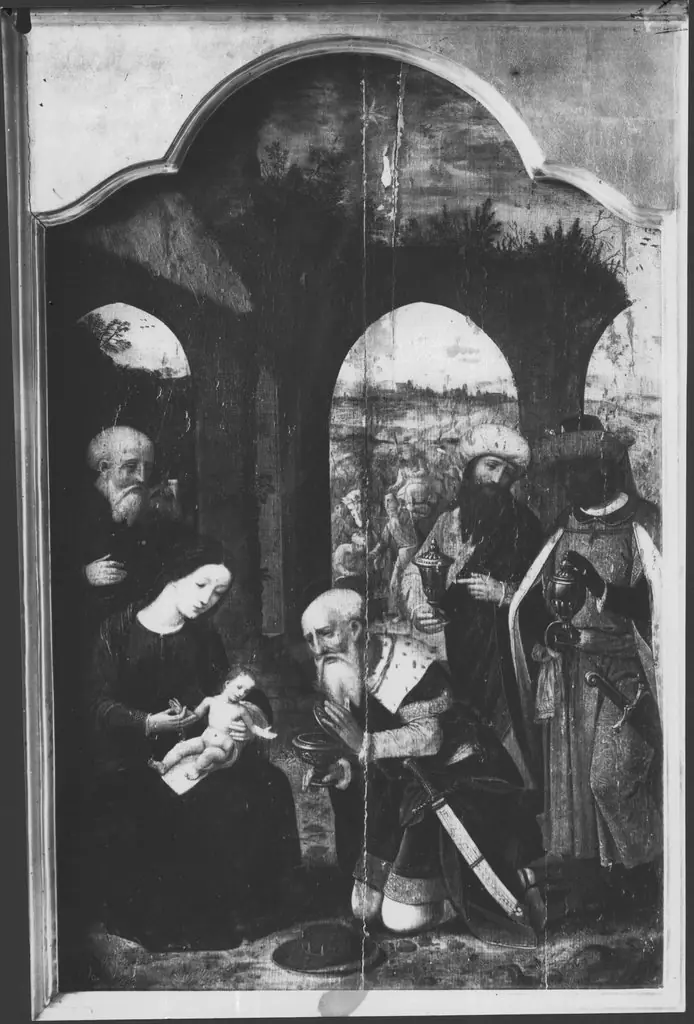 Adoration of the Magi
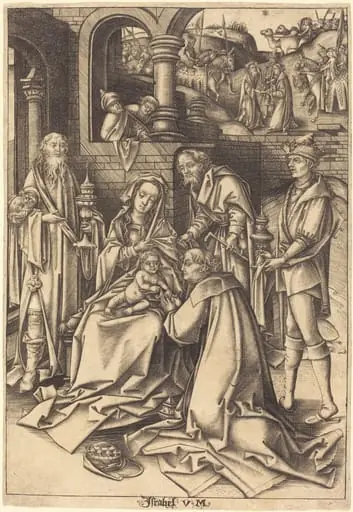 The Adoration of the Magi
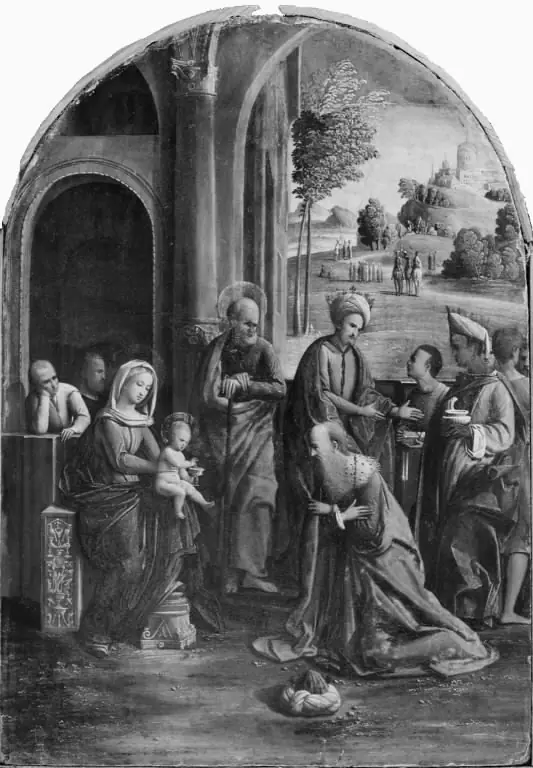 The Adoration of the Kings
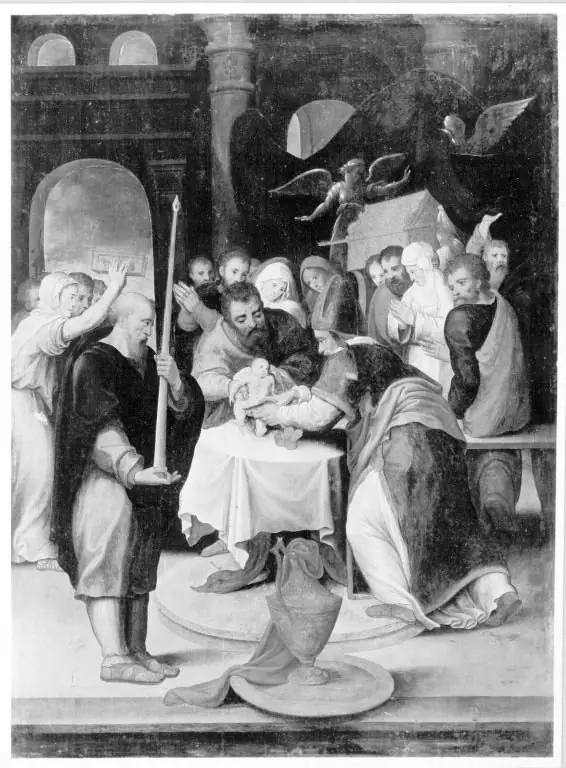 Beschneidung Christi (zugeschrieben)
 The Circumcision
 Teile eines Altares: Vision des hl. Bernhard