Artwork
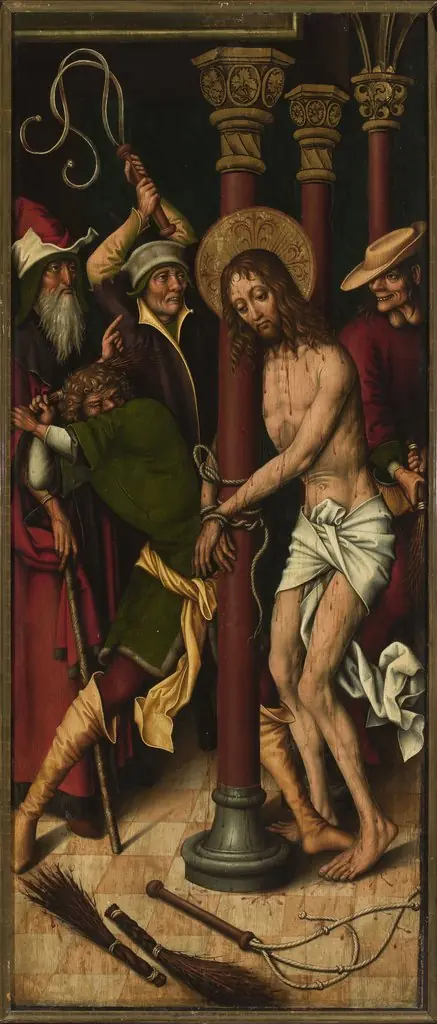
Kaisheimer Altar: Geißelung Christi
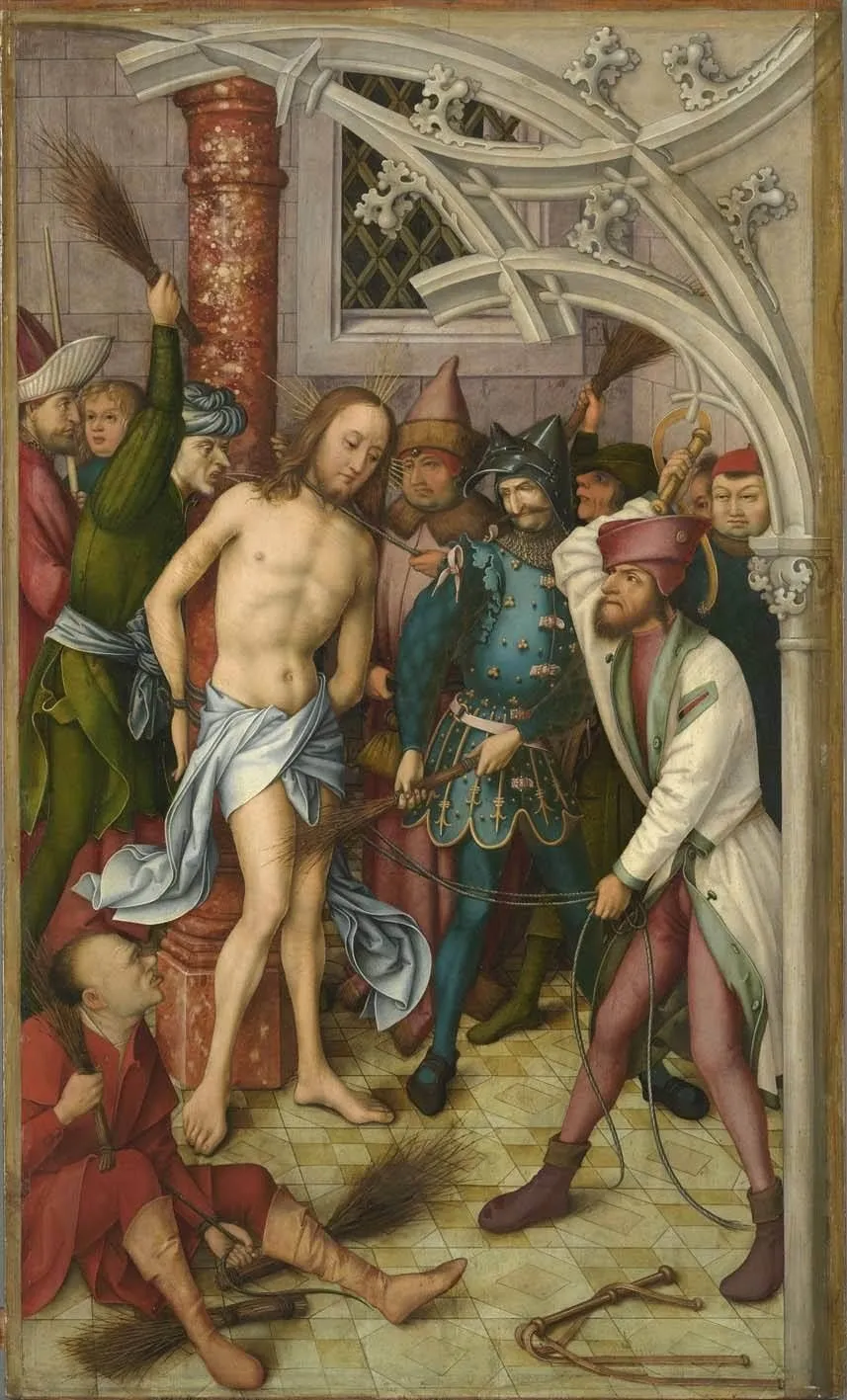
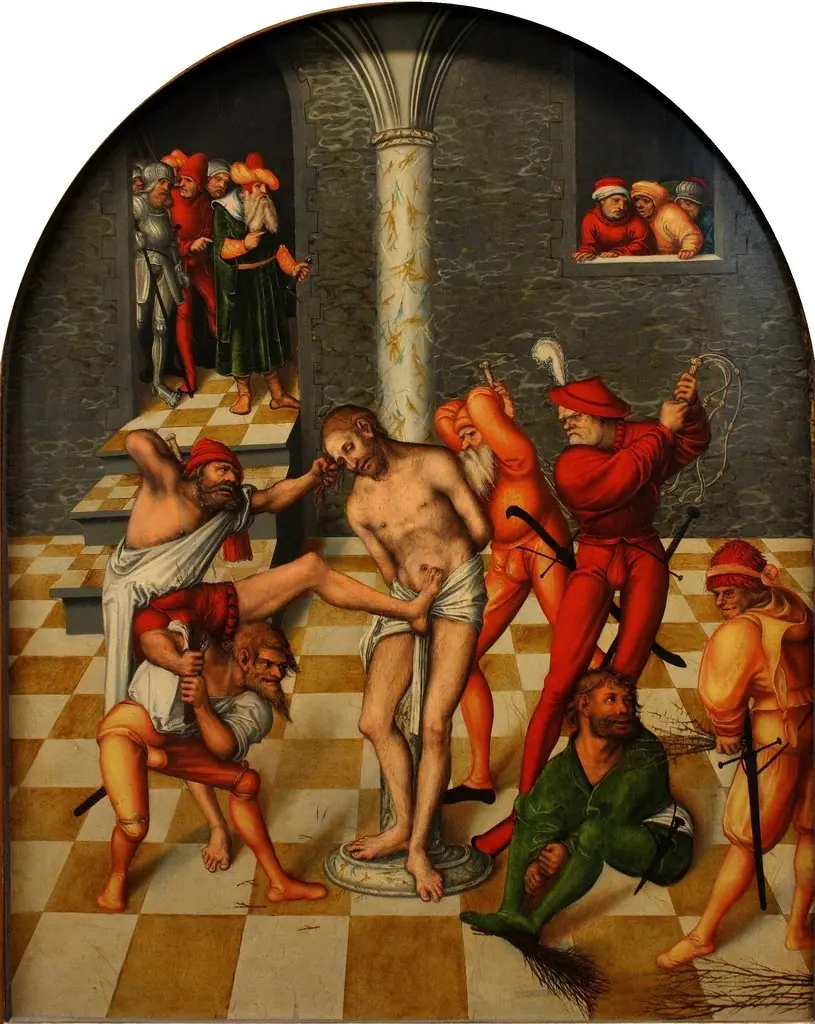
Kaisheimer Altar: Geißelung Christi is an unspecified painting by the Northern Renaissance artist Hans Holbein the Elder. It dates from 1502 and is held in the collection of the Bavarian State Painting Collections.
About this work
Overview
Created in 1502 by the German painter Hans Holbein the Elder, the Kaisheimer Altar panel portrays the Flagellation of Christ as part of a larger devotional triptych. The work is presently exhibited in Munich’s Alte Pinakothek, where it remains a key example of early Northern Renaissance painting.
Subject & Meaning
The scene captures the moment Christ is scourged, a motif frequently employed to underscore themes of suffering and redemption. The central figure, though visibly wounded, retains a composed expression, contrasting with the surrounding tormentors whose varied gestures convey a mixture of resolve and hostility.
Technique & Style
Holbein employs a meticulous approach to anatomy, rendering muscles and flesh with striking accuracy. The drapery of the figures is treated with careful folds, while the palette combines vivid costume colors with the muted tones of the stone arch and tiled floor, reflecting the Northern Renaissance’s focus on realistic detail.
History & Provenance
Originally installed as one wing of a three‑panel altar in the town of Kaisheim, the painting was later removed during secularisation and entered the collection of the Bavarian state. It has been displayed at the Alte Pinakothek since the museum’s early 19th‑century acquisitions.
Context
Holbein the Elder worked at a time when German art was absorbing influences from both Italian humanism and the detailed observation characteristic of the Netherlandish school. This panel exemplifies that synthesis, marrying expressive religious narrative with a keen eye for material texture and spatial depth.
Artist & collection
Artist
Hans Holbein the Elder (c. 1460/65 – 1524) was a German painter of the early German Renaissance. He was the father of painters Ambrosius and Hans the Younger.

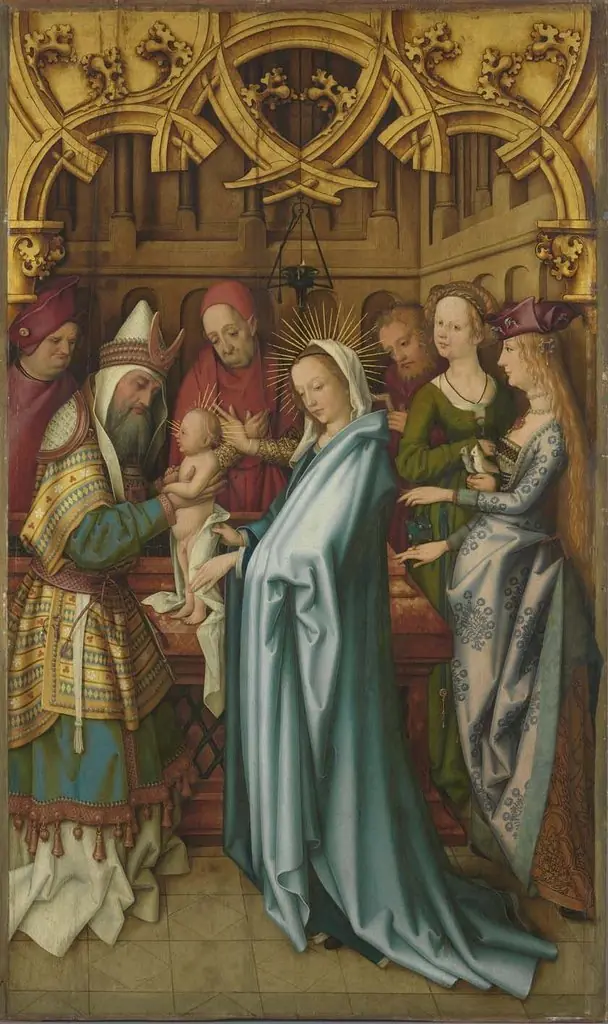 Kaisheimer Altar: Darbringung im Tempel
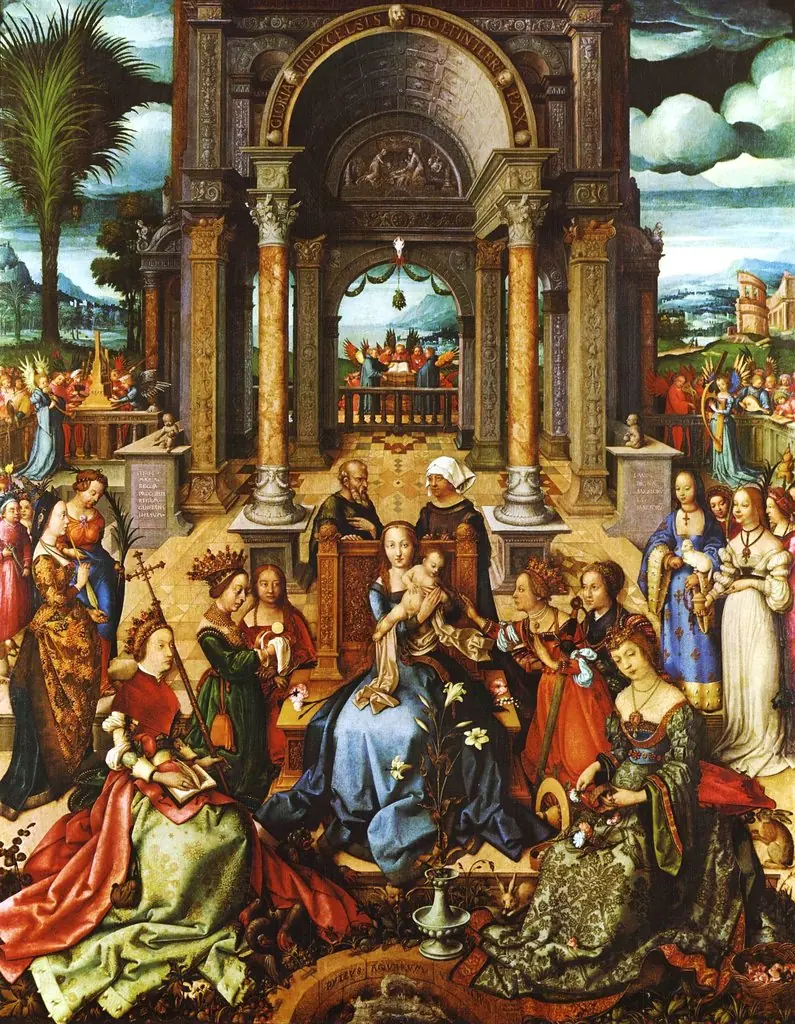 Virgin with Child by Hans Holbein the Elder, Museu Nacional de Arte Antiga
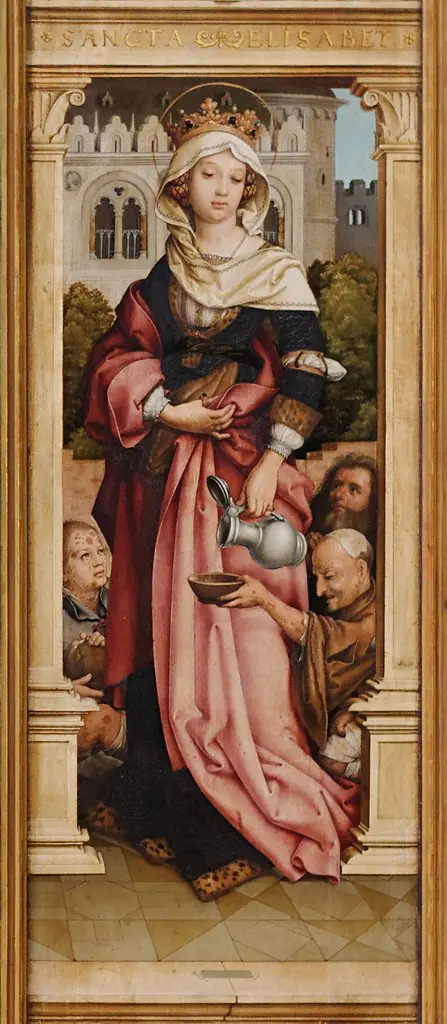 St. Sebastian Altar: St. Elizabeth of Hungary
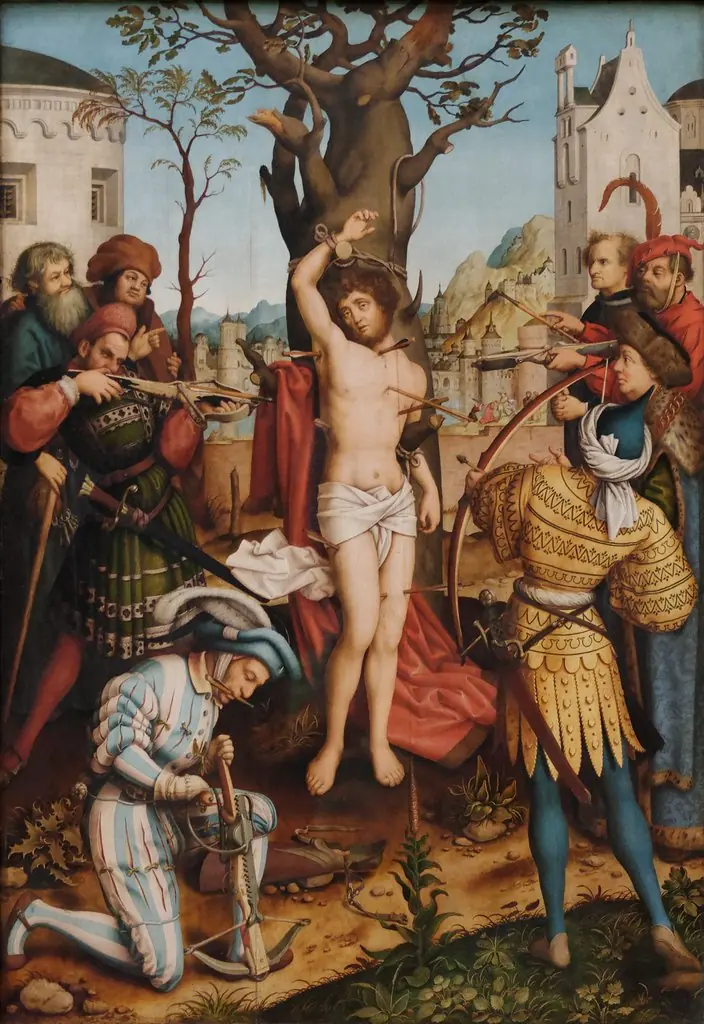 St. Sebastian Altar: The Martyrdom of St. Sebastian
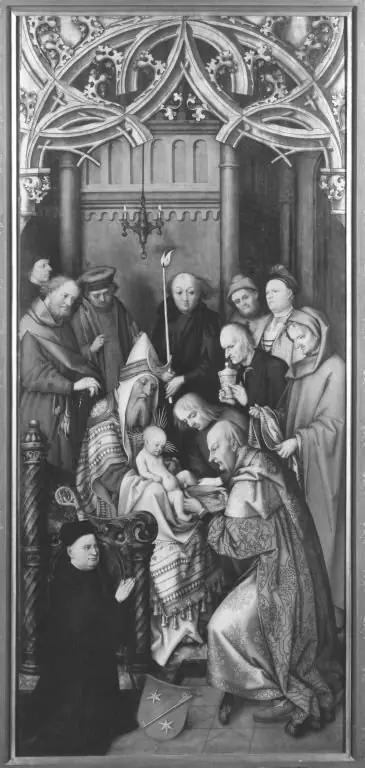 Kaisheimer Altar: Beschneidung Christi
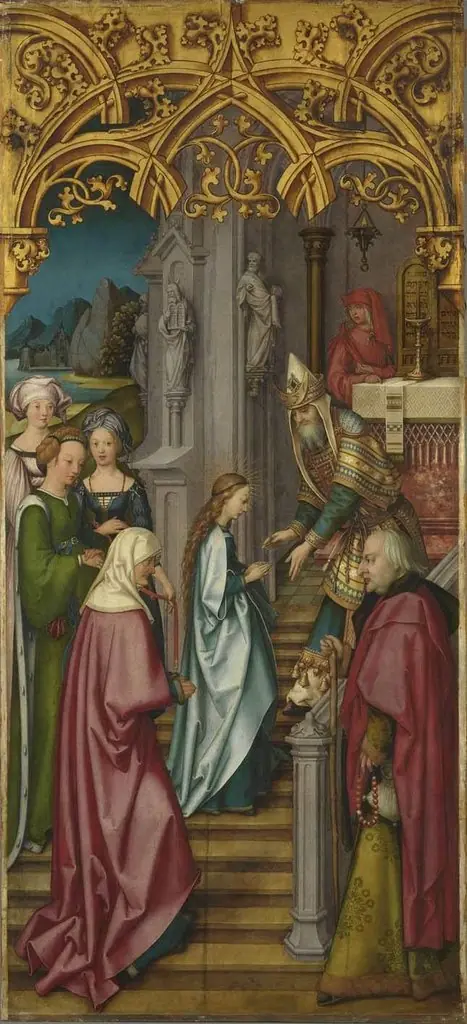 Kaisheimer Altar: Tempelgang Mariens
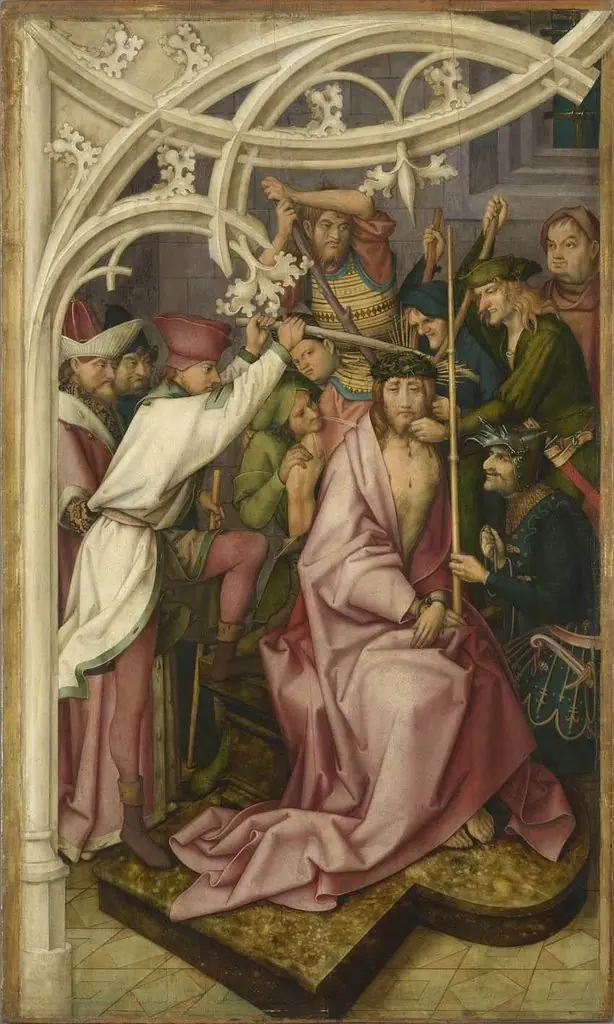 Kaisheimer Altar: Dornenkrönung Christi
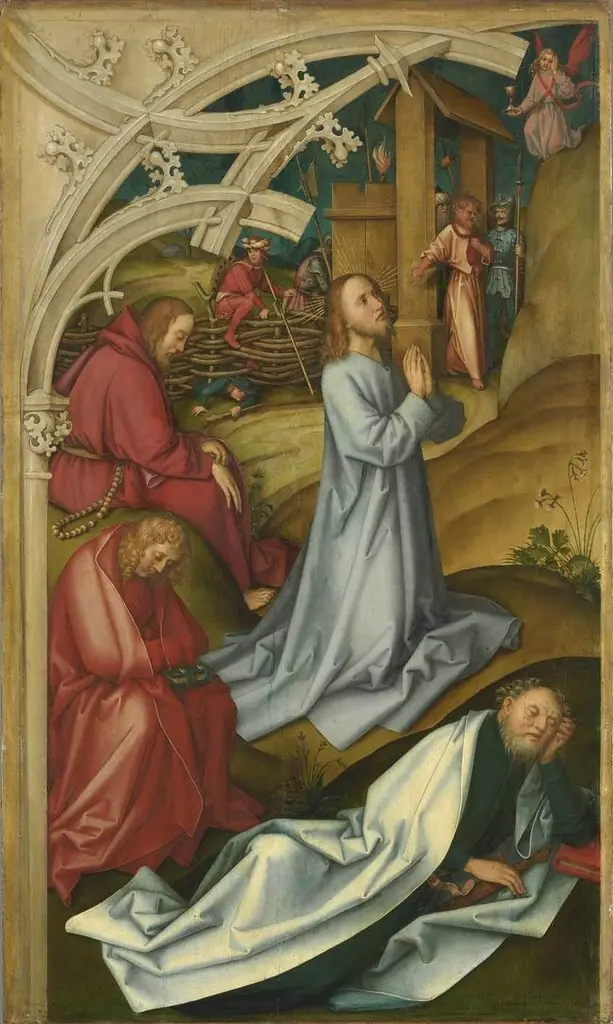 Kaisheimer Altar: Christus am Ölberg