Artwork
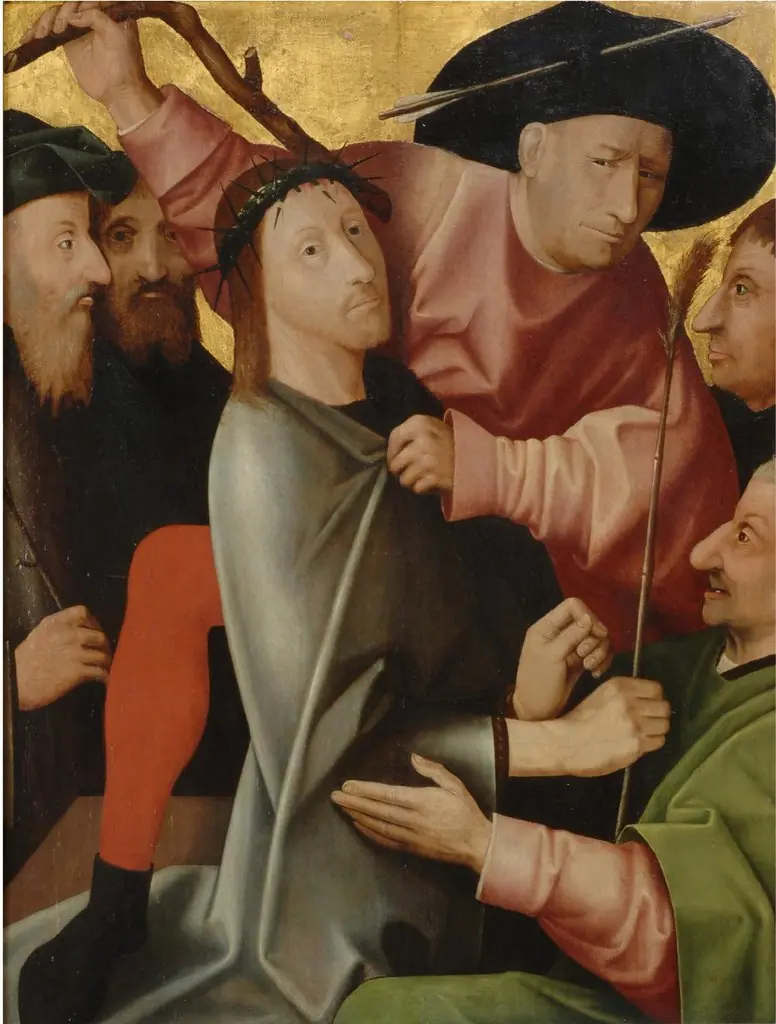
Kaisheimer Altar: Dornenkrönung Christi
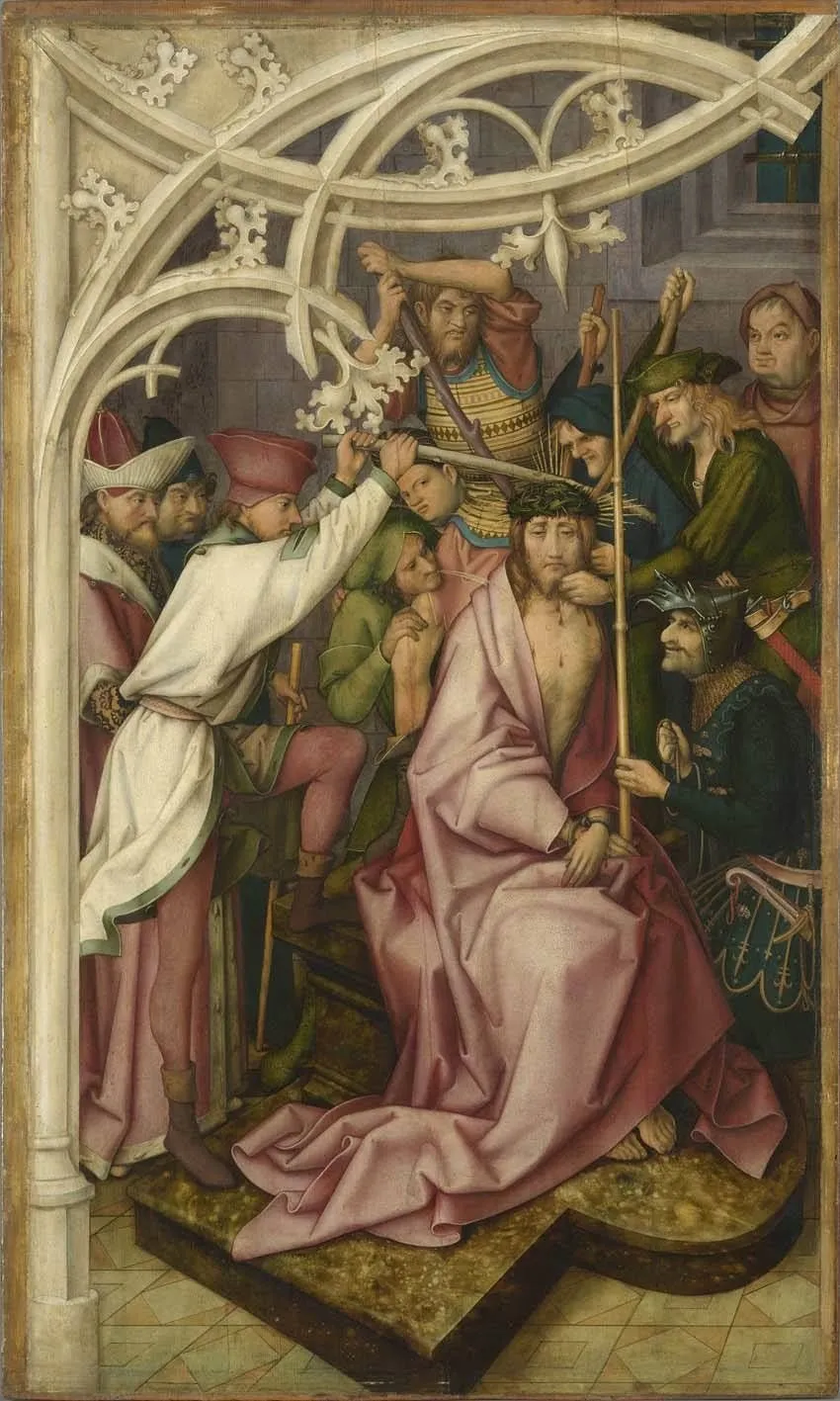
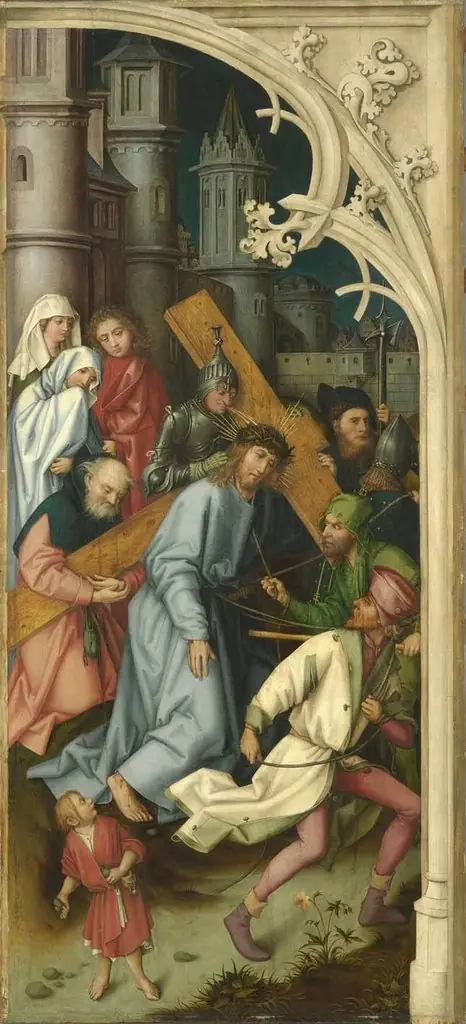
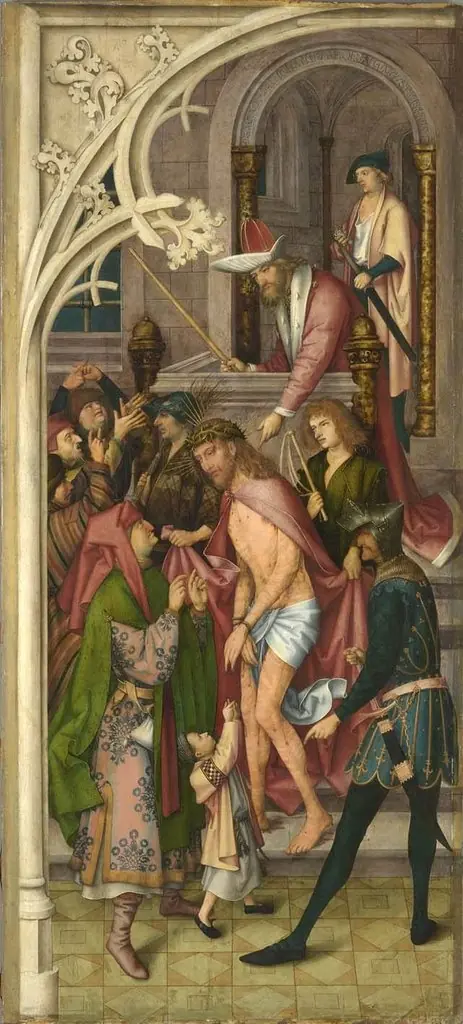
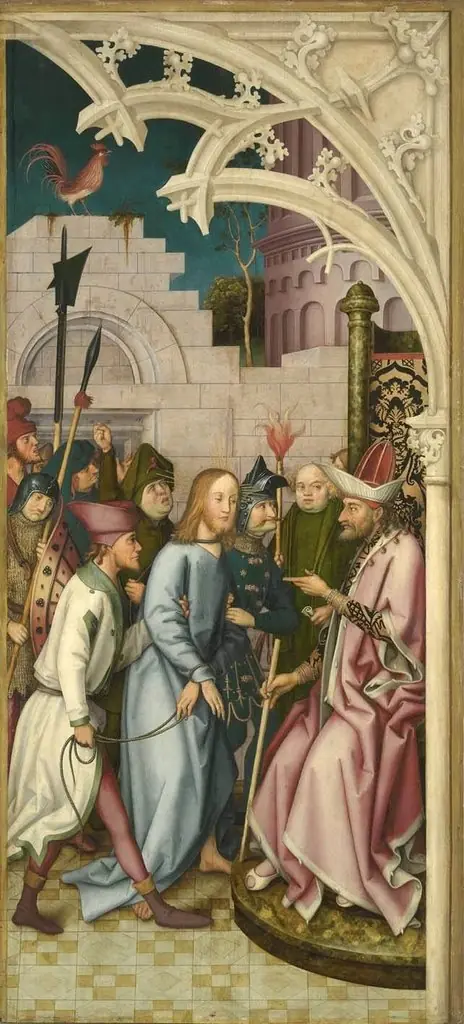
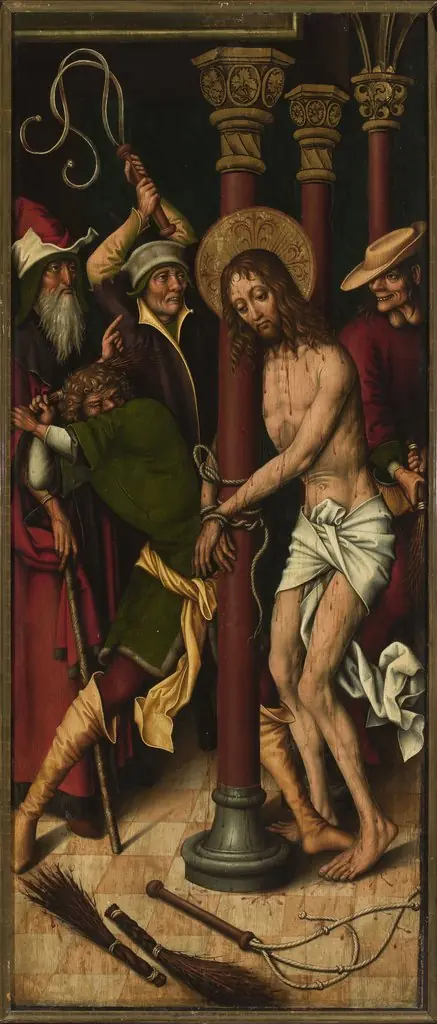
Kaisheimer Altar: Dornenkrönung Christi is an unspecified painting by the Northern Renaissance artist Hans Holbein the Elder. It dates from 1502 and is held in the collection of the Bavarian State Painting Collections.
About this work
The painting's use of chiaroscuro creates a sense of depth and volume, drawing the viewer's eye to the central figure of Jesus.
This painting depicts a somber scene of Jesus Christ being crowned with thorns. He sits on a stone platform, surrounded by a group of men in various attire, some of whom are holding sticks or other objects. The men are dressed in clothing from the early 16th century, including hats, cloaks, and tunics.
One of the men in the foreground is wearing a white robe and appears to be holding a stick or branch. The background of the painting is a stone wall with a window, and the overall mood is one of solemnity and gravity.
The painting's use of chiaroscuro creates a sense of depth and volume, drawing the viewer's eye to the central figure of Jesus. To learn more about the artist's use of light and shadow, explore the technique of chiaroscuro.
Overview
Created in 1502 by the German early‑Renaissance painter Hans Holbein the Elder, the work known as the Kaisheimer Altar: Dornenkrönung Christi portrays the biblical episode of Christ’s crowning with thorns. Executed for a devotional setting, the panel now belongs to the collection of Munich’s Alte Pinakothek, illustrating the artist’s role in the Northern Renaissance.
Subject & Meaning
The central figure is the crucified Christ seated on a stone platform, his head encircled by a crown of thorns. Around him stand several men in contemporary early‑16th‑century dress, some grasping sticks or other implements, suggesting the mockery of the Passion. The composition emphasizes the solemnity of the moment, inviting contemplation of Christ’s suffering.
Technique & Style
Holbein employs a restrained chiaroscuro that models the figures with clear light and shadow, giving them a palpable sense of volume. The muted palette and careful rendering of textiles—hats, cloaks, tunics—reflect the Northern Renaissance’s attention to realistic detail, while the stone wall and window in the background provide spatial depth.
History & Provenance
Originally part of an altar commission in Kaisheim, the panel remained in ecclesiastical use before entering the secular sphere. It was acquired by the Bavarian state in the 19th century and has been displayed at the Alte Pinakothek since, where it serves as a representative example of Holbein the Elder’s religious oeuvre.
Artist & collection
Artist
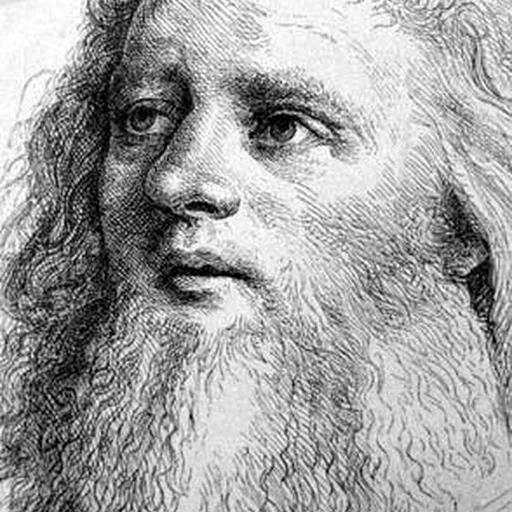
Hans Holbein the Elder (c. 1460/65 – 1524) was a German painter of the early German Renaissance. He was the father of painters Ambrosius and Hans the Younger.

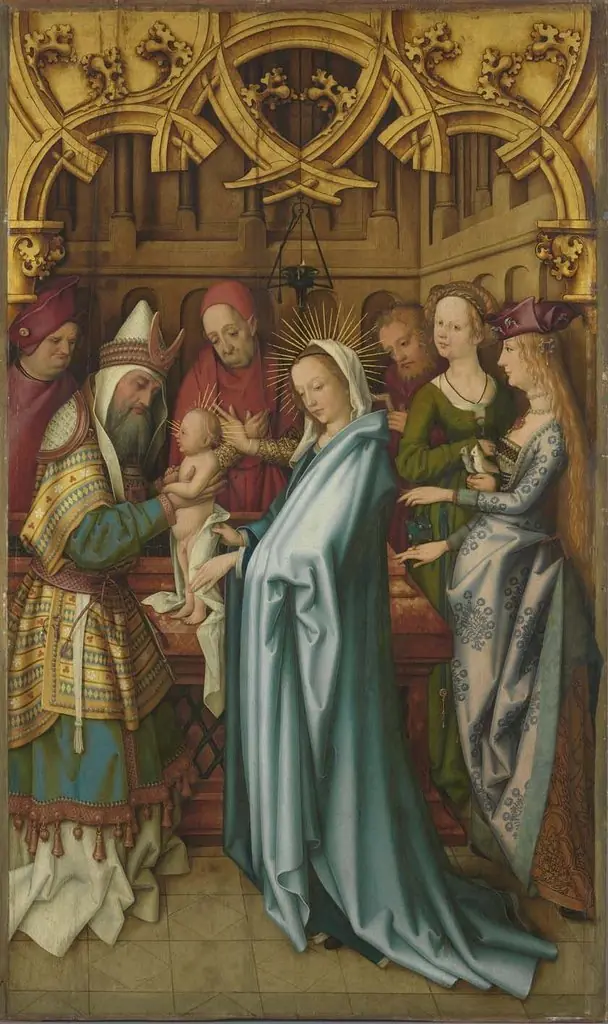 Kaisheimer Altar: Darbringung im Tempel
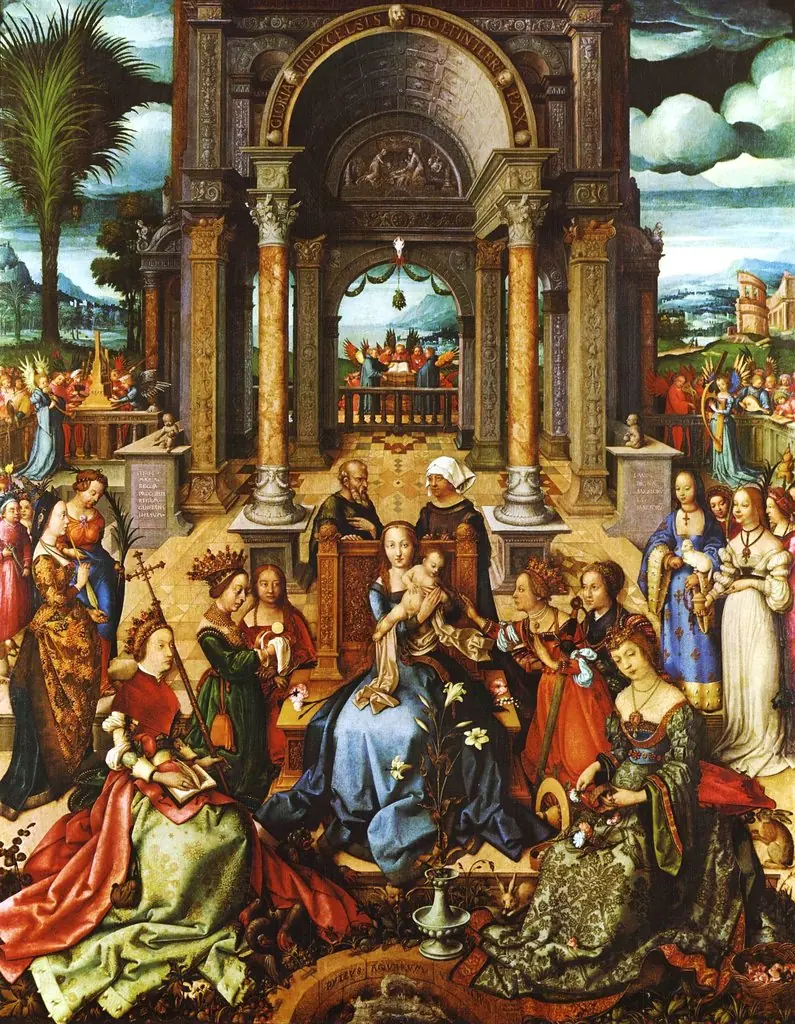 Virgin with Child by Hans Holbein the Elder, Museu Nacional de Arte Antiga
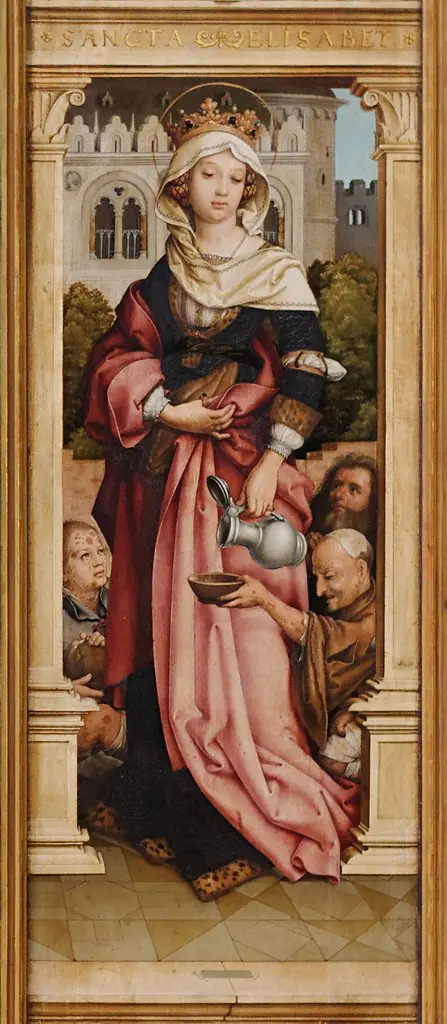 St. Sebastian Altar: St. Elizabeth of Hungary
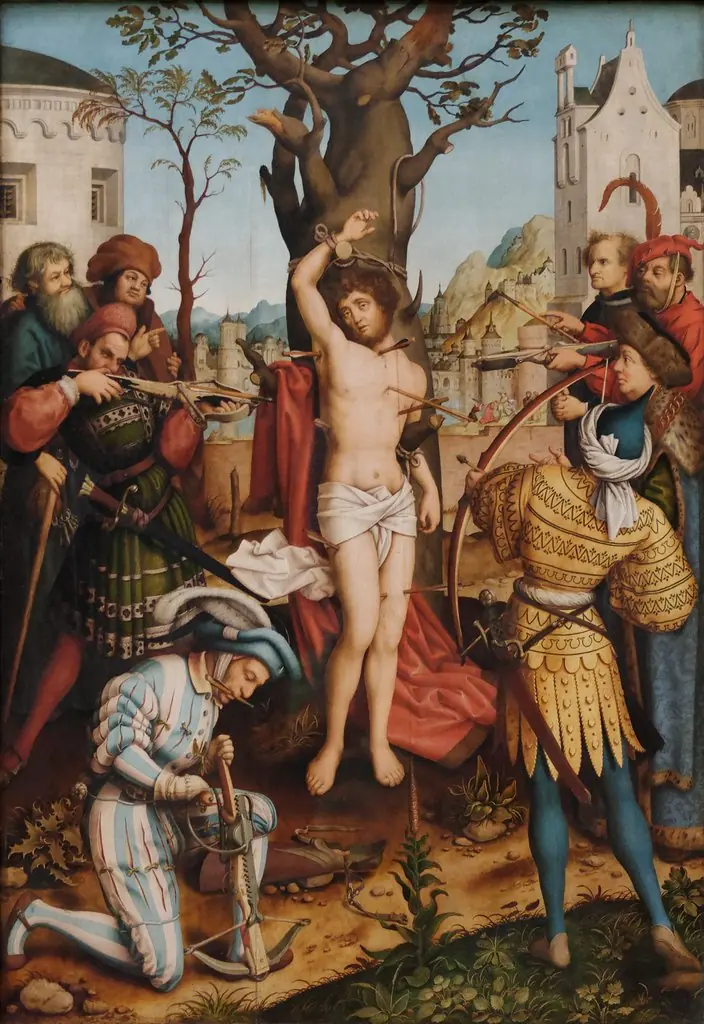 St. Sebastian Altar: The Martyrdom of St. Sebastian
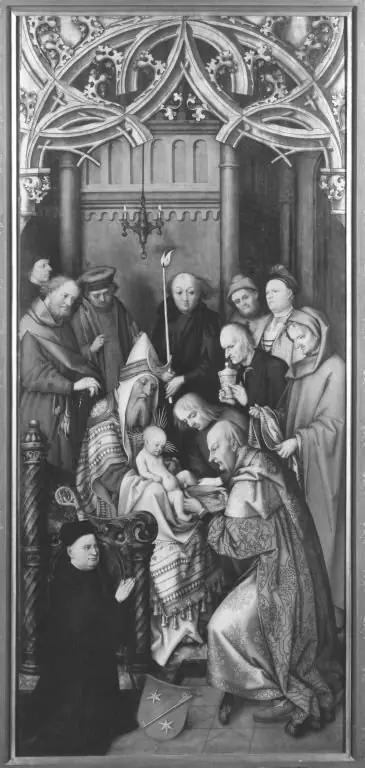 Kaisheimer Altar: Beschneidung Christi
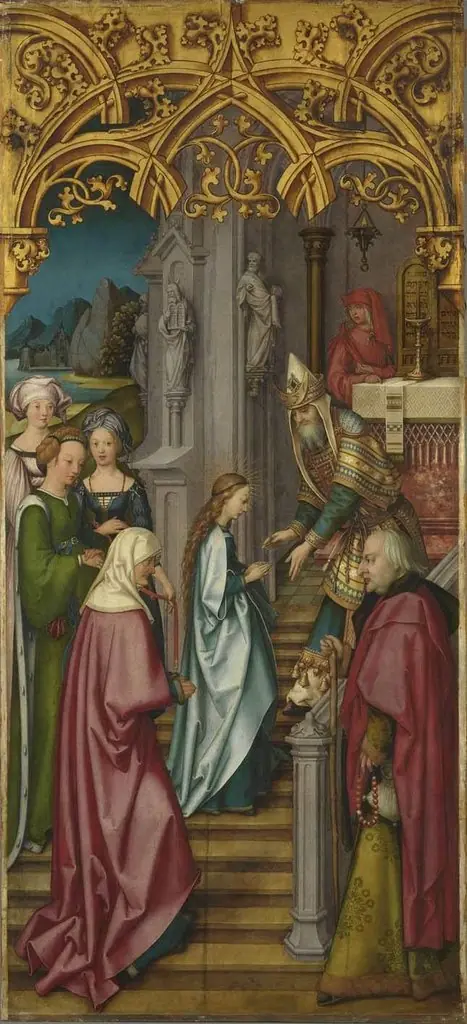 Kaisheimer Altar: Tempelgang Mariens
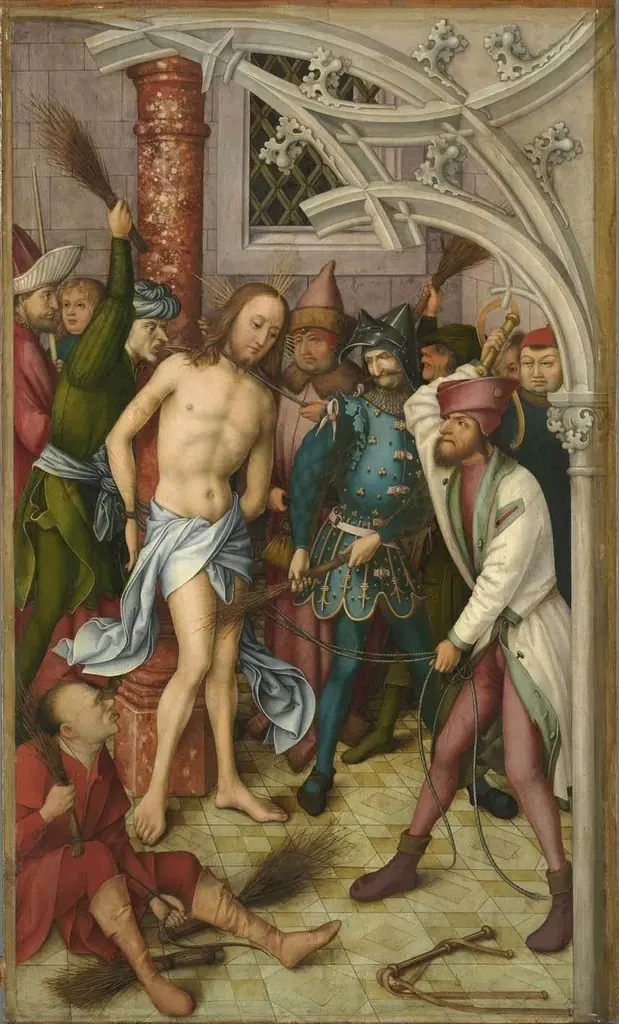 Kaisheimer Altar: Geißelung Christi
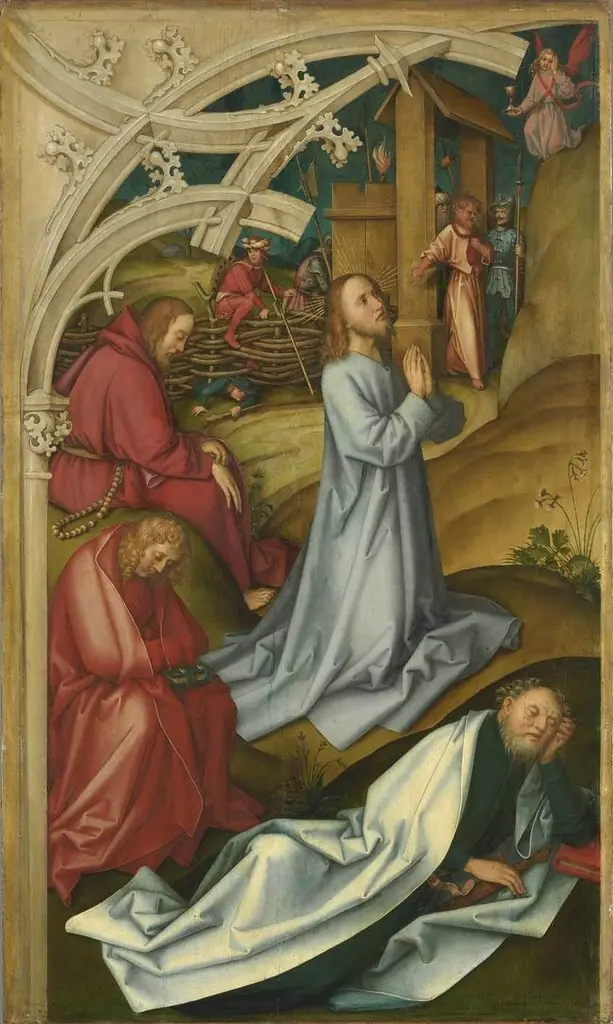 Kaisheimer Altar: Christus am Ölberg