Artwork
William Fitzwilliam, Earl of Southampton
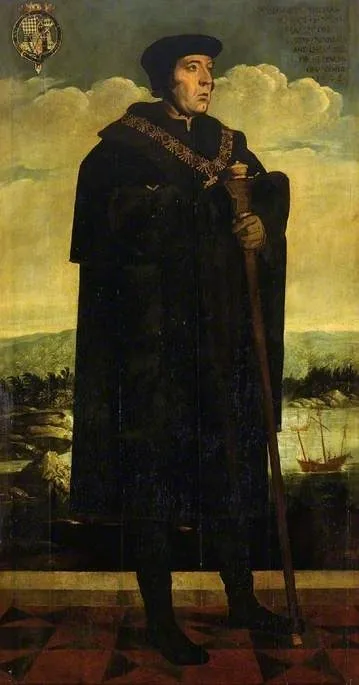
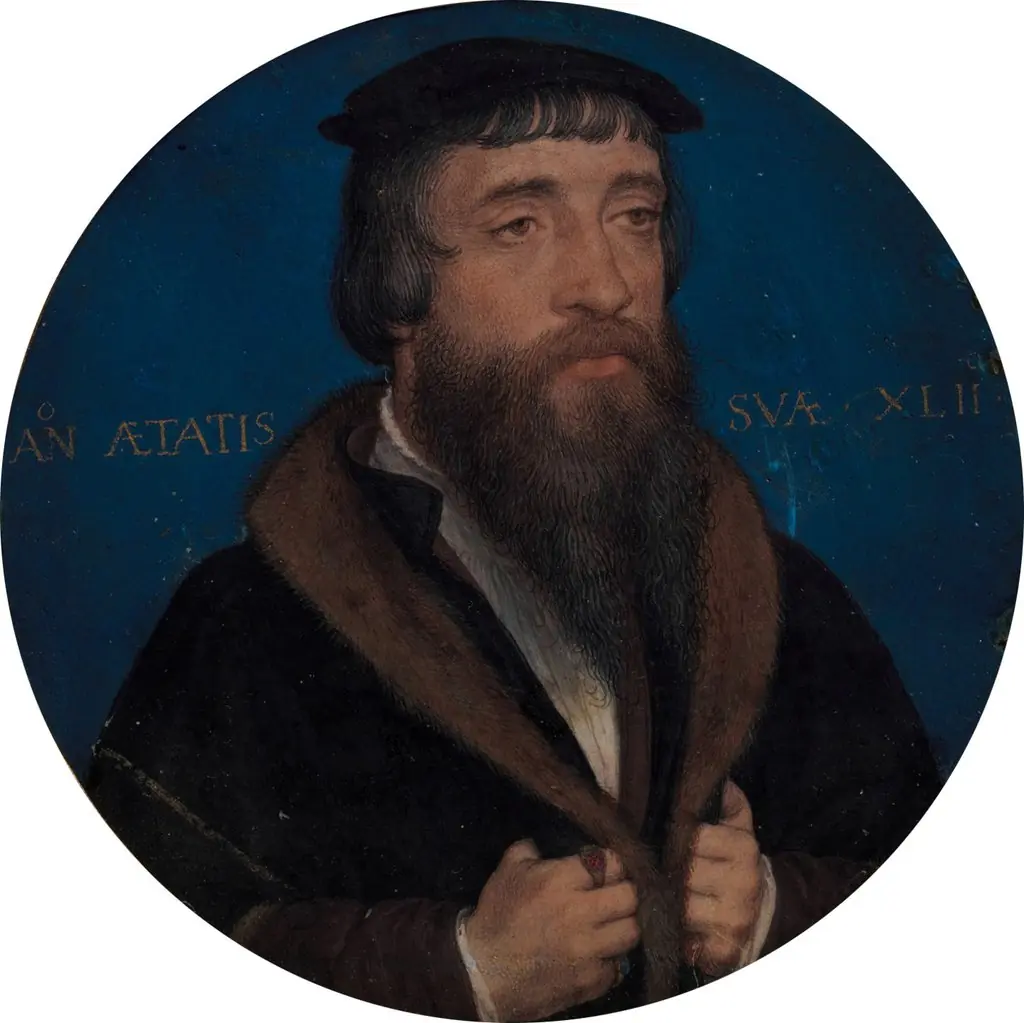
William Fitzwilliam, Earl of Southampton is an oil painting by the Early Baroque Italian artist Hans Holbein the Younger. It dates from 1539 and is held in the collection of the Fitzwilliam Museum.
About this work
Overview
Hans Holbein the Younger executed an oil portrait of William FitzWilliam, 1st Earl of Southampton, in 1539. The work is part of the Fitzwilliam Museum’s collection and exemplifies Holbein’s reputation as a leading portraitist of the 16th‑century Northern Renaissance.
Subject & Meaning
The sitter is shown in a dark robe with a gold‑trimmed collar and a black hat, holding a wooden staff. A tranquil landscape unfolds behind him, featuring water, a distant boat, and a cloudy sky, creating a contemplative mood. A faint depiction of Saint Dominic appears in the background, adding a subtle devotional element.
Technique & Style
Holbein employs the precise detailing and clear modeling characteristic of the Northern Renaissance, while the composition’s spatial depth and atmospheric landscape hint at early Baroque influences from Italy. The careful rendering of textures—fabric, metal, and foliage—demonstrates his mastery of oil paint.
History & Provenance
Created in 1539, the portrait has remained in England and is now housed in the Fitzwilliam Museum, Cambridge. Its provenance traces back to the FitzWilliam family, from whom the museum derives its name, ensuring the work’s continuous association with its subject’s lineage.
Context
During the 1530s Holbein served the English court, producing portraits of nobles and royals. This painting reflects the period’s emphasis on individual status and piety, integrating personal regalia with symbolic references such as the staff and the Saint Dominic motif.
Artist & collection
Artist
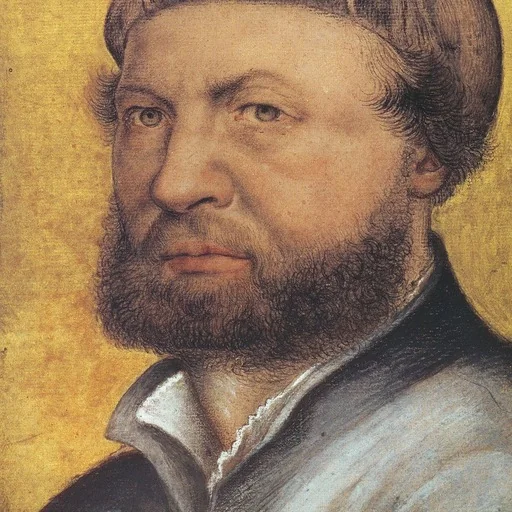
Hans Holbein the Younger (UK: HOL-byne, US: HOHL-byne, HAWL-; German: Hans Holbein der Jüngere; c.

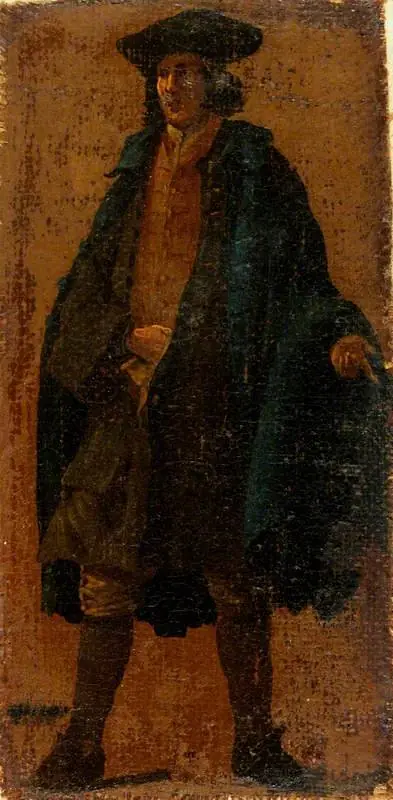 A Man Wearing a Blue Cloak
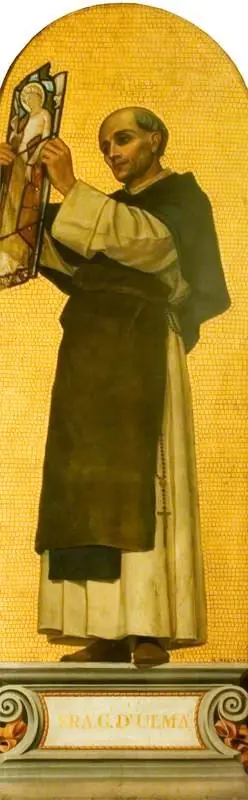 Fra Giacomo da Ulma (design for a mosaic in the Victoria and Albert Museum)
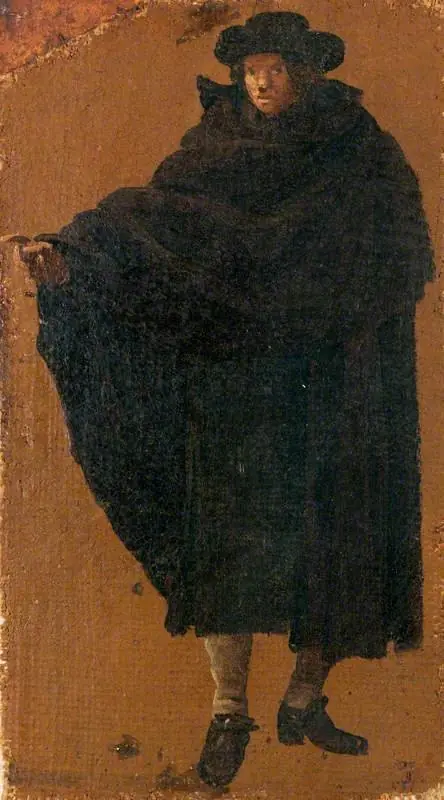 A Man in a Dark Cloak
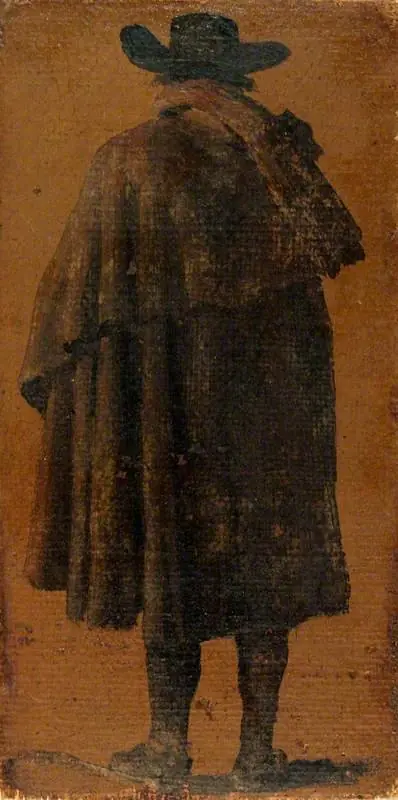 A Man Seen from Behind
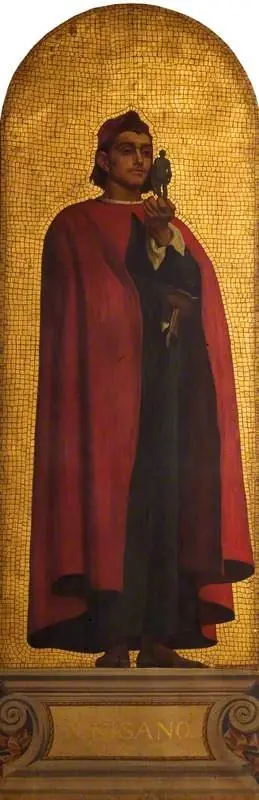 Nicola Pisano (c.1220/1225–c.1284) (design for a mosaic in the Victoria and Albert Museum)
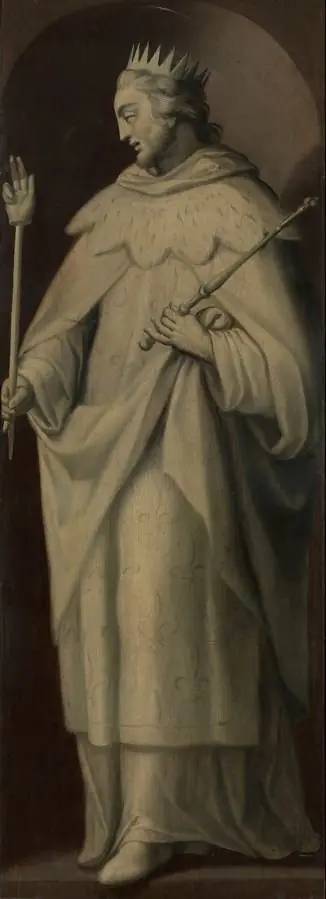 St Louis IX, King of France
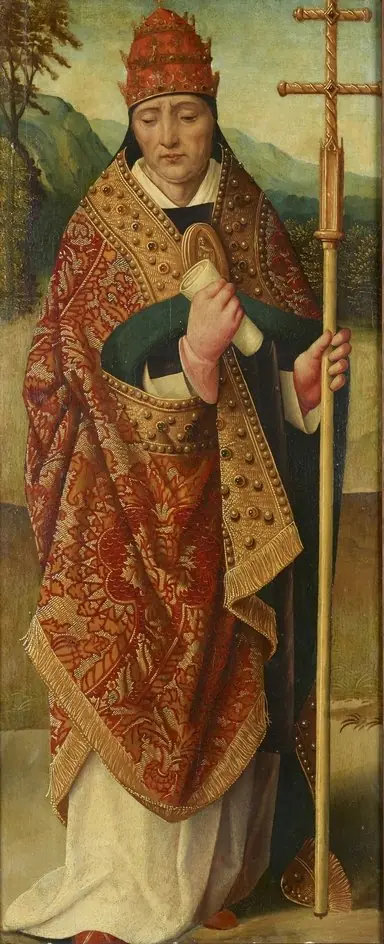 A papal Saint
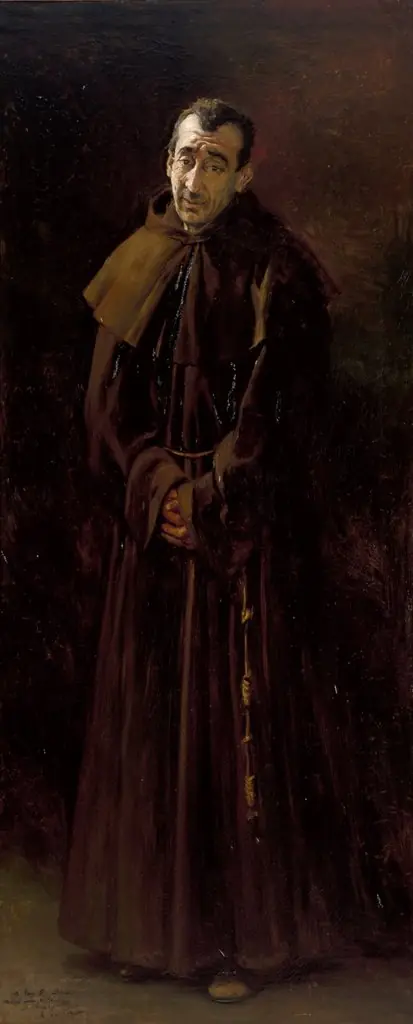 El actor José Riquelme en 'El famoso Colirón'
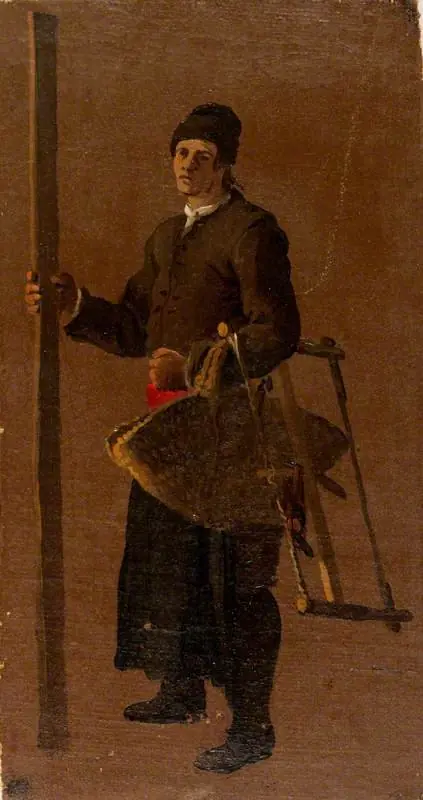 A Carpenter
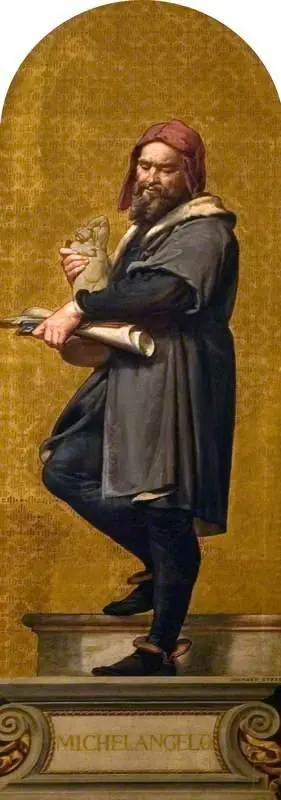 Michelangelo (1475–1564) (design for a mosaic in the Victoria and Albert Museum)
 Saint Peter of Verona
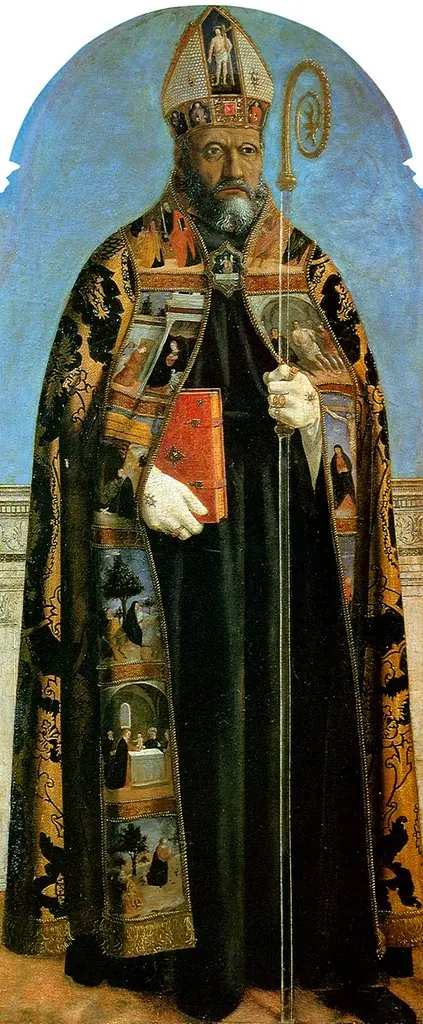 Saint Augustin