Artwork
The Flagellation of Christ
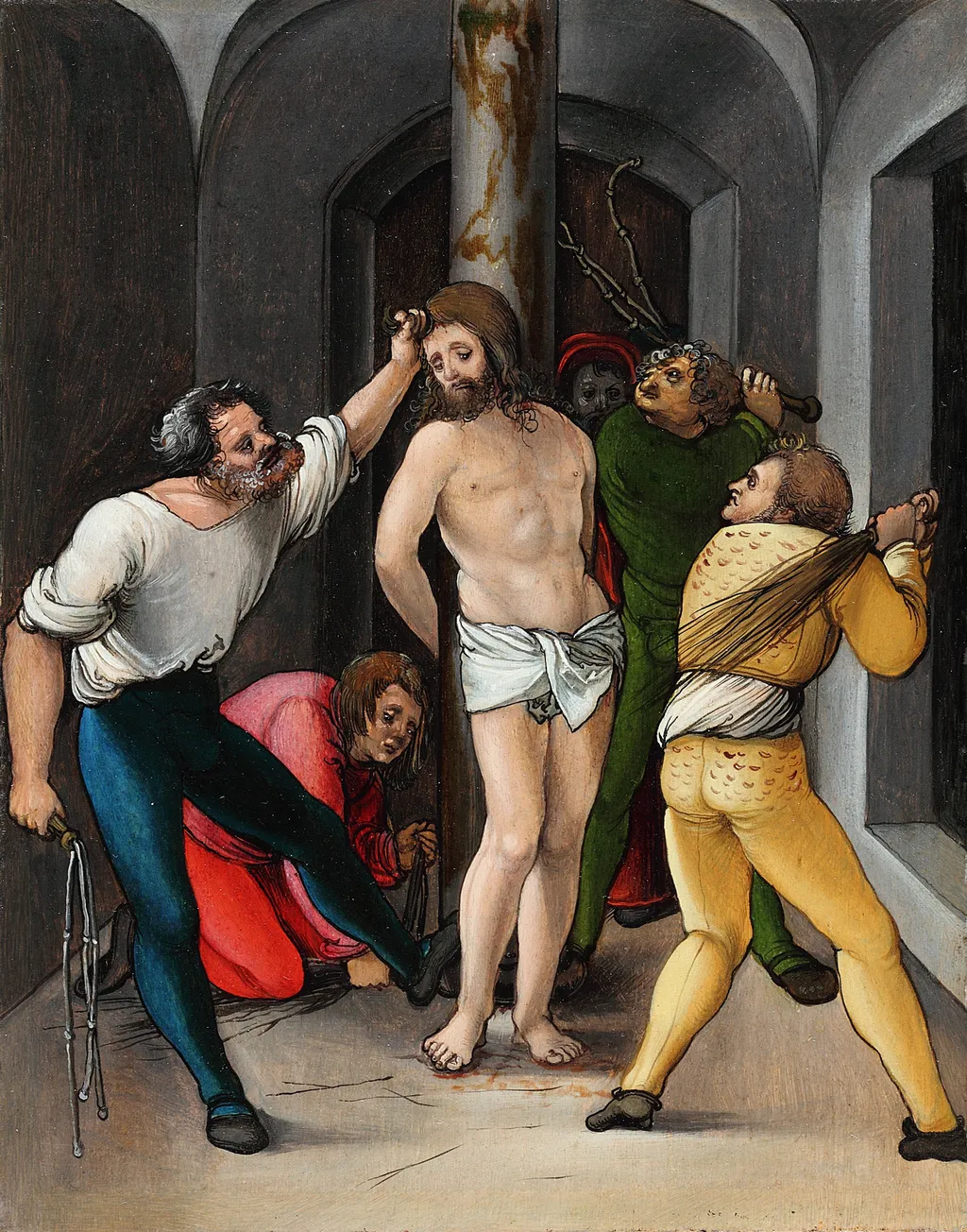
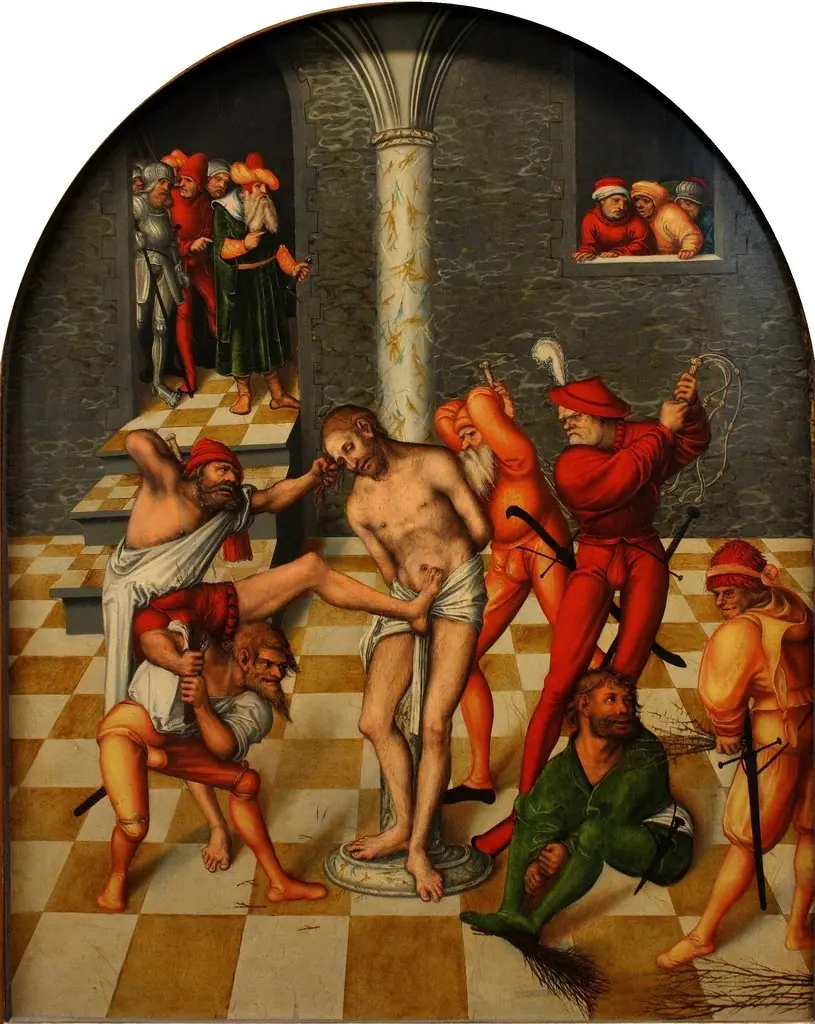
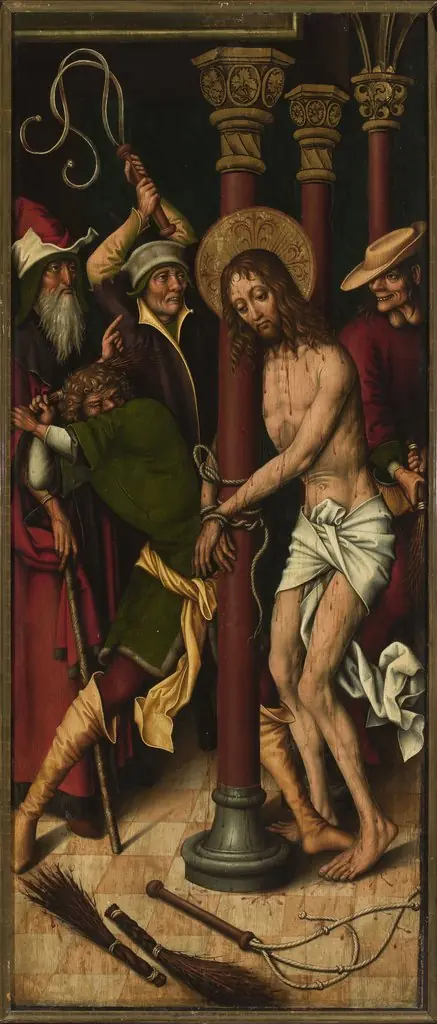
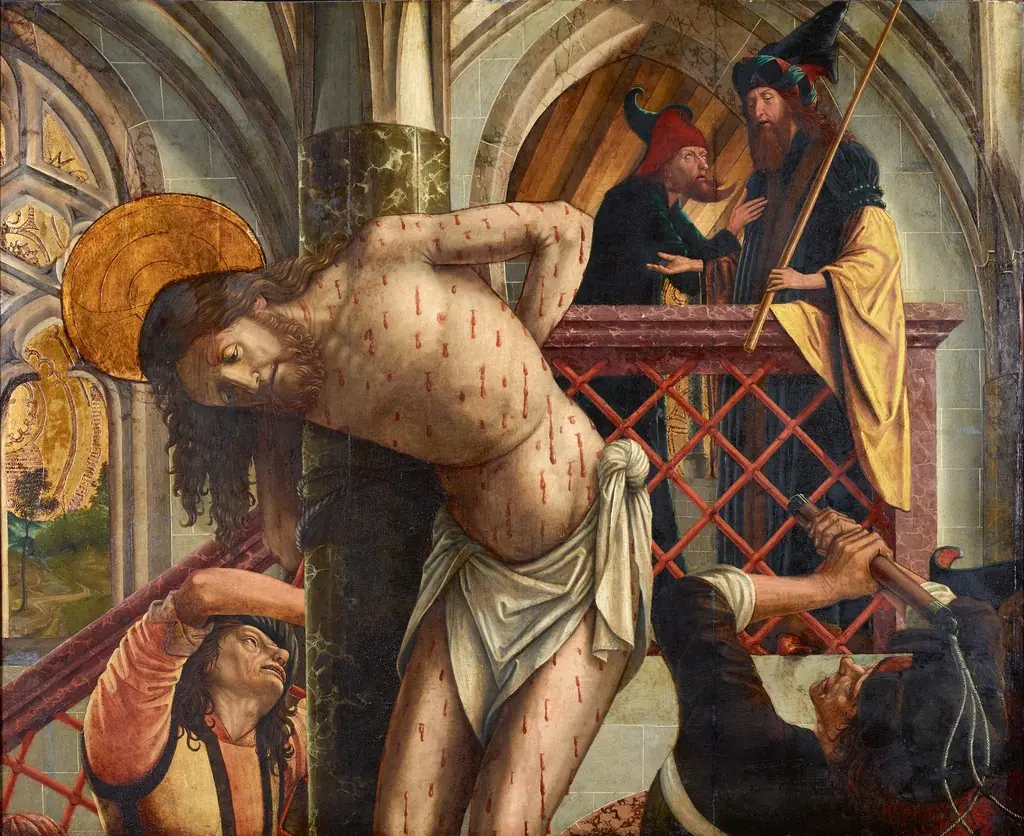
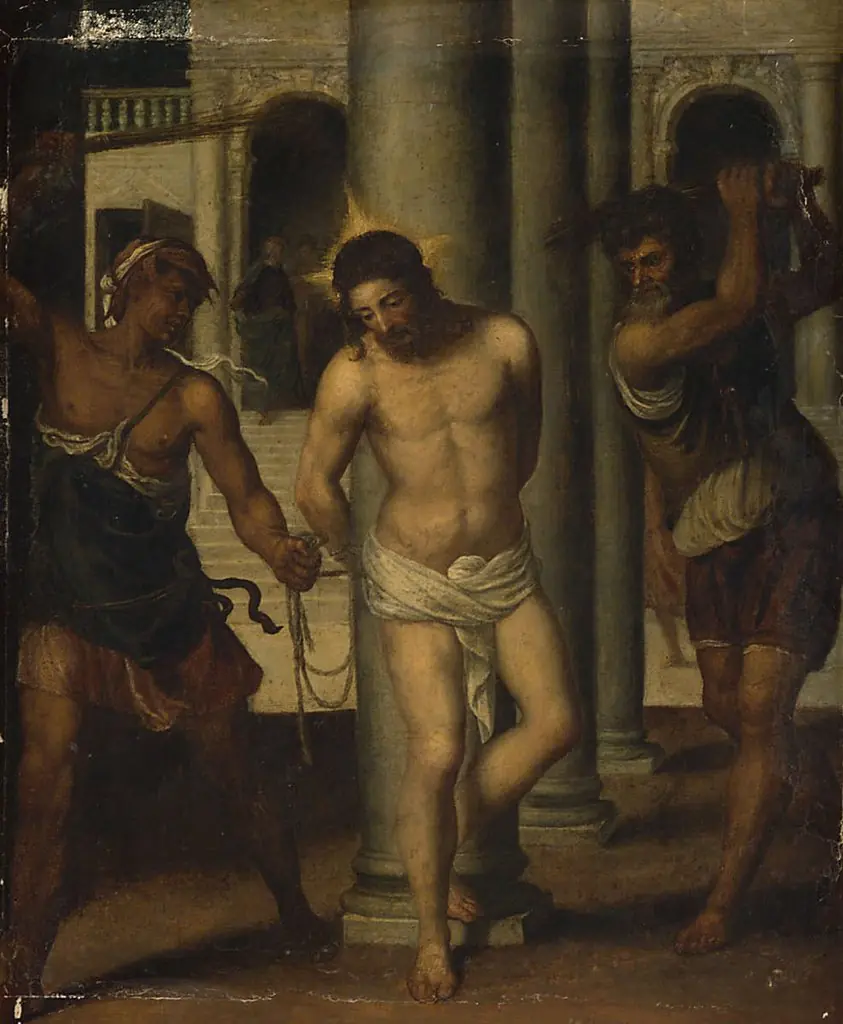
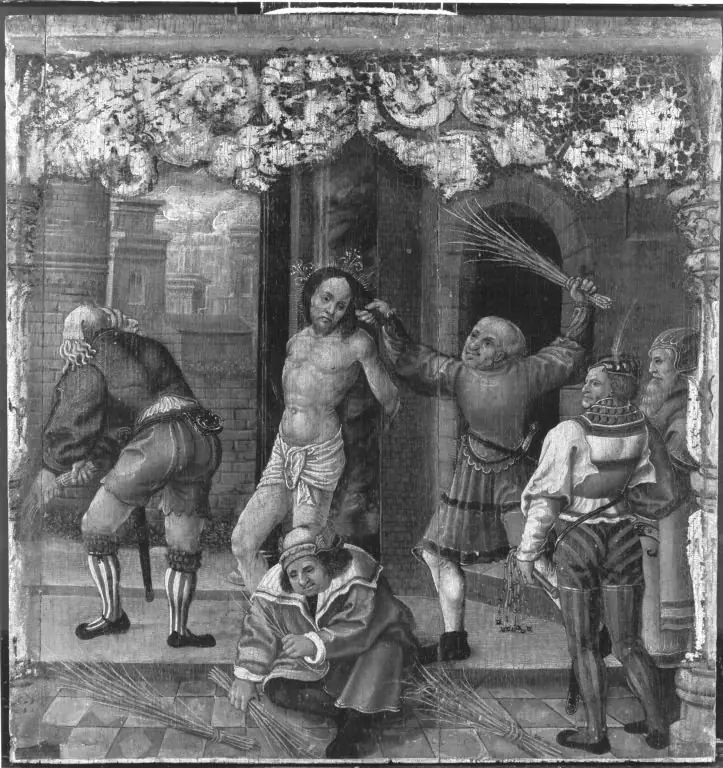
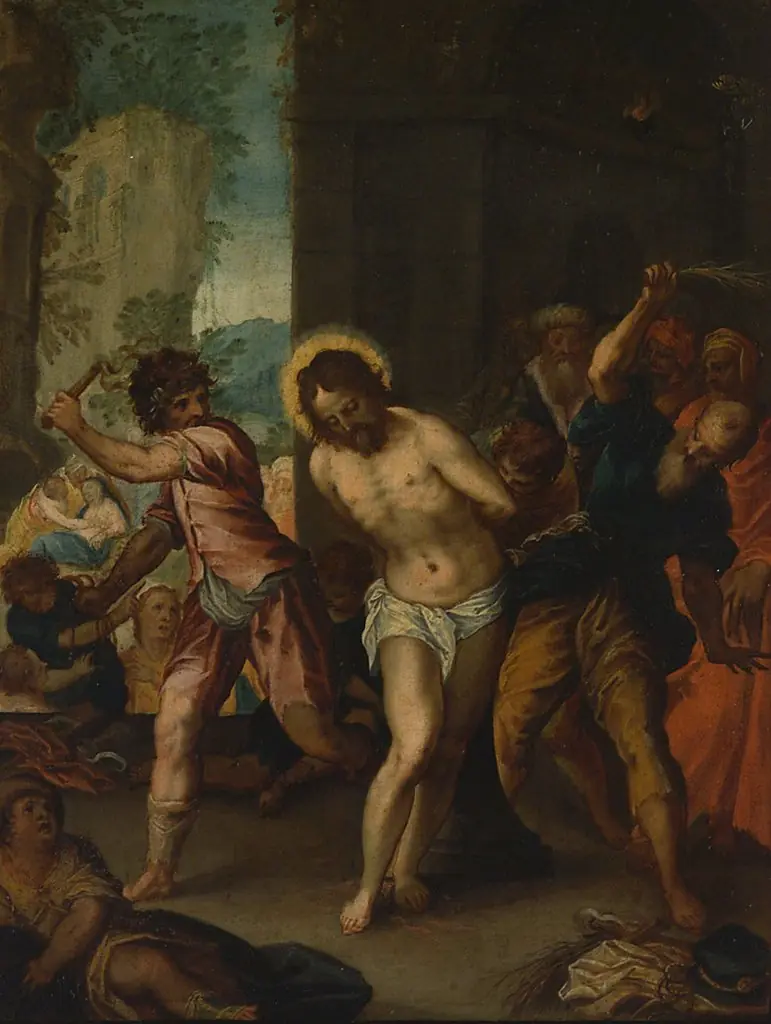
The Flagellation of Christ is a paint painting by the Northern Renaissance artist Hans Leonhard Schäufelein. It dates from 1506 and is held in the collection of the Gemäldegalerie Berlin.
About this work
Overview
Hans Leonhard Schäufelein’s *Flagellation of Christ* (1506) is an oil painting that portrays the biblical episode of Christ’s scourging. Executed in the early sixteenth century, the work is part of the Gemäldegalerie’s collection in Berlin and exemplifies the artist’s engagement with religious narrative through a compact, tightly arranged composition.
Subject & Meaning
The scene captures the moment when Christ, stripped to a simple white loincloth and standing barefoot, is surrounded by a group of tormentors. One figure restrains his right arm while another lifts a whip, emphasizing the physical and spiritual suffering central to the Passion narrative. The stark setting underscores the solemnity of the event.
Technique & Style
Schäufelein employs a pronounced chiaroscuro, juxtaposing illuminated figures against a shadowy interior to heighten tension. The careful rendering of facial expressions and bodily gestures reveals a keen observation of human emotion. Architectural elements—a dark arched doorway and a stone column—frame the action and contribute to the painting’s spatial depth.
History & Provenance
Created in 1506, the painting entered the Gemäldegalerie’s holdings in Berlin, where it remains on display. Its provenance reflects the work’s movement through private and institutional collections before becoming part of the museum’s early Renaissance assemblage, offering insight into the circulation of German devotional art.
Context
Schäufelein, a pupil of Albrecht Dürer, worked within the Northern Renaissance tradition that emphasized detailed observation and devotional intensity. The *Flagellation* aligns with contemporary German interpretations of Passion scenes, where graphic realism served both didactic and meditative purposes for viewers engaged in personal piety.
Own this work as a print
Artist & collection
Artist
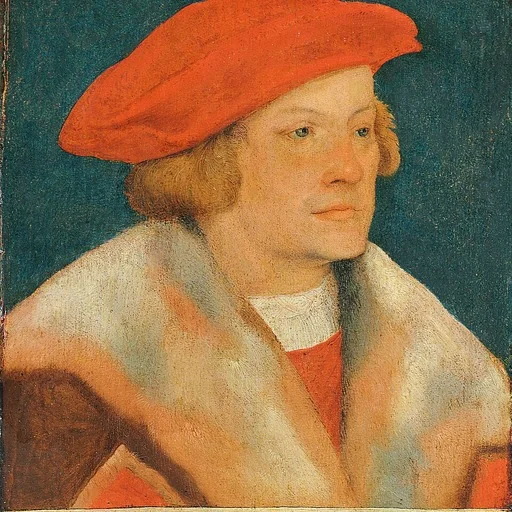
Hans Leonhard Schäufelein (1480–1540) was an artist, born in Nuremberg.

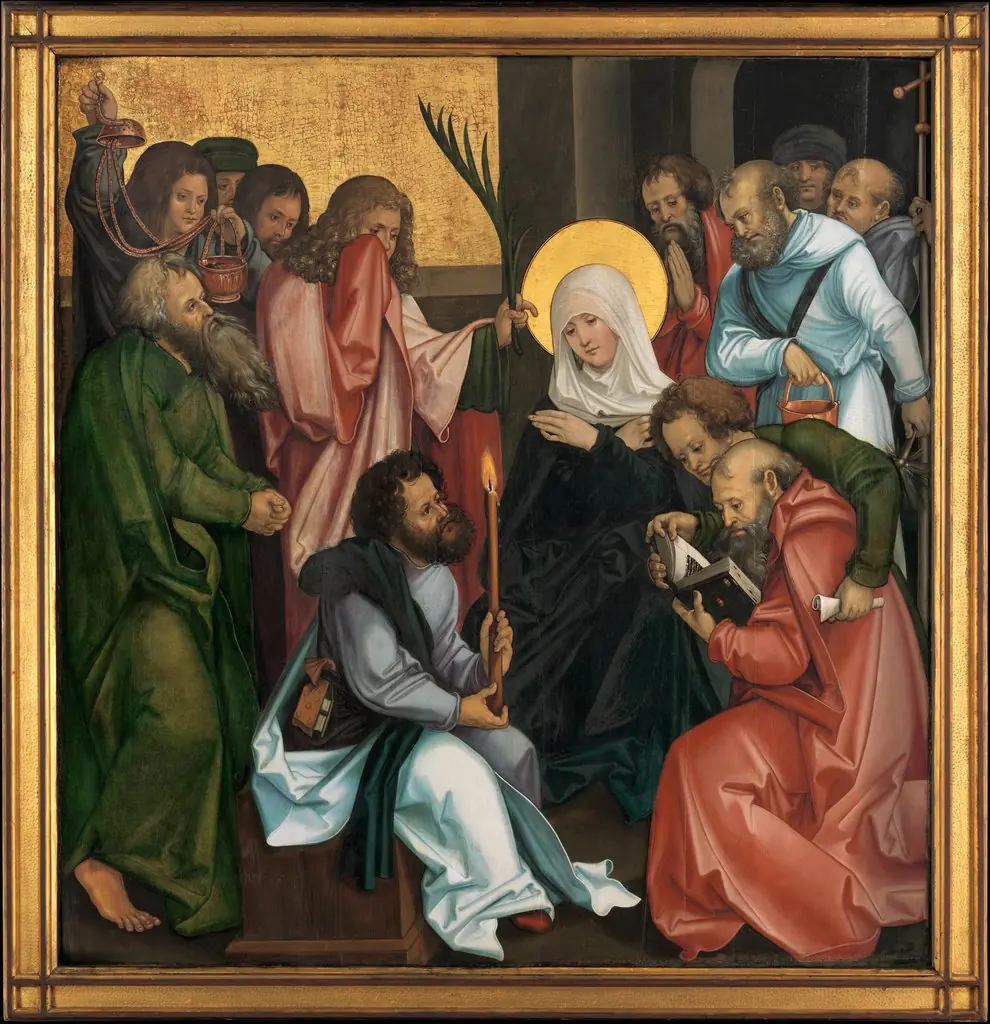 The Dormition of the Virgin; (reverse) Christ Carrying the Cross
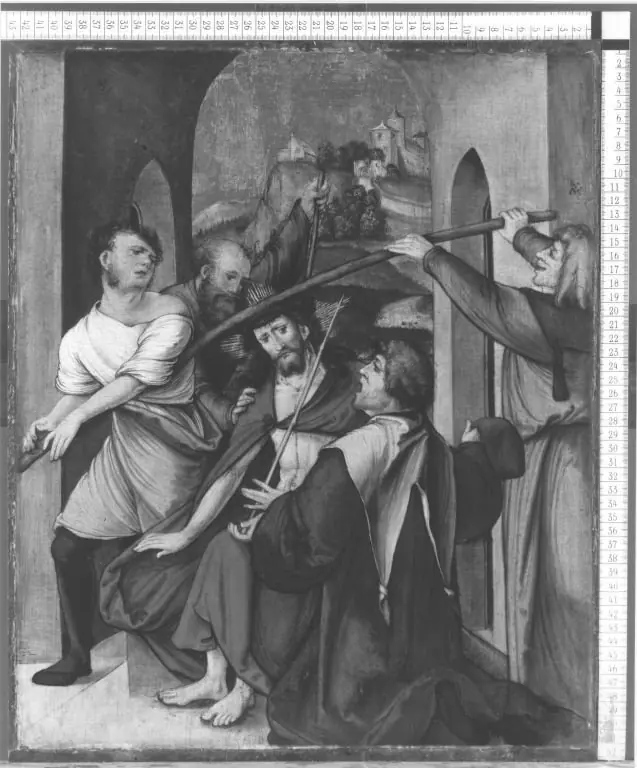 Christ crowned with thorns
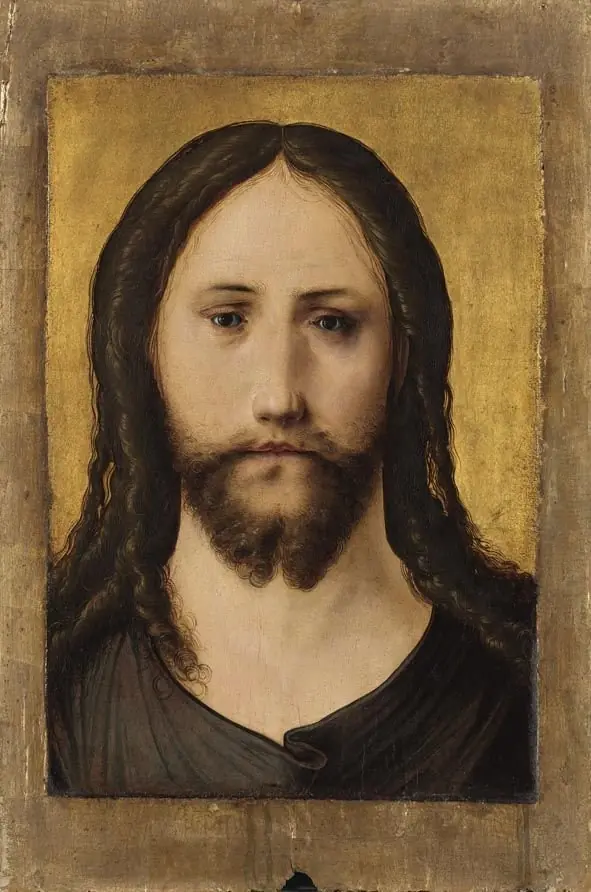 Christuskopf
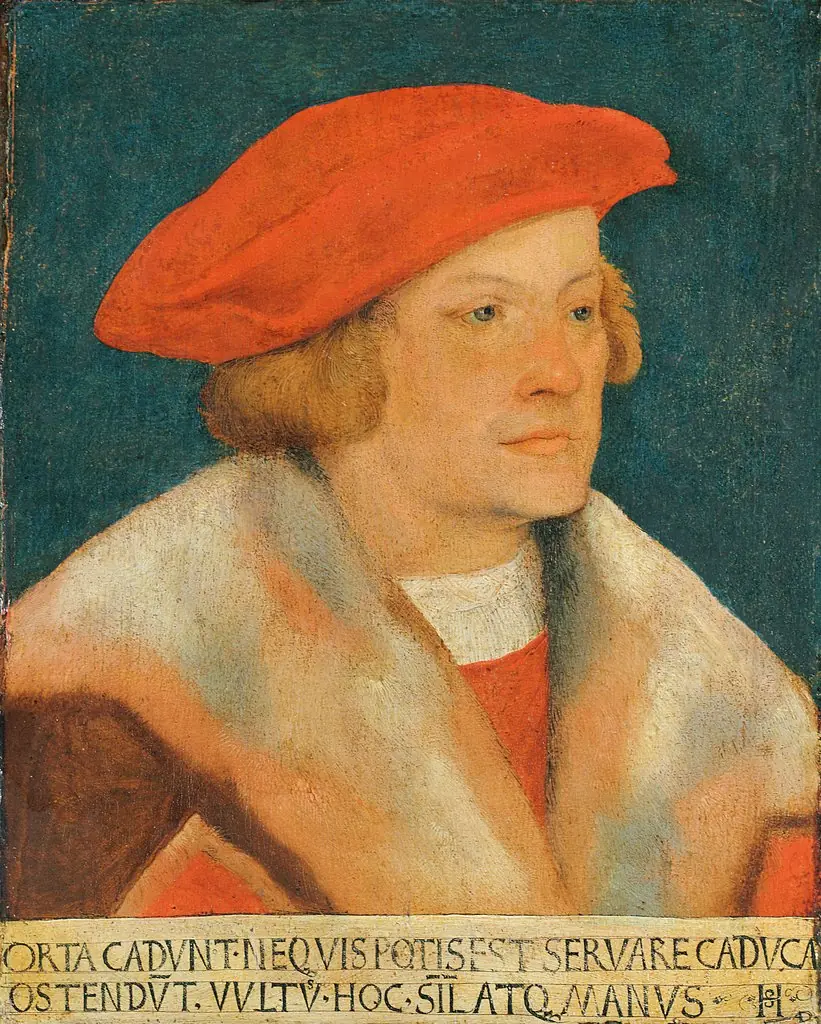 Portrait of a Man (Self-portrait?)
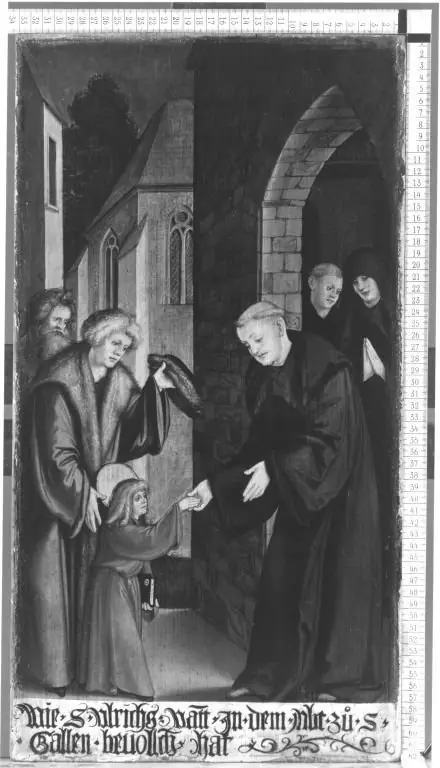 Der hl. Ulrich vor dem Abt von St. Gallen
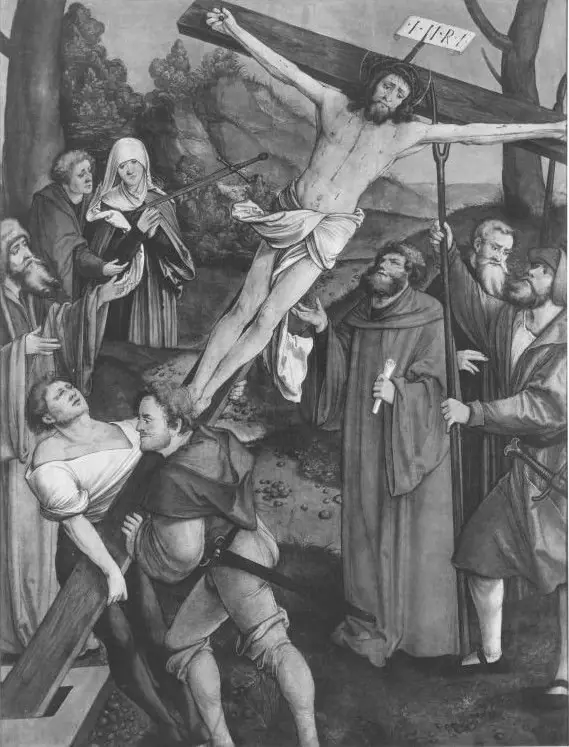 Christgartner Altar: Fall Christi bei der Kreuzaufrichtung (Abgetrennte Rückseite von WAF 920)
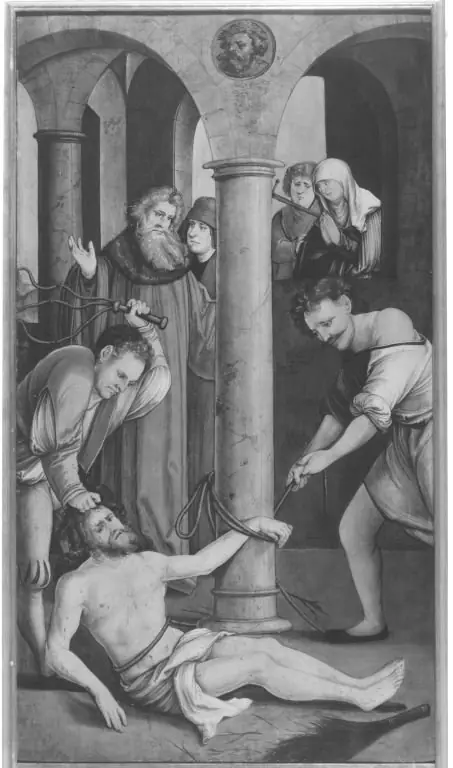 Fall of Christ during the Flagellation
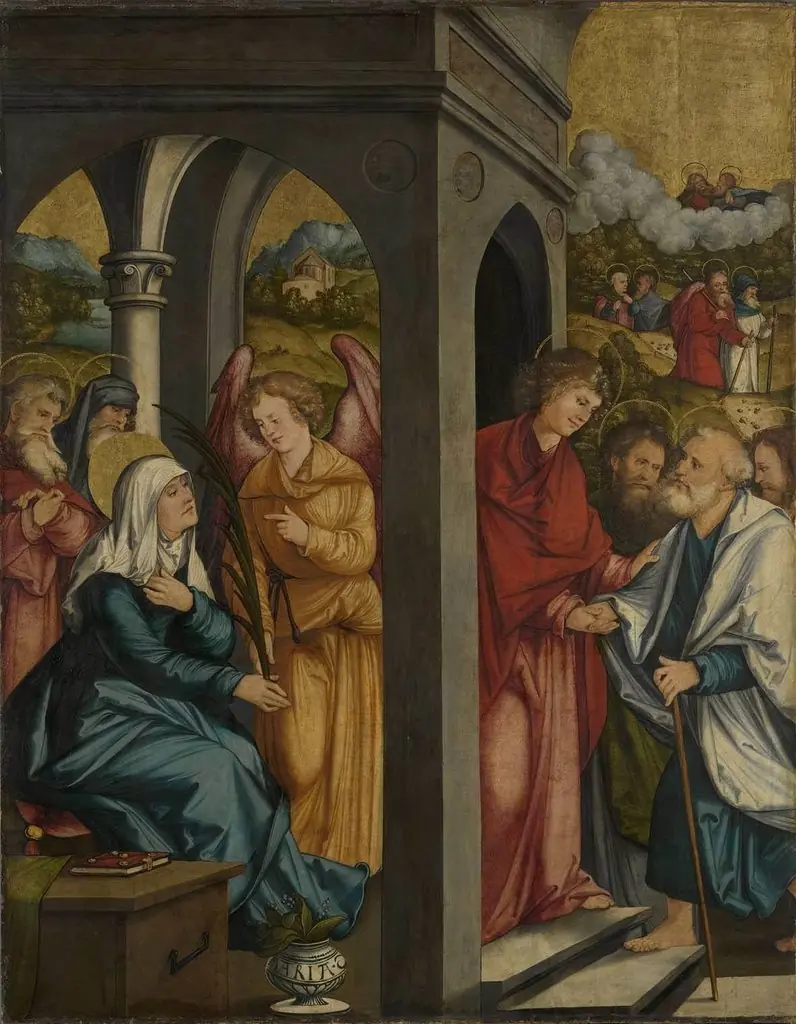 Christgartner Altar: Ein Engel reicht Maria die Palme