Artwork
Flagellation of Christ
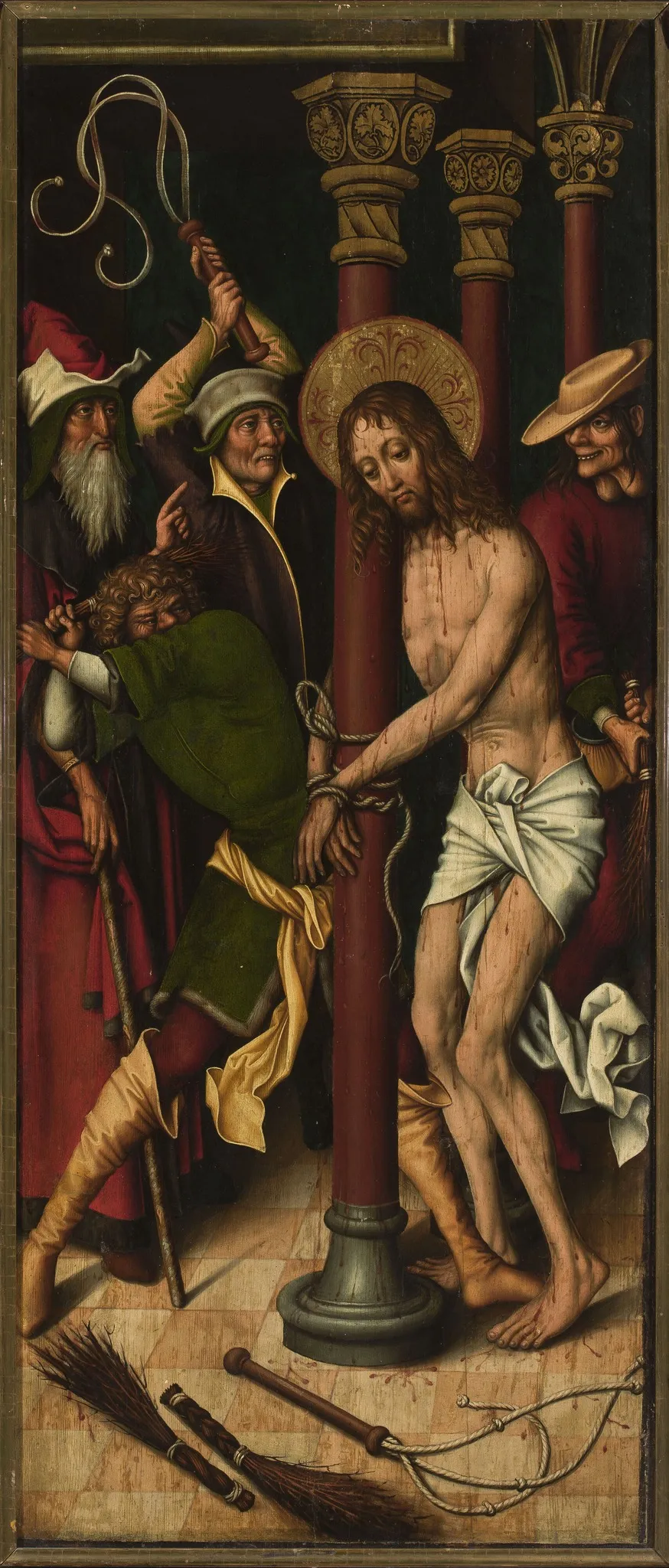
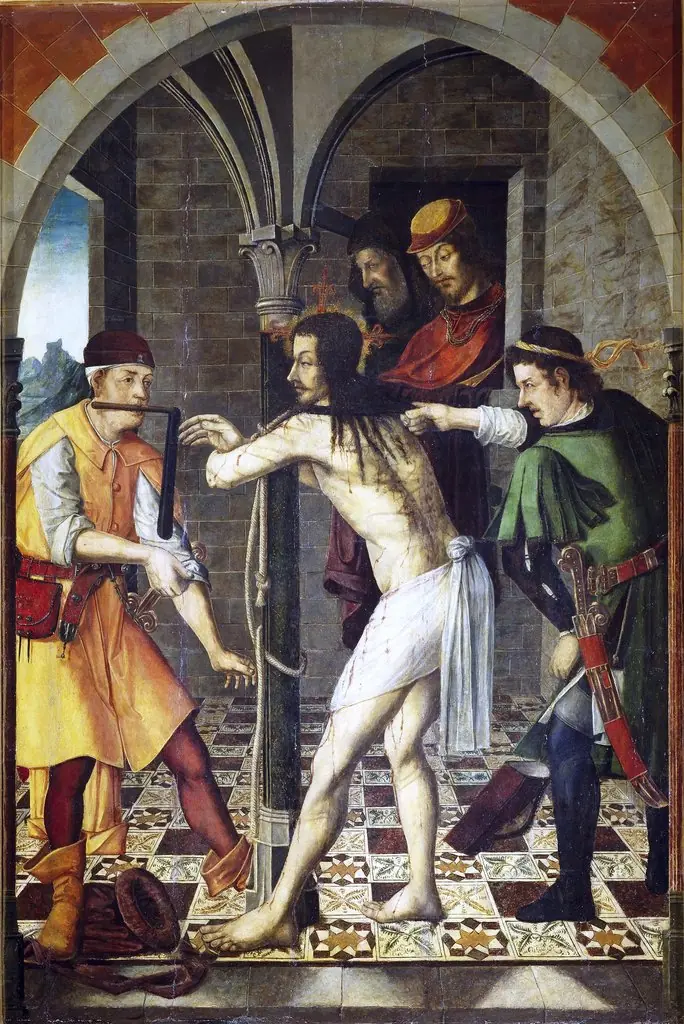
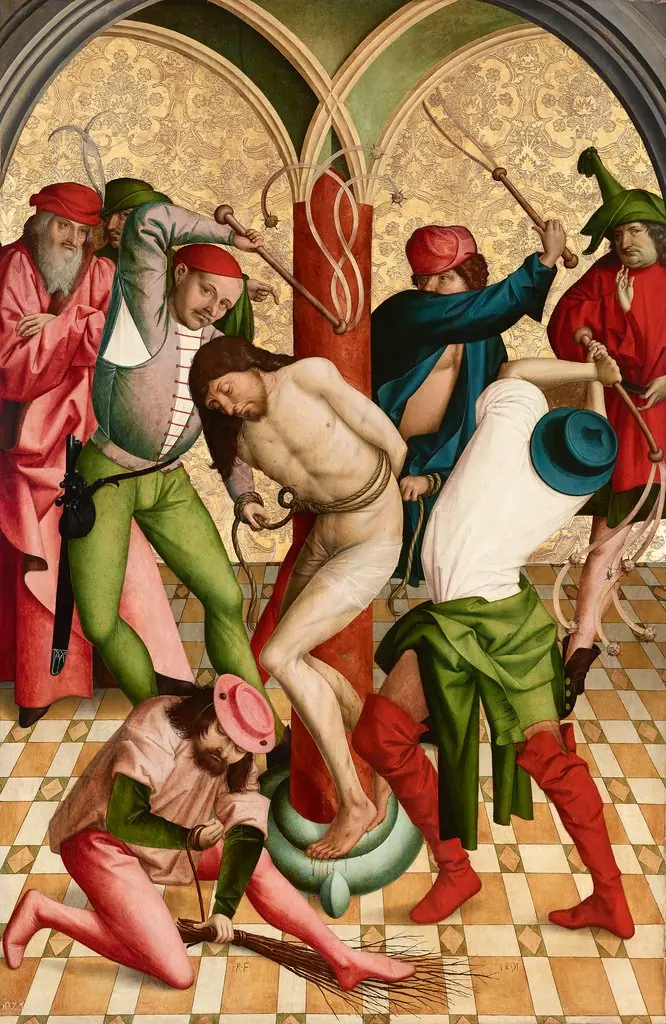
Flagellation of Christ is an unspecified painting by the Northern Renaissance artist Sigmund Holbein. It dates from 1500 and is held in the collection of the National Museum in Warsaw.
About this work
Overview
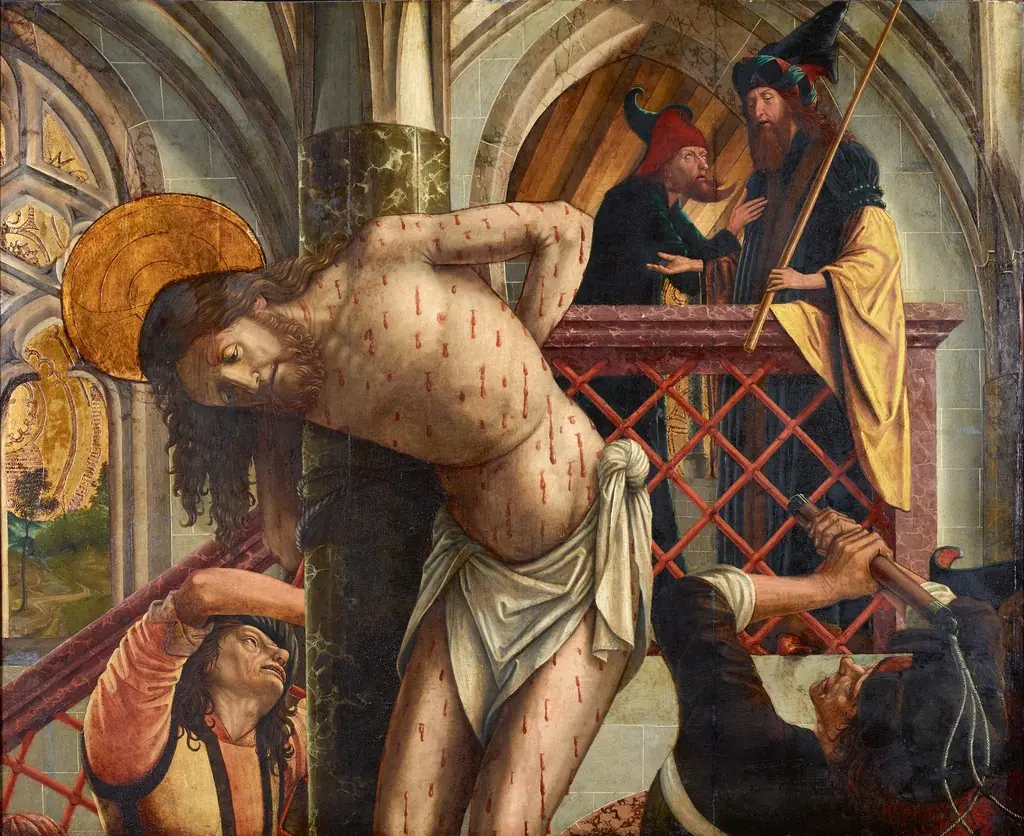
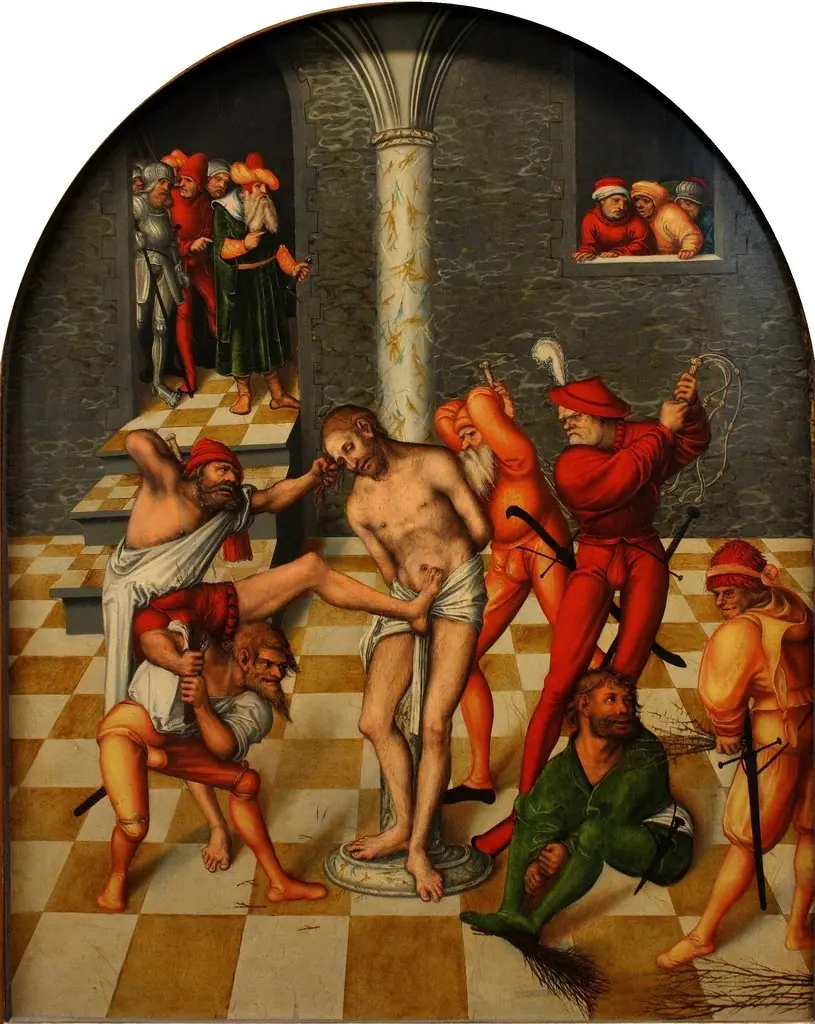
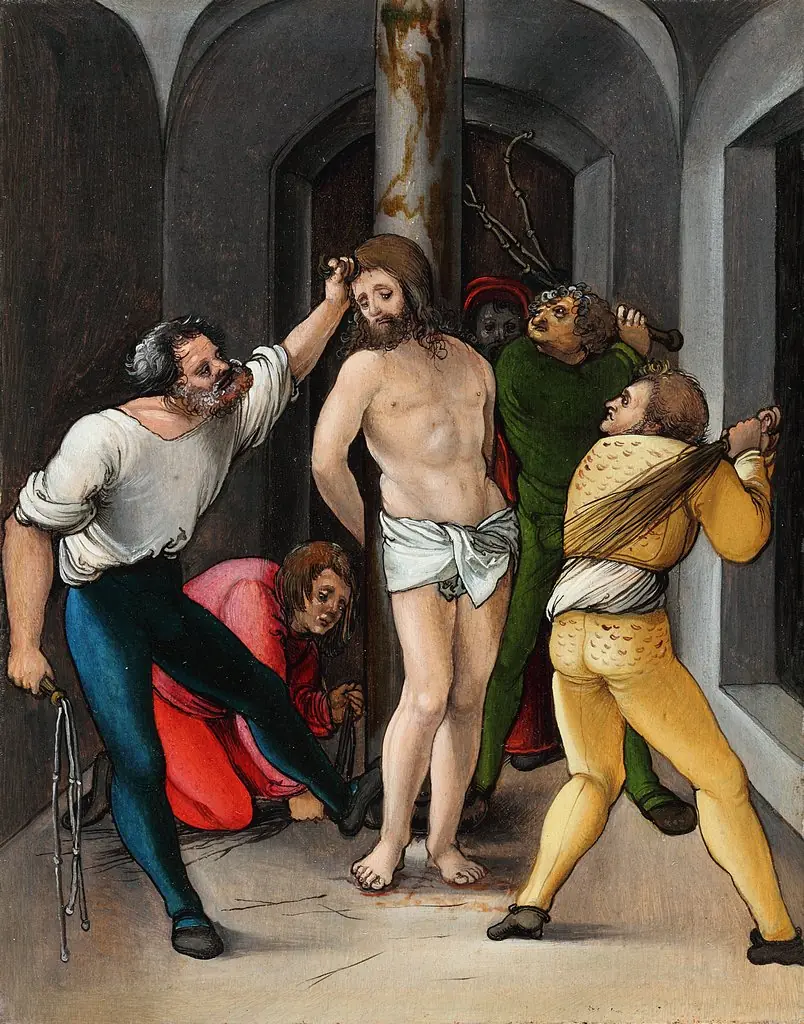
Flagellation of Christ is a 1500 religious painting by Sigmund Holbein, depicting the biblical scene of Jesus Christ's flogging. The work is part of the collection at the National Museum in Warsaw.
Subject & Meaning
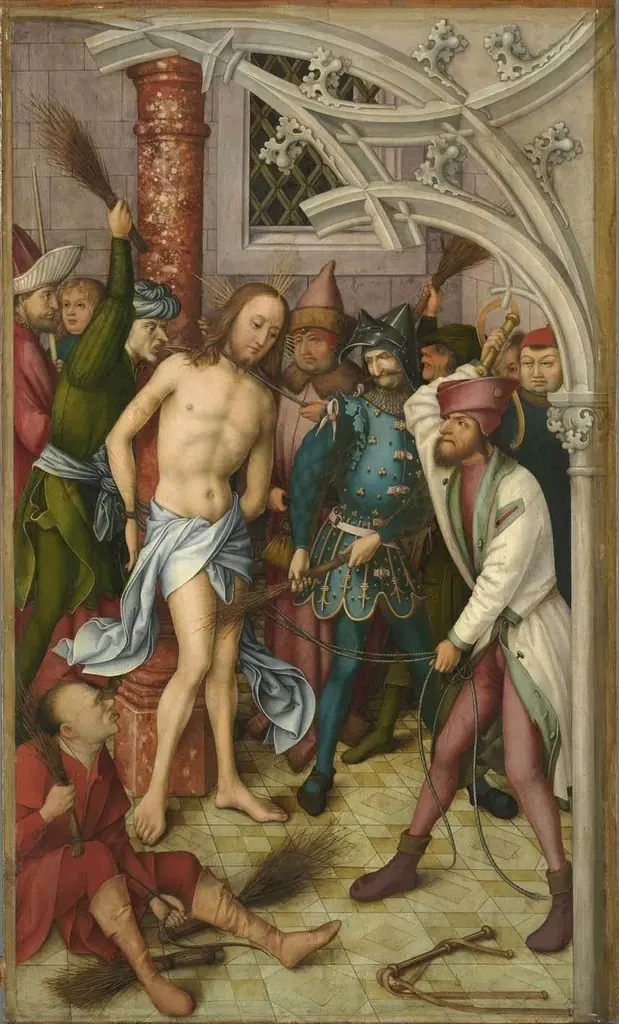
The painting somberly portrays Jesus, clad in a simple white loincloth, being whipped by two men while a third observes from the background. The scene conveys a mood of profound sadness and suffering, emphasizing Christ's ordeal.
Technique & Style
Holbein employed chiaroscuro to create depth and dramatic tension, focusing attention on Jesus. The figures wear Renaissance-style attire, with the tormentors in dark clothing, one distinguished by a red hat, set against a muted, dark background with a distant, faint building.
History & Provenance
Created in 1500, the painting's provenance prior to its current location in the National Museum, Warsaw, is not detailed here.
Context
While Sigmund Holbein's work is less documented compared to his more famous relative Hans Holbein the Younger, this piece reflects the religious themes common in early 16th-century European art, particularly in the use of chiaroscuro, a technique popularized during the Renaissance.
Legacy
The painting's impact or influence on subsequent art is not prominently recorded, though it remains a significant example of early 16th-century religious painting in museum collections.
Artist & collection