Artwork
Portrait of an Elderly Woman
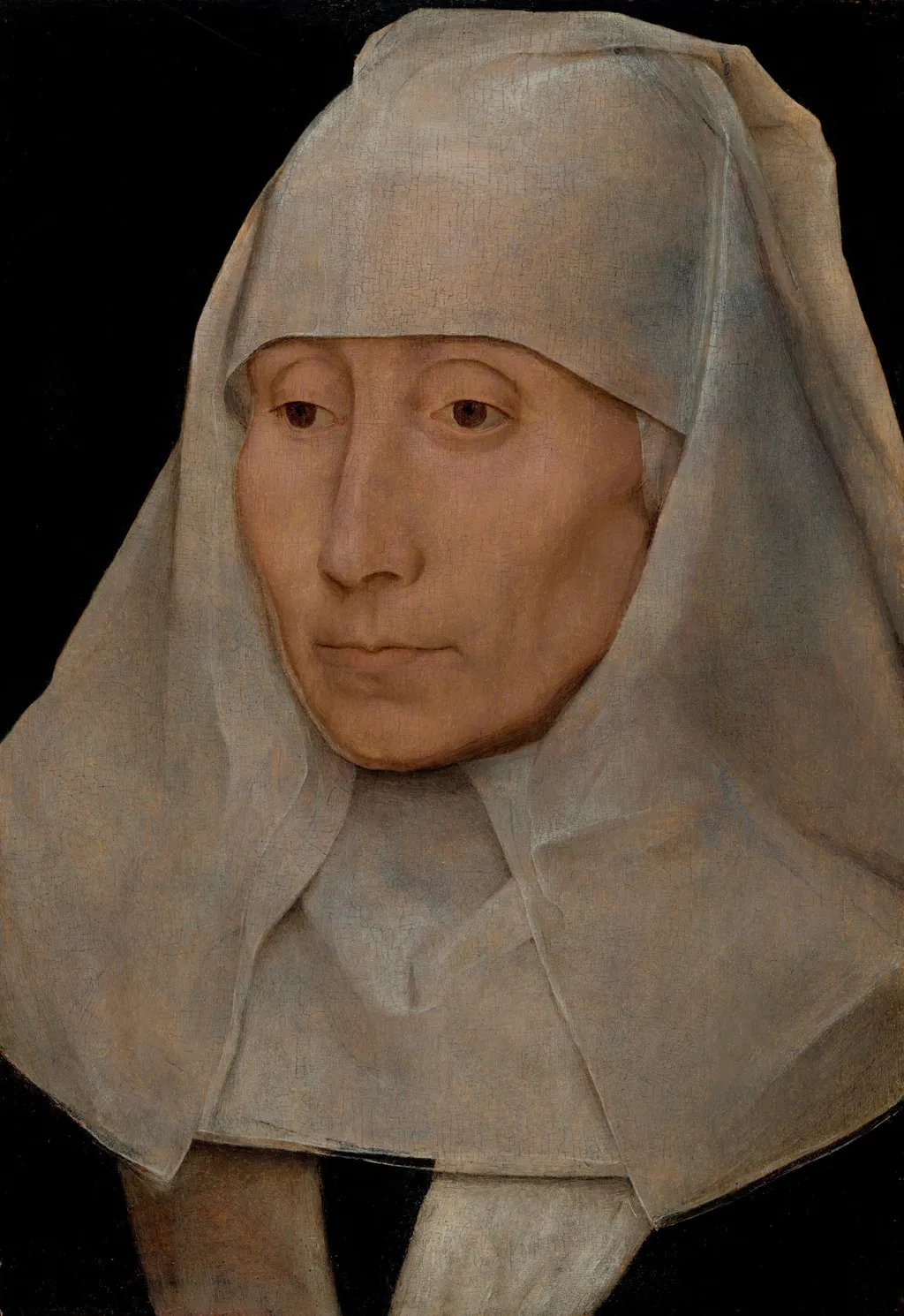
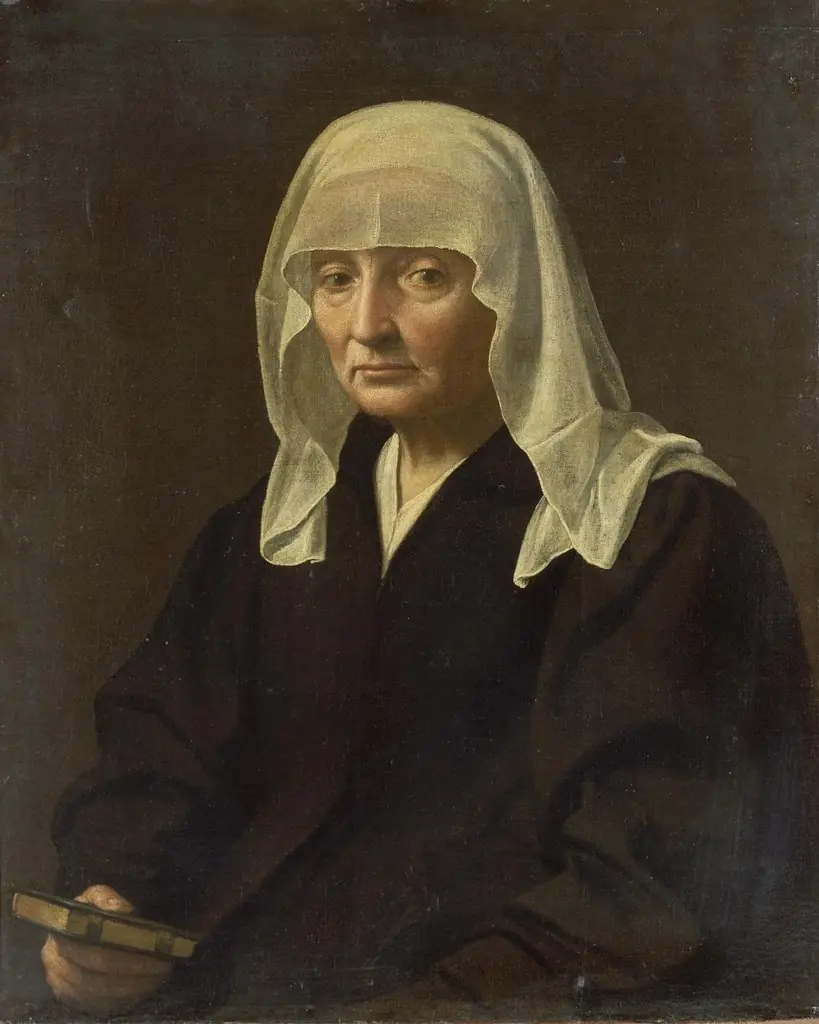
Portrait of an Elderly Woman is an oil painting by the Northern Renaissance artist Hans Memling. It dates from 1493 and is held in the collection of the Museum of Fine Arts, Houston.
About this work
Overview
Originally part of a larger devotional structure, the panel has been significantly reduced in size, likely due to the separation of a diptych or triptych.
This small oil-on-wood panel, dated around 1475–80, is attributed to Hans Memling, a leading painter of the Early Netherlandish tradition. Originally part of a larger devotional structure, the panel has been significantly reduced in size, likely due to the separation of a diptych or triptych. It has been in the collection of the Museum of Fine Arts, Houston, since 1944, following a documented provenance through private collections in Berlin, Vienna, and New York.
Subject & Meaning
The painting depicts an elderly woman with a calm, unadorned expression, her face framed by a plain white headdress and simple white garments. Her identity remains unknown, but the portrait’s intimate scale and devotional tone suggest it was once a donor portrait, intended to accompany a religious scene. The absence of symbolic attributes or background elements emphasizes personal piety over social status, aligning with contemporary devotional practices in the Low Countries.
Technique & Style
Memling employs subtle chiaroscuro to model the woman’s face, using soft gradations of light to render skin with quiet realism. The stark contrast between her luminous head covering and the dark background heightens her presence. The paint handling is precise yet restrained, with delicate brushwork capturing the texture of fabric and the translucency of aged skin. These qualities reflect Memling’s mastery of tonal harmony, akin to his other portraits from the same period.
History & Provenance
The panel was in Paris by 1910, acquired by C. von Hollitscher in Berlin, and later entered the von Auspitz collection in Vienna. In 1931, it passed to the art dealer Bachstitz, who sold it to Percy S. Straus in 1934. Straus bequeathed it to the Museum of Fine Arts, Houston, in 1944. The painting’s original context as part of a multi-panel altarpiece was deduced from its format and stylistic parallels with other surviving donor portraits.
Context
During the late 15th century, small donor portraits were commonly integrated into altarpieces to signify the patron’s devotion and presence before the sacred image. Memling’s portrait aligns with this tradition, sharing compositional and tonal features with a companion portrait of an elderly man now in the Metropolitan Museum of Art. Though the original altarpiece has been lost, the pairing suggests a married couple commissioned as spiritual witnesses within a larger religious ensemble.
Legacy
The painting endures as a quiet example of Netherlandish portraiture, valued for its restraint and psychological nuance. While not widely exhibited, it contributes to scholarly understanding of Memling’s approach to individual likeness and devotional function. Its survival, despite fragmentation and restoration, underscores the resilience of small-scale panel paintings from this era and their role in personal piety.
Artist & collection
Artist
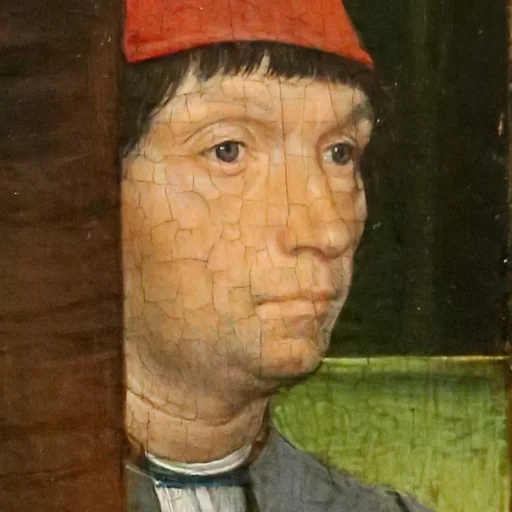
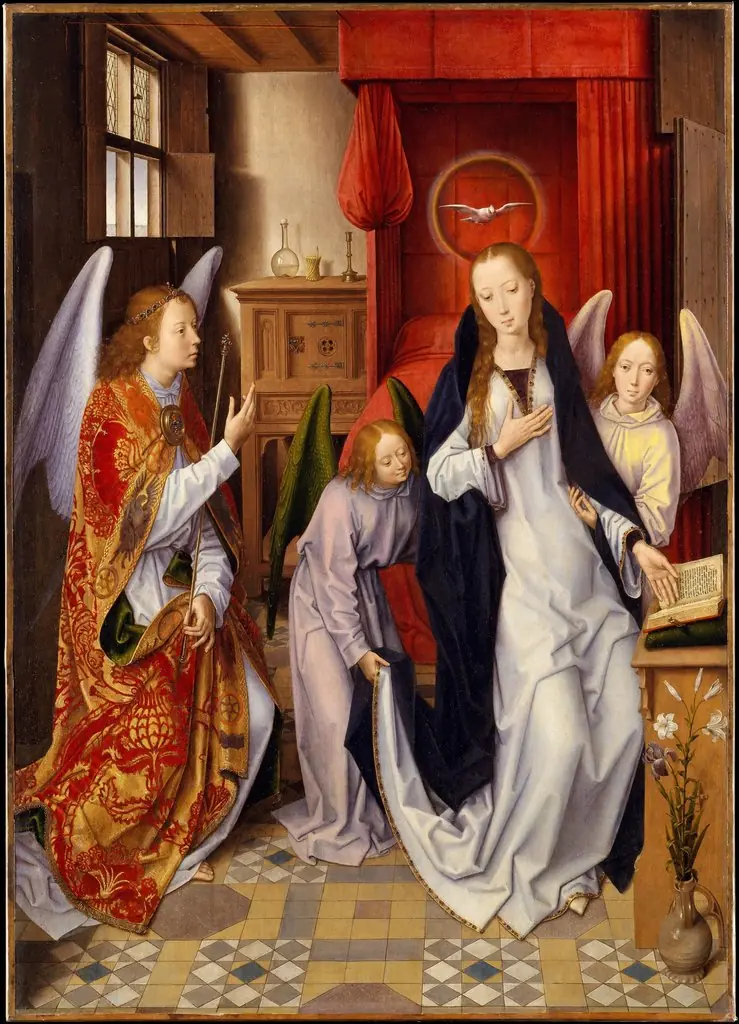
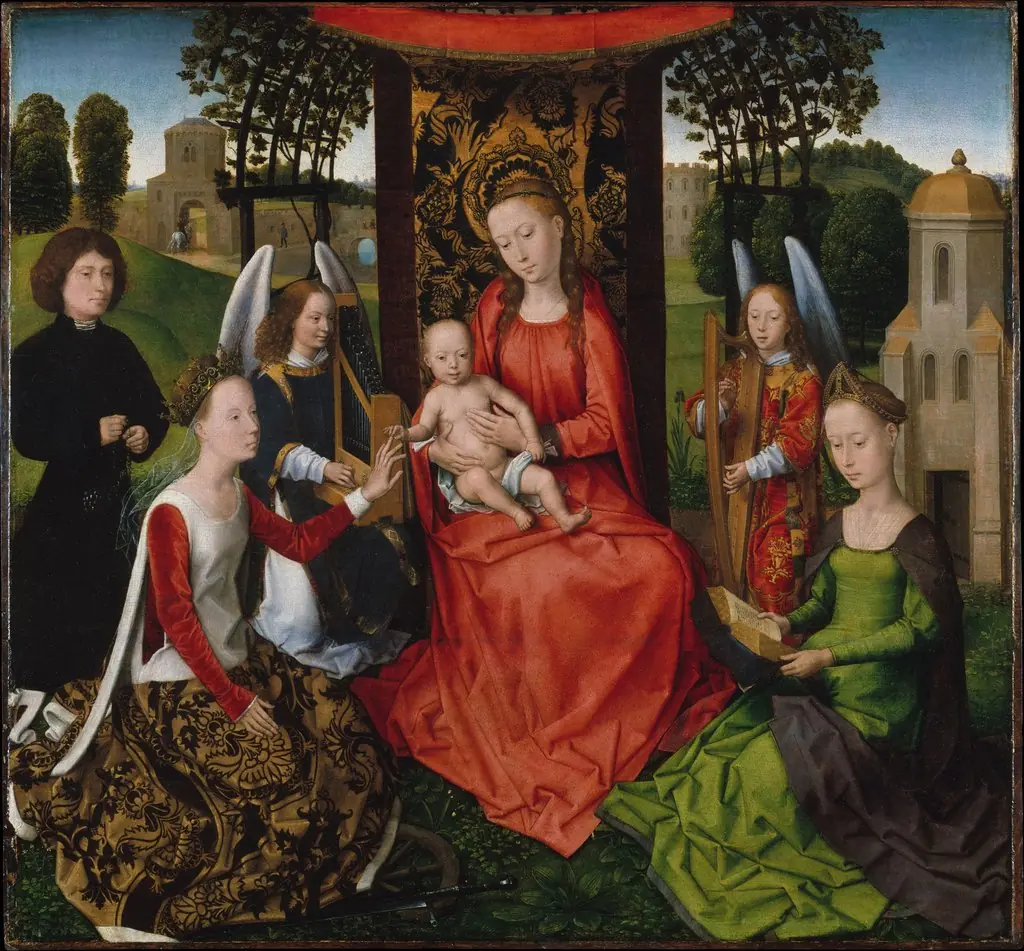
Hans Memling was a German-Flemish painter who worked in the tradition of Early Netherlandish painting.

![Saint Veronica [obverse], by Hans Memling](https://artifactworldgallery.com/img/hans-memling--saint-veronica-obverse--5a649fd8b09c96b9-w320.webp)
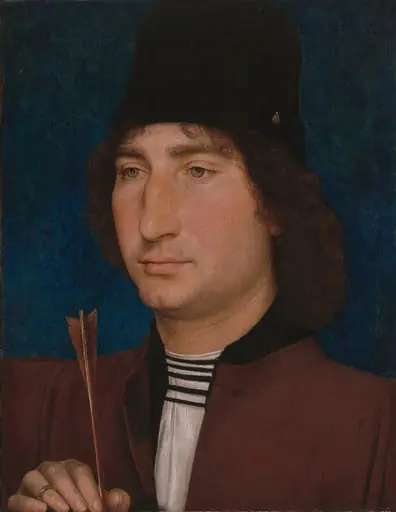
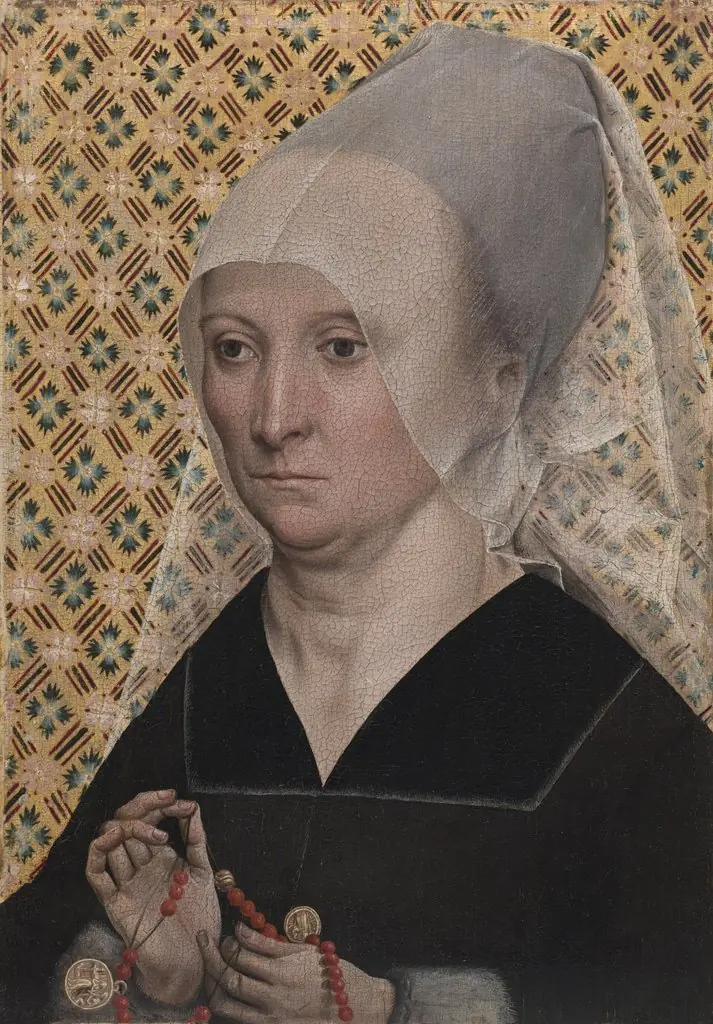 Portrait of a Woman
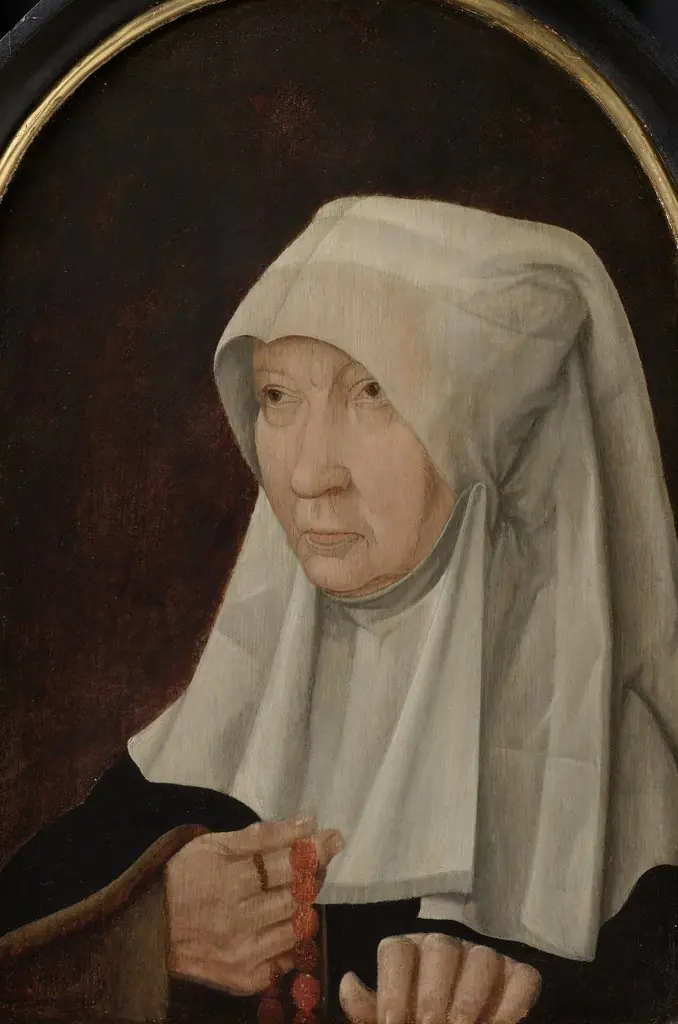 Portrait of Jacomina Claesdr van Ruyven (?-1509)
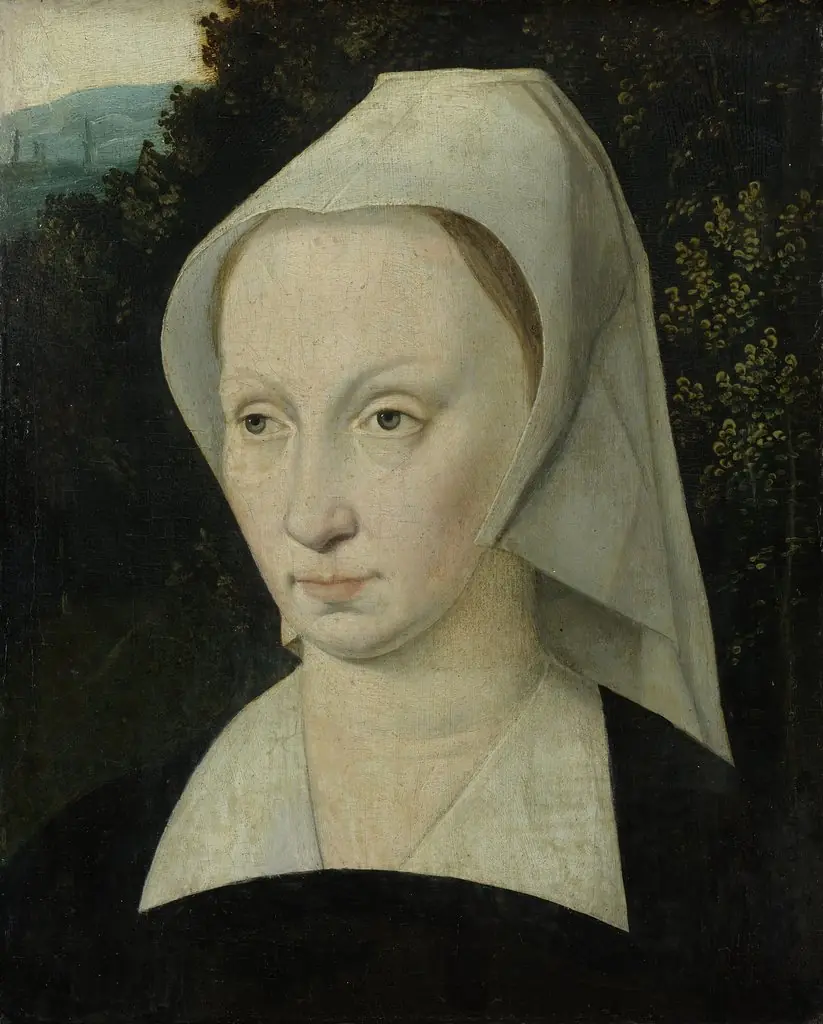 Portrait of a woman
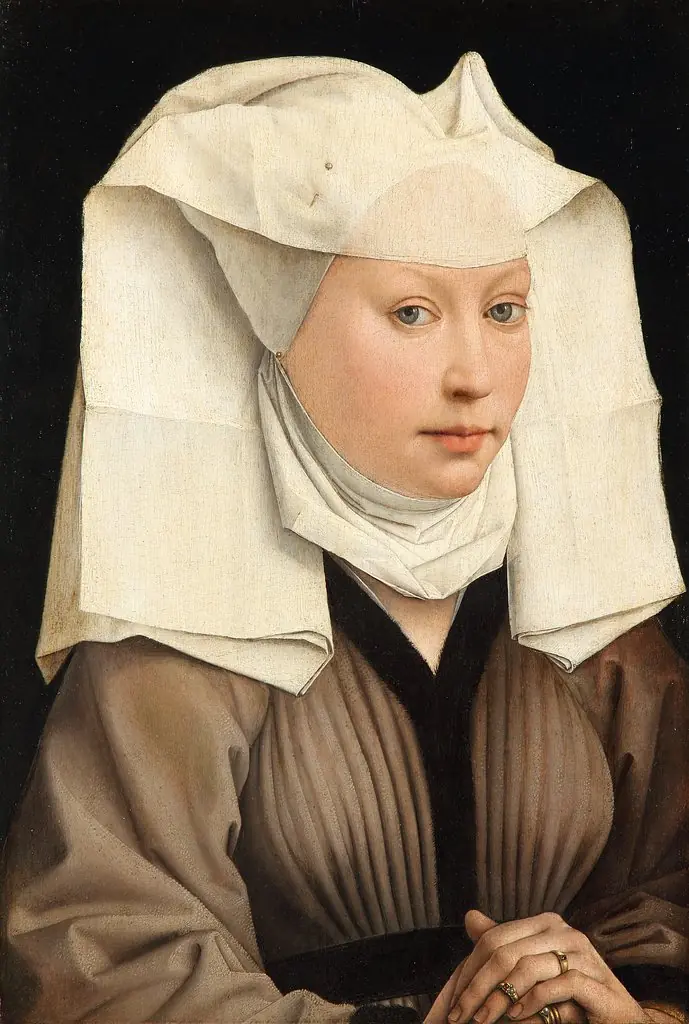 Portrait of a Young woman with a Winged Bonnet
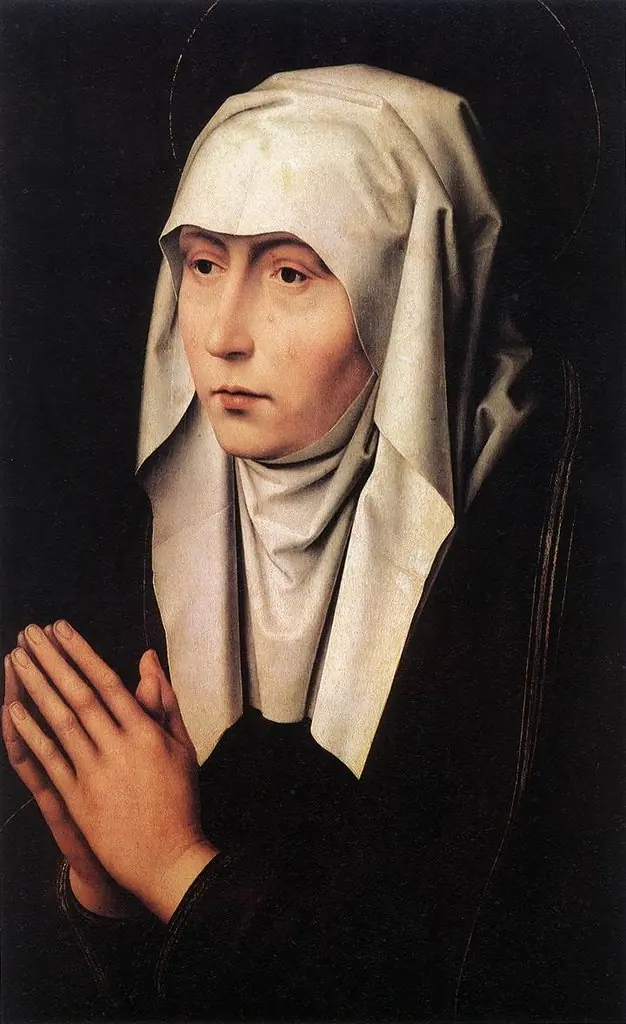 Mater Dolorosa
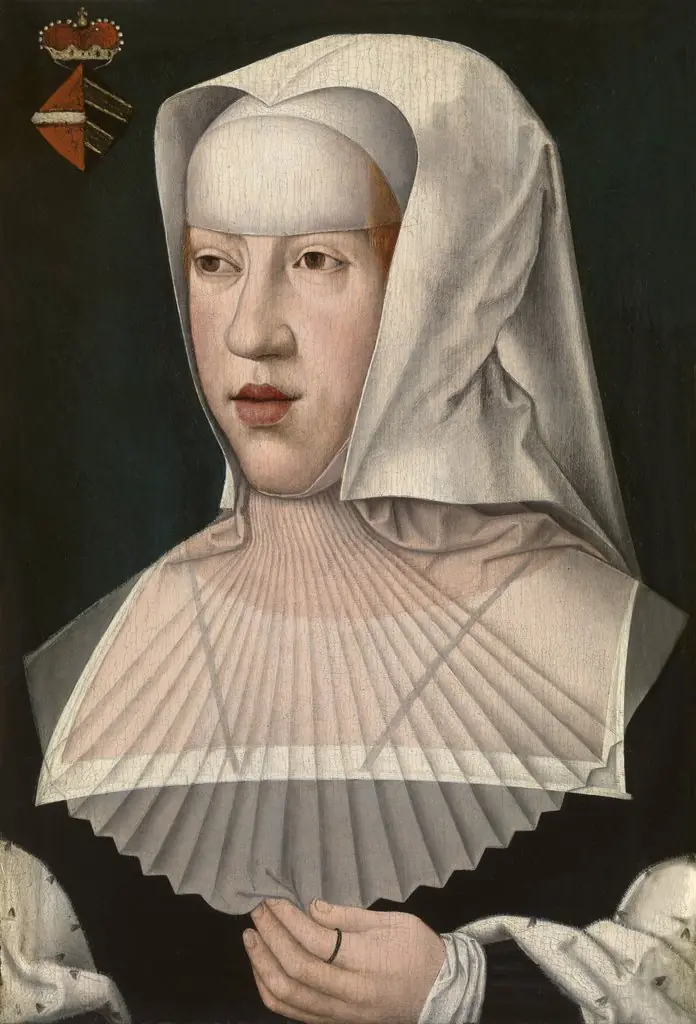 Margareta of Austria
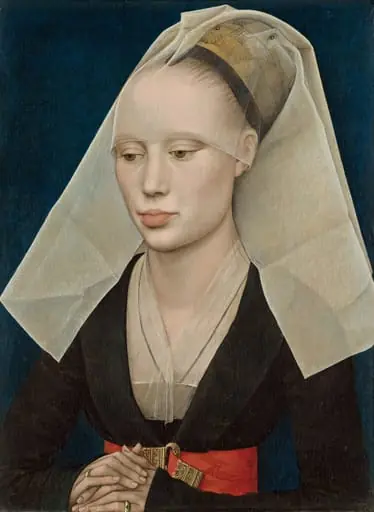 Portrait of a Lady
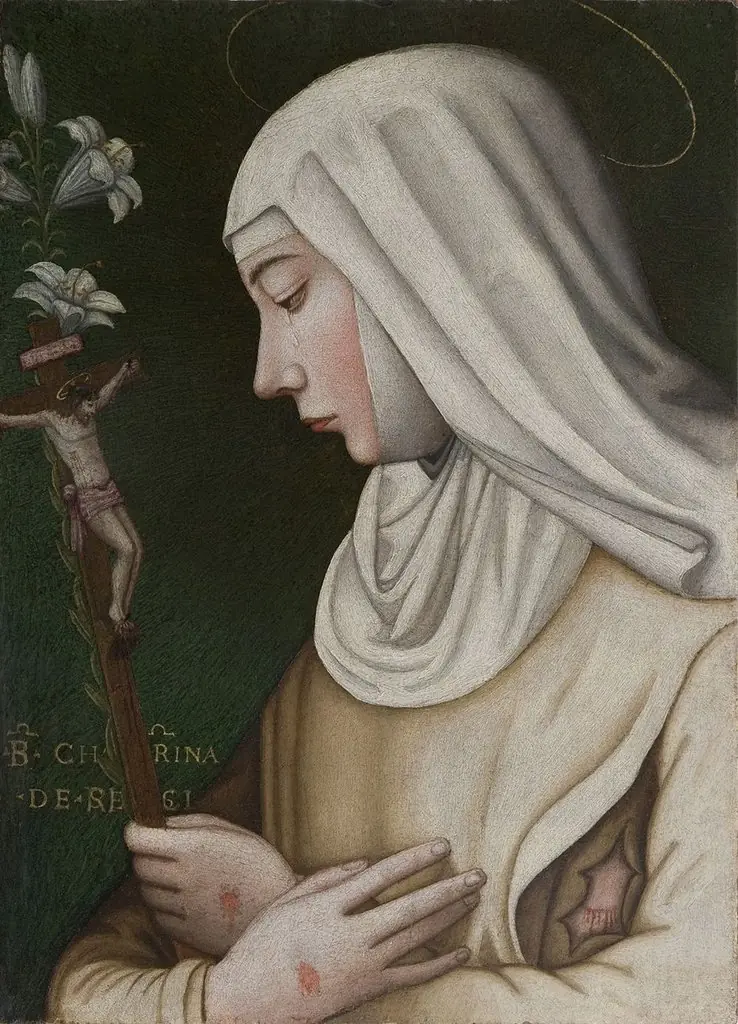 St Catherine of Siena with the Crucifix and the Lily
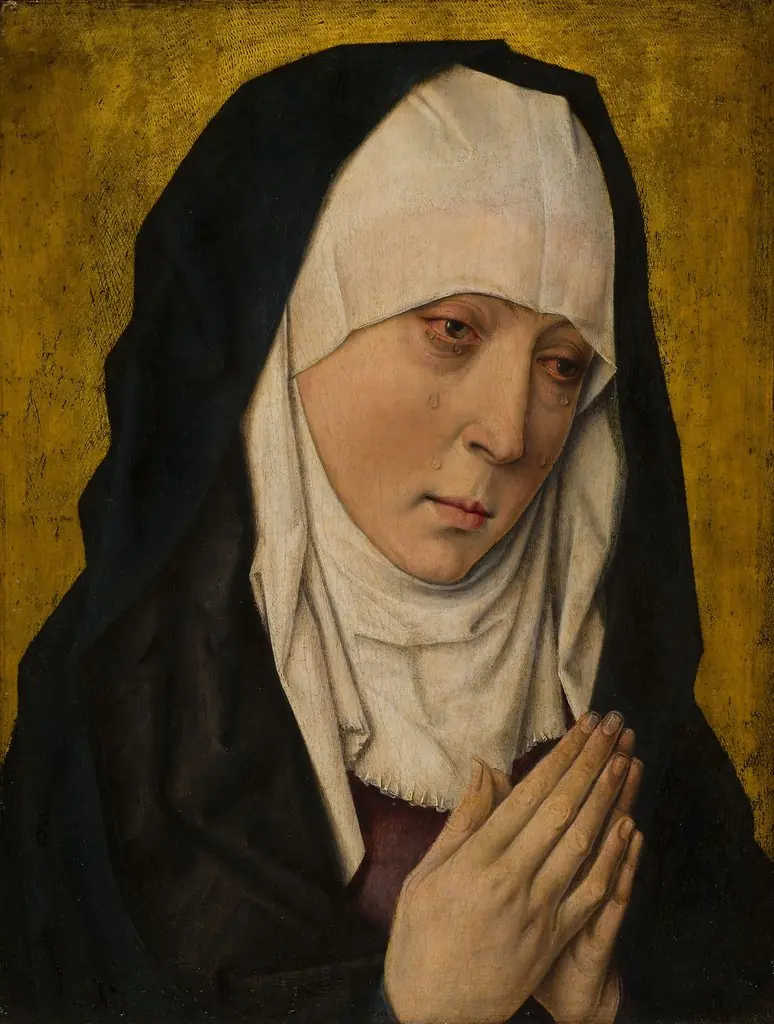 Mater Dolorosa (Sorrowing Virgin)
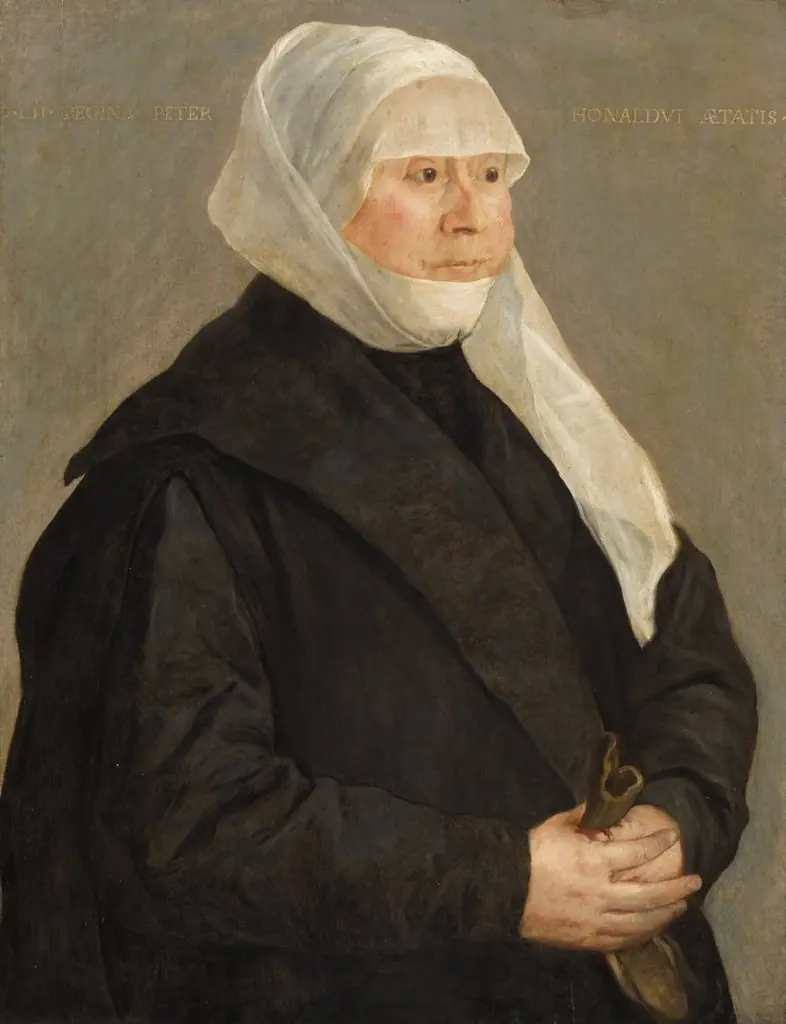 Regina von Stetten (1499-1562), Gemahlin des Peter Honold
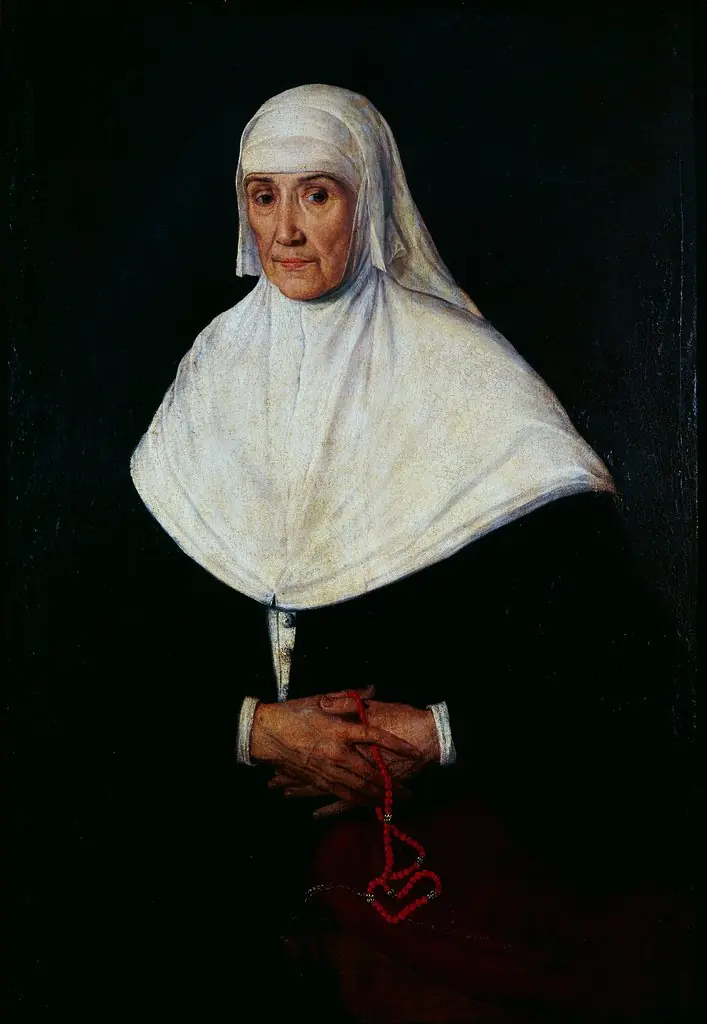 Senhora com Rosário
 Portrait of an Old Woman