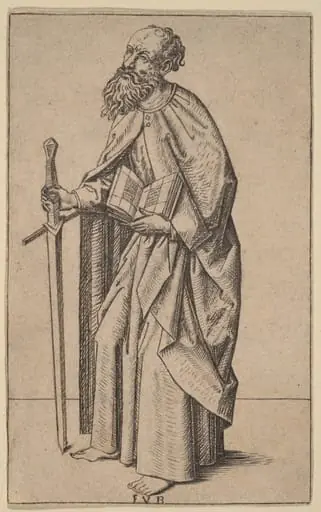
Artwork
St. Mark
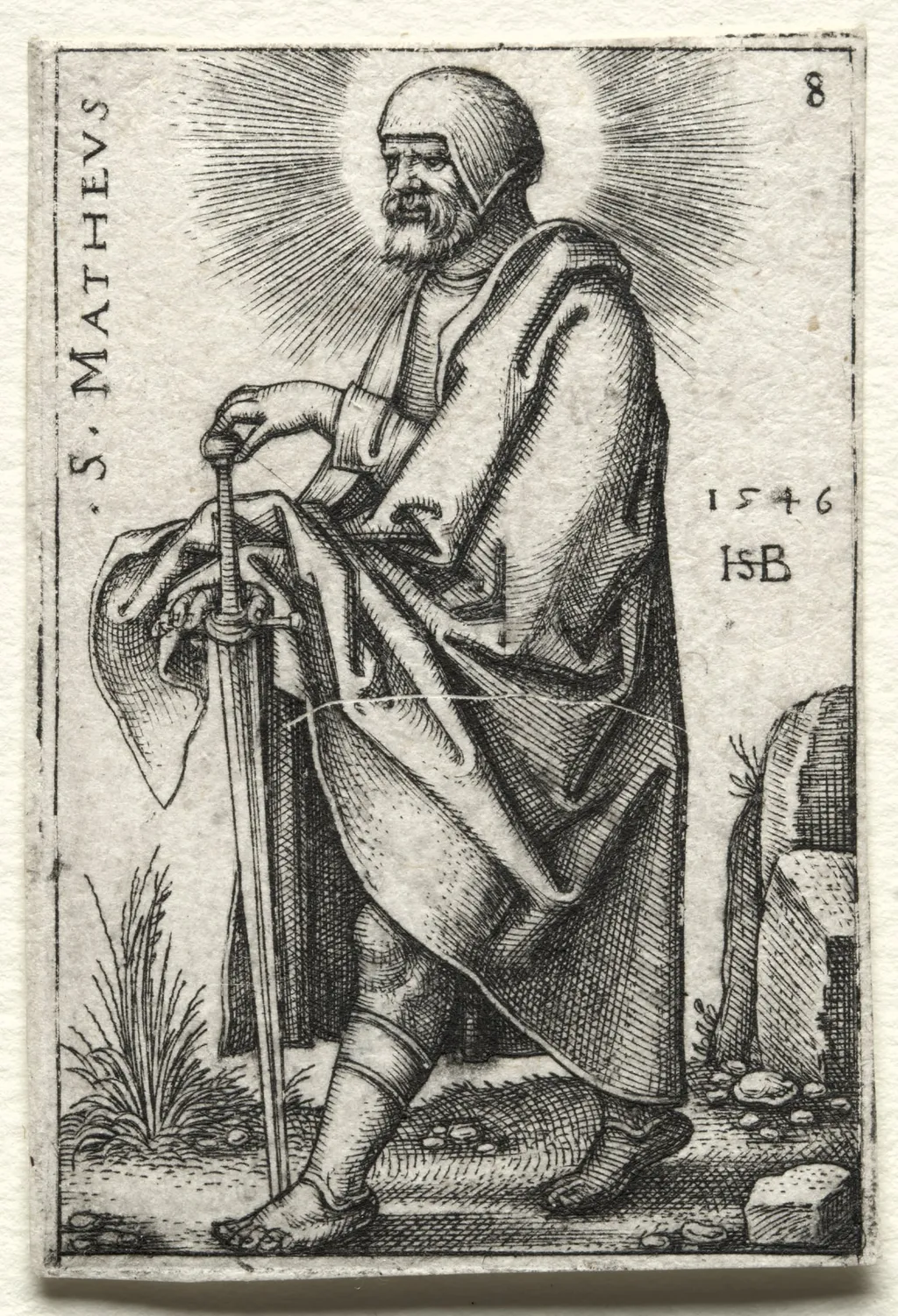
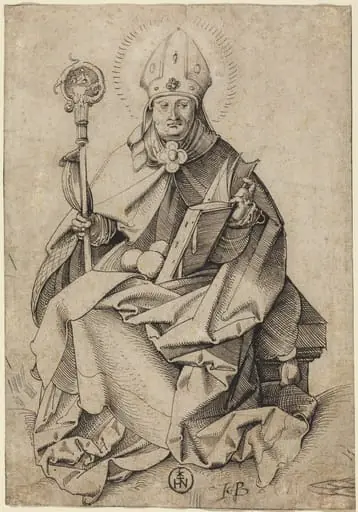
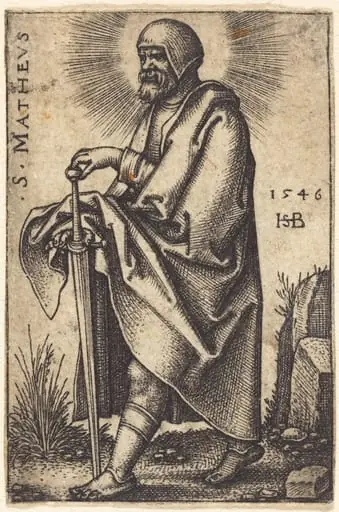
St. Mark is a print by the Renaissance artist Sebald Beham. It dates from 1546 and is held in the collection of the Cleveland Museum of Art.
About this work
Overview
His work reflects the influence of Albrecht Dürer, emphasizing fine line work and controlled detail over grand scale.
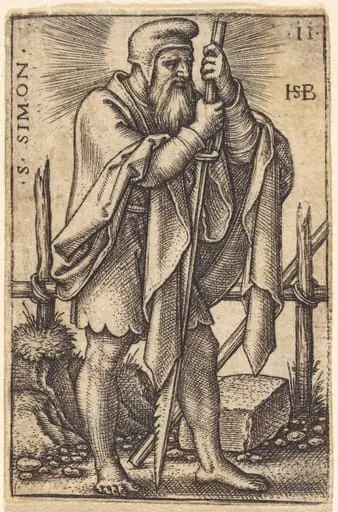
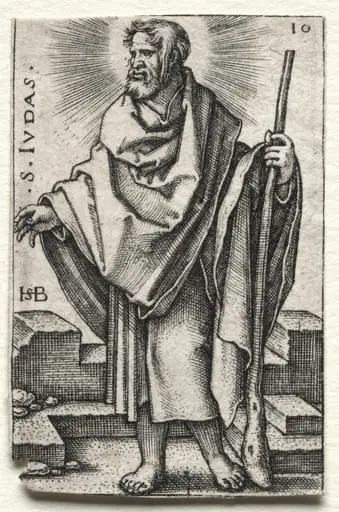
Created in 1546 by Hans Sebald Beham, *St. Mark* is a small copper engraving from a prolific body of work comprising over 250 prints. Beham, a Nuremberg-born artist active in the German Renaissance, was a central figure among the Little Masters—a group known for their meticulous, miniature-scale engravings. His work reflects the influence of Albrecht Dürer, emphasizing fine line work and controlled detail over grand scale.
Subject & Meaning
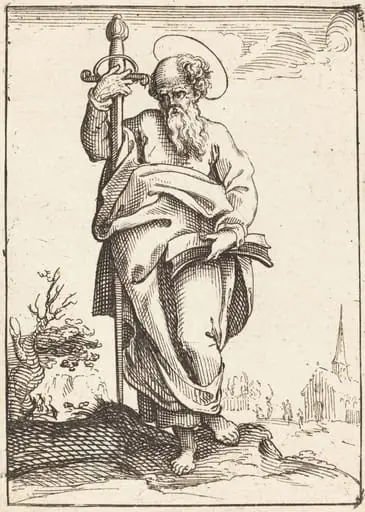
The figure depicted is traditionally identified as Saint Mark the Evangelist, recognizable by his attribute of a sword, symbolizing his martyrdom. Dressed in a draped robe and head covering, he stands alone on barren rock, evoking solitude and spiritual gravity. The plain background, faintly marked with inscriptions, directs focus to the figure’s solemn presence, reinforcing his role as a witness to divine truth.
Technique & Style
Beham employed fine, precise engraving lines to render texture and form with remarkable economy. The robe’s folds, the rocky ground, and the sword’s metallic sheen are suggested through controlled hatching and cross-hatching rather than shading. The composition avoids depth, favoring a flattened plane that emphasizes pattern and detail—hallmarks of the Little Masters’ approach to printmaking.
History & Provenance
Beham produced this print during his later years, after moving from Nuremberg to Frankfurt. While the specific early ownership of this impression is undocumented, it aligns with the widespread circulation of his engravings among collectors and artisans in 16th-century Germany. His prints were often reproduced and traded, contributing to the dissemination of religious imagery beyond ecclesiastical circles.
Context
In mid-16th-century Germany, printmaking served as a primary medium for religious and moral instruction, especially amid Reformation debates. Beham’s small-scale engravings catered to private devotion and scholarly interest, offering accessible, detailed images of saints and biblical figures. His work reflects a shift toward intimate, personal engagement with religious subjects, distinct from large altarpieces.
Legacy
Beham’s technical precision influenced later generations of printmakers, particularly in the tradition of detailed miniature engraving. Though overshadowed by larger Renaissance figures, his output helped sustain the craft of engraving as a respected art form. Today, his prints are studied for their craftsmanship and as indicators of how religious imagery was consumed in early modern Europe.
Artist & collection
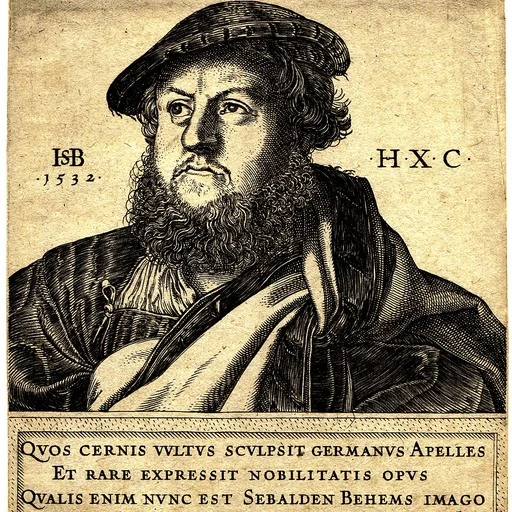
Artist
Sebald Beham (1500–1550) was a German painter and printmaker, mainly known for his very small engravings.