Artwork
Portrait of Cornelis Cort
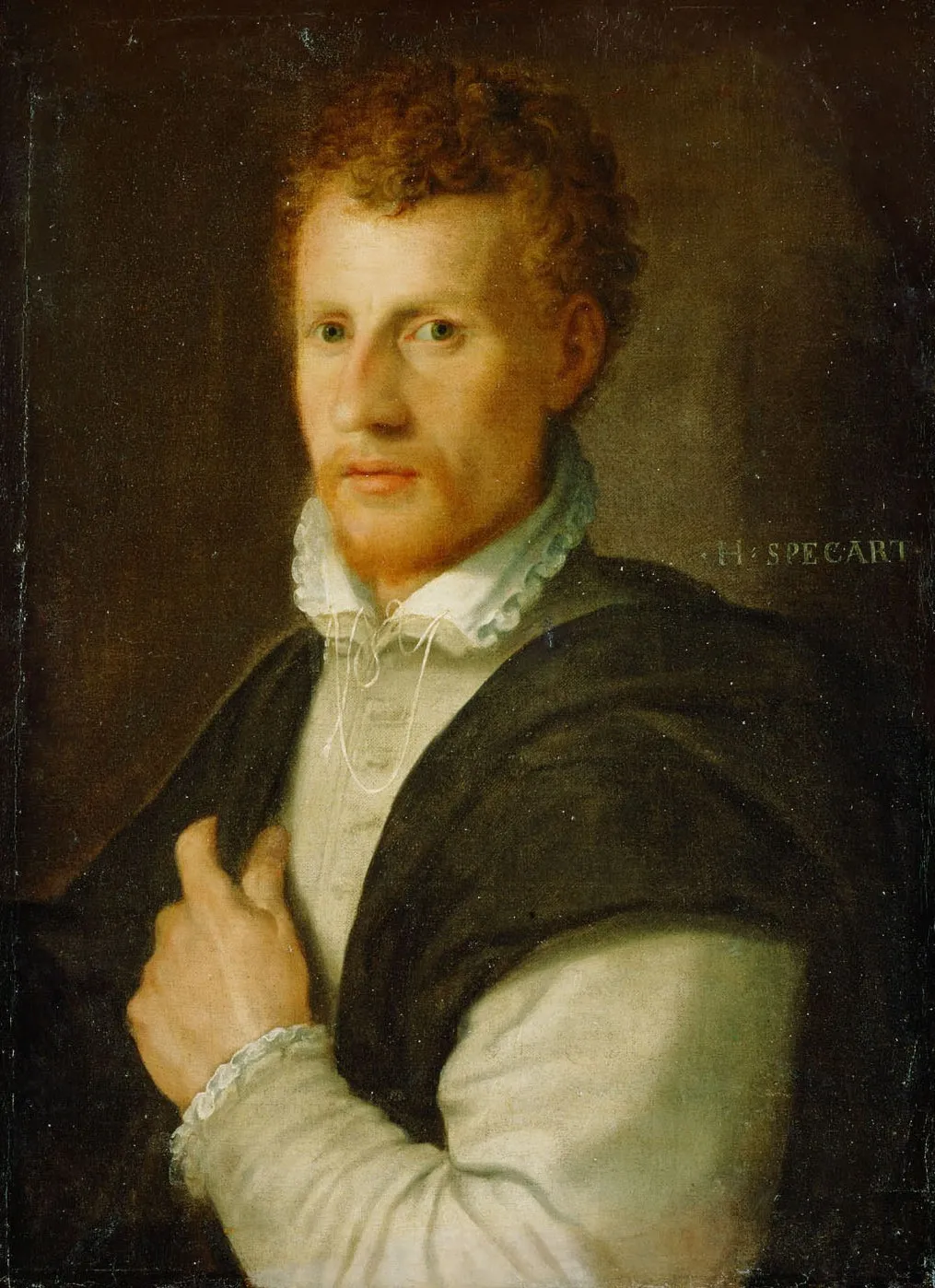
Portrait of Cornelis Cort is an oil painting by the Mannerist artist Hans Speckaert. It dates from 1575 and is held in the collection of the Kunsthistorisches Museum.
About this work
Overview
Painted in 1575 by Hans Speckaert, this oil portrait captures the engraver Cornelis Cort in a quiet, introspective pose.
Painted in 1575 by Hans Speckaert, this oil portrait captures the engraver Cornelis Cort in a quiet, introspective pose. Executed in the Northern Mannerist tradition, the work reflects Speckaert’s training in both Flanders and Italy, blending northern attention to detail with Italianate compositional grace. The painting resides in the Kunsthistorisches Museum, Vienna, as part of its Renaissance and Mannerist holdings.
Subject & Meaning
Cornelis Cort, a noted engraver known for reproducing works by Italian masters, is portrayed with dignity and quiet authority. His direct gaze and hand resting on his chest suggest self-possession and intellectual focus. The choice to depict him in modest yet refined attire—white linen and dark wool—emphasizes his professional identity rather than aristocratic status, aligning with the engraver’s role as a skilled artisan.
Technique & Style
Speckaert employs chiaroscuro to model the face and hands, creating a sense of volume against a dark background. The ruffled collar and fabric folds are rendered with precise, linear detail, characteristic of Mannerist refinement. The red hair, rendered in layered glazes, adds warmth and texture, while the overall composition avoids dramatic gesture, favoring stillness and subtle psychological presence.
History & Provenance
The portrait was likely commissioned during Cort’s time in Italy, where he worked closely with artists like Titian and Giulio Clovio. Speckaert, who traveled extensively in Italy, may have encountered Cort there. The painting entered the Habsburg collection in the late 16th or early 17th century and has remained in the Kunsthistorisches Museum since its founding, preserving its early provenance intact.
Context
In the late 16th century, engravers like Cort were vital in disseminating Renaissance imagery across Europe. Portraits of such artisans, though less common than those of nobility, acknowledged their cultural contribution. Speckaert’s depiction reflects a broader trend among Northern artists in Italy to elevate the status of printmakers through dignified representation, bridging craft and fine art.
Legacy
This portrait stands as a rare visual record of a significant printmaker from the period. It exemplifies how Northern Mannerist painters adapted Italian stylistic principles to honor non-aristocratic subjects. While Speckaert’s broader oeuvre is less widely known, this work endures as a quiet testament to the intellectual and artistic networks connecting Flanders, Italy, and the Habsburg courts.
Artist & collection
Artist
Hans Speckaert (c. 1540 – c. 1577) was a Flemish Renaissance painter who was active in Italy. He is known for his portraits, history paintings and his many drawings. The artist was one of the earliest representatives of…

 Bildnis des Paul Bril (zugeschrieben)
 Portrait of a Man
 Männliches Bildnis
 Giovanni Battista Fichetti
 Portrait of a Man
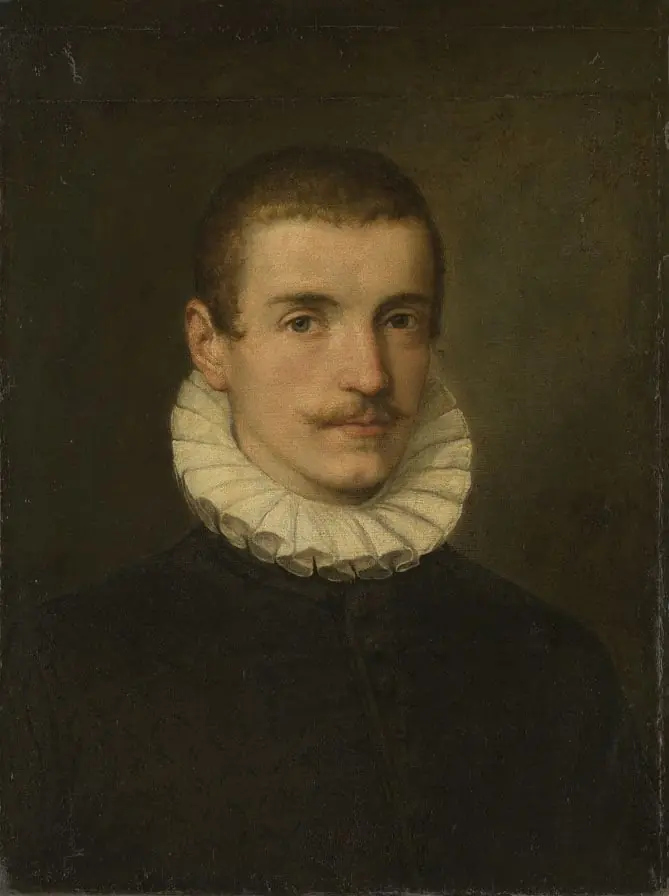 Portrait of a Young Man
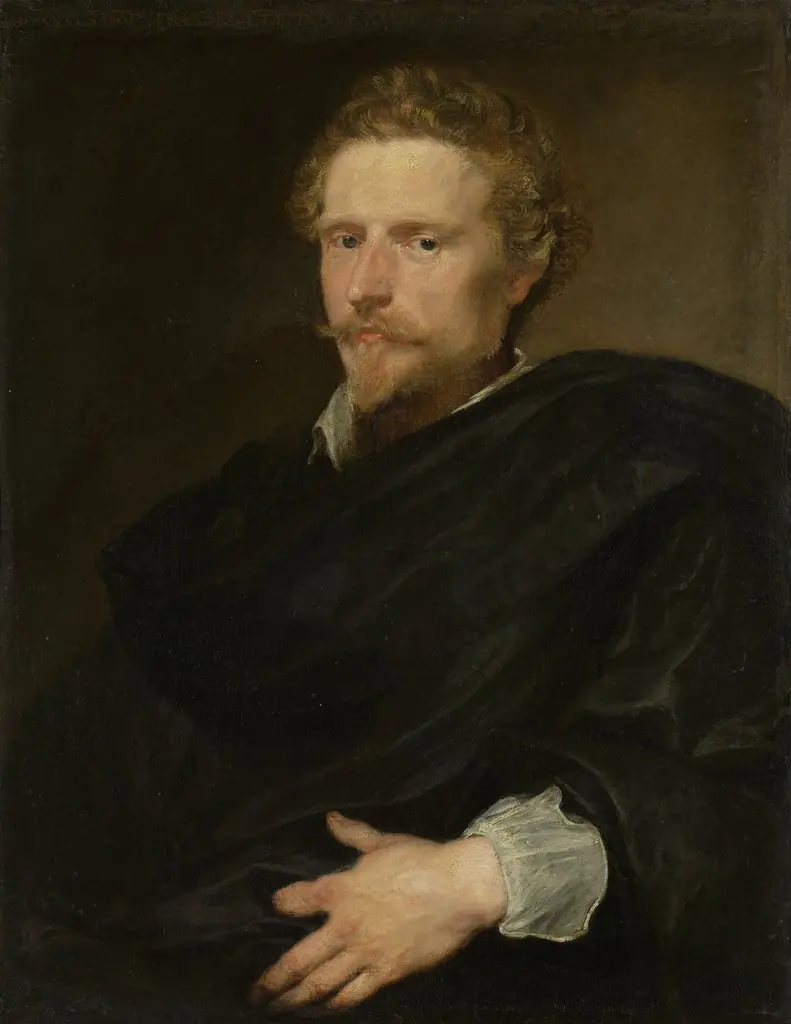 Johannes Baptista Franck (ca. 1599-1663)
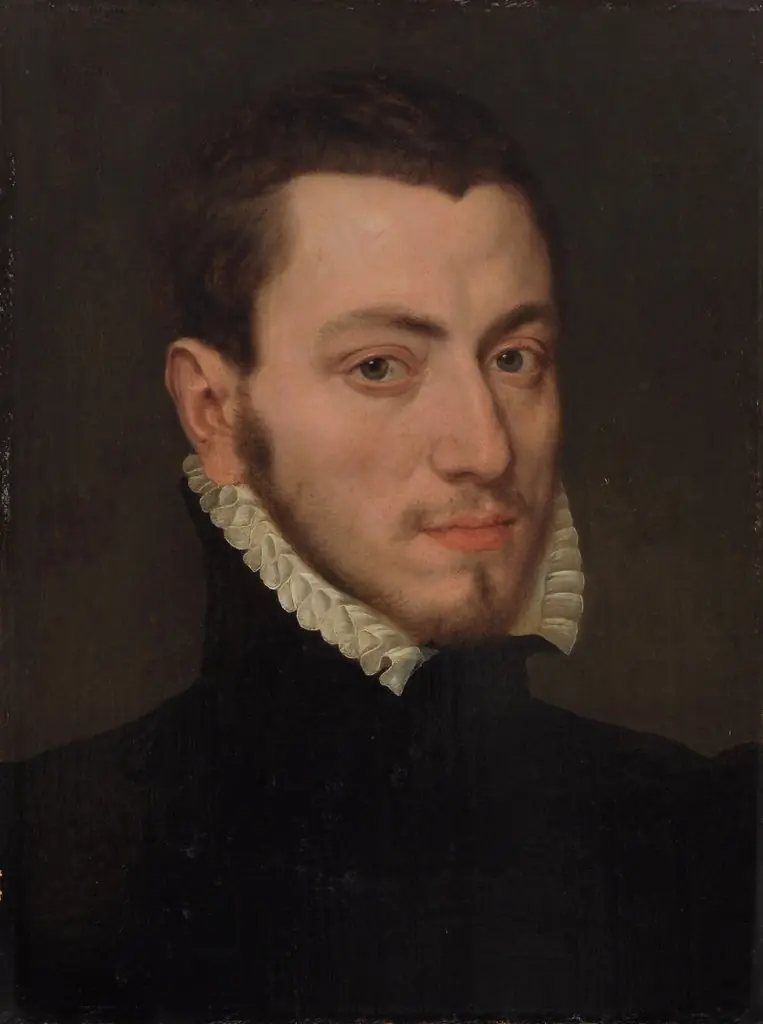 Male Portrait
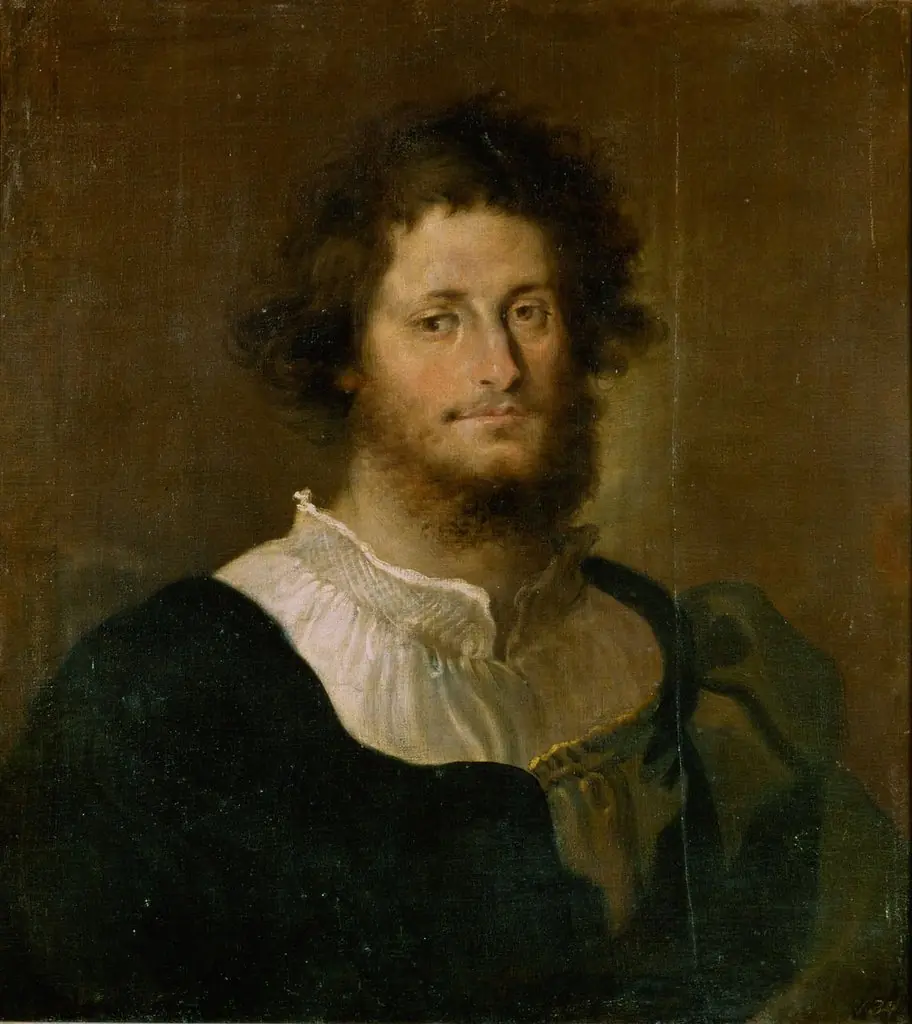 Portrait of a male member of the Gonzaga family, possibly Federico (II) Gonzaga (1500-1540)
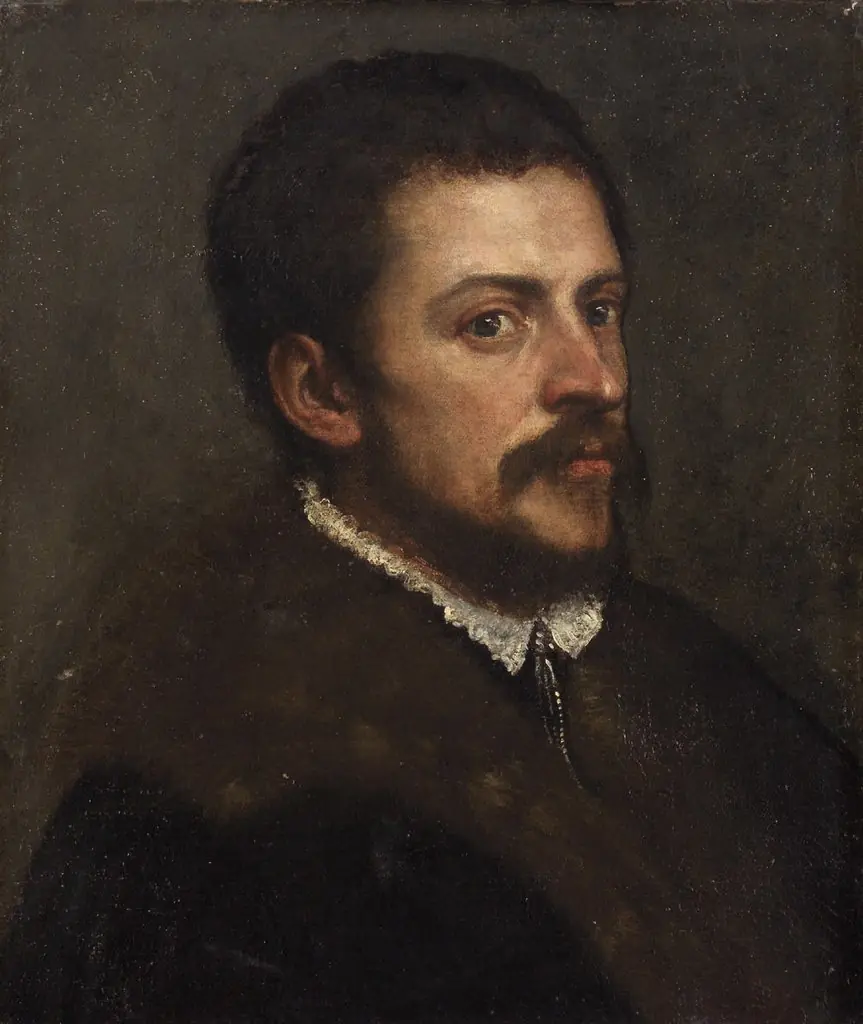 Portrait of a Bearded Man
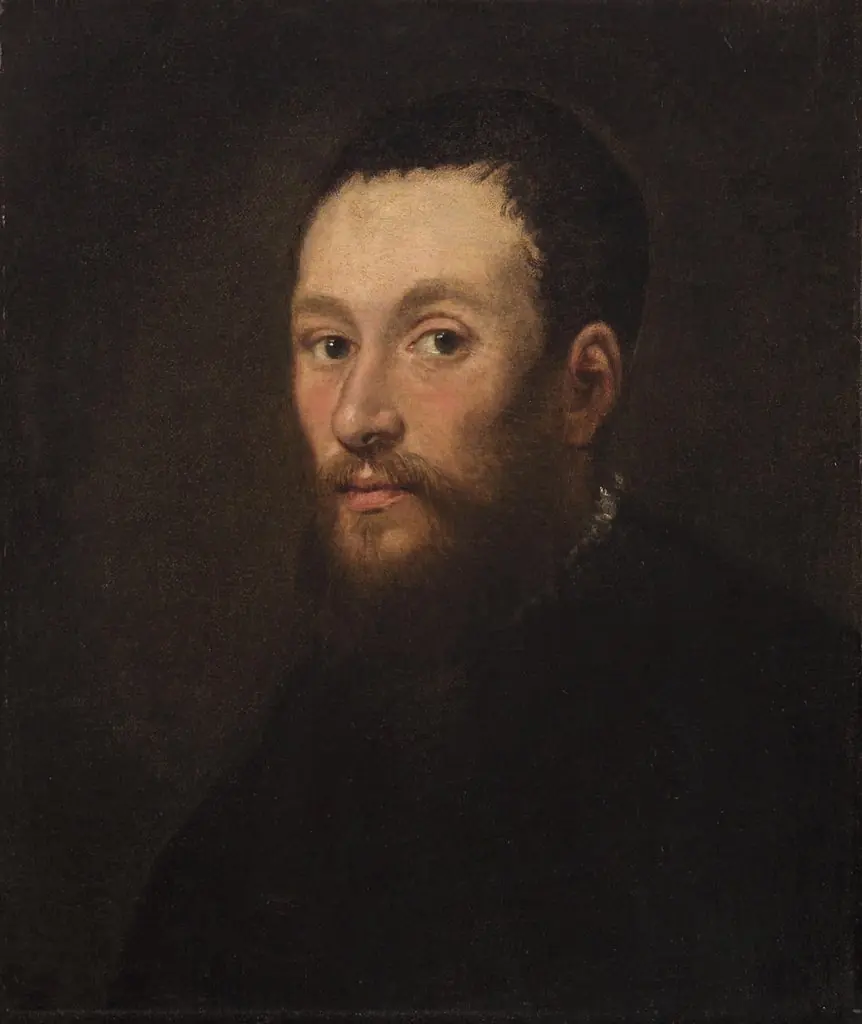 Bildnis eines jungen bärtigen Mannes
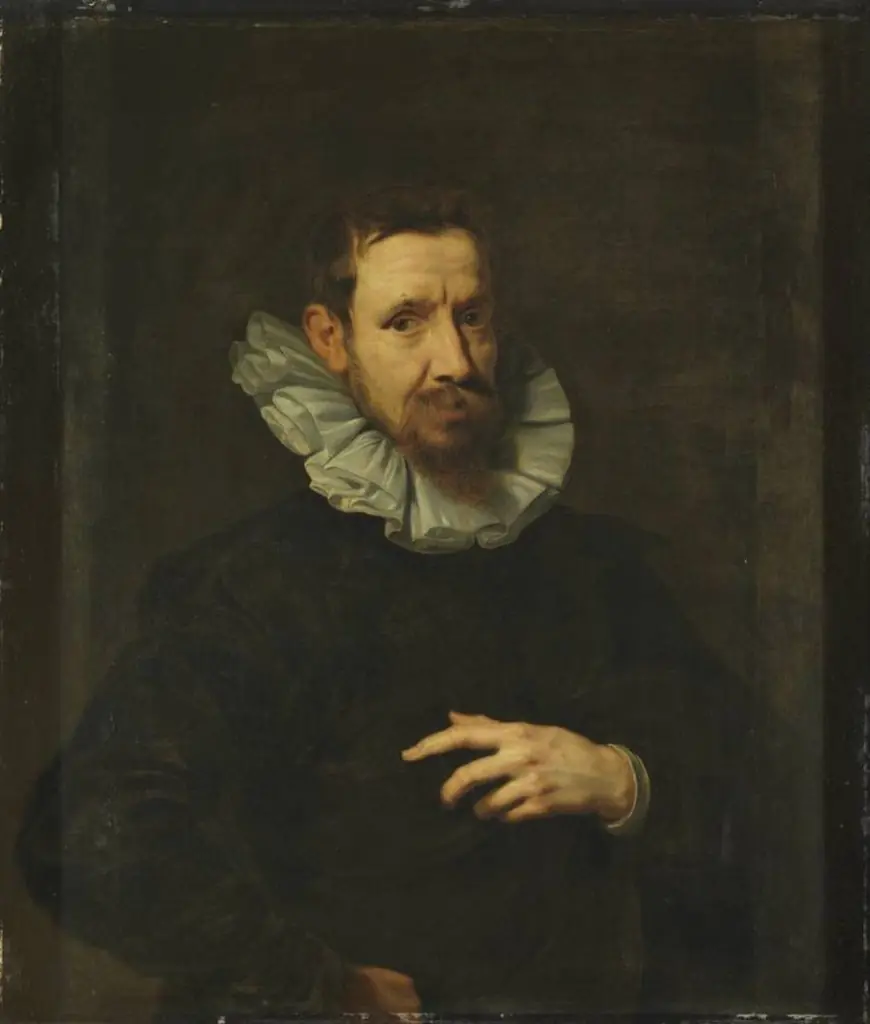 Portrait of the painter Jan Brueghel