Artwork
Moisés elevando la serpiente de bronce (Números 21:5-9)
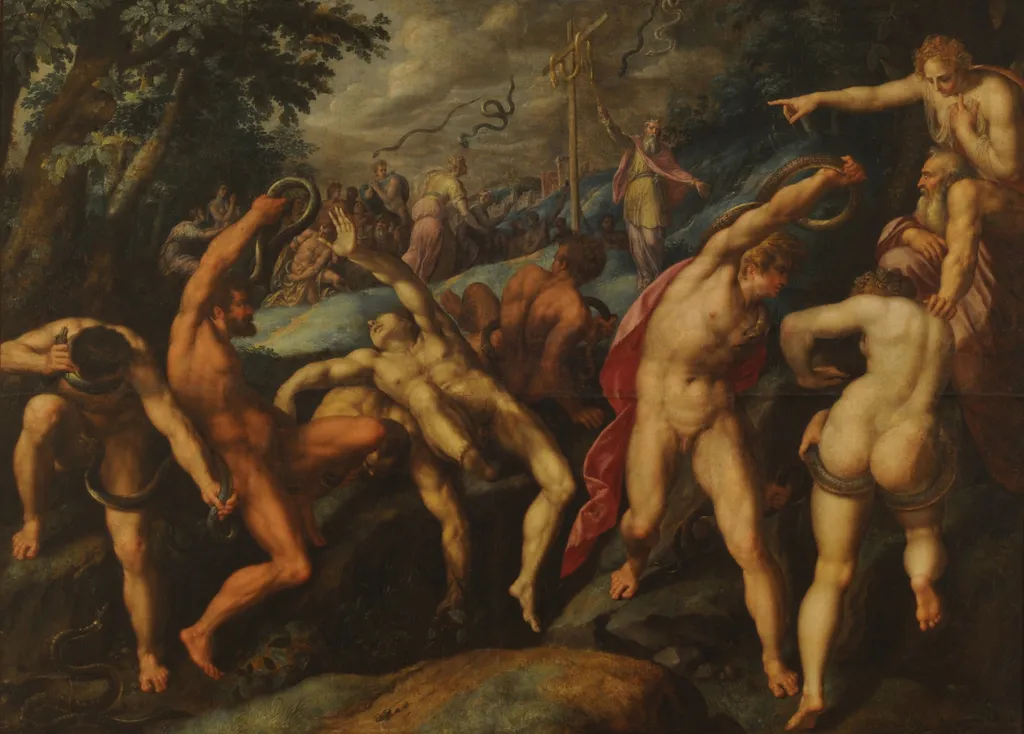
Moisés elevando la serpiente de bronce (Números 21:5-9) is an oil painting by Hans Speckaert. It dates from 1568 and is held in the collection of the National Museum of Fine Arts, Argentina.
About this work
Overview
It resides today in the National Museum of Fine Arts in Buenos Aires.
Hans Speckaert’s oil painting from around 1568 illustrates the biblical episode from Numbers 21:5–9, in which Moses lifts a bronze serpent to cure Israelites bitten by venomous snakes. Executed in the Northern Mannerist style, the work reflects Speckaert’s training in Italy and his engagement with the expressive, elongated forms favored by Mannerist painters. It resides today in the National Museum of Fine Arts in Buenos Aires.
Subject & Meaning
The scene captures a moment of divine intervention: the Israelites, punished for their rebellion, are healed by gazing upon the bronze serpent raised by Moses. Figures in the foreground writhe in agony or collapse, while others reach toward the pole. The composition emphasizes human suffering and the necessity of faith, with Moses positioned as a silent mediator between divine command and mortal consequence.
Technique & Style
Speckaert employs visible brushwork and a restrained palette of earth tones, blues, and muted highlights to suggest atmospheric depth. Chiaroscuro models the bodies with subtle gradations of light and shadow, enhancing the three-dimensionality of the figures. The elongated limbs and dynamic poses reflect Northern Mannerist tendencies, prioritizing elegance and emotional tension over naturalistic harmony.
History & Provenance
Painted during Speckaert’s time in Italy, the work aligns with his broader output as a history painter and draftsman active in the mid-16th century. It entered the collection of the National Museum of Fine Arts in Buenos Aires in the 20th century, likely through acquisitions of European works by Latin American institutions seeking to expand their Renaissance and Mannerist holdings.
Context
Speckaert was part of a generation of Northern artists who absorbed Italian Mannerist innovations and carried them northward. His treatment of biblical narratives, often rendered with heightened drama and anatomical expressiveness, mirrored broader trends in Counter-Reformation art, where emotional intensity served devotional ends. The painting’s focus on physical suffering and redemption aligns with contemporary religious priorities.
Legacy
Though not widely exhibited outside Latin America, the painting remains a significant example of how Northern Mannerism adapted biblical themes through stylized form and psychological tension. Speckaert’s work contributes to the understanding of cross-regional artistic exchange in the 16th century, illustrating how Flemish artists interpreted Italian styles in service of religious narrative.
Own this work as a print
Artist & collection
Artist
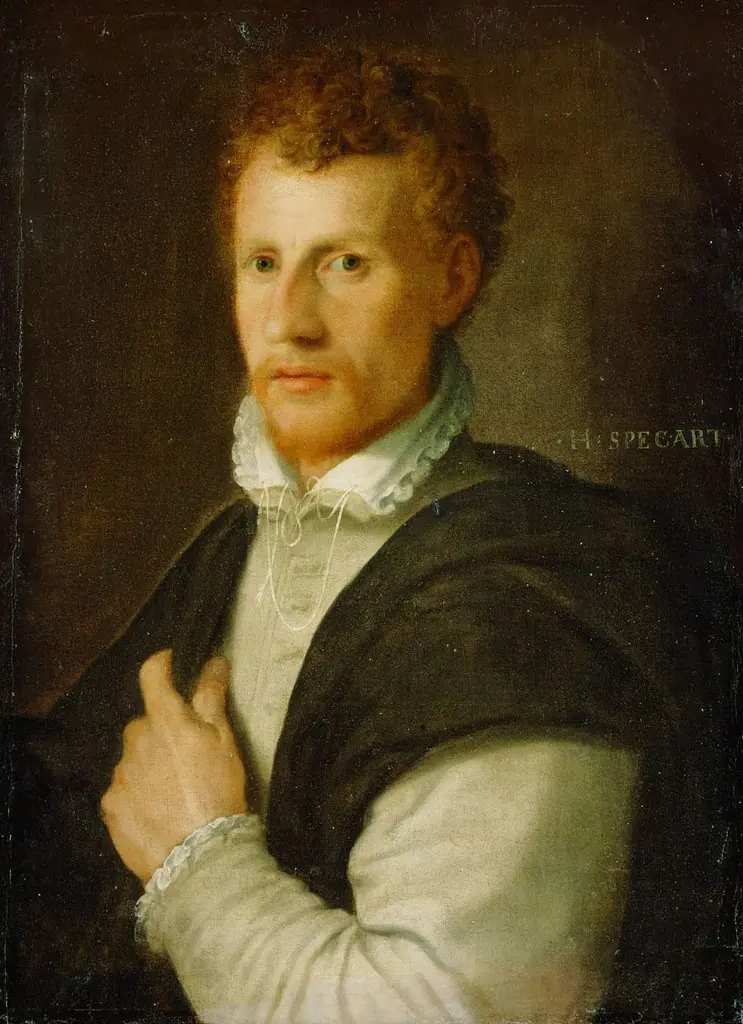
Hans Speckaert (c. 1540 – c. 1577) was a Flemish Renaissance painter who was active in Italy. He is known for his portraits, history paintings and his many drawings. The artist was one of the earliest representatives of…

Museum
National Museum of Fine Arts, Argentina
Continue through works from the same source collection.
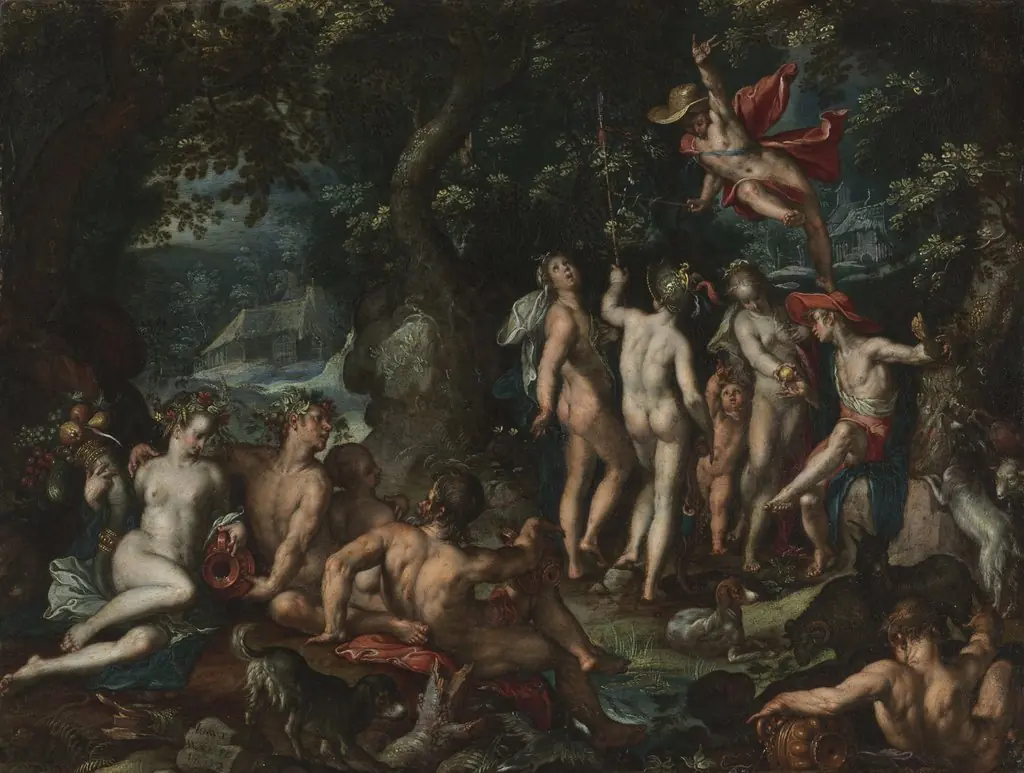 The Judgment of Paris
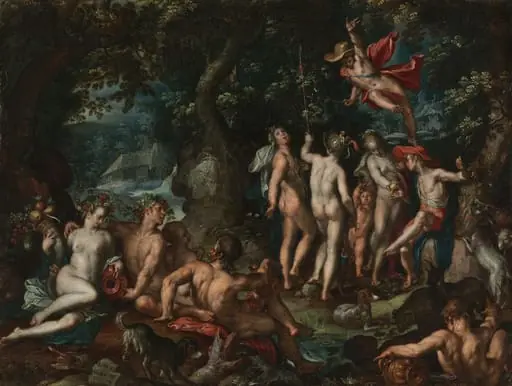 The Judgment of Paris
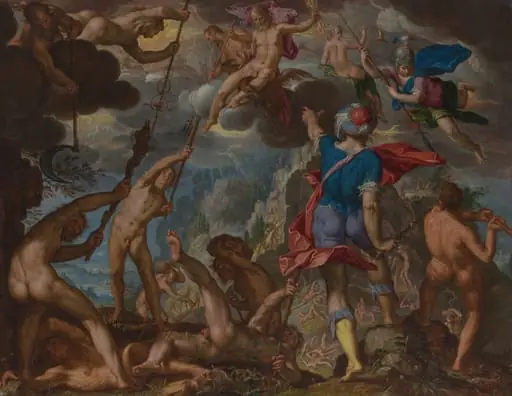 The Battle between the Gods and the Giants
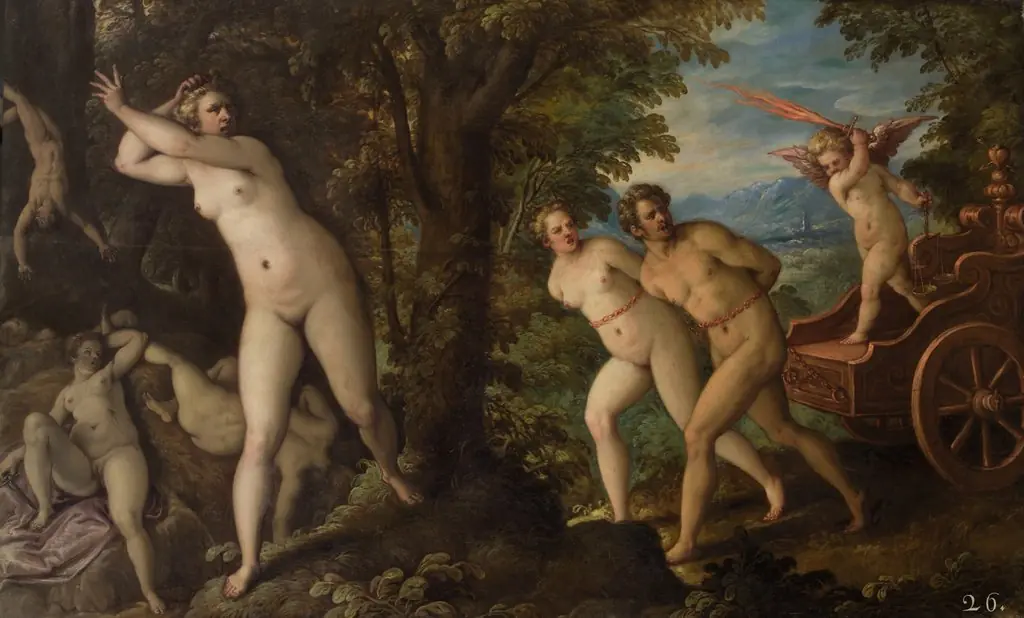 Punishment of Love
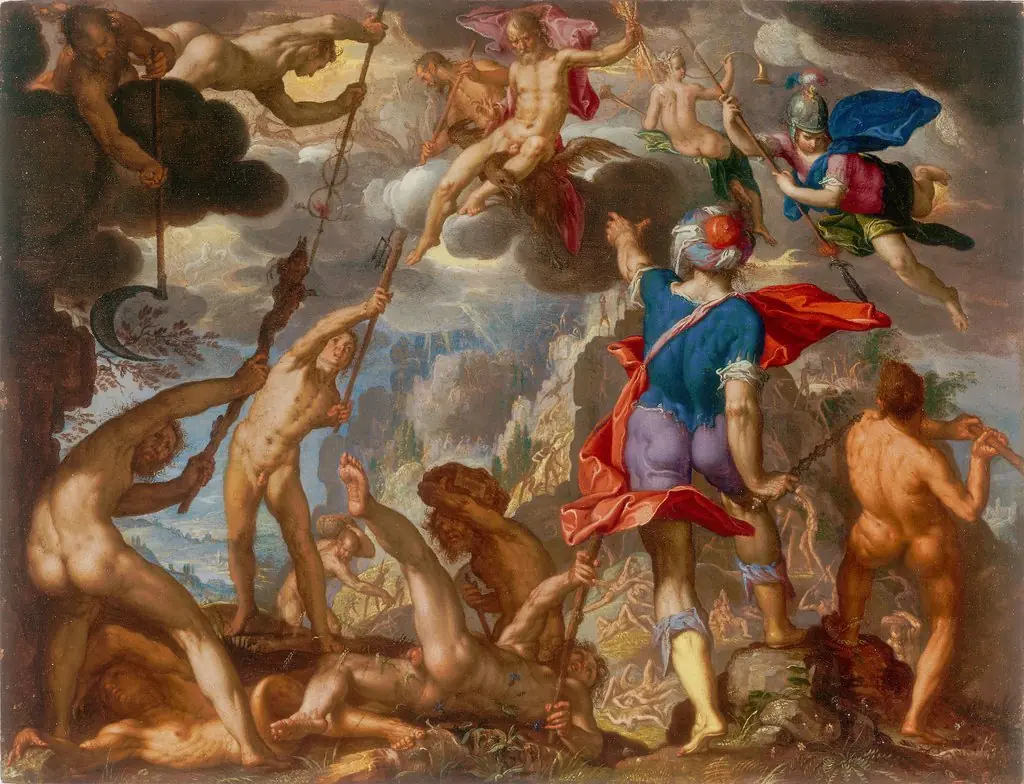 The Battle between the Gods and the Giants
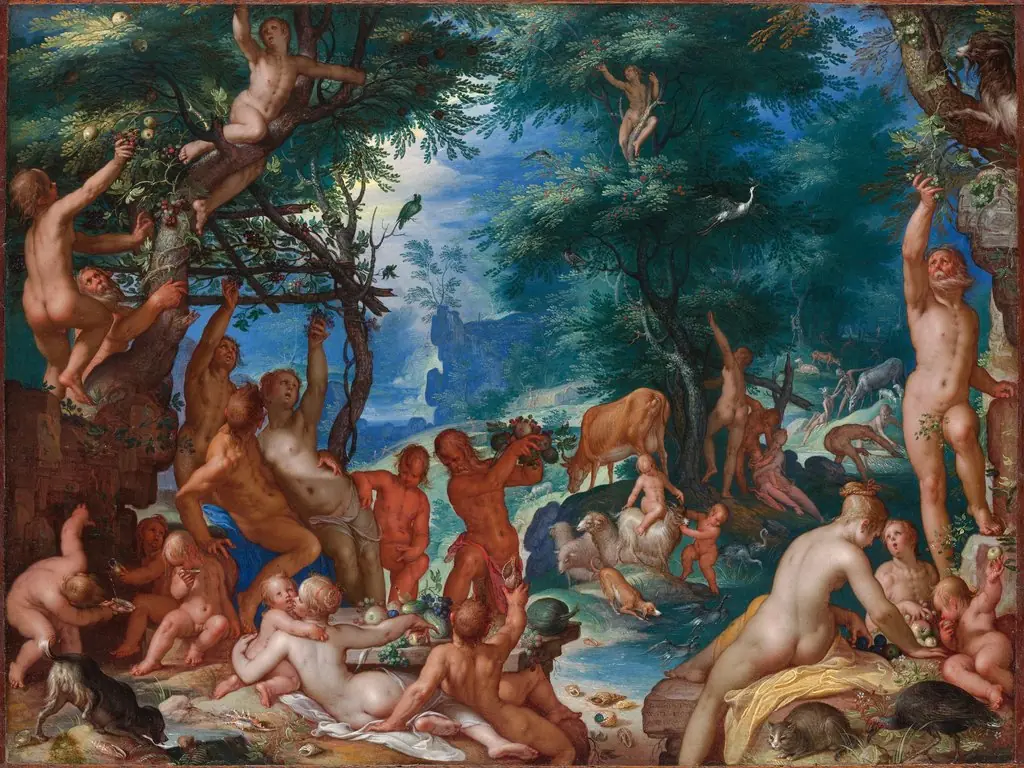 The Golden Age
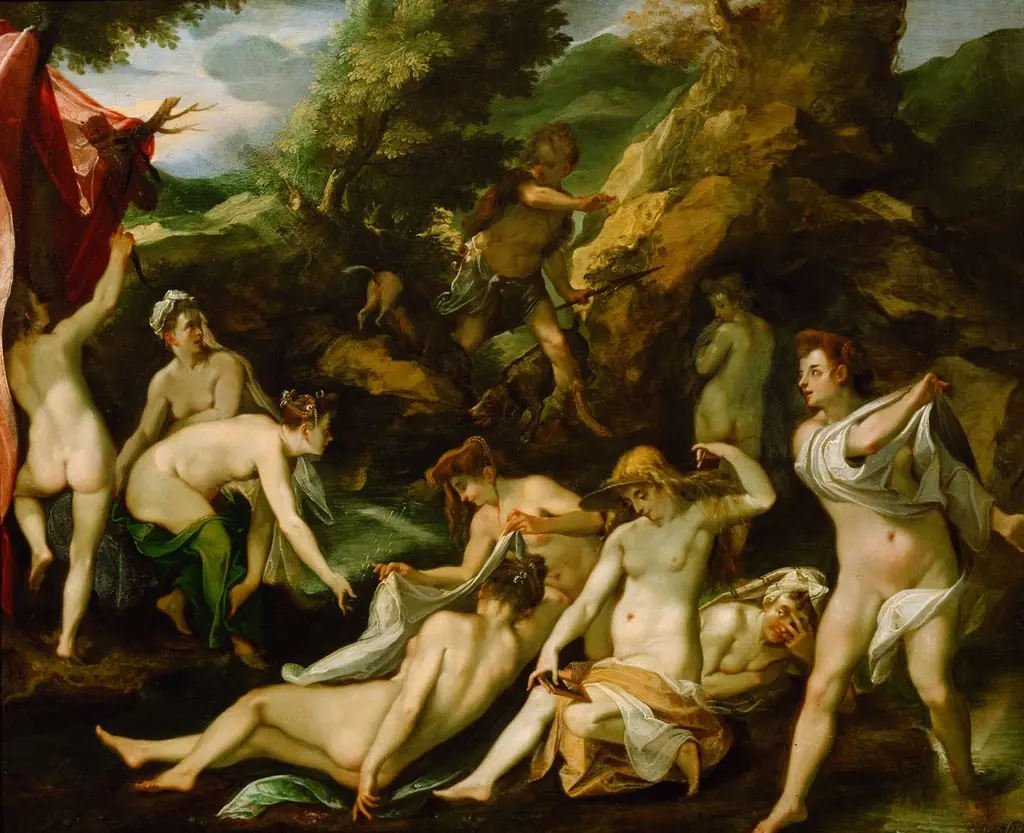 Diana and Actaeon
 The Contest between Apollo and Pan
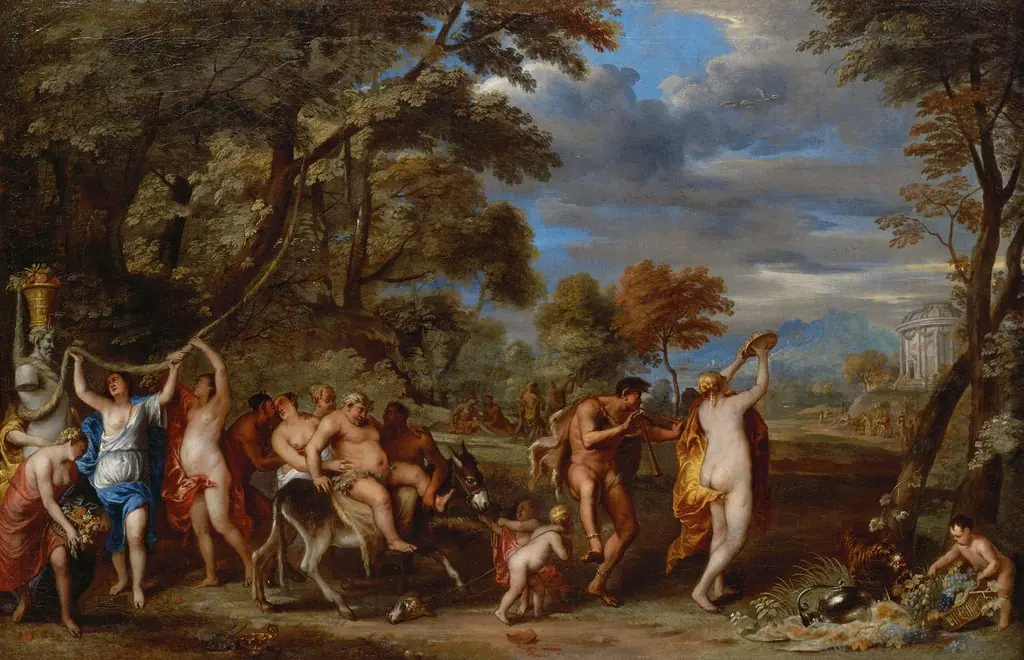 Bacchanal
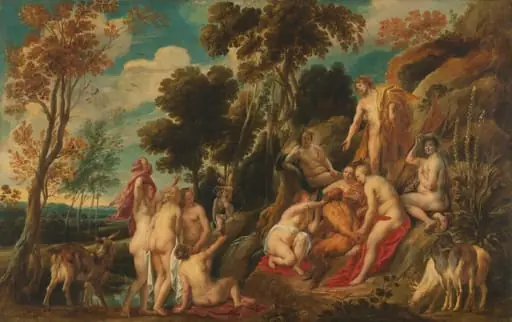 Untitled
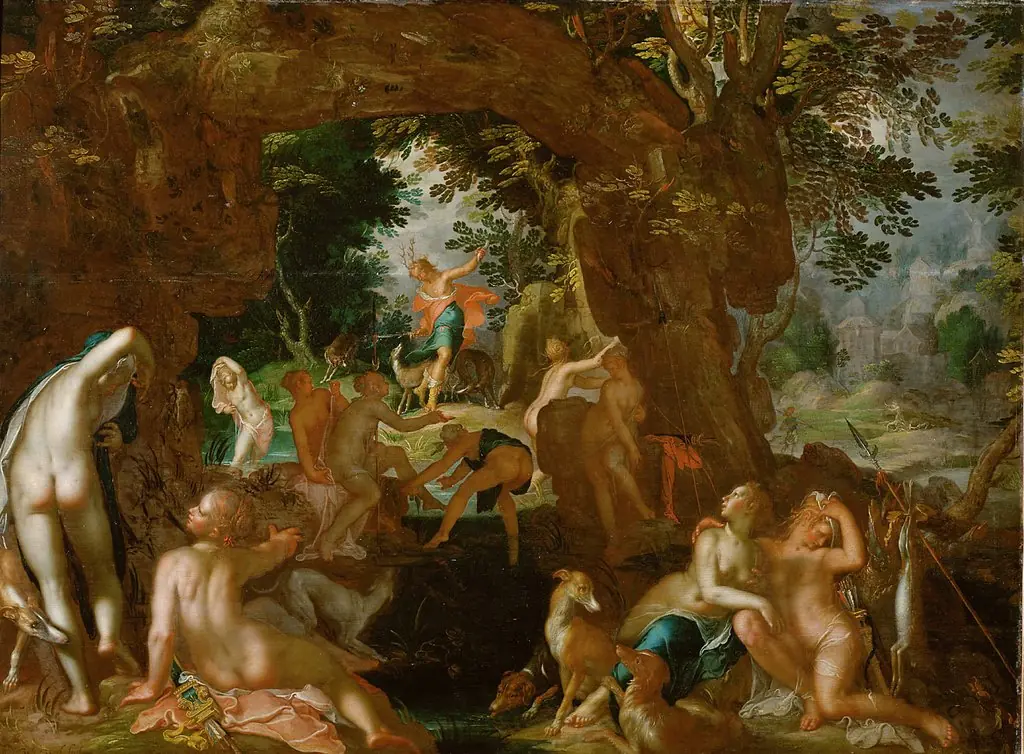 Actaeon is changed into a stag and killed by his own dogs
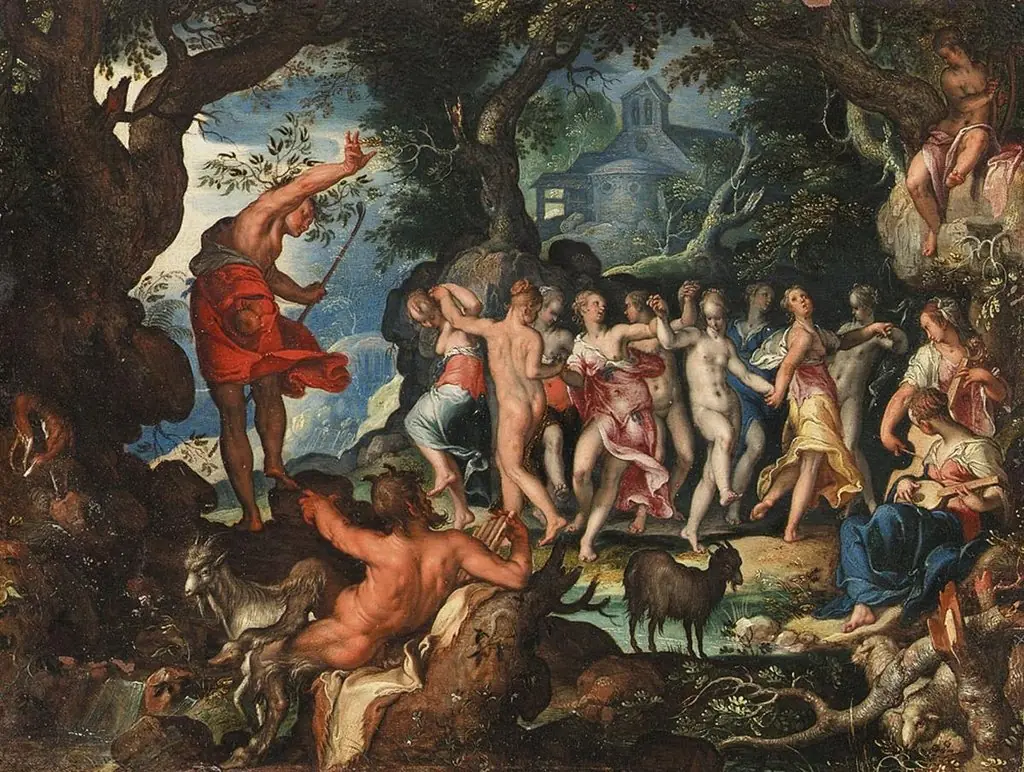 The Apulian Shepherd