Artwork
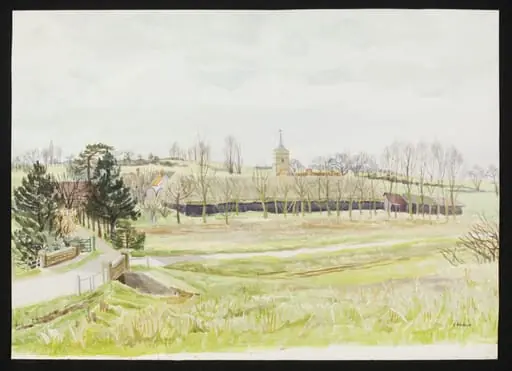
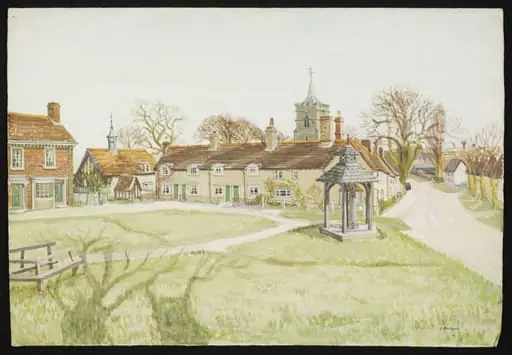
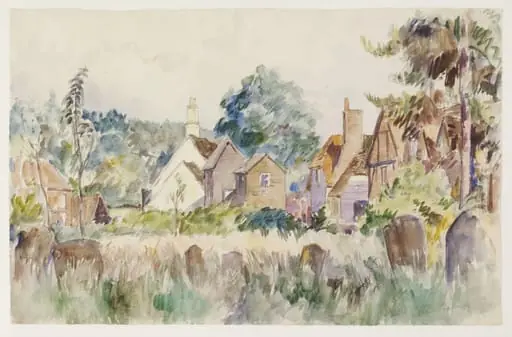
Standon Village from the Churchyard
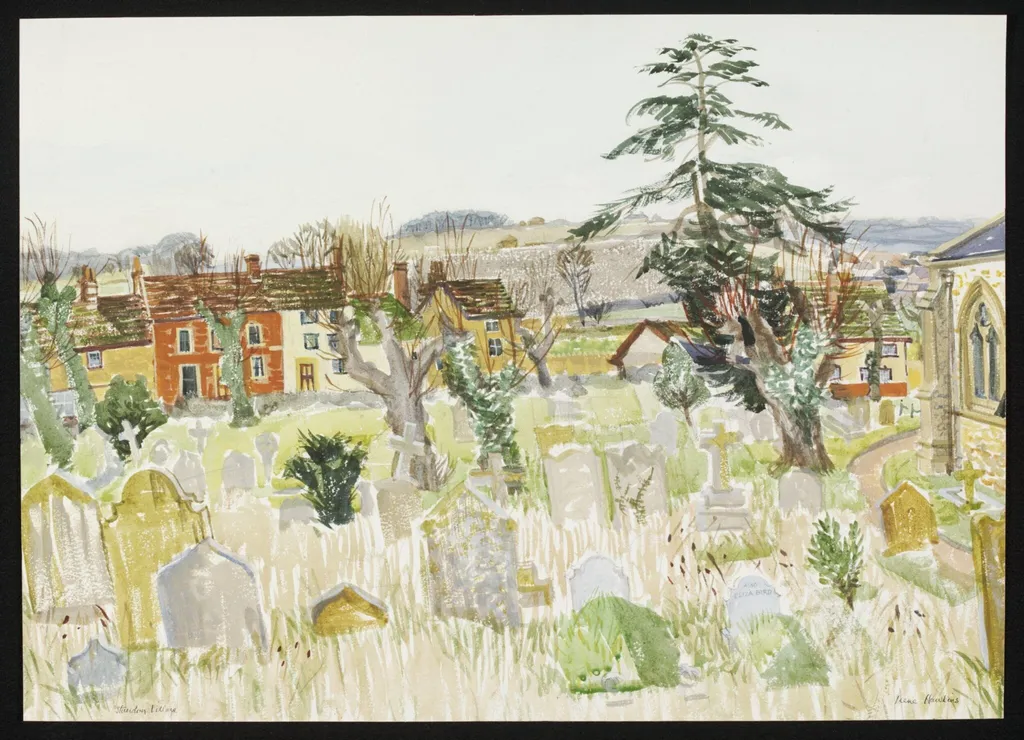
Standon Village from the Churchyard is a watercolor work on paper by Hawkins. It is held in the collection of the Victoria and Albert Museum.
About this work
Overview
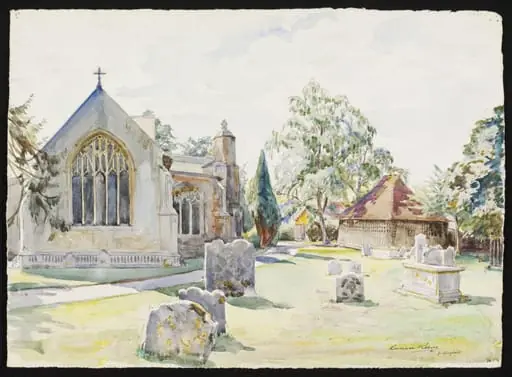
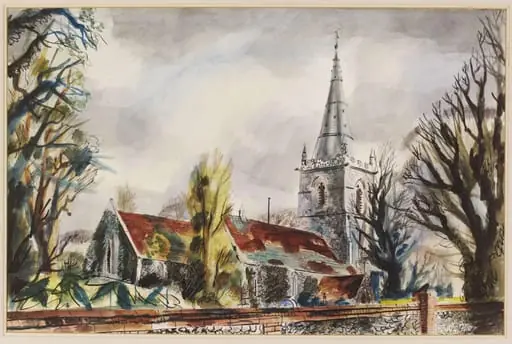
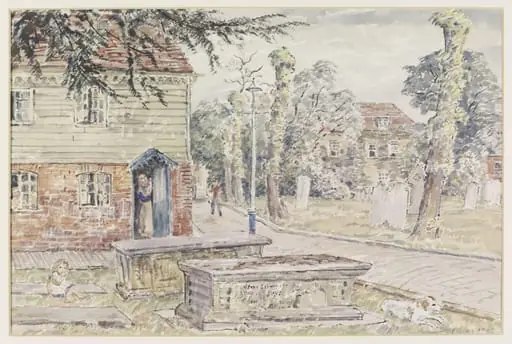
Created in 1940, this watercolour by Hawkins portrays Standon, a village in Hertfordshire, as viewed from the churchyard of St Mary’s. The composition frames the graveyard’s headstones and trees in the foreground, while the village’s houses and fields recede beneath a muted, overcast sky.
Subject & Meaning
The work captures a tranquil moment of rural England, emphasizing the relationship between the sacred space of the churchyard and the surrounding settlement. The subdued palette of greens, browns and greys conveys a quiet, contemplative atmosphere typical of the English countryside.
Technique & Style
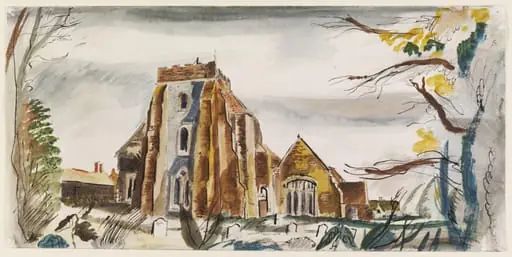
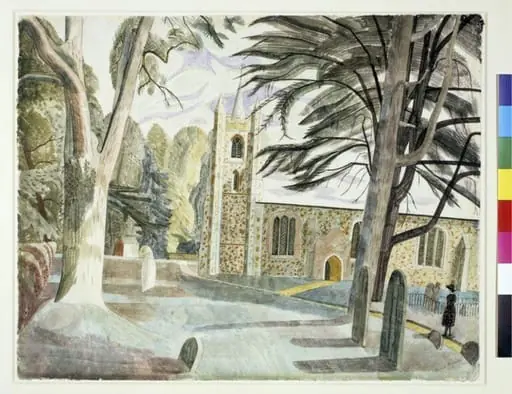
Executed in watercolour, the painting employs loose, expressive brushwork that softens forms and creates a slightly dreamy effect. The artist’s handling of washes produces delicate tonal variations, allowing the landscape and architectural elements to blend harmoniously.
History & Provenance
The piece belongs to the Recording Britain collection, a wartime project launched in 1940 by the Committee for the Employment of Artists in Wartime. Funded by the Pilgrim Trust and overseen by Sir Kenneth Clark, the scheme commissioned artists to document sites perceived as vulnerable to wartime damage or change.
Context
Recording Britain gathered over 1,500 watercolours and drawings, focusing largely on English locales such as market towns, churches and rural scenes. Hawkins’s depiction of Standon contributes to this broader effort to preserve visual records of the nation’s architectural and landscape heritage during a period of uncertainty.
Artist & collection
Artist
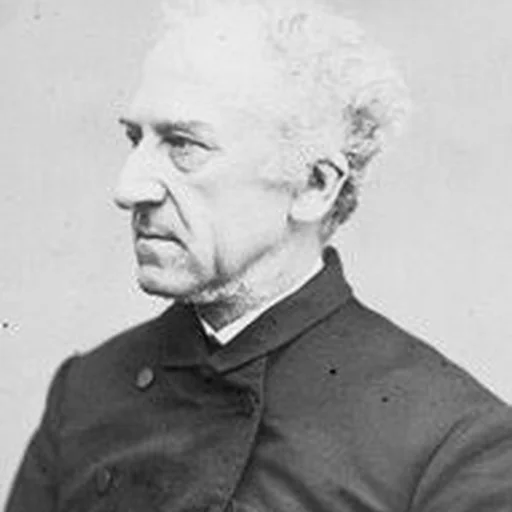
Benjamin Waterhouse Hawkins (8 February 1807 – 27 January 1894) was an English sculptor and natural history artist renowned for his work on the life-size models of dinosaurs in the Crystal Palace Park in south London.