Artwork
Maria Amalia of Saxony, Queen of Spain
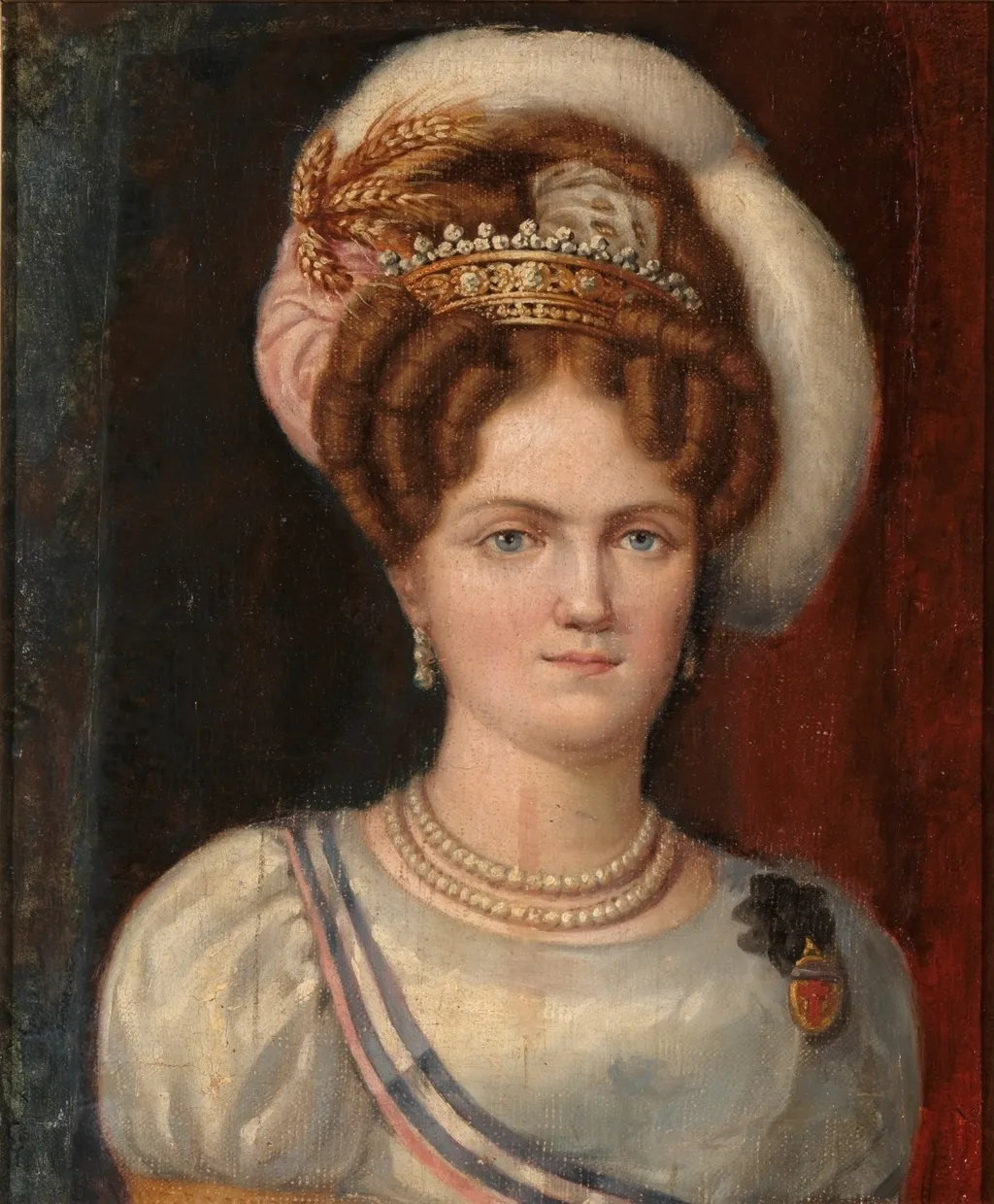
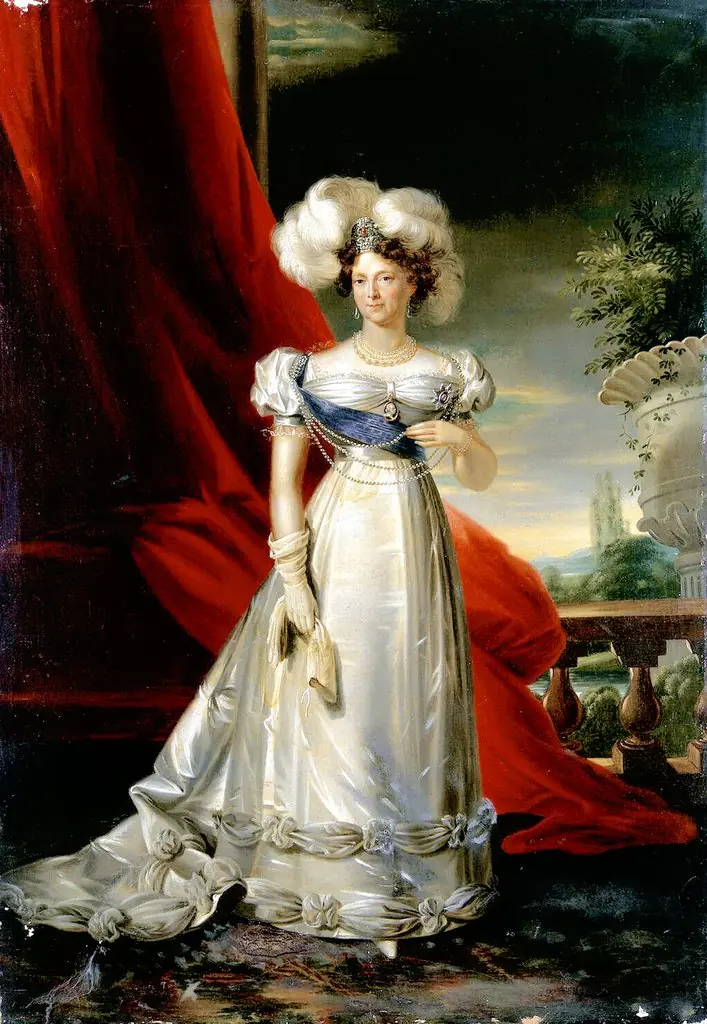
Maria Amalia of Saxony, Queen of Spain is an oil painting by José Aparicio. It dates from 1827 and is held in the collection of the Museo del Prado.
About this work
Overview
José Aparicio, a Spanish painter associated with the Neoclassical style, executed an oil portrait of Maria Amalia of Saxony, Queen of Spain, in 1827. The work is part of the Prado Museum’s collection and belongs to the formal portrait tradition of early nineteenth‑century royal imagery.
Subject & Meaning
The canvas presents the queen with a composed, steady gaze. She is shown with pale skin, light brown hair gathered in a high, rounded updo, and adorned with a jeweled gold crown, a pearl necklace, and a light‑coloured dress accented by a blue‑and‑red sash, suggesting her regal status and dynastic affiliations.
Technique & Style
Rendered in oil, the painting displays the smooth modelling and restrained palette typical of Neoclassical portraiture. The dark, subtly reddish background isolates the figure, allowing the luminous fabrics and metallic ornaments to stand out with clarity and precision.
History & Provenance
Completed in 1827 during the reign of Ferdinand VII, the portrait entered the Museo del Prado’s holdings, where it remains on display as part of the museum’s Spanish royal portrait collection.
Context
Aparicio’s career was closely linked to the court of Ferdinand VII, and this portrait reflects the political and cultural emphasis on monarchical representation in post‑Napoleonic Spain, reinforcing the queen’s public image through conventional iconography.
Artist & collection
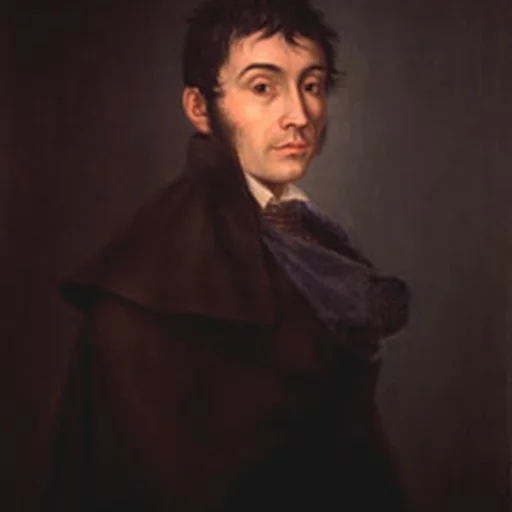
Artist
José Aparicio e Inglada (16 December 1773 – 10 May 1838) was a Spanish painter in the Neoclassical style; closely associated with the reign of King Ferdinand VII.

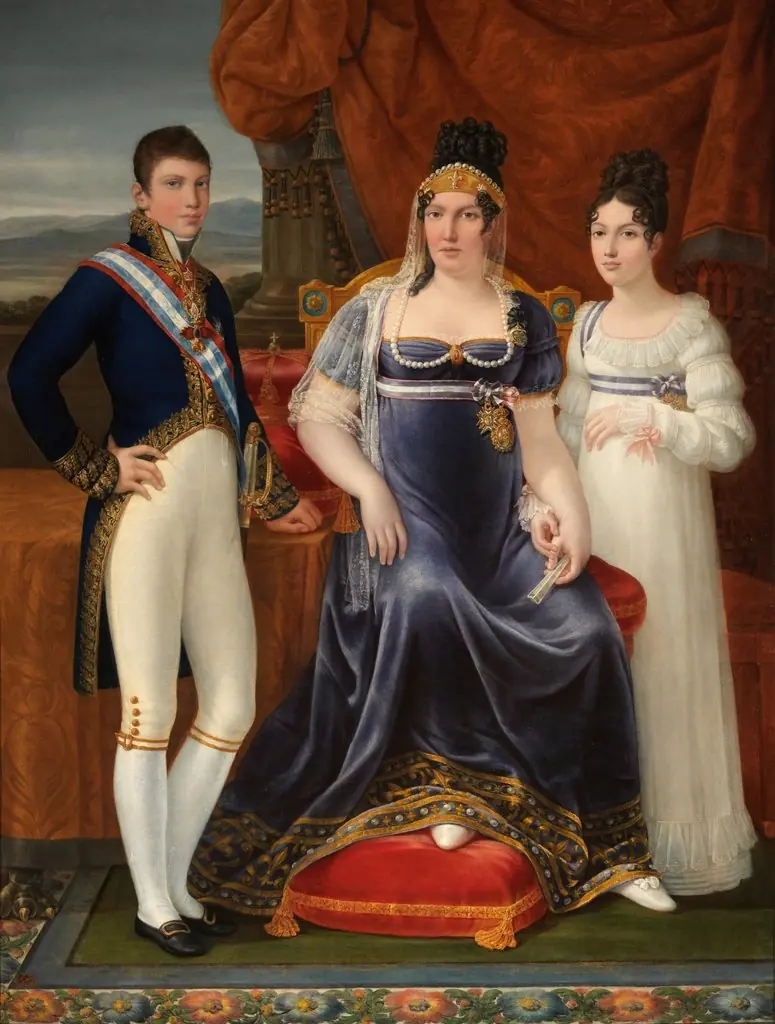
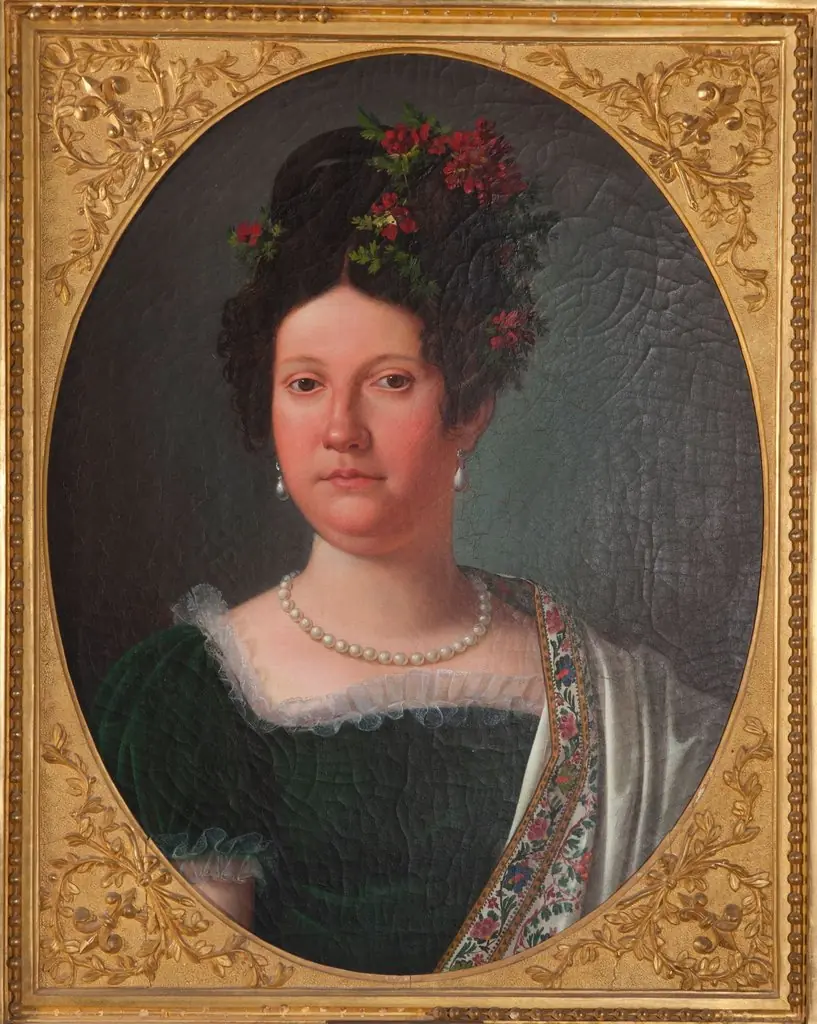 Portrait of María Isabella of Spain (1789-1848), Gueen of the Two Sicilies
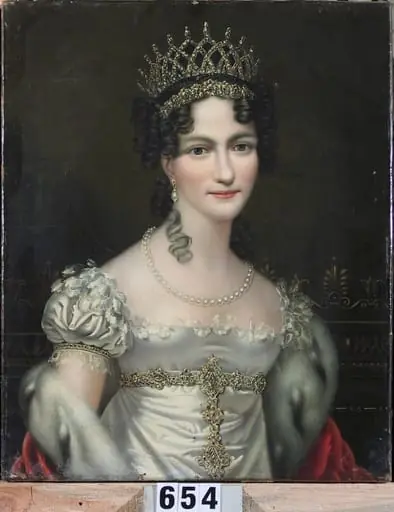 Carolina Augusta, soția împăratului austriac Franz I
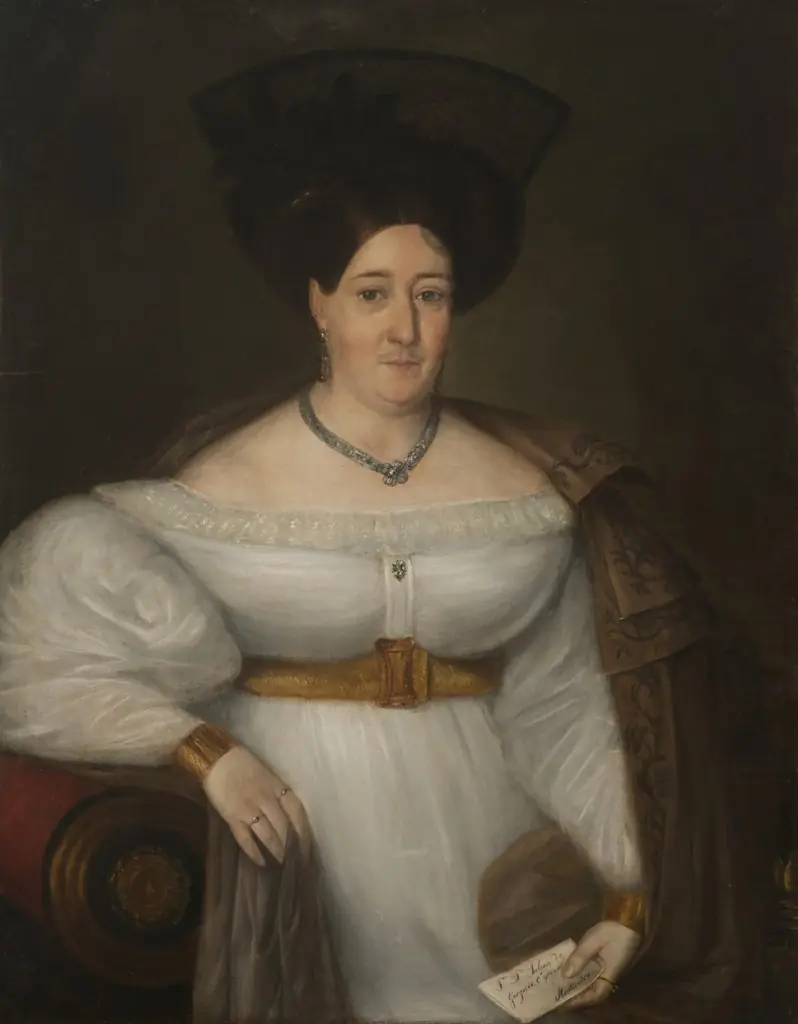 Candelaria Somellera de Espinosa
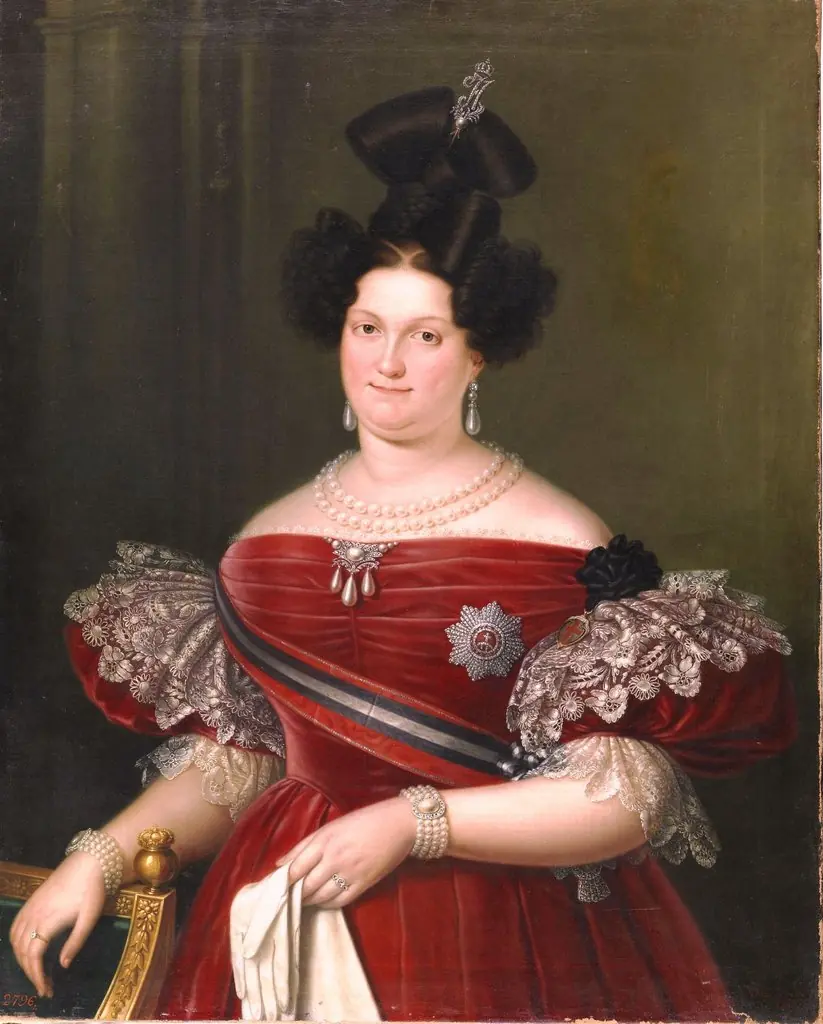 María Cristina de Borbón
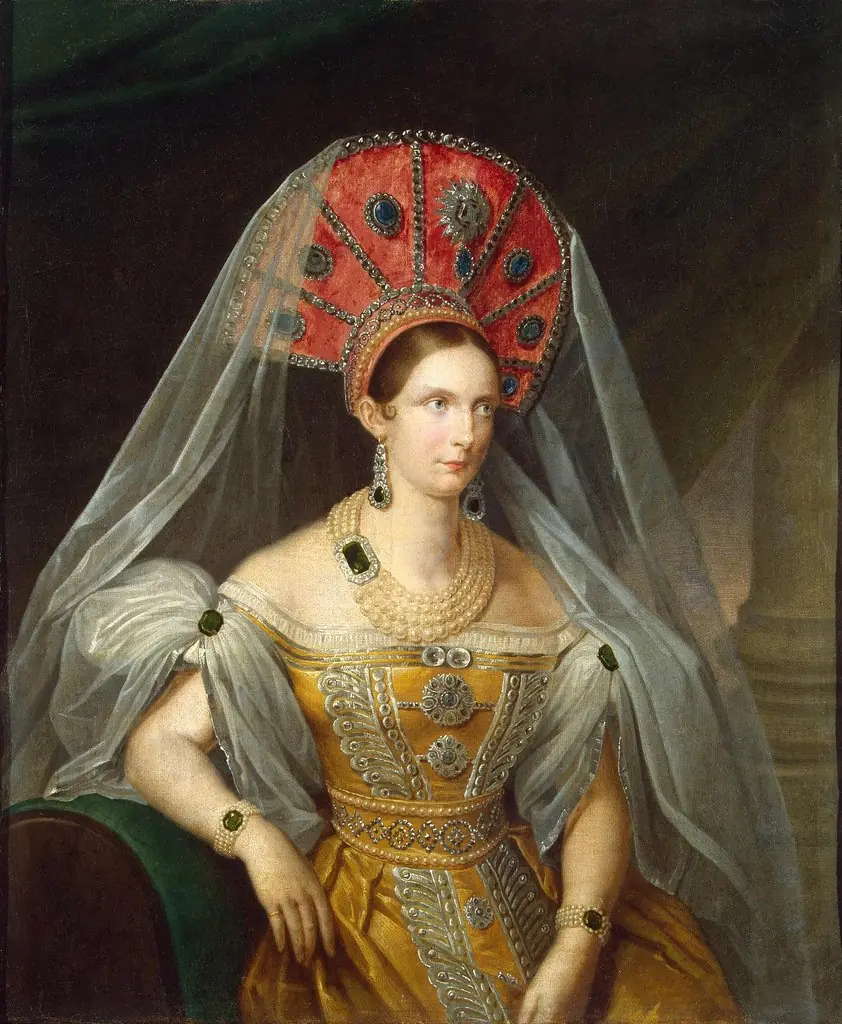 Portrait of Empress Alexandra Feodorovna
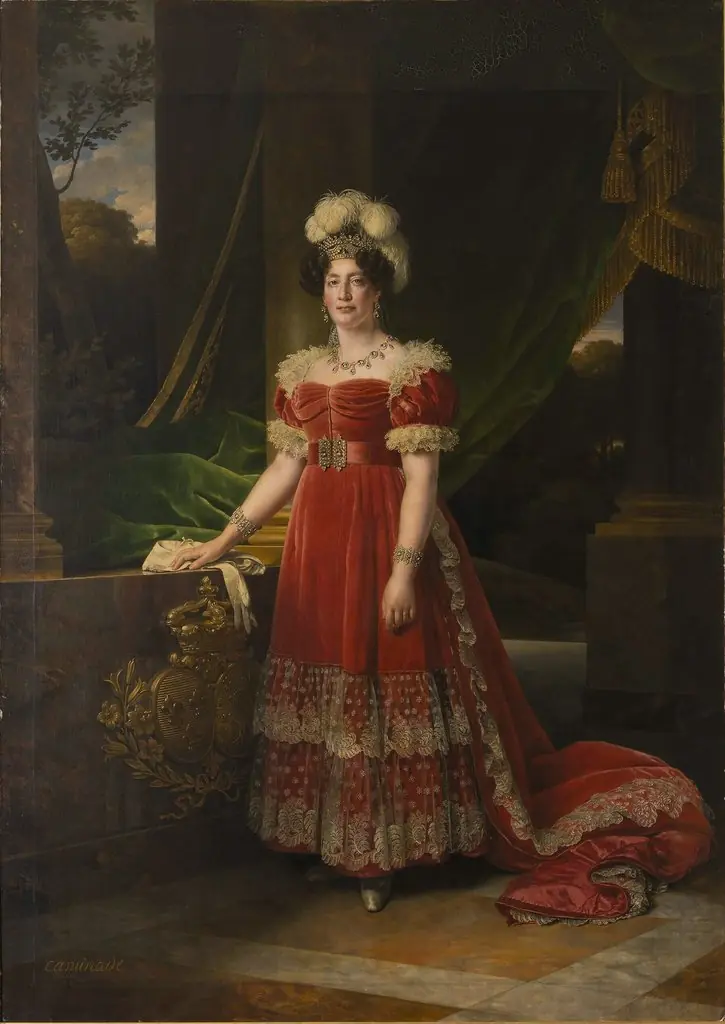 Portrait of Marie Thérèse of France, Duchess of Angoulême (1778-1851)
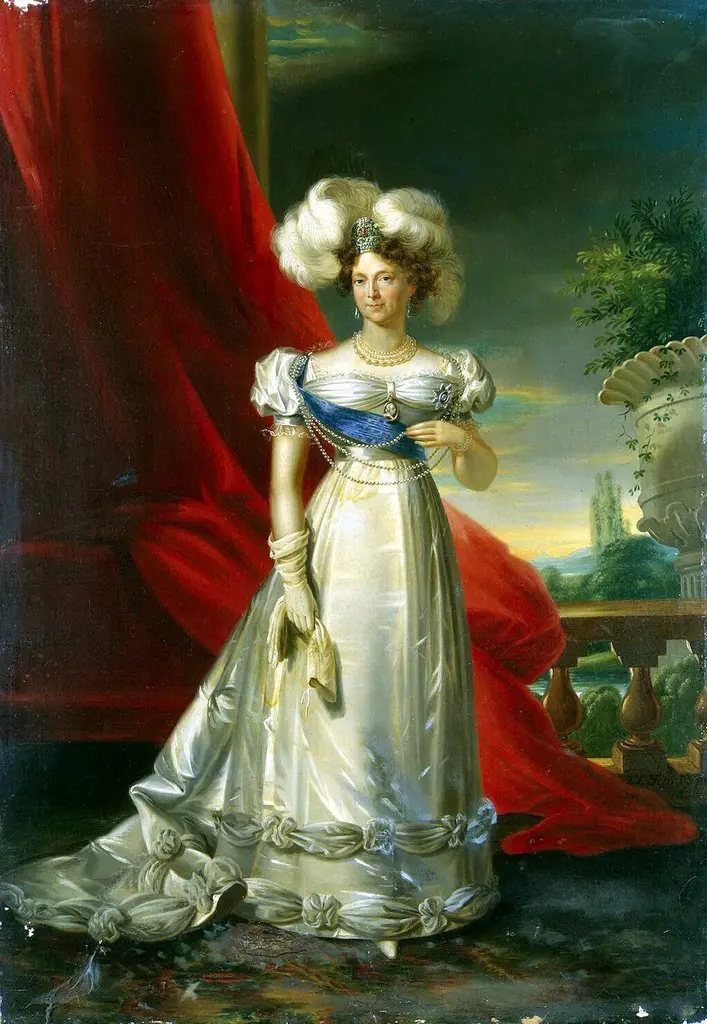 Portrait of Empress Maria Fiodorovna
 Portrait of the Empress Dowager Maria Feodorovna