Artwork
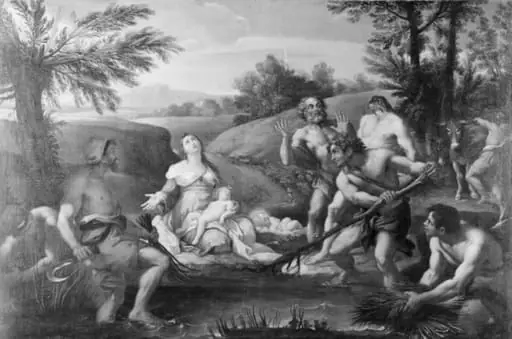
Latona forvandler Licias hyrder til frøer. Motiv fra Ovids "Metamorfoser", VI sang
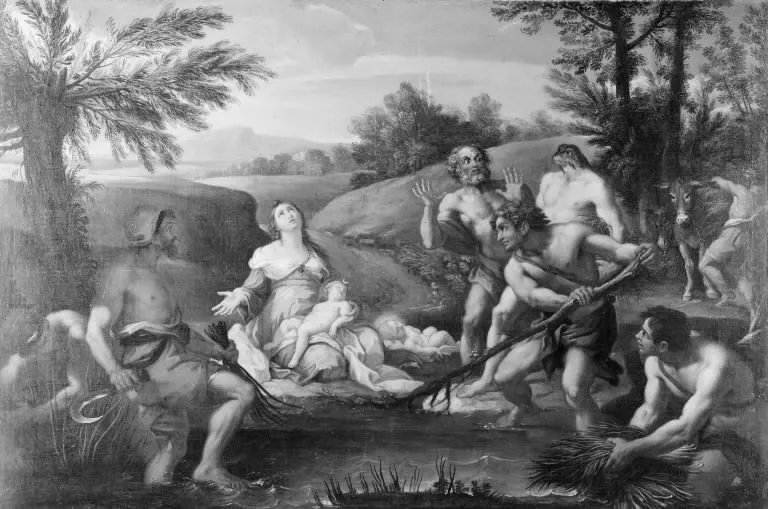
Latona forvandler Licias hyrder til frøer. Motiv fra Ovids "Metamorfoser", VI sang is an oil painting by Hendrick Krock. It dates from 1712 and is held in the collection of the Statens Museum for Kunst.
About this work
Overview
Commissioned during the early 18th century, it reflects Krock’s role as a court painter to Danish monarchs and his engagement with classical narratives.
Painted in 1712 by Danish artist Hendrick Krock, this oil work illustrates a mythological episode from Ovid’s *Metamorphoses*. Commissioned during the early 18th century, it reflects Krock’s role as a court painter to Danish monarchs and his engagement with classical narratives. The scene captures the moment Latona punishes Lycian peasants for their hostility, turning them into frogs—a subject chosen for its moral and dramatic weight within Baroque historiography.
Subject & Meaning
The painting portrays Latona, mother of Apollo and Artemis, seated on a rock as she curses a group of Lycian peasants who denied her water. Their punishment—transformation into amphibians—is rendered in stages: some figures still retain human form, while others have begun to sprout webbed limbs and bulging eyes. The narrative underscores divine retribution for hubris, a theme common in Ovid’s text and widely interpreted in European art as a warning against disrespecting the sacred.
Technique & Style
Krock employs chiaroscuro to model the figures with dramatic volume, enhancing the tension of the metamorphosis. The natural setting—trees, water, and rocky terrain—anchors the supernatural event in a believable landscape. While the human anatomy is rendered with observational precision, the grotesque transformations introduce a fantastical element. Brushwork varies between smooth flesh tones and looser, more expressive strokes in the foliage, suggesting a synthesis of Italian Baroque influence and Northern European detail.
History & Provenance
Completed during Krock’s tenure as court painter to Frederick IV and later Christian VI, the work was likely intended for royal decoration or as a demonstration of his skill in history painting. It entered the collection of Statens Museum for Kunst in Copenhagen, where it remains today. As one of the earliest Danish treatments of classical mythology, it reflects the court’s interest in aligning Danish culture with broader European artistic traditions of the time.
Context
In early 18th-century Denmark, history painting was promoted as the highest genre, tied to moral instruction and royal prestige. Krock’s training in Italy exposed him to Caravaggisti and Baroque compositions, which he adapted to Danish tastes. This painting aligns with broader trends in Northern Europe where mythological scenes served as vehicles for political and ethical commentary, even as local patrons favored subjects with clear moral binaries and visible divine intervention.
Legacy
Though Krock’s output was limited, this painting stands as a significant early example of Danish history painting rooted in classical literature. It helped establish a visual language for mythological narratives in Denmark, influencing later artists who sought to elevate national art through European models. Its preservation in the national collection affirms its role as a foundational work in Denmark’s artistic heritage, rather than a mere curiosity of courtly taste.
Artist & collection
Artist
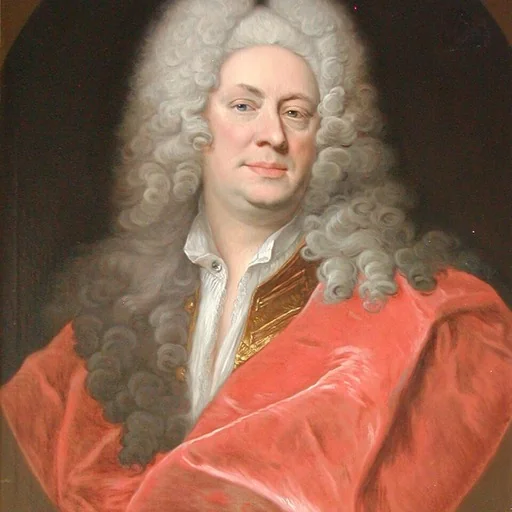
Hendrick Krock (21 July 1671 – 18 November 1738) was a Danish history painter who, from 1706, was the court painter of Frederick IV as well as his successor Christian VI.

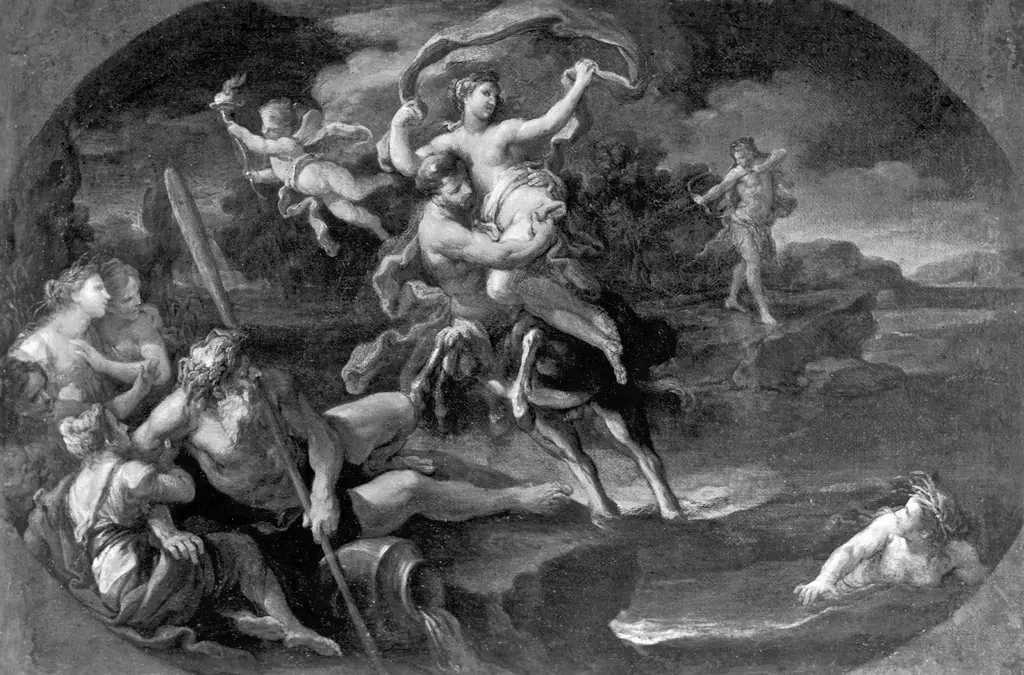 The Abduction of Deianira
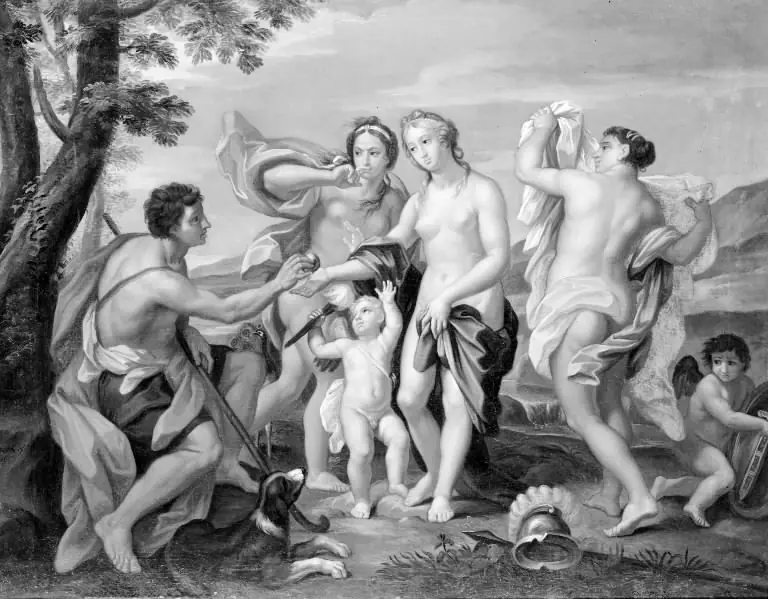
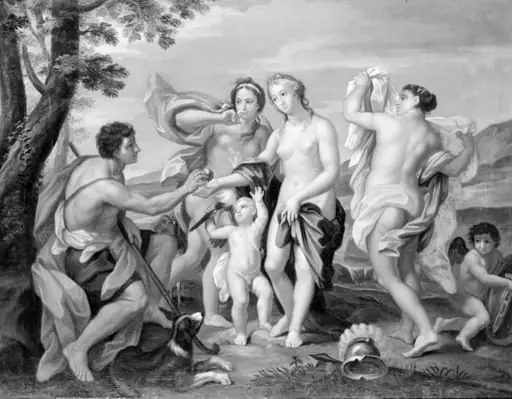 Paris' dom
 Beweinung Abels
 Landscape with the Holy Family and the Infant Saint John the Baptist
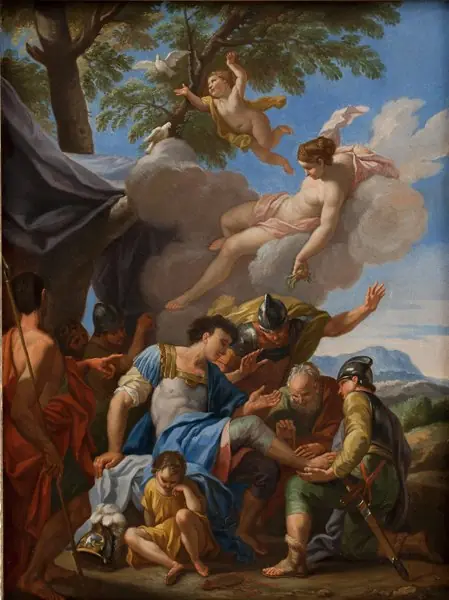
 Venus, von Mars belauscht
 Bacchus and Ariadne
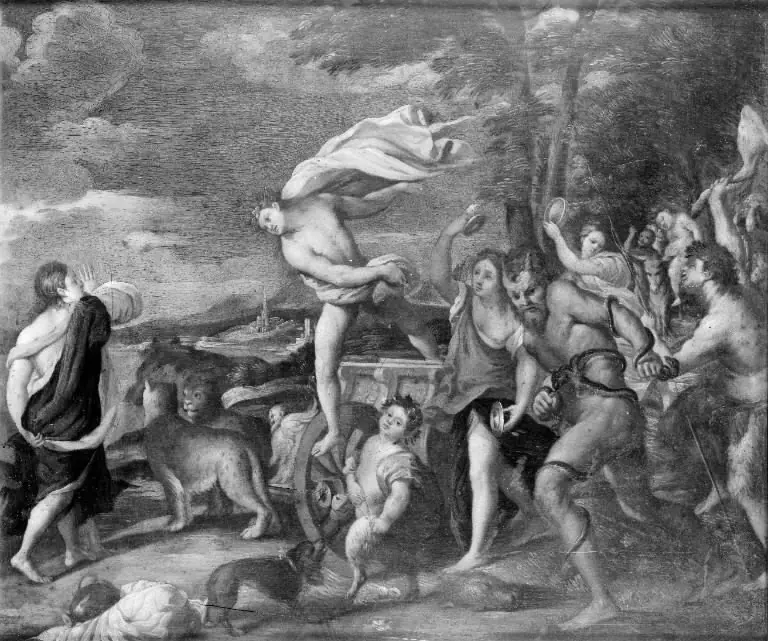 Bacchus and Ariadne
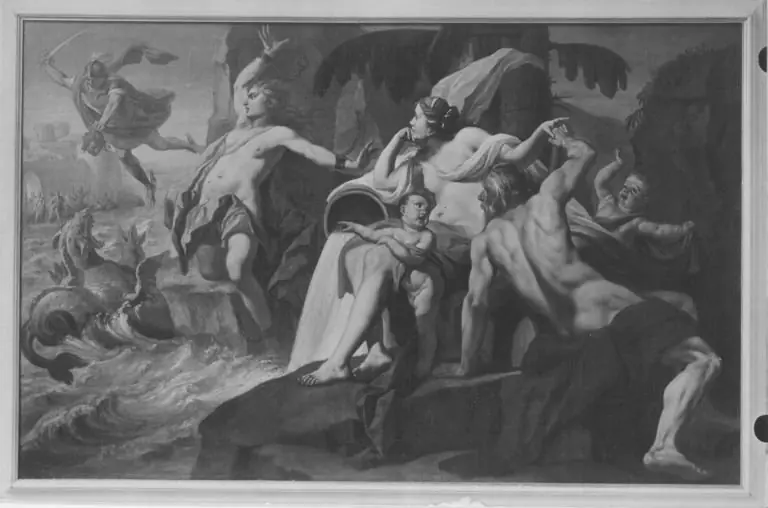 Befreiung der Andromeda
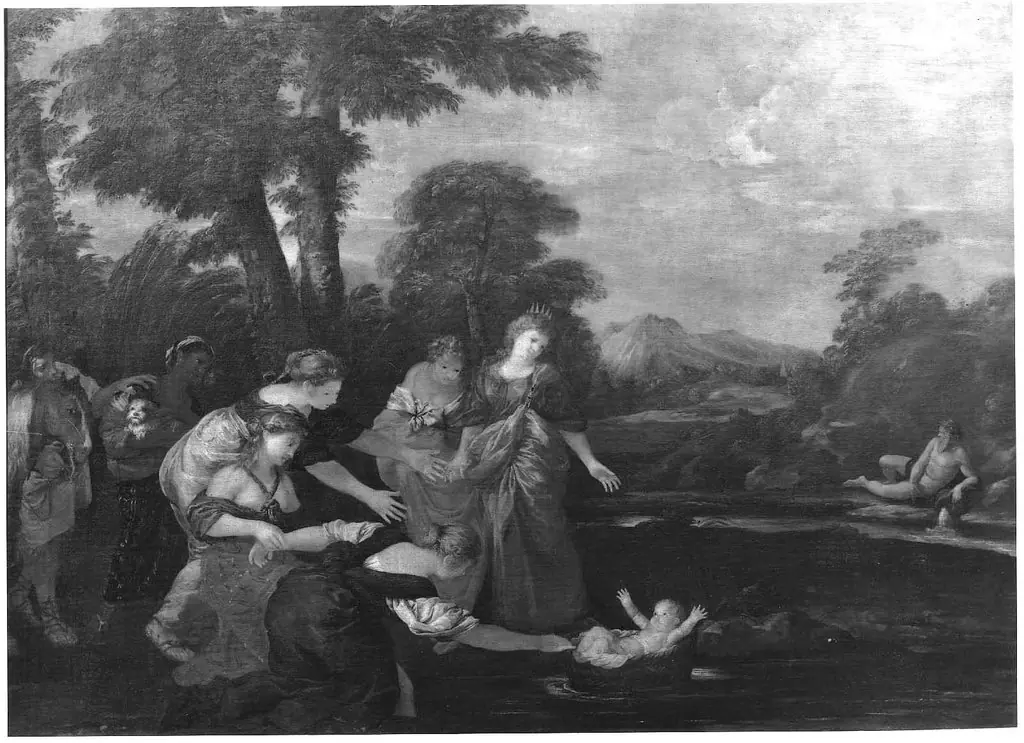 Moses Saved from the Waters
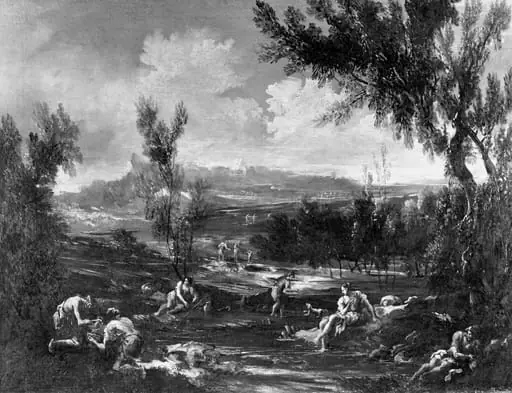 Arcadian Landscape with Figures
 Latona forvandler Licias hyrder til frøer. Motiv fra Ovids "Metamorfoser", VI sang