Artwork
King David playing the harp among angels
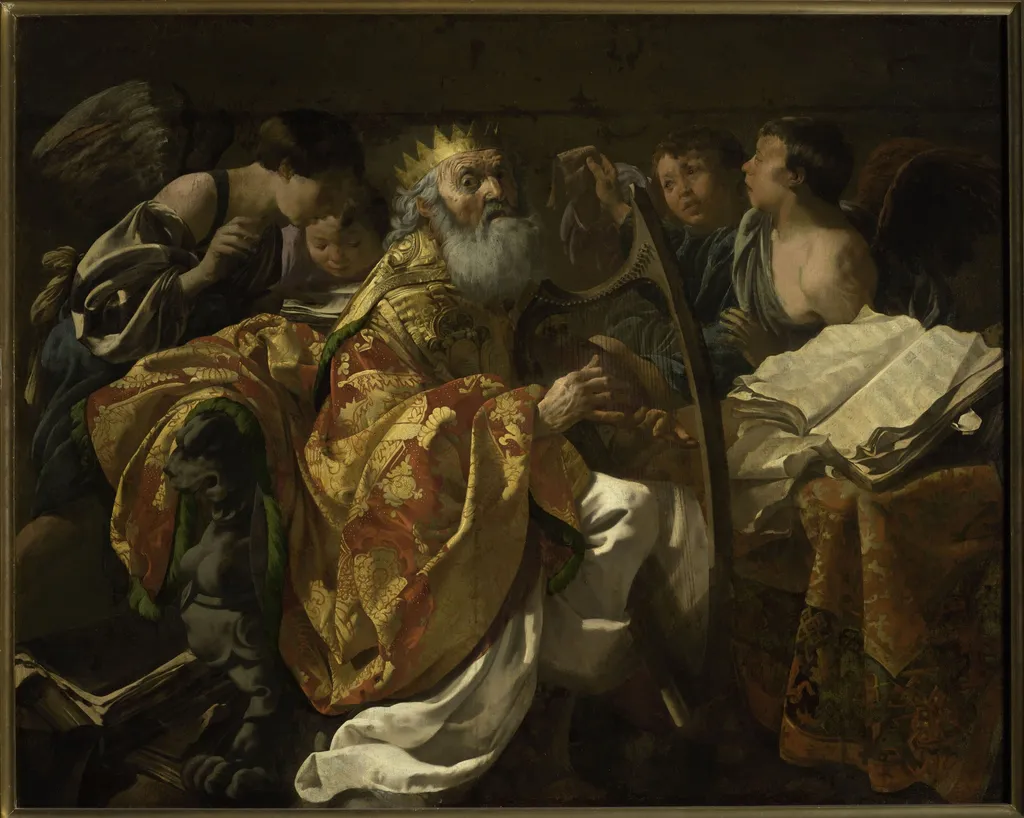
King David playing the harp among angels is an oil painting by the Early Baroque Italian artist Hendrick ter Brugghen. It dates from 1628 and is held in the collection of the National Museum in Warsaw.
About this work
Overview
Painted in 1628 by Hendrick ter Brugghen, this oil-on-canvas work portrays King David in a contemplative moment surrounded by celestial figures.
Painted in 1628 by Hendrick ter Brugghen, this oil-on-canvas work portrays King David in a contemplative moment surrounded by celestial figures. A member of the Utrecht Caravaggisti, Ter Brugghen adapted Italian Baroque lighting techniques to a Northern European sensibility. The painting resides in the National Museum in Warsaw, where it stands as a rare example of Dutch religious imagery infused with Caravaggio’s dramatic chiaroscuro.
Subject & Meaning
The scene illustrates King David, biblical author of the Psalms, lost in musical devotion as he plays the harp. His closed eyes and upturned face suggest inner spiritual communion, while the angels, softly singing in unison, embody divine harmony. The composition transforms a moment of personal worship into a vision of sacred music as a bridge between earthly and heavenly realms, reflecting Counter-Reformation ideals of devotional intensity.
Technique & Style
Ter Brugghen employs strong chiaroscuro to isolate the figures against a deep, shadowed background, heightening their three-dimensionality. The king’s richly textured robe and the angels’ translucent drapery contrast with the matte darkness, guiding focus to the central act of music-making. Delicate highlights on faces and instruments lend realism, while the carved throne adds ornamental detail without distracting from the spiritual stillness.
History & Provenance
Commissioned during Ter Brugghen’s mature period, the painting entered the Polish national collection in the 19th century, likely through European art markets or diplomatic exchange. Its survival through wars and political shifts underscores its recognized cultural value. Though not widely exhibited abroad, it has remained a consistent part of Warsaw’s permanent holdings since its acquisition.
Context
Created in the wake of the Protestant Reformation, this Catholic-themed work reflects the persistence of religious imagery in the Dutch Republic, where artists often explored biblical subjects for private or elite patrons. Ter Brugghen’s synthesis of Italian naturalism with Northern attention to detail reveals a broader trend among Utrecht painters seeking to reconcile devotional content with emerging realism.
Legacy
The painting exemplifies how Northern artists absorbed and transformed Caravaggio’s innovations into intimate, emotionally resonant scenes. While Ter Brugghen’s reputation waned after his death, this work remains a touchstone for understanding the cross-cultural dialogue between Italian Baroque and Dutch painting. It continues to inform scholarly study of religious representation in early 17th-century Europe.
Artist & collection
Artist
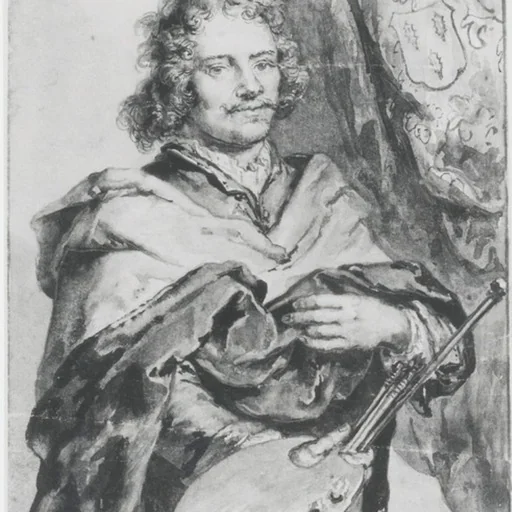
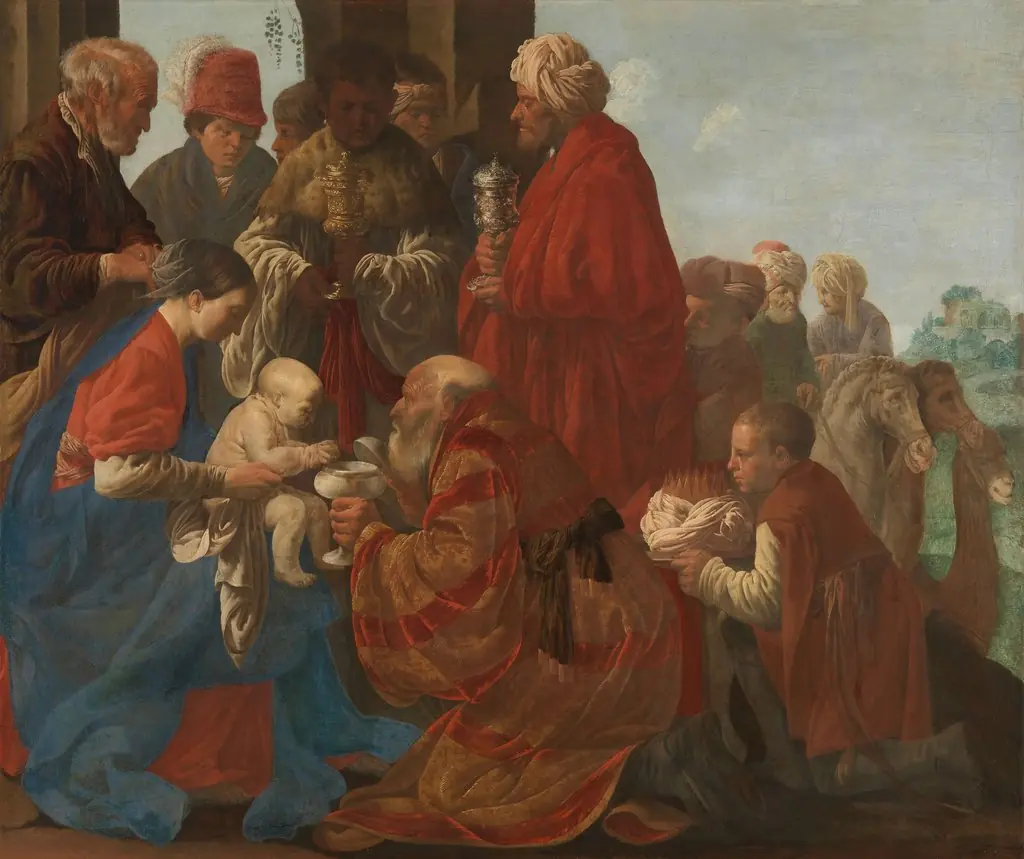
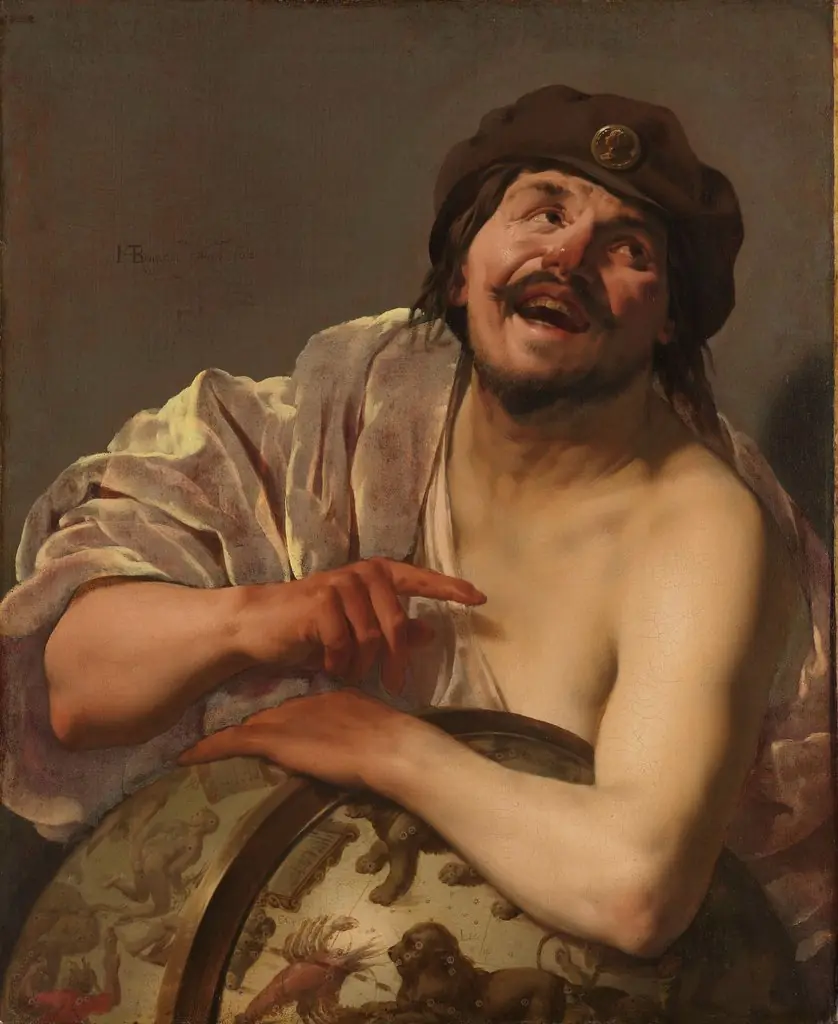
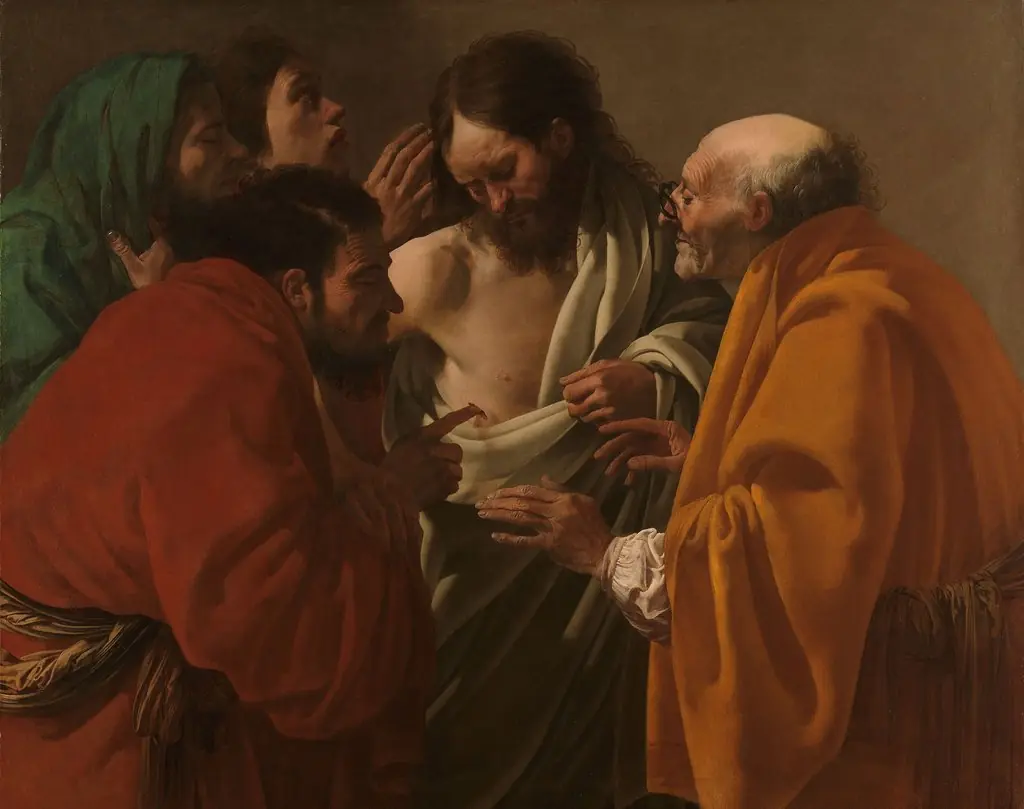
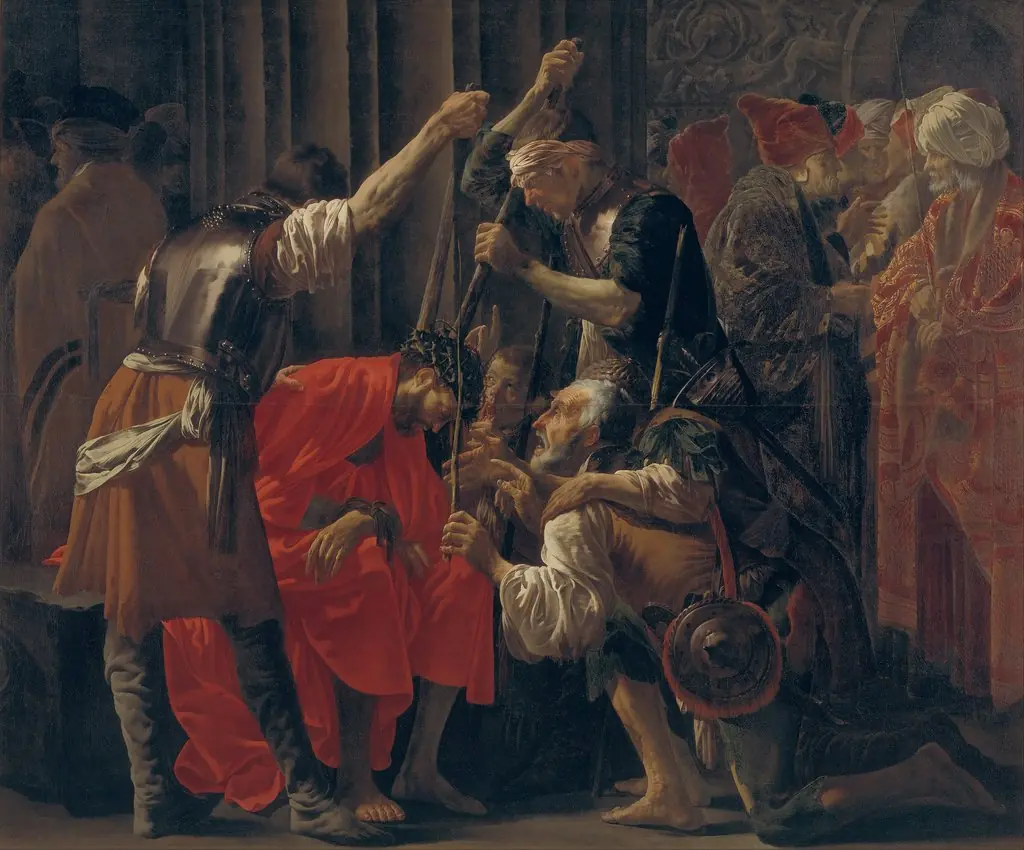
Hendrick Jansz ter Brugghen (or Terbrugghen; 1588 – 1 November 1629) was a Dutch painter of genre scenes and religious subjects.

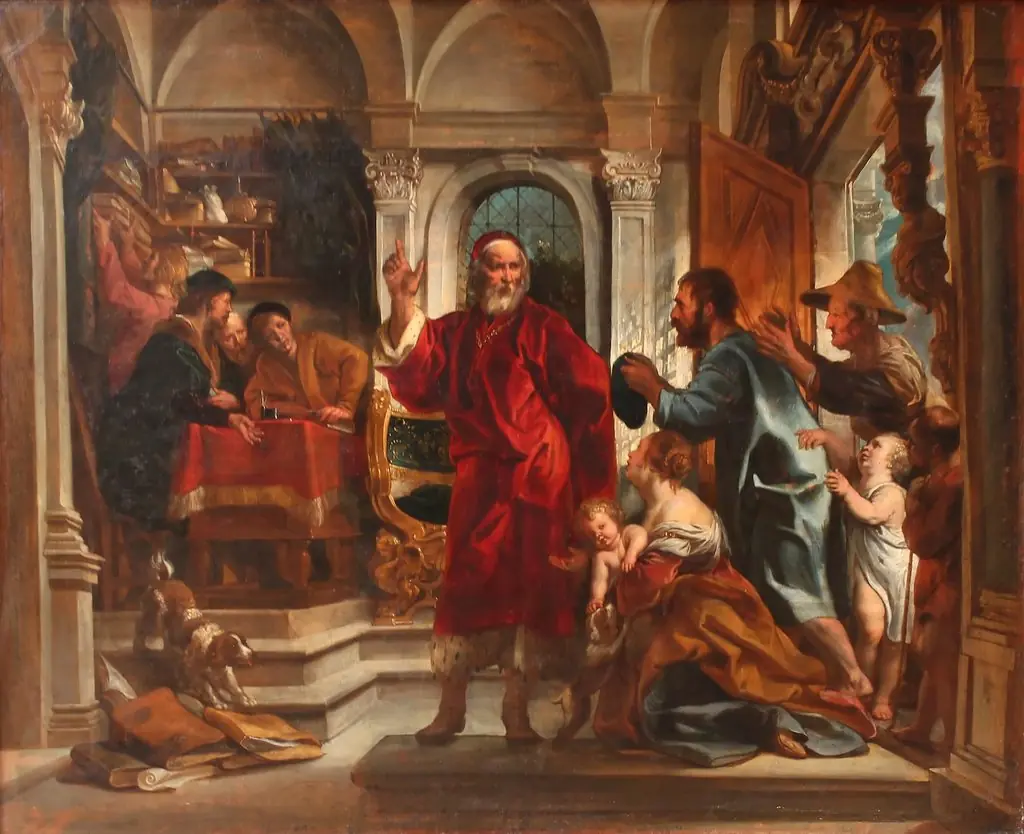 Saint Ivo of Kermartin helping the poor
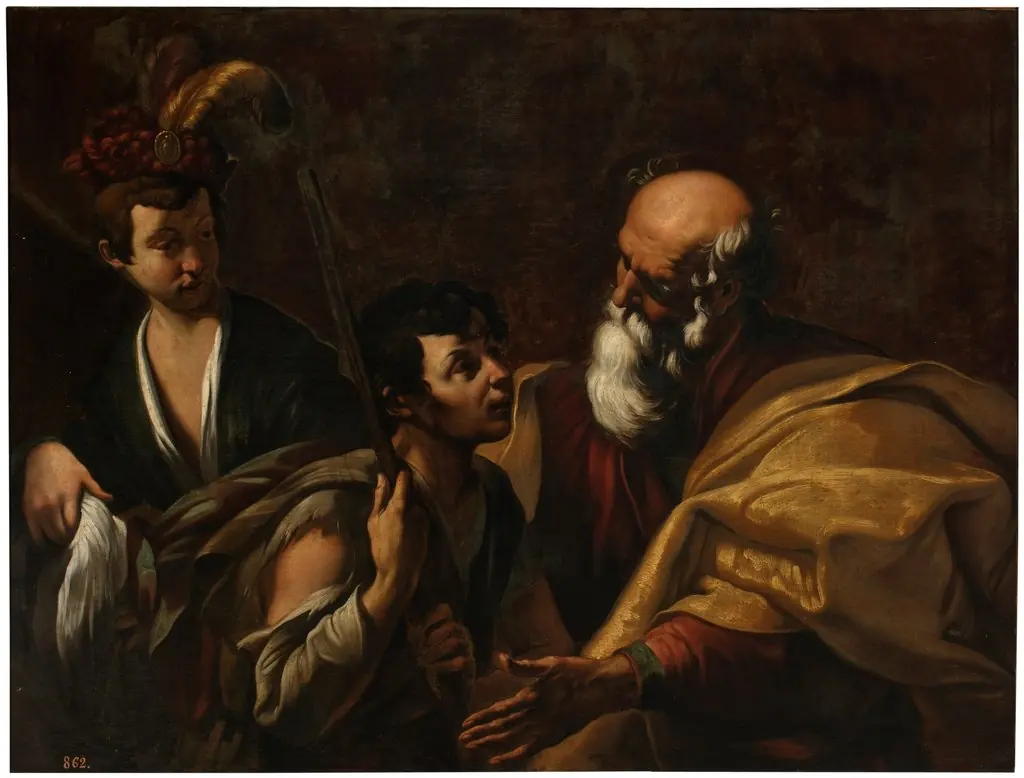 El hijo pródigo
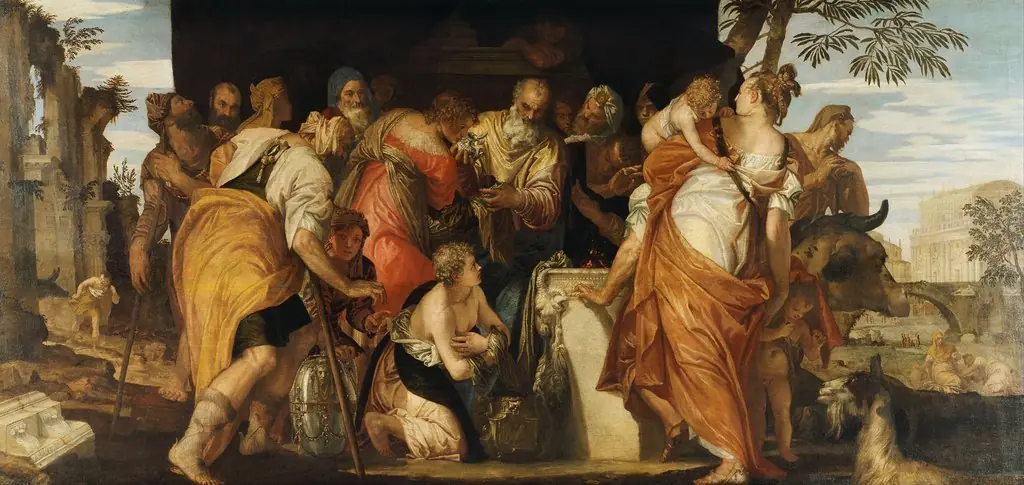 The Anointing of David
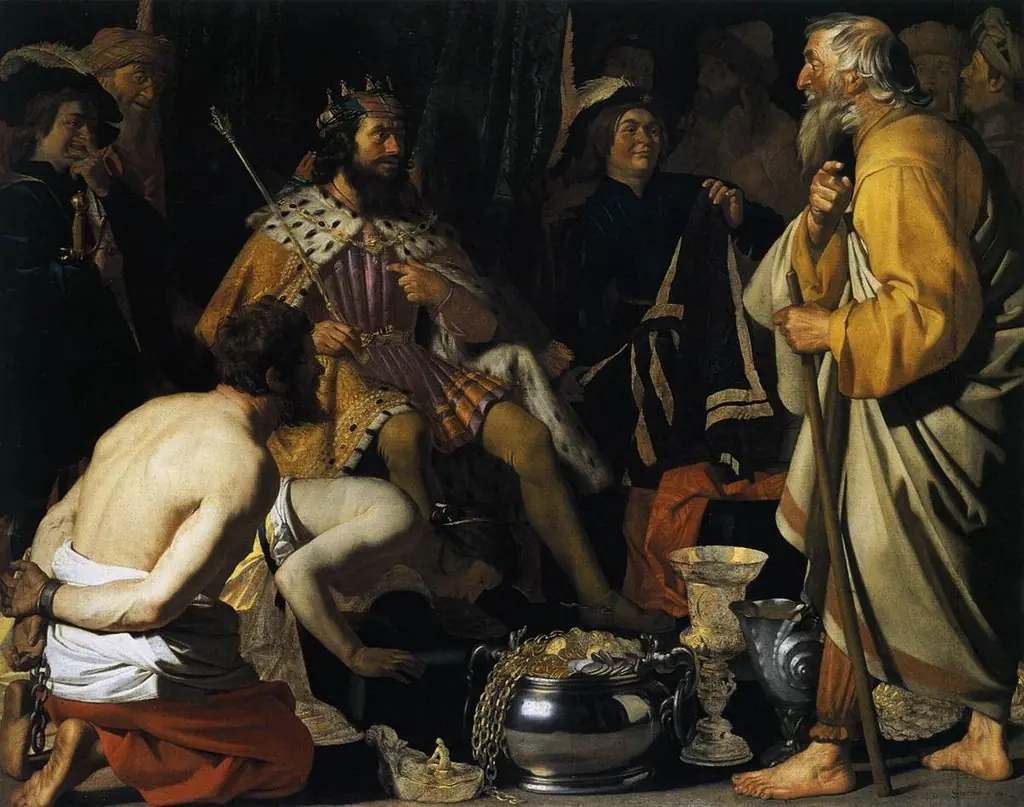 Solon and Croesus
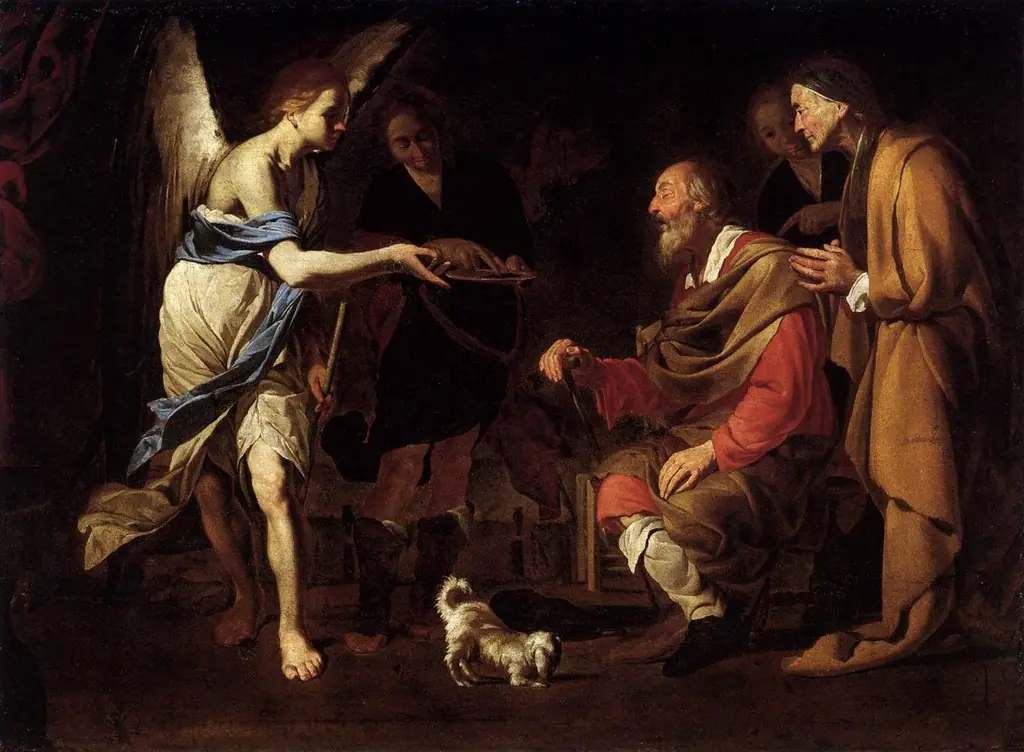 Curing of Tobias
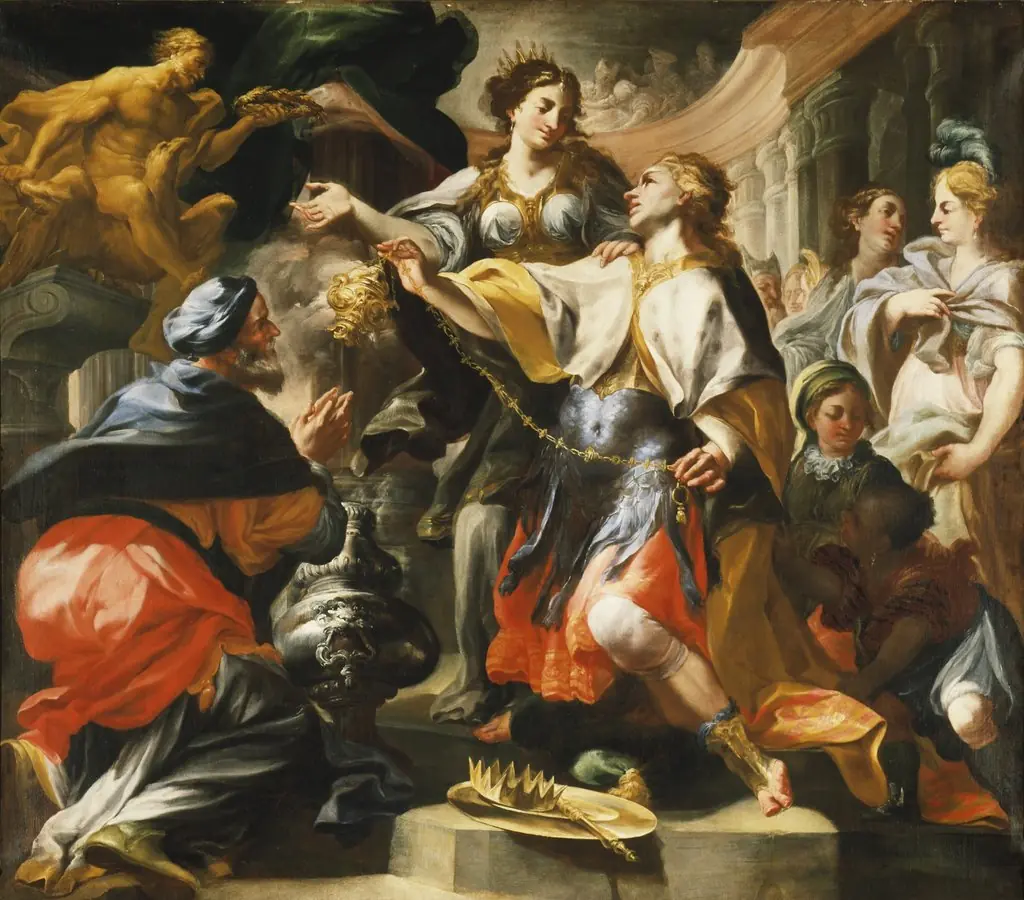 Solomon Worshiping a Pagan God
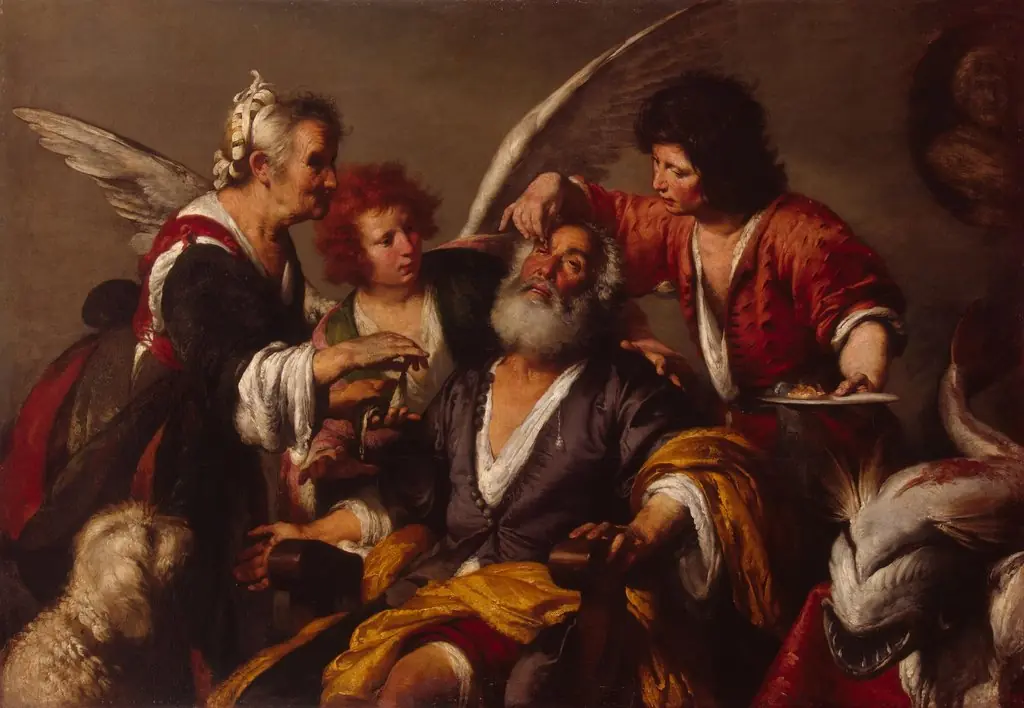 Healing of Tobit
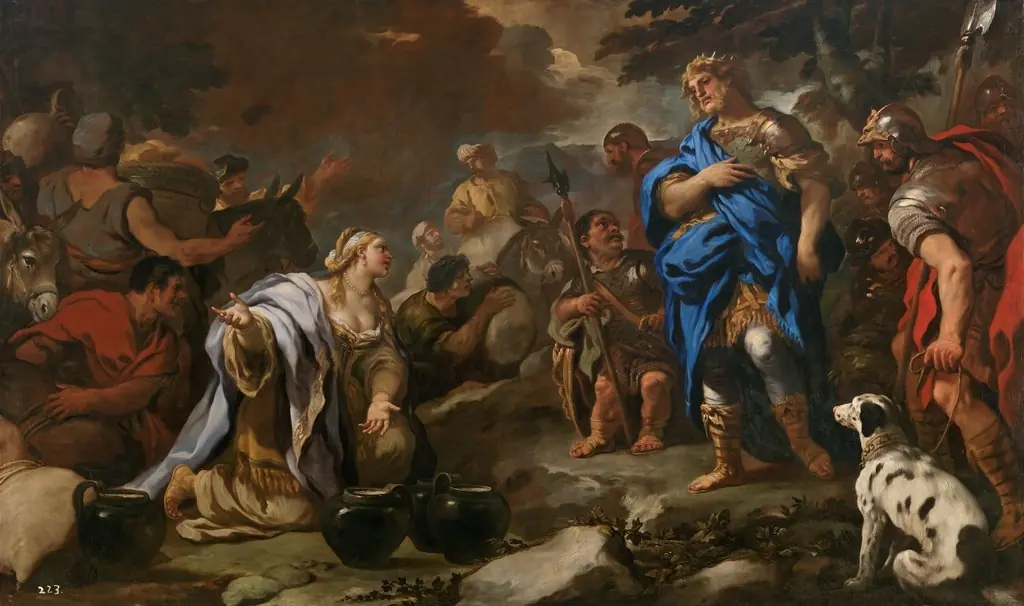 La prudente Abigail
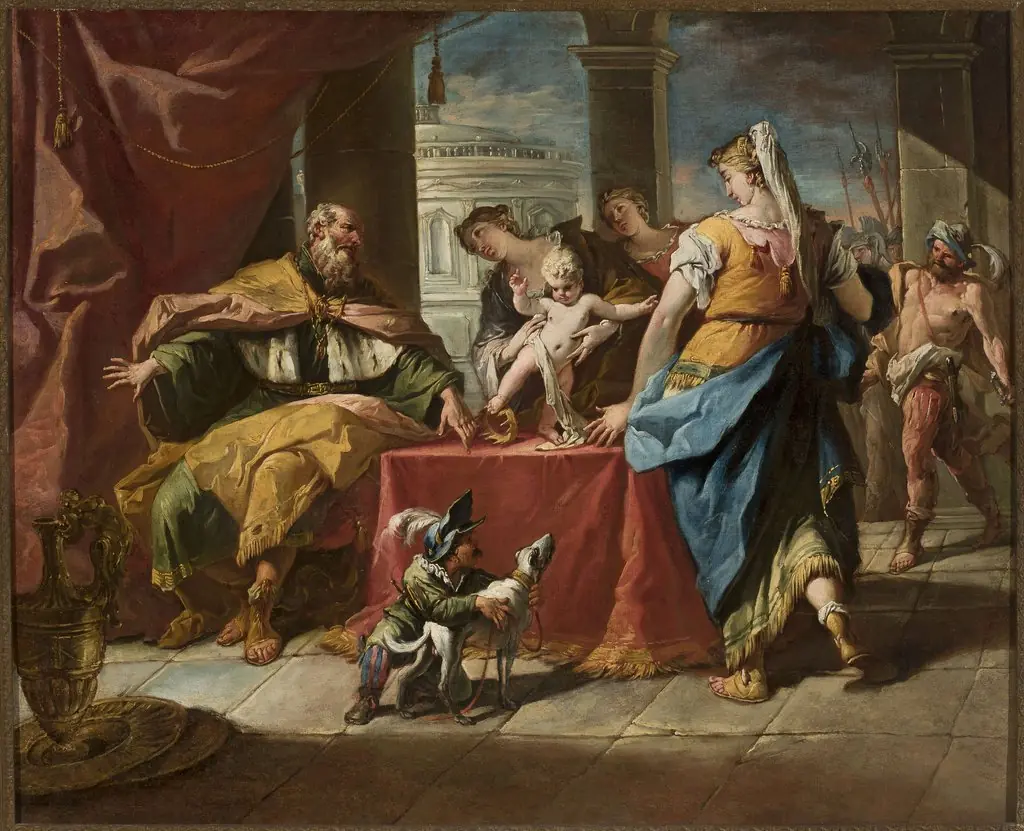 Moses trampling on the Pharaoh’s crown
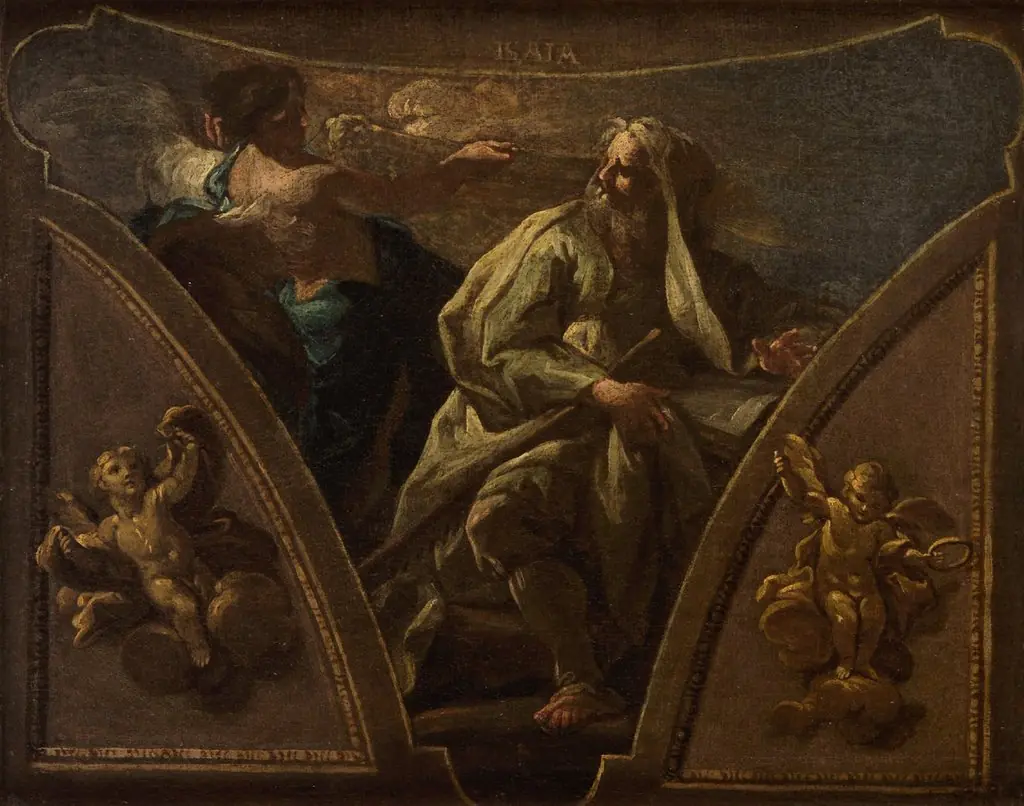 Der Propheten Jesaias
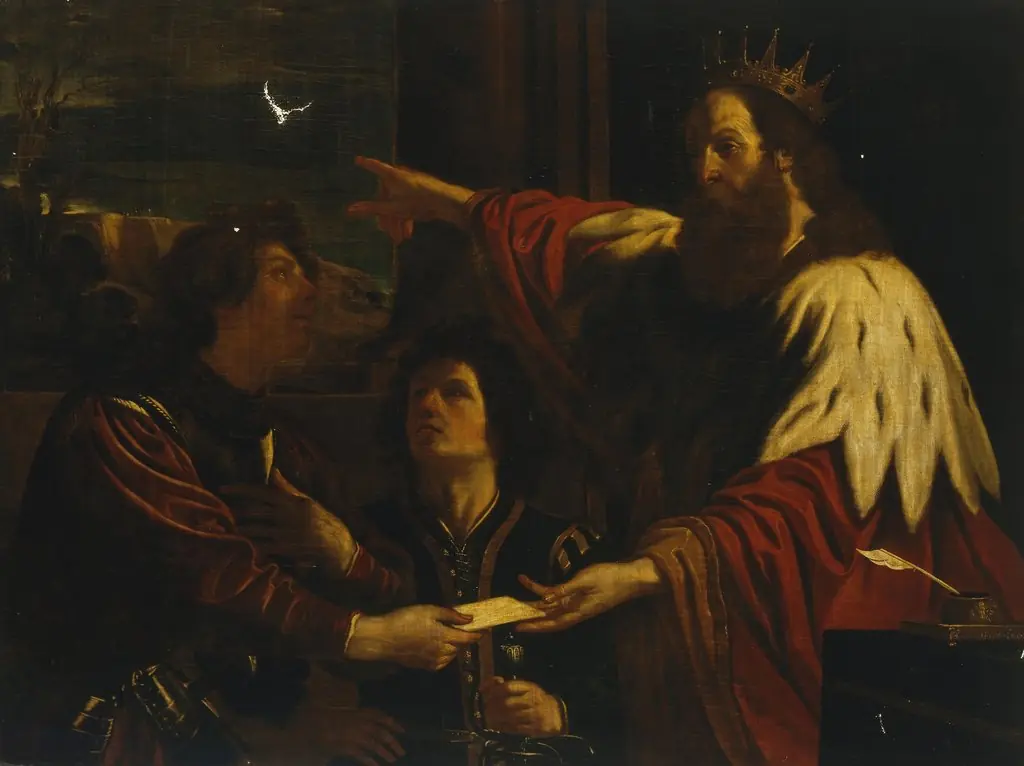 David sends Uriah to Yoav (copy)
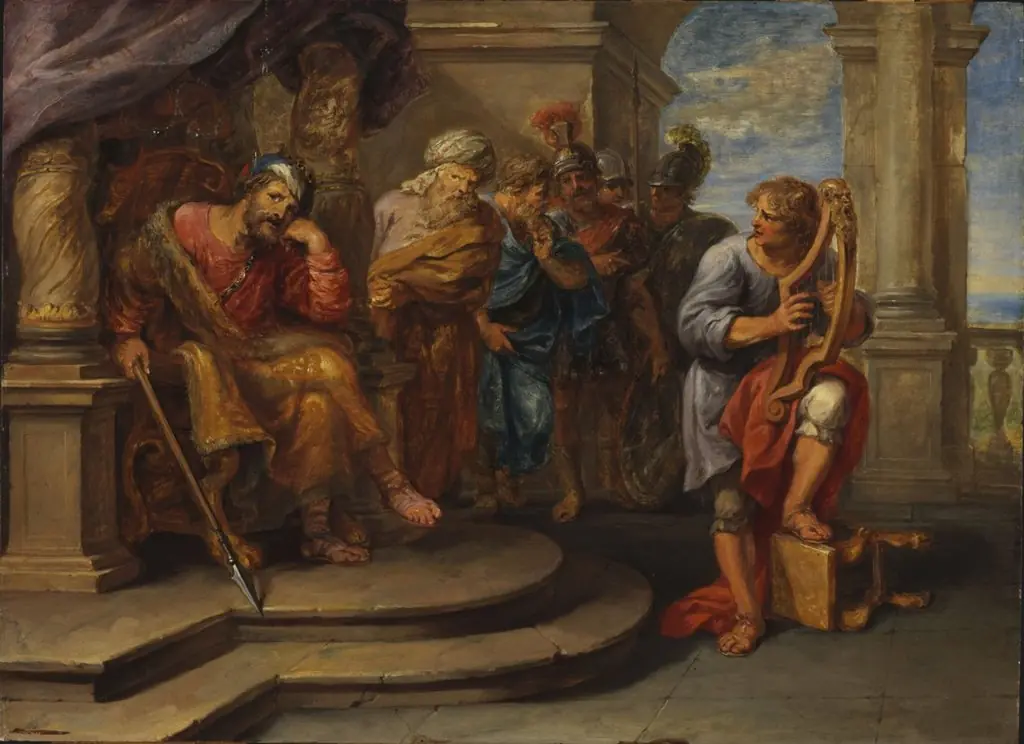 David Playing the Harp for King Saul