Artwork
Max Emanuel vor Belgrad
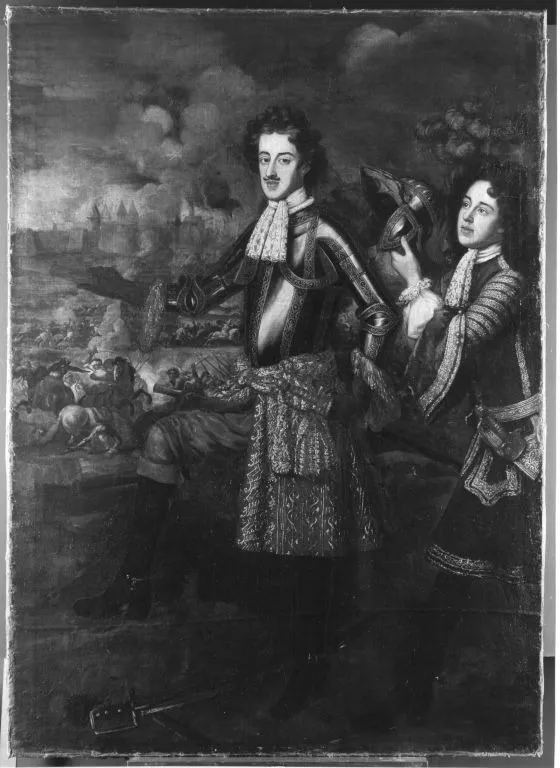
Max Emanuel vor Belgrad is an unspecified painting by the French Classical Baroque artist Henri Gascar. It dates from 1695 and is held in the collection of the Bavarian State Painting Collections.
About this work
Overview
Painted in 1695 by Henri Gascar, *Max Emanuel vor Belgrad* is a portrait of the Bavarian military commander Maximilian II Emanuel in the context of his campaign near Belgrade. Gascar, a French artist trained in the courtly tradition, executed this work during a period of transition in his career, following his time in England and preceding his later years in Italy. The painting is now part of the Alte Pinakothek’s collection in Munich, where it remains a key example of late 17th-century portraiture with historical resonance.
Subject & Meaning
The scene does not depict battle but rather a moment of command and observation, emphasizing leadership and composure.
The painting portrays Maximilian II Emanuel, Elector of Bavaria, alongside an unidentified companion, likely a staff officer or diplomat, standing before the distant horizon of Belgrade. The scene does not depict battle but rather a moment of command and observation, emphasizing leadership and composure. The figures’ poised stance and refined attire convey authority without overt aggression, reflecting the political and military stature of the subject during the Habsburg-Ottoman conflicts.
Technique & Style
Gascar employs a restrained Baroque palette dominated by deep browns, blacks, and muted golds to model form and create spatial depth. The figures are rendered with precise detail in fabric and texture, contrasting with the hazy, atmospheric background. Light falls subtly across the faces and clothing, enhancing volume without theatricality. The composition centers the two men against an ambiguous landscape, directing focus to their presence rather than the surrounding activity.
History & Provenance
Commissioned during Maximilian’s military campaign in the Balkans, the painting was likely intended to document his role in the War of the Holy League. Gascar, who had previously served as a court painter to Charles II of England, brought his refined portraiture style to this German noble’s likeness. The work entered the Bavarian royal collection and was later transferred to the Alte Pinakothek in the 19th century, where it has remained in public stewardship since.
Context
Created during the Great Turkish War, the painting reflects the broader European struggle against Ottoman expansion. Maximilian Emanuel, allied with the Habsburgs, played a significant role in the campaign to reclaim Belgrade. Though the city would not fall until 1688, Gascar’s portrait captures the lingering prestige of his leadership in the years following. The work aligns with contemporary European trends that fused military achievement with aristocratic representation.
Legacy
Gascar’s *Max Emanuel vor Belgrad* stands as a testament to the international mobility of artists and patrons in the late Baroque era. While not widely known today, the painting exemplifies how French-trained painters adapted their style to serve German princely interests. Its preservation in a major European museum ensures its continued role as a visual record of early modern military leadership and aristocratic identity.
Artist & collection
Artist
Henri Gascar (c. 1635 – 1 Jan 1701) was a French painter who achieved artistic success in England during the reign of Charles II. He painted many leading ladies at court, including several of the King's mistresses,…

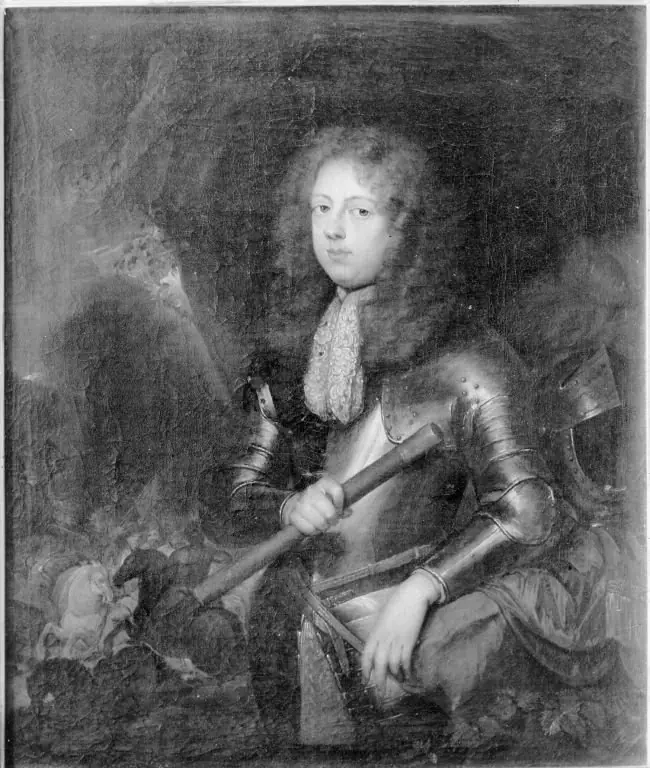 Bildnis eines Prinzen
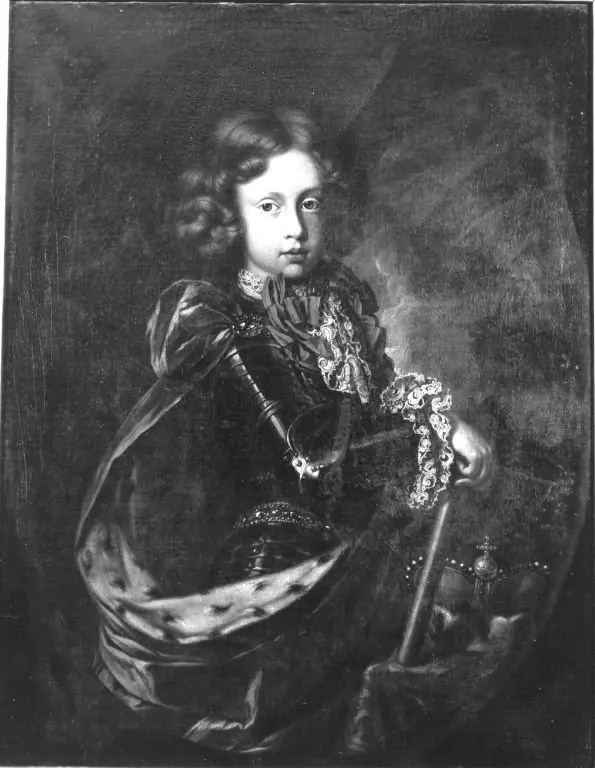 Bildnis eines kleinen Prinzen
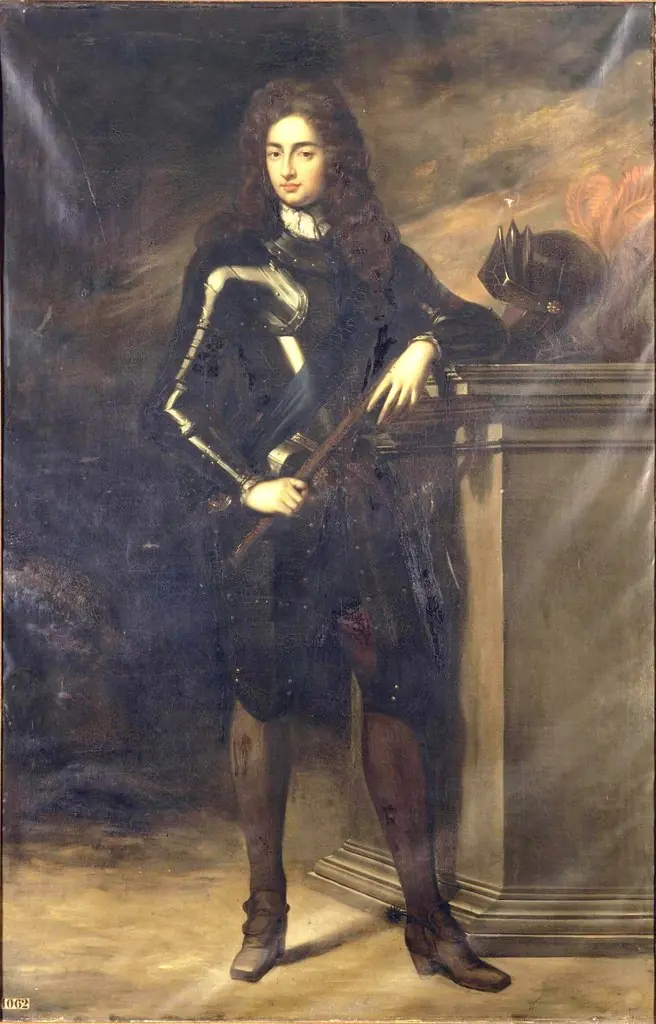 Portrait of James FitzJames, 1st Duke of Berwick
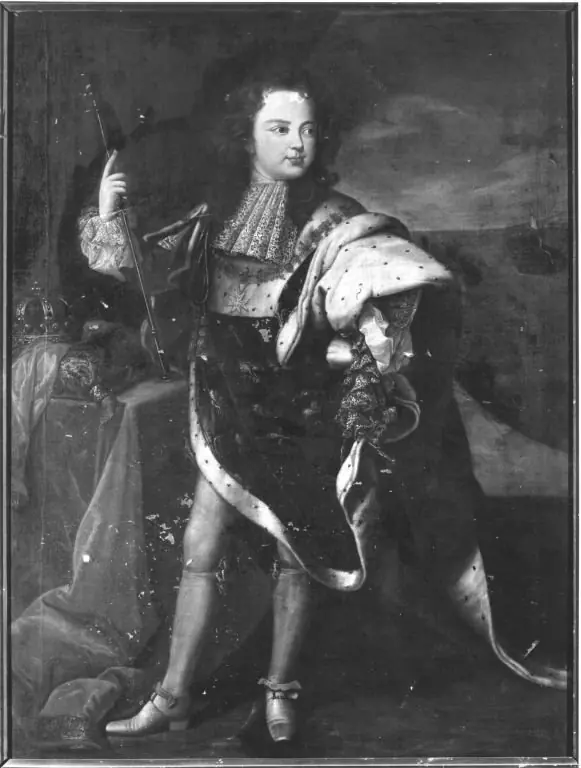 Knabenbildnis des Ludwig XV. als Dauphin
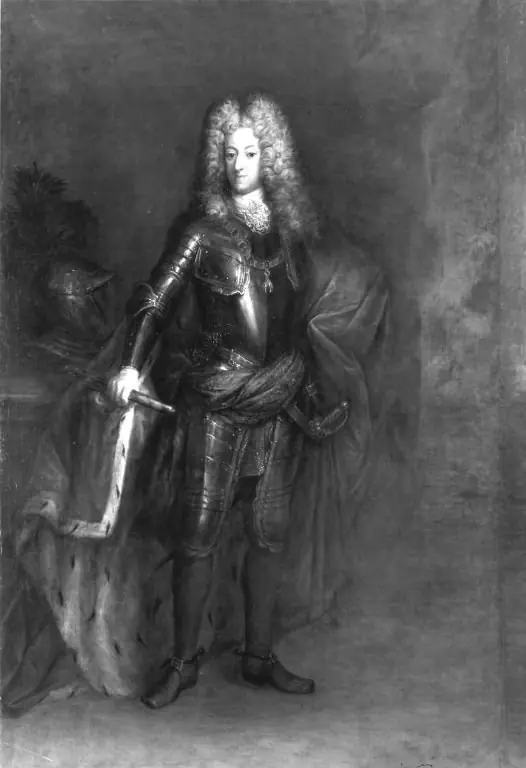 Bildnis des Kurfürsten Max Emanuel von Bayern
 Cosimo II, Grand Duke of Tuscany
 King George II
 Carl Gustaf Hård (1674-1744), greve, riksråd, general
 James III, Prince of Wales
 William Frederick of Nassau
 BIldnis eines jungen kurpfälzischen Prinzen (?) (?)
 Portrait of Ferdinando de' Medici, Grand Prince of Tuscany