Artwork
Thirty-Six Views of the Eiffel Tower: From the Quai de Grenelle
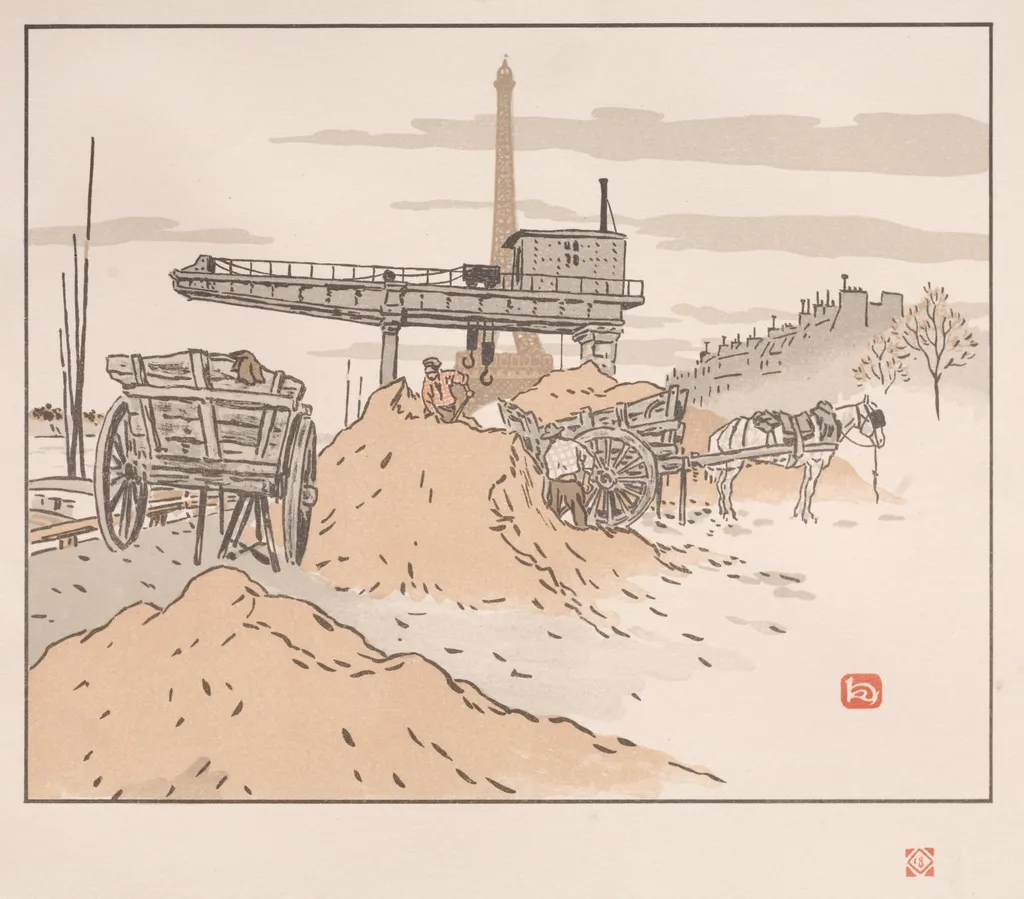
Thirty-Six Views of the Eiffel Tower: From the Quai de Grenelle is a print by Henri Rivière. It dates from 1902 and is held in the collection of the Cleveland Museum of Art.
About this work
Overview
Executed as a color lithograph, it captures a quiet riverside moment on the Quai de Grenelle, emphasizing everyday life rather than the monument’s grandeur.
Created in 1902 by French artist Henri Rivière, this print is one of thirty-six in a series depicting the Eiffel Tower from varying angles along the Seine. Executed as a color lithograph, it captures a quiet riverside moment on the Quai de Grenelle, emphasizing everyday life rather than the monument’s grandeur. The work reflects Rivière’s interest in atmospheric perspective and urban quietude, diverging from typical celebratory portrayals of the tower.
Subject & Meaning
The scene presents a modest, uneventful street: two wooden carts, one empty and the other drawn by a horse, rest beside a dirt path. A low bridge and distant buildings frame the view, with the Eiffel Tower rendered small and simplified in the background. Rather than glorifying the structure, Rivière integrates it as a quiet fixture in daily life, suggesting a contemplative relationship between the city’s modern symbol and its ordinary rhythms.
Technique & Style
Rivière employed color lithography to achieve soft, muted tones and clean, deliberate lines. The composition favors balance and restraint, with minimal detail in the sky and buildings, allowing the tower to emerge as a subtle silhouette. The technique echoes Japanese woodblock prints, which Rivière admired, and aligns with post-Impressionist tendencies toward flattened space and emotional tone over realism.
History & Provenance
The print was produced as part of Rivière’s 1902 series, inspired by Hokusai’s 'Thirty-Six Views of Mount Fuji.' It was likely printed in limited editions for collectors and art enthusiasts in Paris. The work entered The Cleveland Museum of Art’s collection through documented acquisition, preserving its place in early 20th-century French graphic art.
Context
At the time of its creation, the Eiffel Tower had been a subject of controversy for over a decade, later becoming a national emblem. Rivière’s series offered an alternative to monumental depictions, focusing instead on the tower’s integration into the fabric of Parisian life. His background in theatrical shadow plays informed his sensitivity to light, shadow, and quiet narrative.
Legacy
Rivière’s series is recognized as an early example of modern French printmaking that reimagined urban landmarks through intimate, everyday scenes. While less known than contemporaneous works, it influenced later artists interested in the poetic potential of the cityscape. The series remains a quiet testament to the shift from spectacle to observation in late 19th- and early 20th-century art.
Artist & collection
Artist
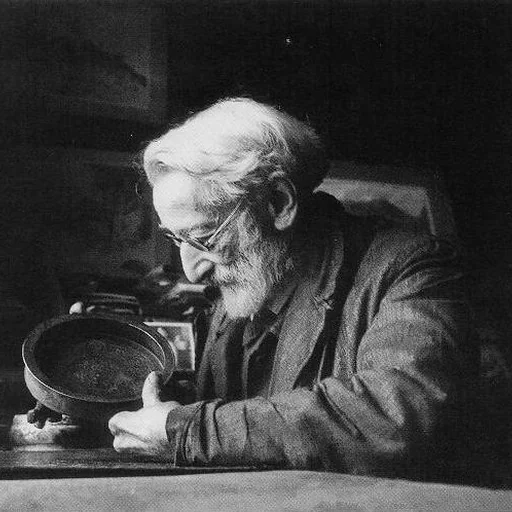
Henri Rivière (March 11, 1864 – August 24, 1951) was a French artist and designer best known for his creation of a form of shadow play at the Chat Noir cabaret, and for his post-Impressionist illustrations of Breton landscapes and the…

 Aspects of Nature: The Island
 Parisian Landscapes: The Fortifications
 Parisian Landscapes: Paris seen from Montmartre
 Thirty-Six Views of the Eiffel Tower: From Lamarck Street
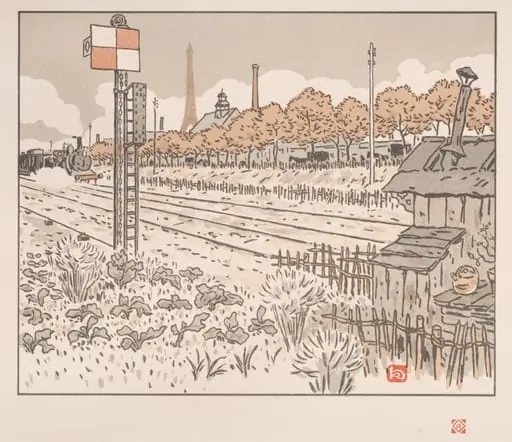 Thirty-Six Views of the Eiffel Tower: From the Quai de Javel (Switchman's Shanty)
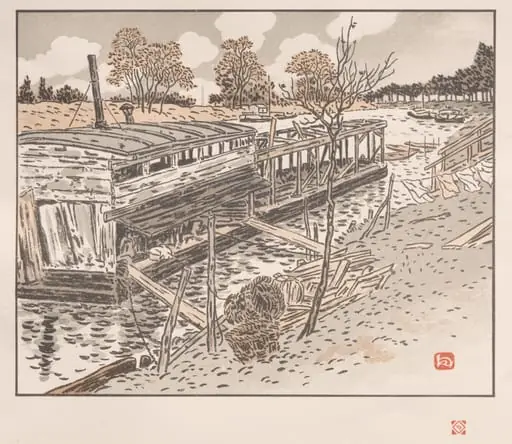 From Bas-Meudon, Old Lavoir
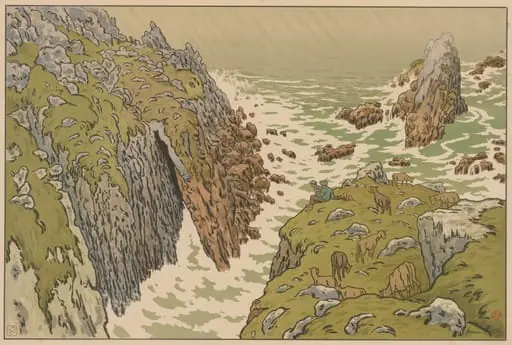 Aspects of Nature: The Cliff
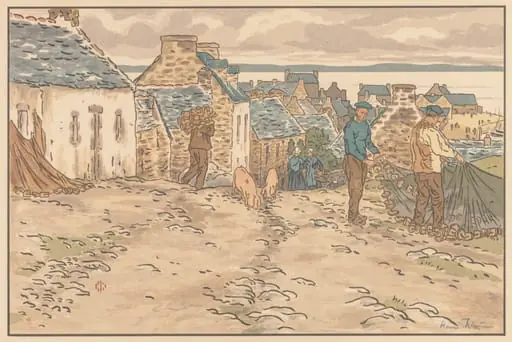 The Beautiful Countryside in Brittany: Street in Tréboul