Artwork
Quartier des Gobelins
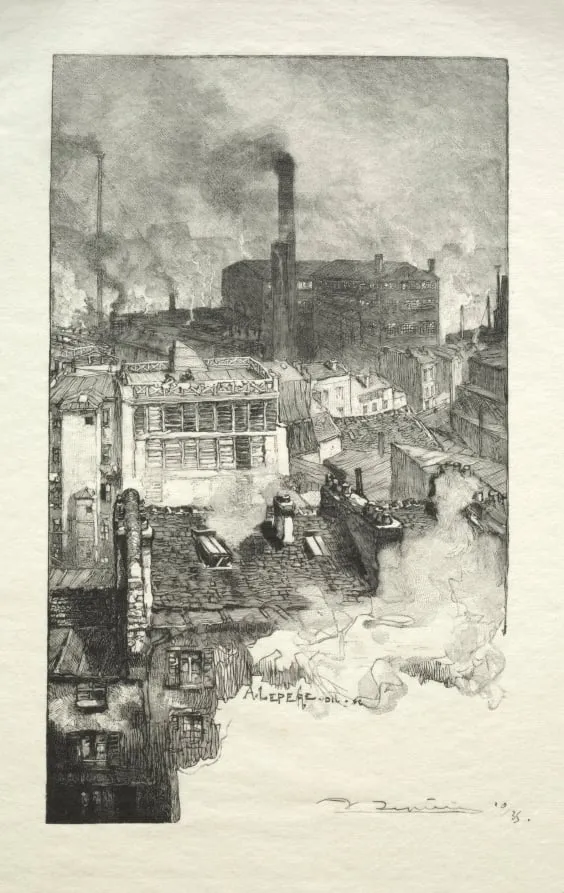
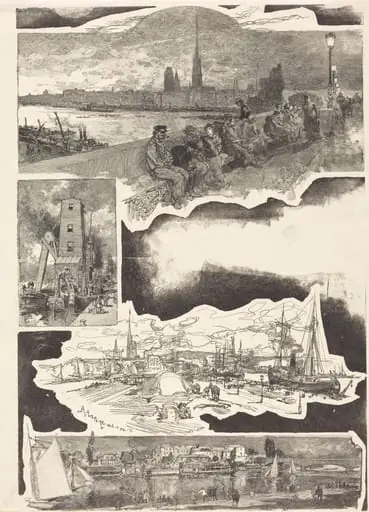
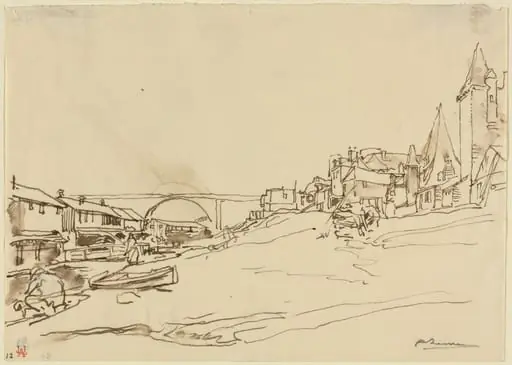
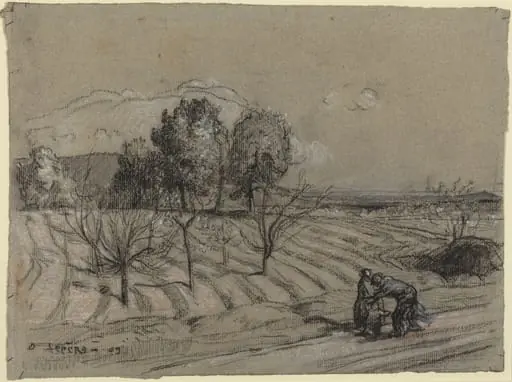
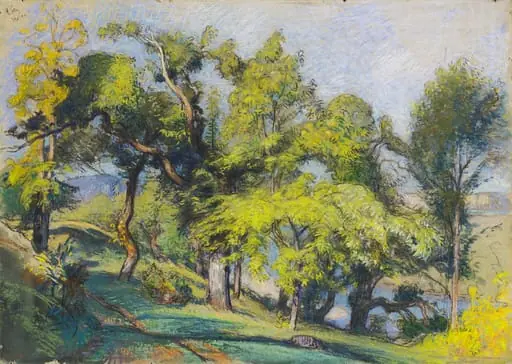
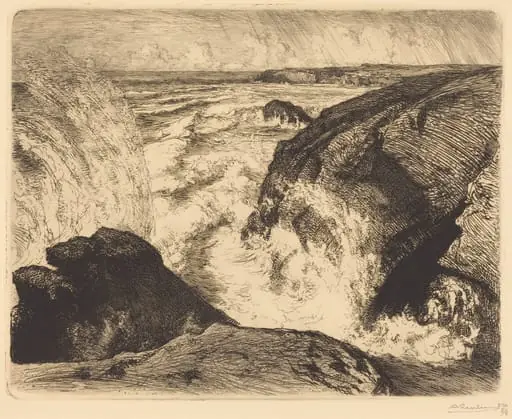
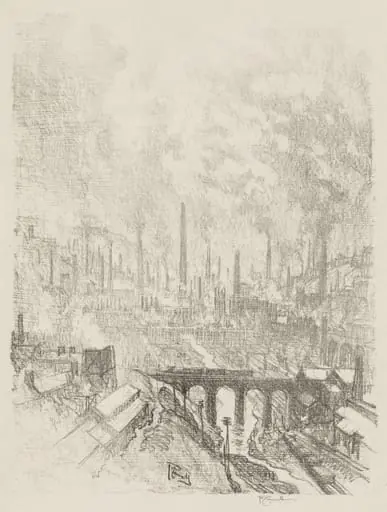
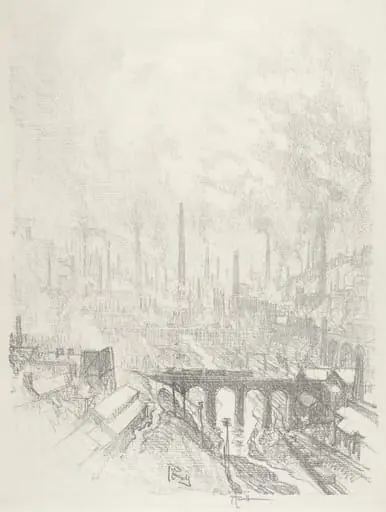
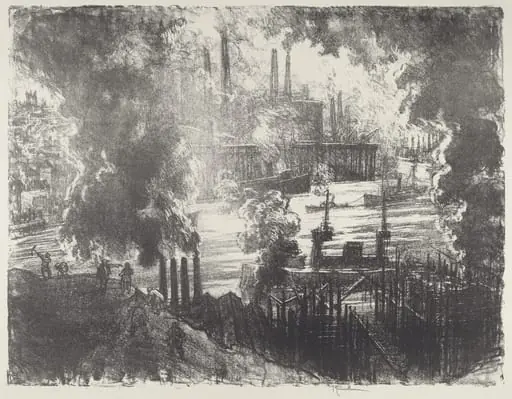
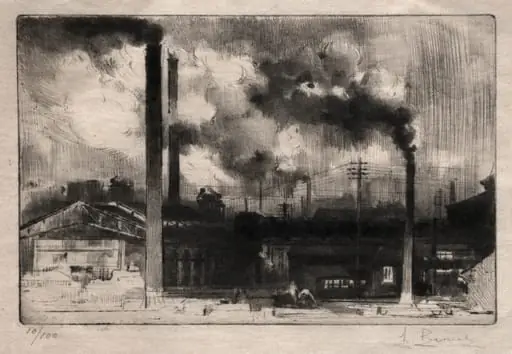
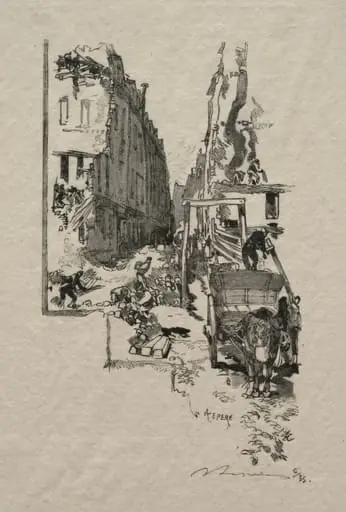
Quartier des Gobelins is a print by the Impressionist artist Auguste Lepère. It dates from 1889 and is held in the collection of the Cleveland Museum of Art.
About this work
The artist's attention to detail is interesting - he included everyday objects like street signs and buildings.
This painting shows a quiet street scene in France.
It's a simple moment in time.
The artist's attention to detail is interesting - he included everyday objects like street signs and buildings.
The streets are empty, which makes the scene feel calm.
The artist might have been trying to show what daily life was like in France during the 19th century.
You can learn more about this style by looking into the technique of sfumato.
Overview
Auguste Louis Lepère produced *Quartier des Gobelins* in 1889 as a wood engraving, part of his broader effort to renew the craft of woodcut printing in late 19th-century Europe. Unlike traditional etchings or lithographs, this work relies on hand-carved wood blocks to achieve fine tonal gradations. The scene captures a quiet corner of the Gobelins neighborhood in Paris, emphasizing ordinary architecture and street elements without human figures.
Subject & Meaning
The print portrays an unpopulated street in the Gobelins district, once known for its tapestry workshops. By omitting people and focusing on buildings, signage, and pavement, Lepère invites contemplation of urban quietude. The absence of activity suggests a moment suspended between labor and rest, reflecting the rhythms of working-class Parisian life rather than its spectacle or grandeur.
Technique & Style
Lepère employed meticulous wood engraving, carving fine lines into end-grain wood to render texture and shadow with precision. The composition uses controlled contrast—darkened eaves against pale walls, crisp lettering on signs—to suggest depth without perspective exaggeration. His approach avoids romanticism; instead, it favors clarity and restraint, aligning with the realism of contemporary printmakers who valued craft over dramatic effect.
History & Provenance
Created in 1889, the print emerged during a period of renewed interest in hand-printed images as alternatives to industrial reproduction. Lepère, a key figure in the revival of wood engraving, exhibited this work alongside other artists in Parisian print circles. Its early ownership likely remained within French artistic and collector networks, though specific provenance details beyond its creation date are not widely documented.
Context
In the late 1880s, Paris was undergoing rapid modernization, yet Lepère turned his attention to quieter, less transformed neighborhoods like Gobelins. His choice reflects a broader trend among printmakers to document everyday spaces before they vanished. Unlike Impressionist painters capturing light and movement, Lepère focused on structure and stillness, aligning his work with the quiet observational ethos of documentary printmaking.
Legacy
Lepère’s *Quartier des Gobelins* contributed to the recognition of wood engraving as a serious artistic medium in France. Though not widely reproduced, the print influenced later generations of printmakers who valued technical precision and intimate subject matter. It remains a reference point in studies of late 19th-century French print revival, valued for its quiet dignity and craftsmanship rather than public acclaim.
Artist & collection
Artist
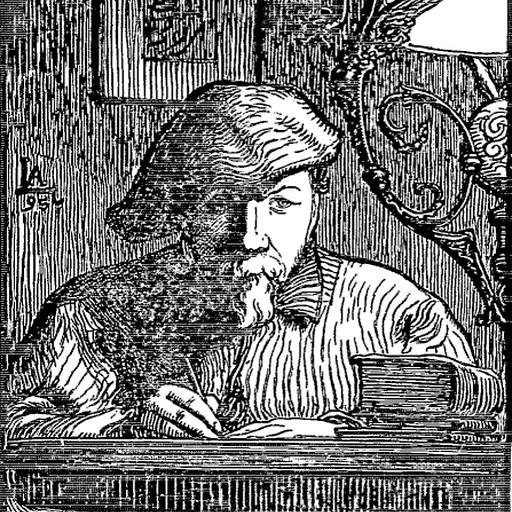
Louis-Auguste Lepère (30 November 1849 – 20 November 1918) was a French painter and etcher. Lepère is also considered a leader in the creative revival of wood engraving in Europe.