Artwork
Ferns of Great Britain and Ireland: Polypodium Phegopteris
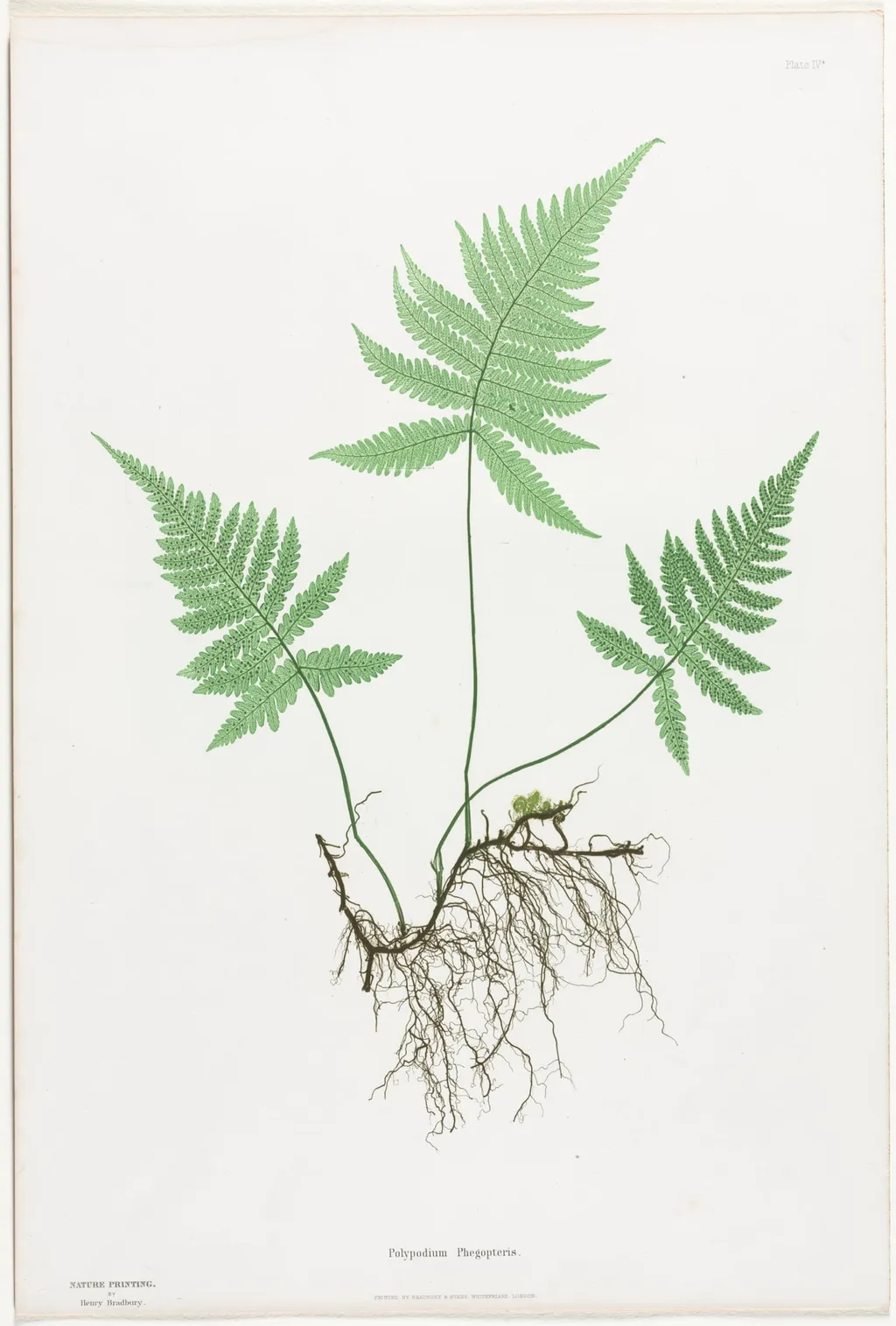
Ferns of Great Britain and Ireland: Polypodium Phegopteris is a print by the Impressionist artist Henry Bradbury. It dates from 1856 and is held in the collection of the Cleveland Museum of Art.
About this work
Overview
Rendered with scientific precision, the work depicts a single specimen of Polypodium Phegopteris, emphasizing anatomical accuracy over aesthetic embellishment.
Created in 1856 by Henry Bradbury, this print is part of a botanical series documenting fern species native to Great Britain and Ireland. Rendered with scientific precision, the work depicts a single specimen of Polypodium Phegopteris, emphasizing anatomical accuracy over aesthetic embellishment. It is held in the collection of The Cleveland Museum of Art, where it serves as an example of 19th-century botanical illustration.
Subject & Meaning
The subject is Polypodium Phegopteris, a fern species common in the woodlands of Britain and Ireland. The illustration captures the plant in full growth, showing fronds emerging from a central rhizome and roots extending below the soil line. The labeling confirms its taxonomic identity, reflecting the era’s emphasis on classification and documentation rather than symbolic or decorative interpretation.
Technique & Style
Bradbury employed fine, controlled linework to render the delicate veins and serrated edges of the fronds. The palette is limited to shades of green and brown, with no background distractions, directing attention to the plant’s structure. The absence of color washes and the sharp delineation of forms align with the conventions of scientific illustration, prioritizing clarity and identification over artistic expression.
History & Provenance
The print was produced as part of Bradbury’s larger project to illustrate British and Irish ferns, published in the mid-1850s. It was likely created using lithographic techniques, common for botanical publications of the time. The work entered the collection of The Cleveland Museum of Art through documented acquisition, preserving its role as a record of Victorian-era natural history study.
Context
During the 1850s, there was a surge in public and scientific interest in botany, fueled by colonial exploration and the rise of natural history societies. Bradbury’s illustrations contributed to this movement by providing accurate visual references for amateur and professional botanists alike. Such works were often used in field guides and educational materials, bridging science and public engagement.
Legacy
Bradbury’s fern illustrations remain valuable as historical records of plant morphology and 19th-century scientific practice. While superseded by modern botanical photography, his detailed drawings retain relevance for historians of science and botany. The preservation of this print in a major museum underscores its enduring role in the documentation of regional flora.
Artist & collection

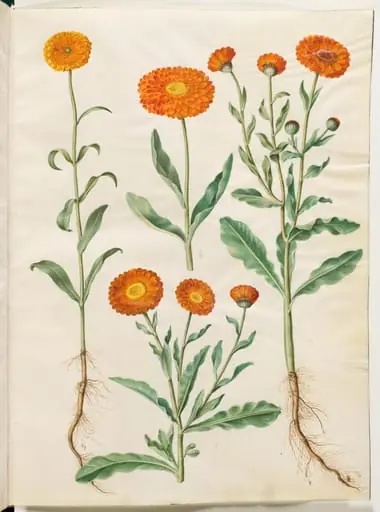 Calendula officinalis (have-morgenfrue)
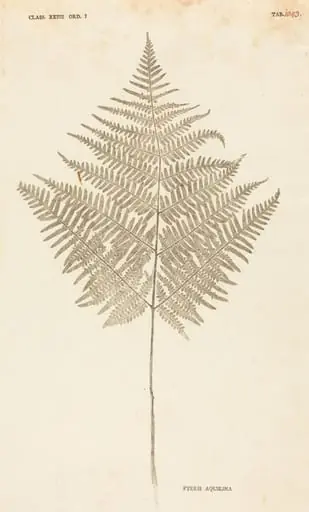 Pteris Aquilina
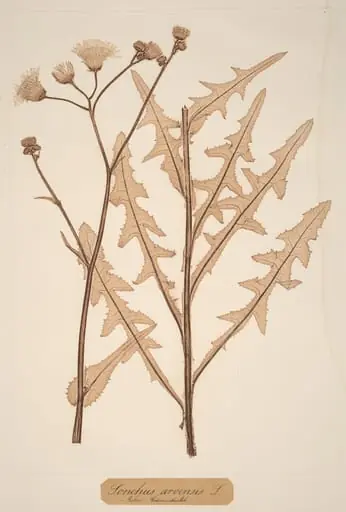 Sonchus arvensis
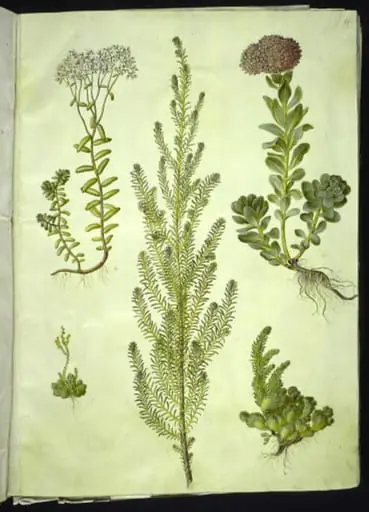 Sedum album (hvid stenurt); Sedum anacampseros (rundbladet stenurt); Sedum (stenurt); Suaeda vera (busk-strandgåsefod); Sedum rupestre (bjerg-stenurt)
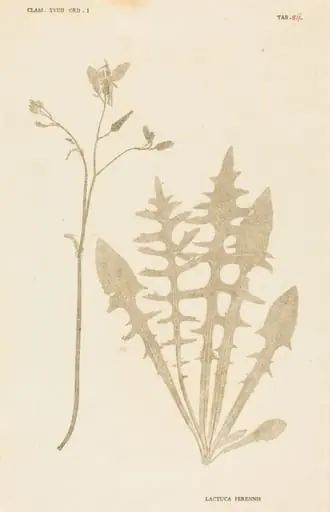 Lactuca Perennis
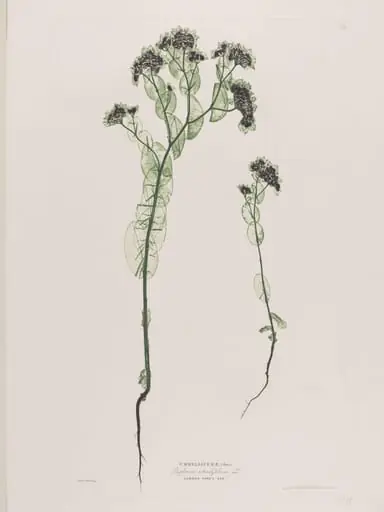 Umbelliferae (Buphorum rotundifolium, Lo.)
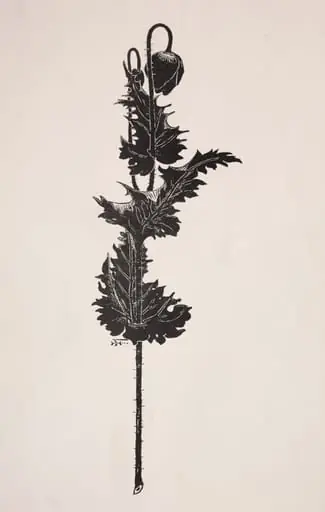 Flower Study
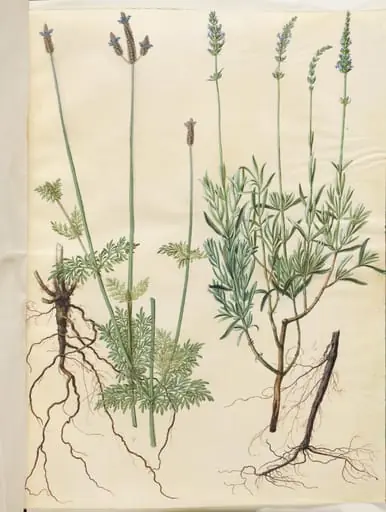 Lavandula multifida (aks-lavendel); Lavandula angustifolia (ægte lavendel)
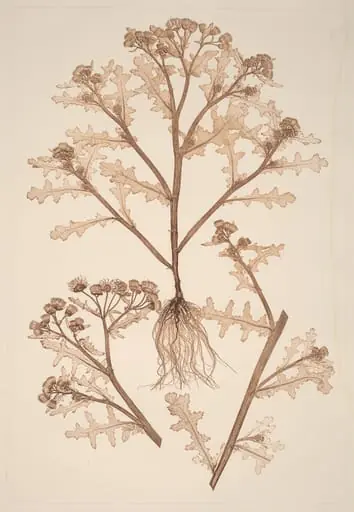 Senecio viscosus
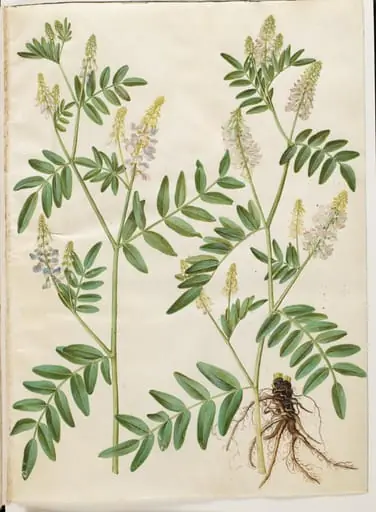 Galega officinalis (læge-stregbælg)
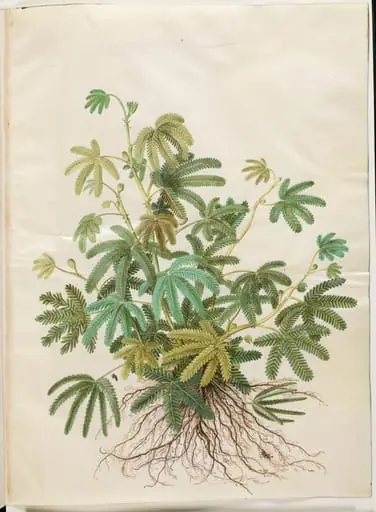 Mimosa polydactyla (mangefingret mimose)
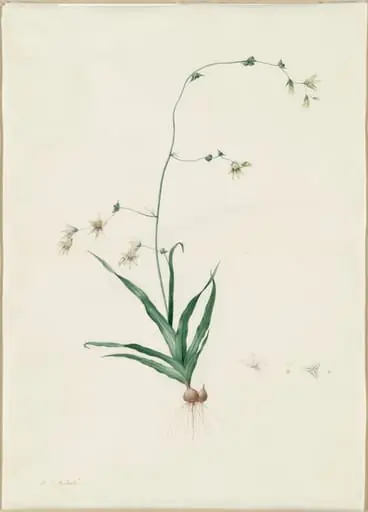 Diasia iridifolia