Artwork
Diasia iridifolia
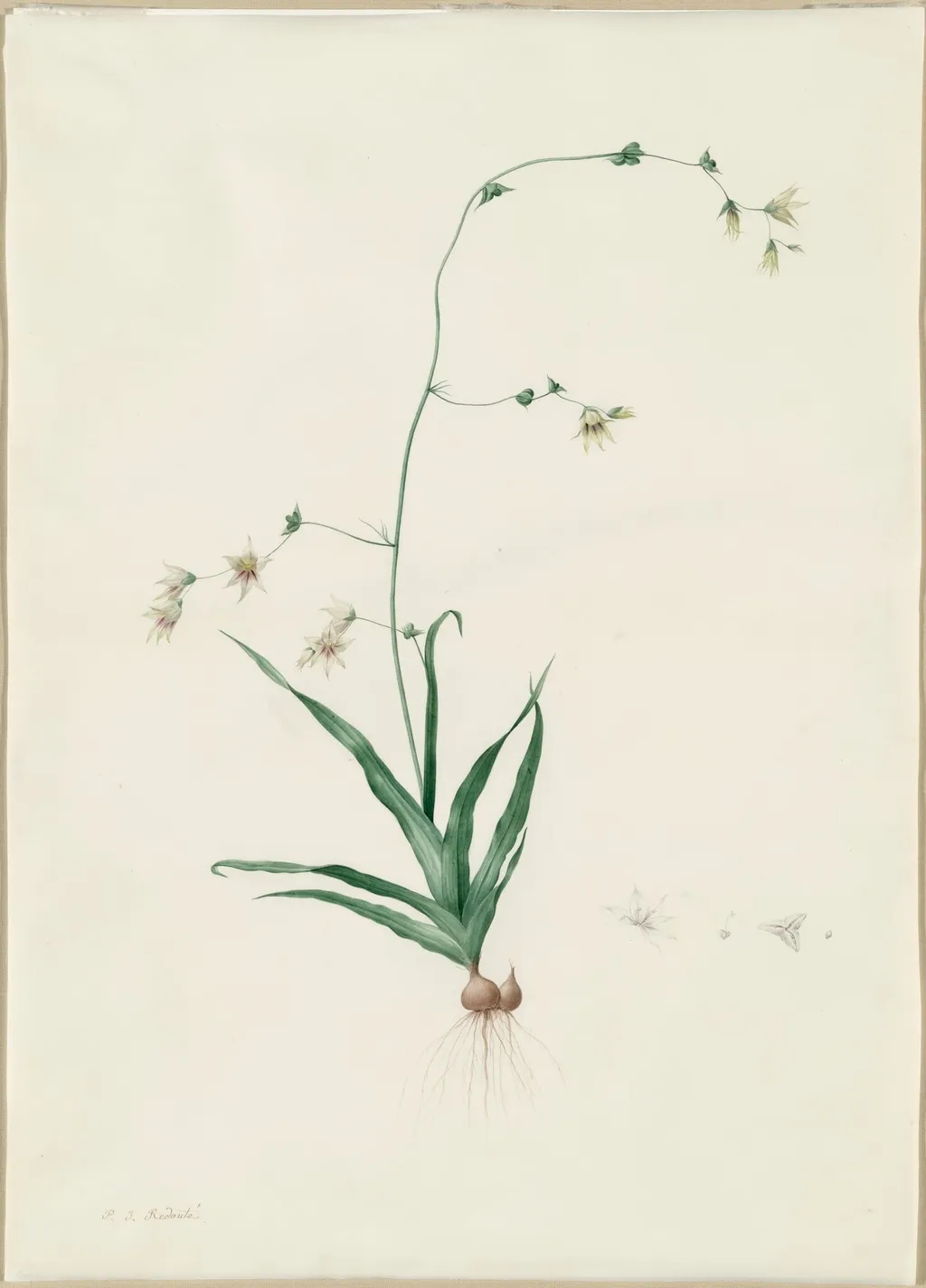
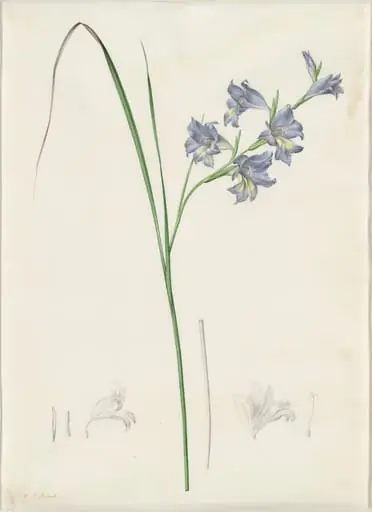
Diasia iridifolia is a watercolor drawing by the Romanticist artist Pierre Joseph Redouté. It dates from 1809 and is held in the collection of the National Gallery of Art.
About this work
Overview
Diasia iridifolia is a botanical drawing created by Pierre-Joseph Redouté in 1809, executed in watercolor and graphite on vellum. This precise illustration showcases a single plant specimen with meticulous detail, characteristic of Redouté's renowned botanical artwork.
Subject & Meaning
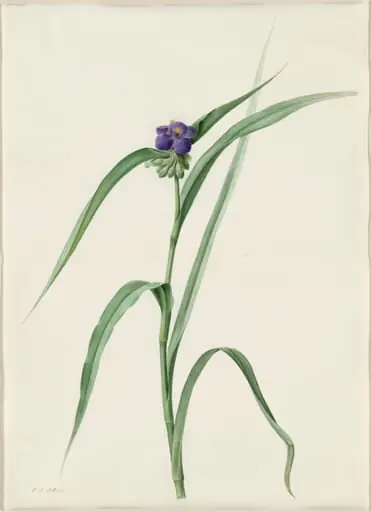
The subject is a single Diasia iridifolia plant, depicted in full detail from its long, narrow leaves and star-shaped flowers to its root system. The illustration's primary purpose was likely scientific documentation, given the level of anatomical accuracy.
Technique & Style
Redouté employed watercolor and graphite on vellum to achieve a high level of detail. Notable techniques include the rendering of tiny hairs on leaves and delicate petals, suggesting the use of glazing for depth and clarity. The plain white background emphasizes the specimen's details.
History & Provenance
Created in 1809 by Pierre-Joseph Redouté, a court artist for Marie Antoinette and later for Napoleon at Château de Malmaison. The work is now part of the National Gallery of Art's collection in Washington, D.C.
Context
Diasia iridifolia reflects the intersection of art and science during the late 18th and early 19th centuries. Redouté's work was influential in botanical illustration, earning him the nickname 'the Raphael of flowers' for his precise and beautiful depictions.
Legacy
As part of Redouté's oeuvre, Diasia iridifolia contributes to the legacy of detailed botanical art that served both scientific and aesthetic purposes. His work remains significant in the history of botanical illustration.
Own this work as a print
Artist & collection

Artist
Pierre-Joseph Redouté (French pronunciation: , 10 July 1759 – 19 June 1840), was a painter and botanist from the Austrian Netherlands, known for his watercolours of roses, lilies and other flowers at the Château de…

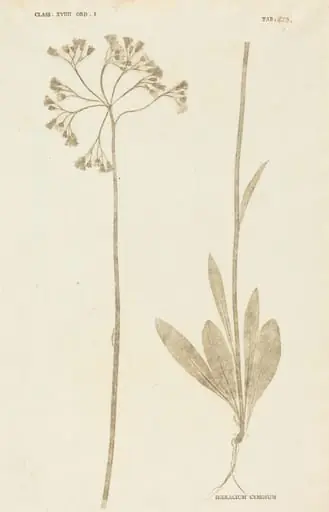 Hieracium Cymosum
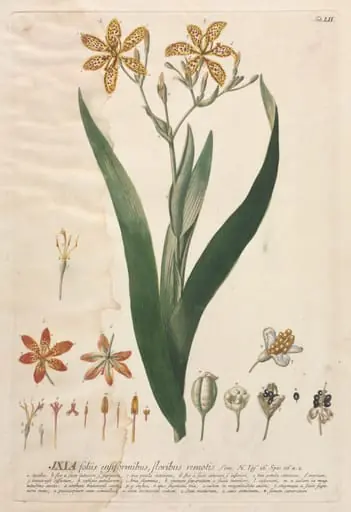 Plantae Selectae: No. 52 - Ixia
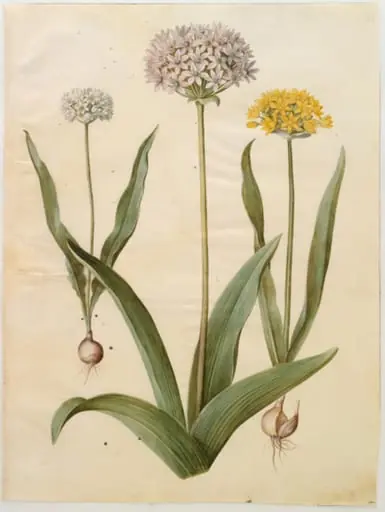 Allium moly (guld-løg); Allium nigrum (sort løg)
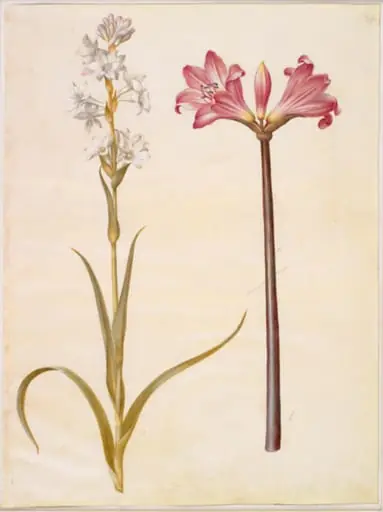 Polianthes tuberosa (tuberose); Amaryllis belladonna (belladonnalilje)
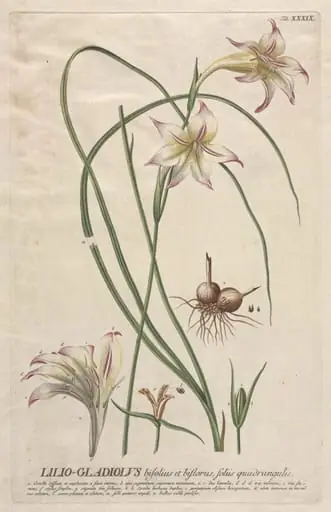 Plantae Selectae: No. 39 - Lilio-Gladiolus
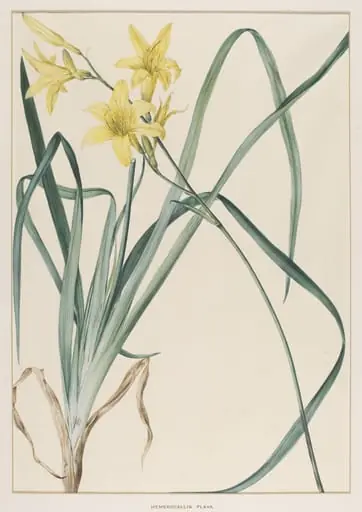 Hemerocallis Flava
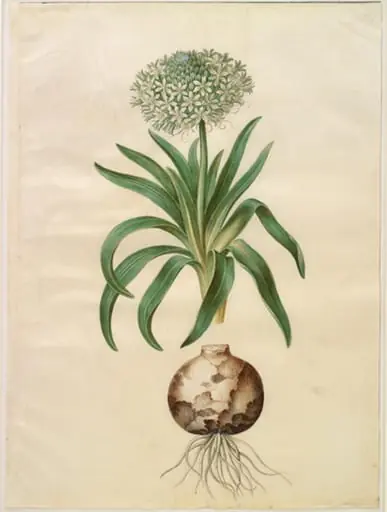 Scilla peruviana (kæmpe-skilla)
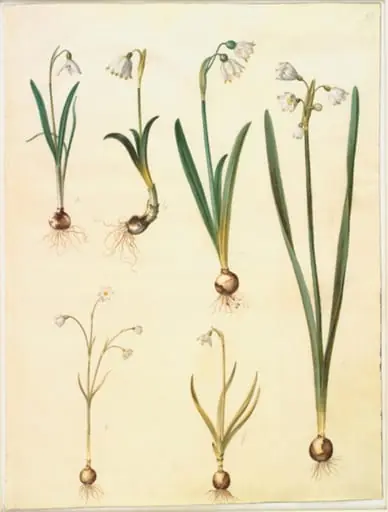 Galanthus nivalis (almindelig vintergæk); Leucojum vernum (dorotealilje); Leucojum aestivum (sommer-hvidblomme); Leucojum autumnale (høst-hvidblomme)
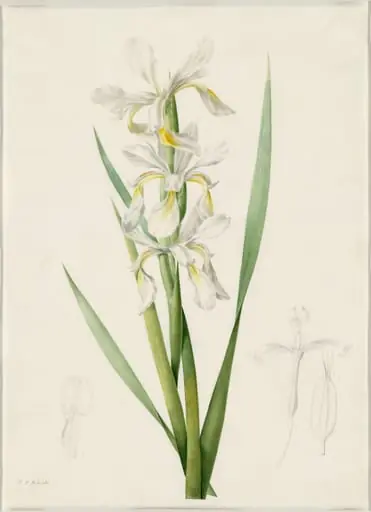 Iris ochroleuca
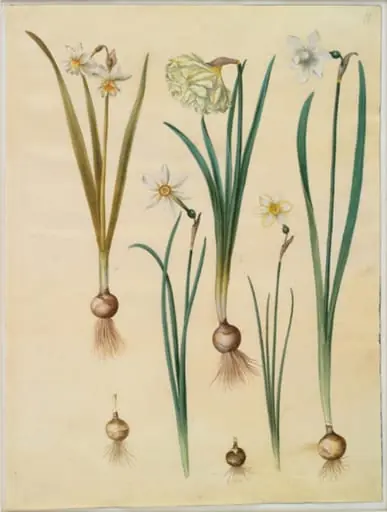 Narcissus ×medioluteus (toblomstret narcis); Narcissus pseudonarcissus; Narcissus (narcis); Narcissus poeticus (pinselilje); Narcissus ×tenuior