Artwork
Wisdom and Destiny
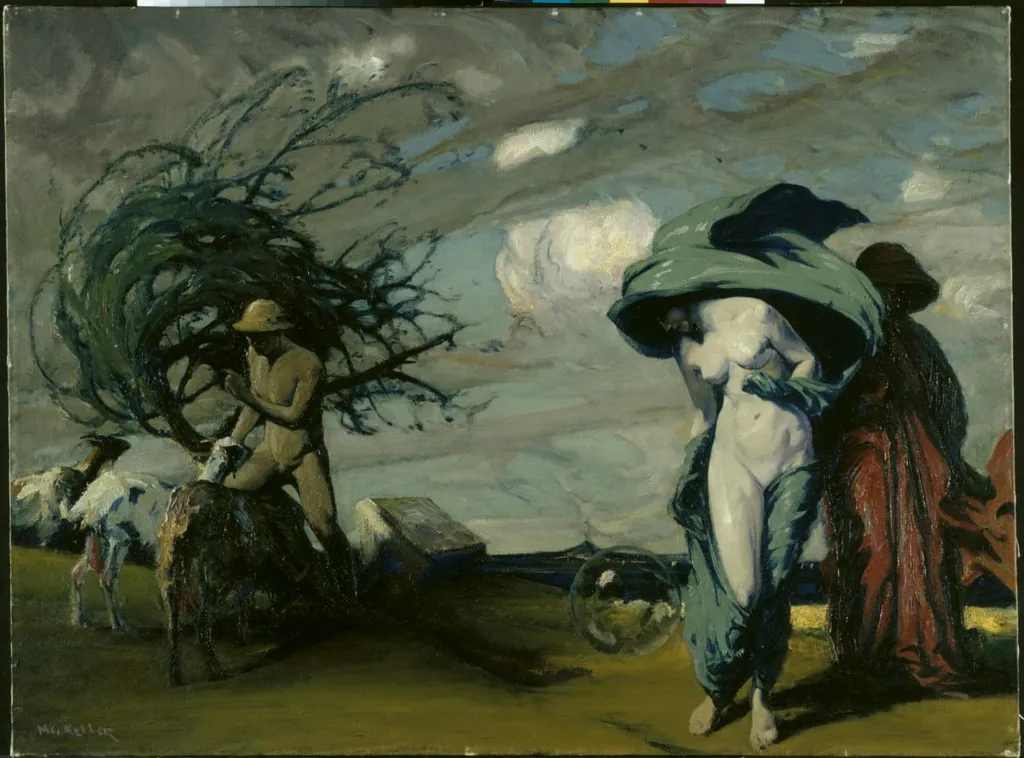
Wisdom and Destiny is an unspecified painting by Henry Keller. It dates from 1913 and is held in the collection of the Cleveland Museum of Art.
About this work
A woman in a blue robe and a man in red stand on a hill, pointing toward a distant city.
A woman in a blue robe and a man in red stand on a hill, pointing toward a distant city. A young shepherd plays his flute below them, not looking up.
The two figures represent Wisdom and Destiny—ideas from a Belgian writer’s essay. The painting was shown in the 1913 Armory Show, which brought bold new art to America. Keller painted it to push Cleveland toward modern ideas, even if locals weren’t ready.
To see more of Keller’s work, visit The Cleveland Museum of Art.
Overview
Wisdom and Destiny is a symbolic painting by Henry Keller, created as a visual interpretation of Maurice Maeterlinck’s philosophical essay. It presents two elevated figures—Wisdom and Destiny—contrasted with a solitary shepherd absorbed in his music. The work emerged from Keller’s commitment to advancing modernist ideals in Cleveland, where traditional tastes dominated. Its inclusion in the 1913 Armory Show marked a pivotal moment in its reception, exposing American audiences to allegorical modernism beyond conventional realism.
Subject & Meaning
The painting personifies abstract concepts: a woman in blue and a man in red, standing atop a hill, gesture toward a distant urban horizon, symbolizing guidance and inevitability. Below them, a young shepherd plays his flute, unaware of their presence, embodying innocence or indifference to larger forces. The composition reflects Maeterlinck’s themes of fate and human ignorance, suggesting a disconnect between mortal life and the unseen powers shaping it.
Technique & Style
Keller employed a flattened perspective and simplified forms, aligning with Symbolist and early modernist tendencies. The figures are rendered with elongated proportions and muted, harmonious tones, avoiding detailed realism in favor of emotional resonance. The landscape is reduced to essential contours, emphasizing the psychological weight of the scene over naturalistic accuracy. This stylistic choice reinforced the painting’s allegorical intent.
History & Provenance
Wisdom and Destiny was exhibited in the landmark 1913 Armory Show, where it drew attention for its unconventional subject and form. Its success led to a commission for a 70-foot mural version at Cleveland City Hall. Keller withdrew from the project after being required to clothe the nude figures, a compromise he found artistically unacceptable. The original painting remained in private hands before eventually entering a public collection.
Context
In early 20th-century Cleveland, Keller’s work stood apart from prevailing academic traditions. His advocacy for modern art through teaching and public lectures positioned him as a cultural catalyst. Wisdom and Destiny reflected broader transatlantic currents in Symbolism and philosophical painting, yet its reception in Ohio revealed regional resistance to abstraction and allegory, highlighting the tension between innovation and local taste.
Legacy
Though Keller’s mural project was abandoned, Wisdom and Destiny endured as a touchstone in his oeuvre and a rare example of American Symbolist painting shown at the Armory Show. It remains a key reference for understanding how modernist ideas were adapted in Midwestern contexts. The painting’s preservation in a major institution ensures its continued role in discussions of early American modernism beyond New York and Boston.
Artist & collection
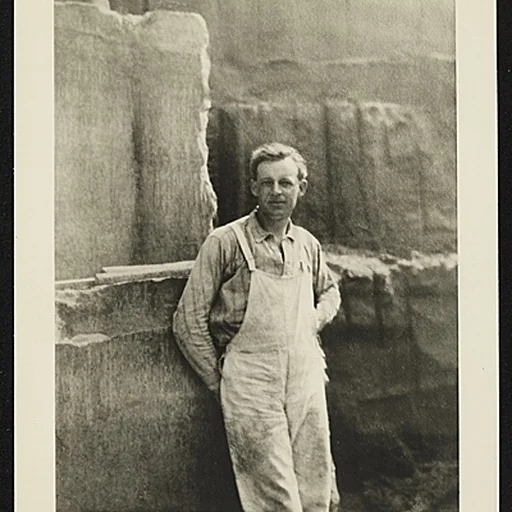
Artist
Henry George Keller (April 3, 1869 – August 3, 1949) was an American artist who led a generation of Ohio watercolor painters of the Cleveland School.


 Freshness of the Wounded
 Fisherman and the Genie (Sketch)
 Poseidon Rushing over the Sea Surrounded by Nereids and Tritons
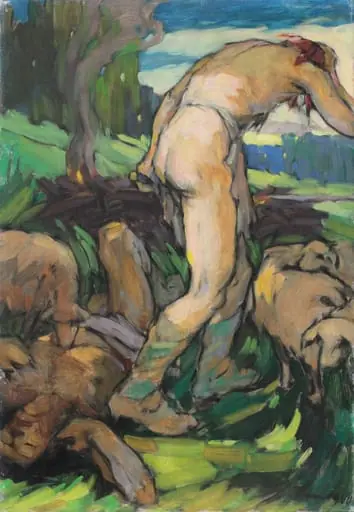 Cain și Abel
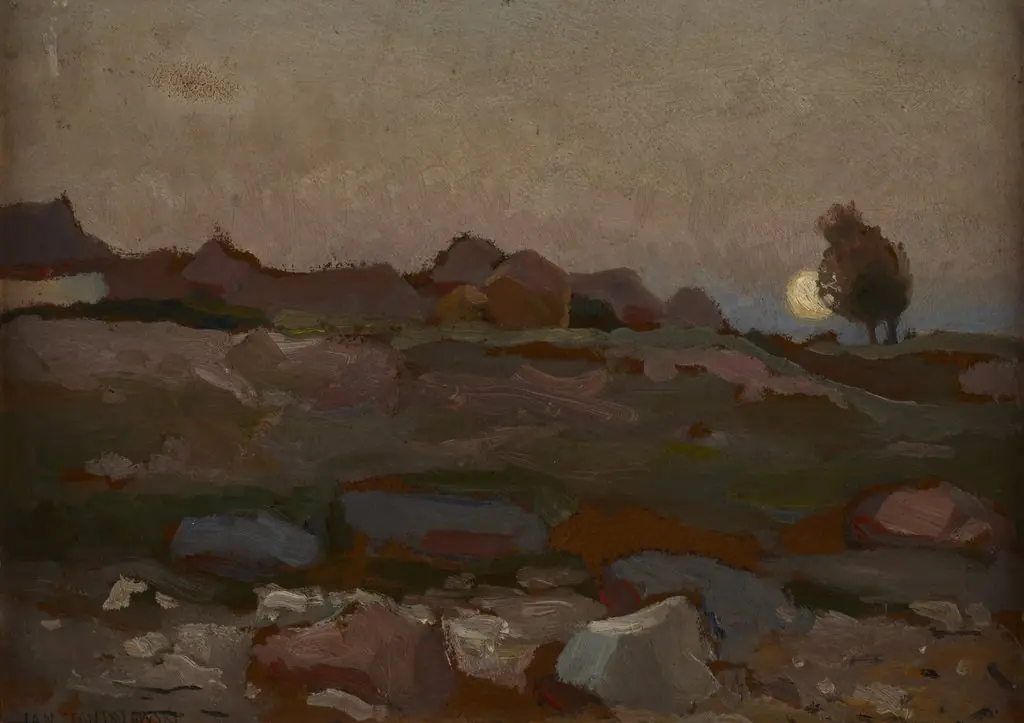 Moon over the Rocks
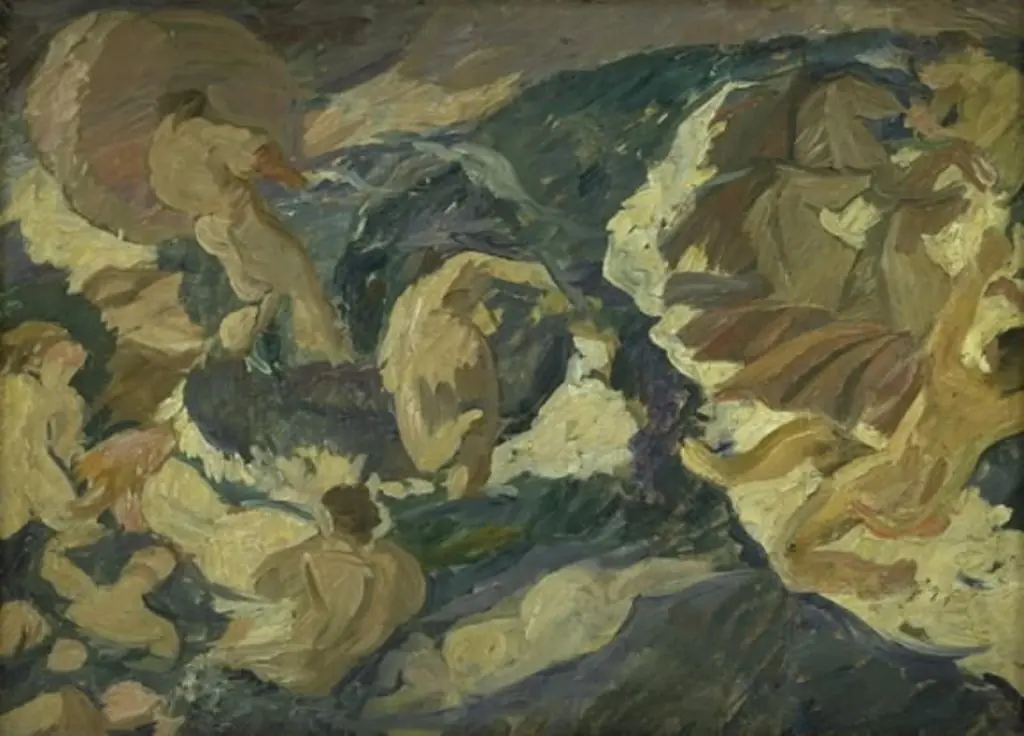 Poseidon Rushing over the Sea Surrounded by Nereids and Tritons
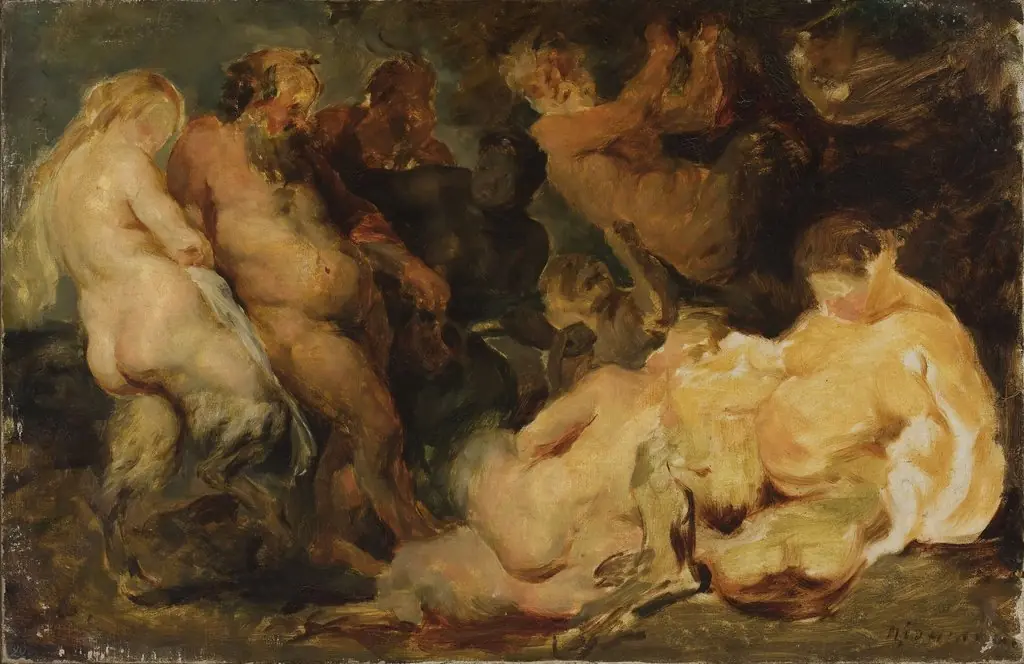 Bacchanalia
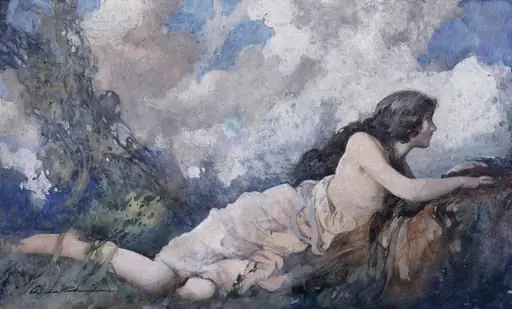 Reclining draped nude
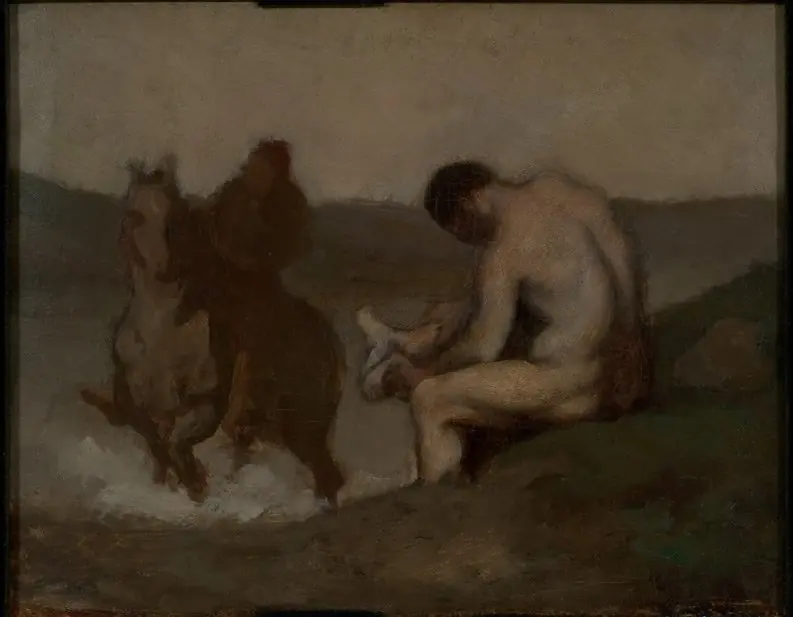 Baignade (L'Abreuvoir)
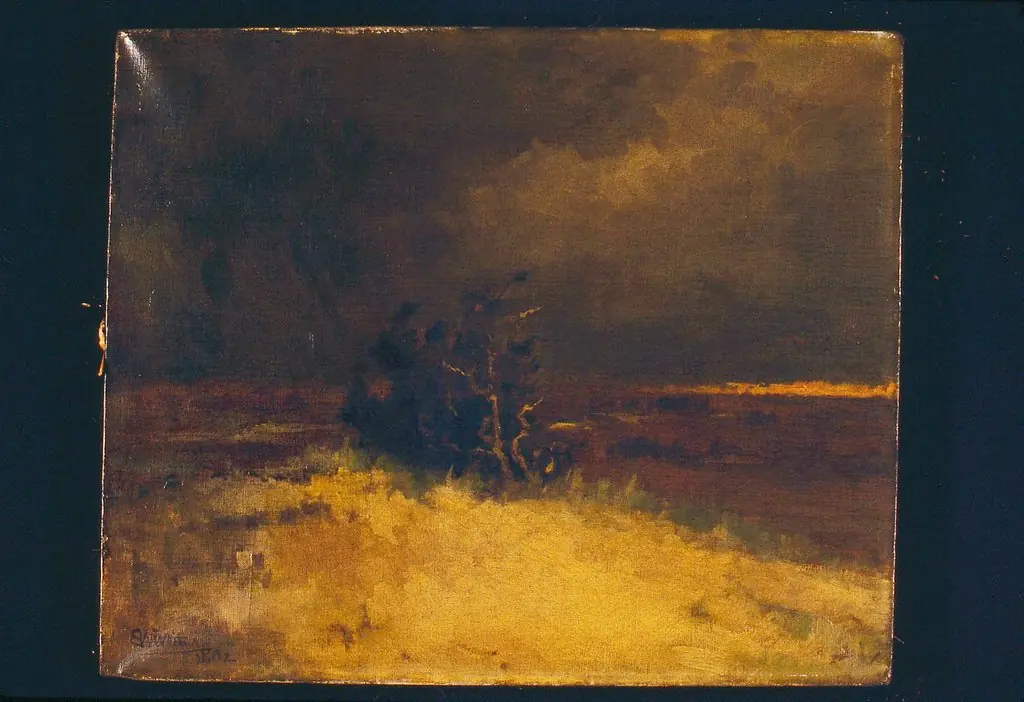 Autumn Marshes
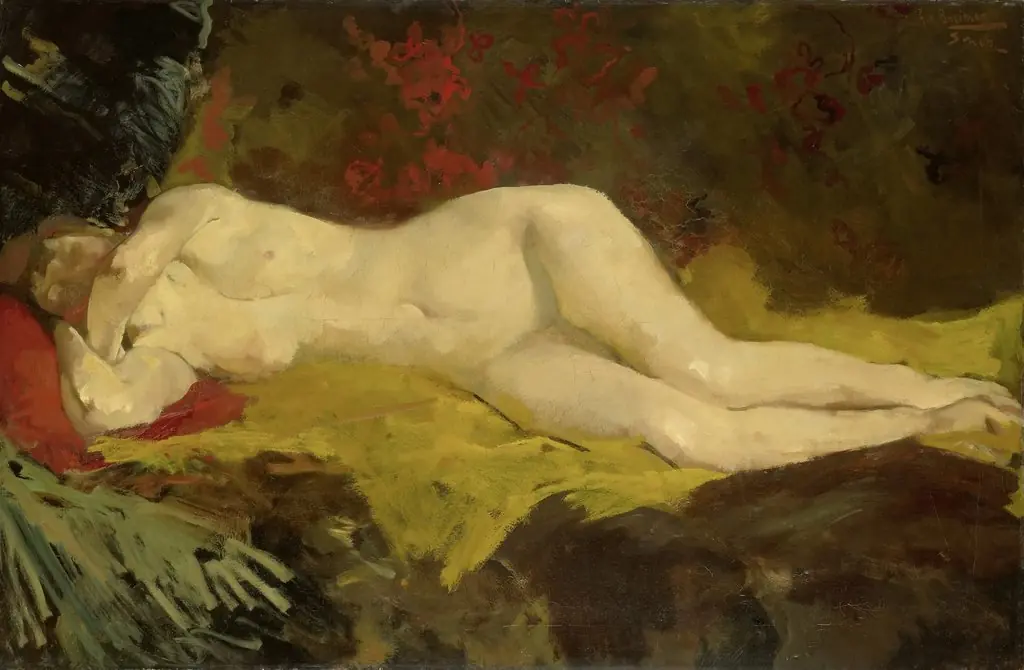 Reclining Nude
 Psyche Carried Away by the Zephyrs