Artwork
Picquigny
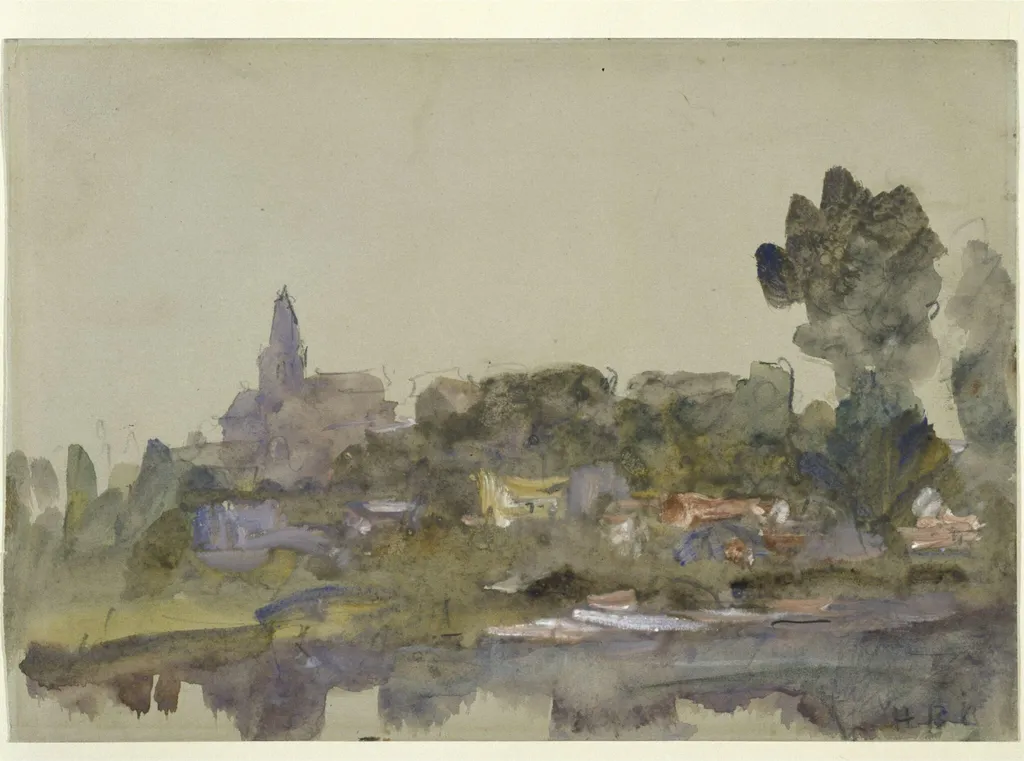
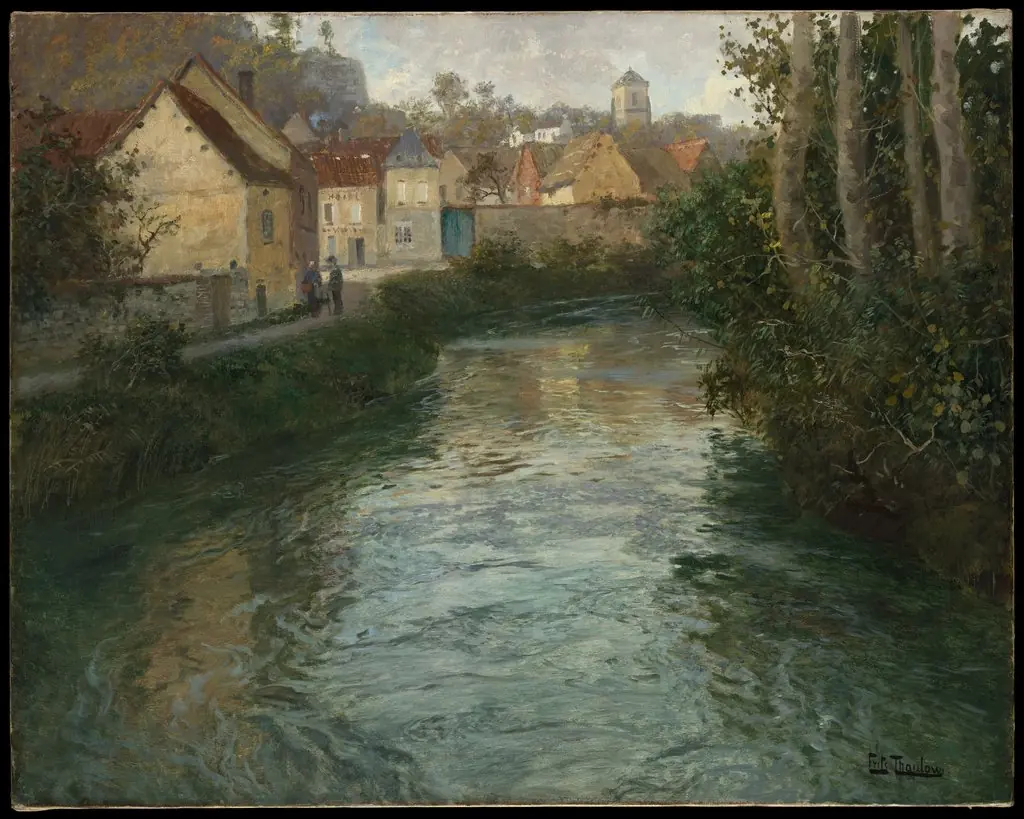
Picquigny is a watercolor work on paper by the Impressionist artist Hercules Brabazon Brabazon. It dates from 1880 and is held in the collection of the Victoria and Albert Museum.
About this work
Overview
Created in 1880, this watercolour portrays the town of Picquigny in the Picardy region of northern France. Executed by the Irish artist Hercules Brabazon Brabazon, the work bears his initials and a marginal note that records its production alongside the art critic John Ruskin and the painter Arthur Severn during their joint excursion through Amiens.
Subject & Meaning
The composition centers on a modest urban landscape, with a church spire rising above a cluster of trees and low buildings. A tranquil river occupies the foreground, its surface dotted with small boats, suggesting everyday activity along the waterway. The scene conveys a quiet, atmospheric impression of the town rather than a precise topographical record.
Technique & Style
Rendered in a loose, watery wash, the piece employs muted greens, browns and pale blues that blend softly across the paper. Brabazon’s brushwork is rapid and light, giving the impression of a swift sketch intended to capture the fleeting mood of the locale. The overall effect emphasizes tonal harmony and immediacy over fine detail.
History & Provenance
The watercolour was produced during a documented tour of Amiens undertaken by Brabazon, Ruskin and Severn, a fact noted in the artist’s own marginal annotation. Its provenance traces back to this collaborative journey, linking the work to the broader network of 19th‑century British artists and critics traveling in France.
Artist & collection
Artist
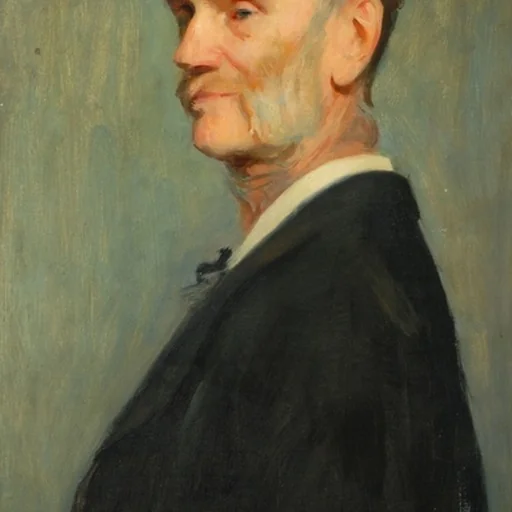
Hercules Brabazon Brabazon (born Hercules Brabazon Sharpe; 27 November 1821 – 14 May 1906) was an English artist, accomplished in Turner-manner watercolours.

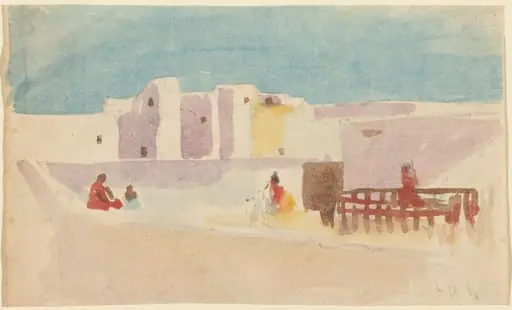 Walls of a North African City
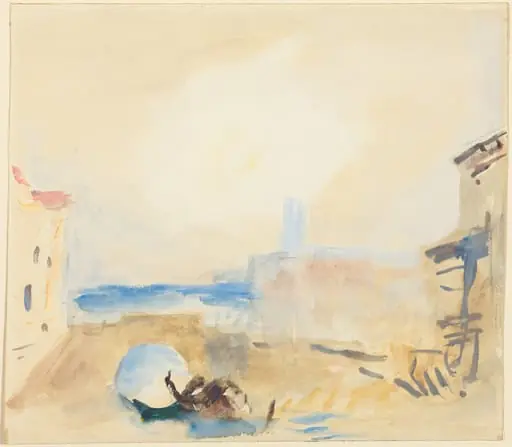 A Gondola Passing Under a Bridge in Venice
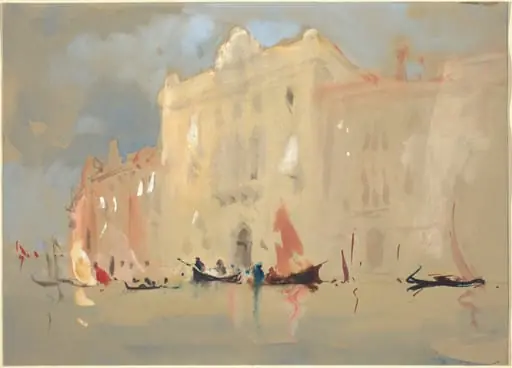 Gondolas Before a Palace on the Grand Canal in Venice
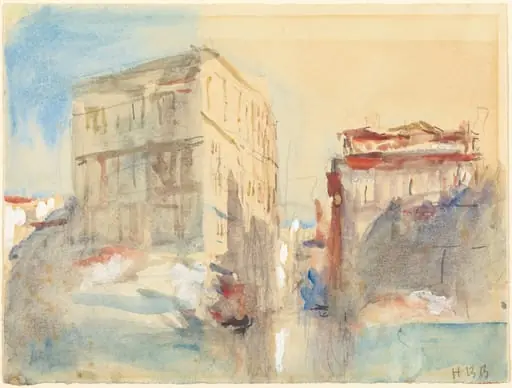 Palaces on the Grand Canal in Venice
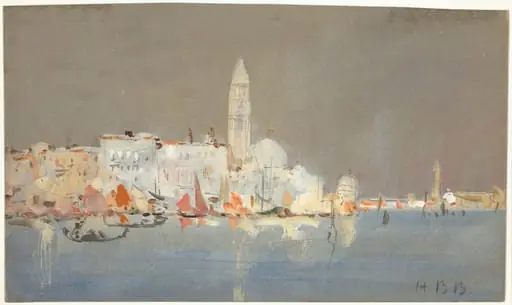 Venetian Capriccio with a Campanile
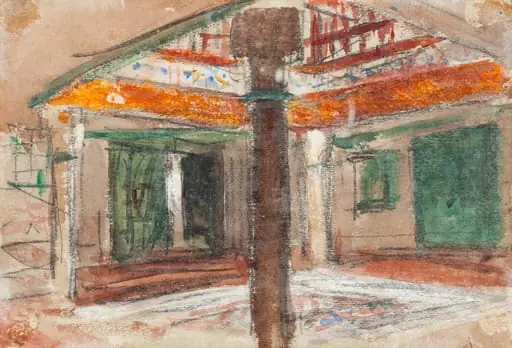 Interior of an Exotic Palace
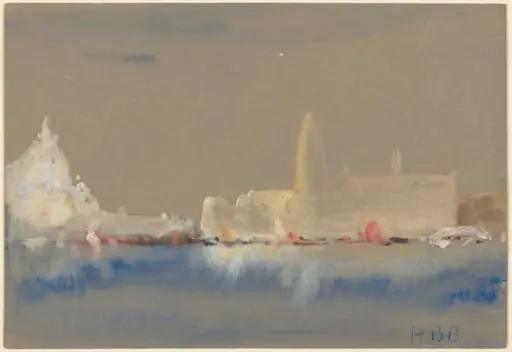 The Salute and the Palazzo Ducale from the Bacino di San Marco
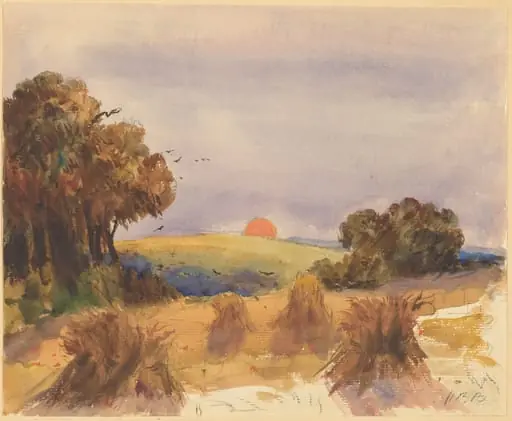 A Cornfield at Sunset
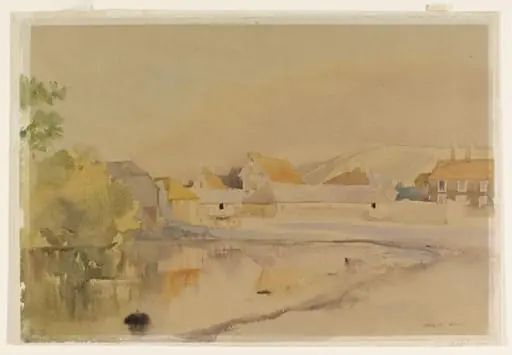 The Pond, Ditchling
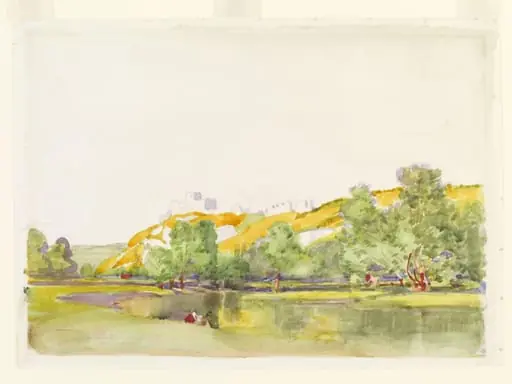 Chateau Gaillard, on the Seine
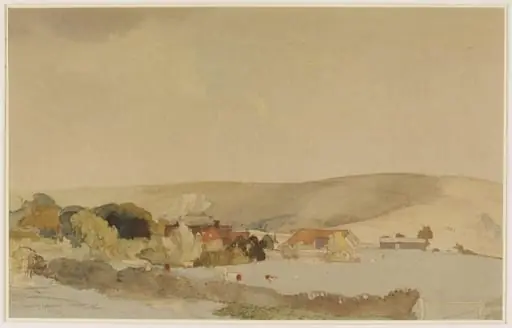 The Southdown, Underhill Road; Westmeston Place
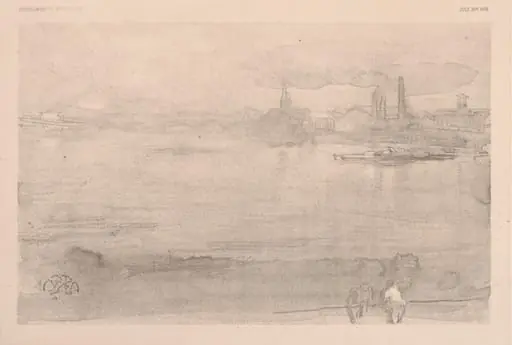 Early Morning: The Thames at Battersea
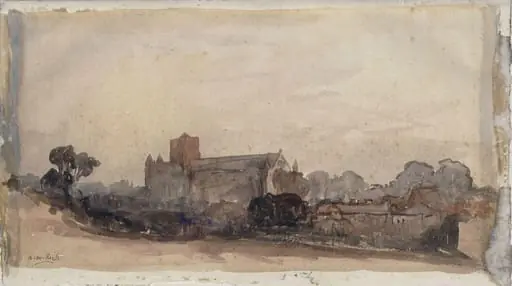 St. Alban's Abbey
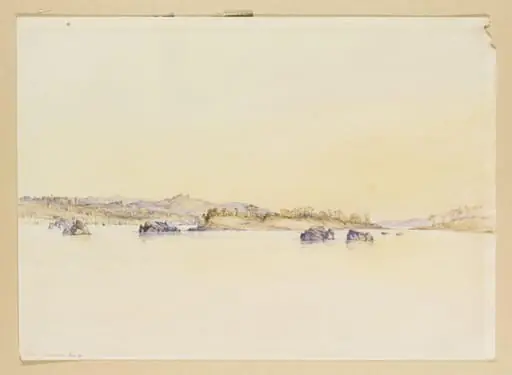 Asouan and Elephantine
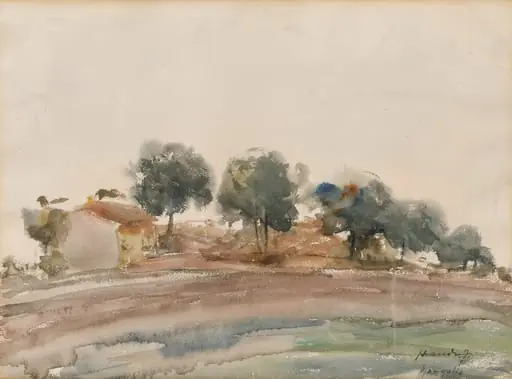 Deal cu pomi
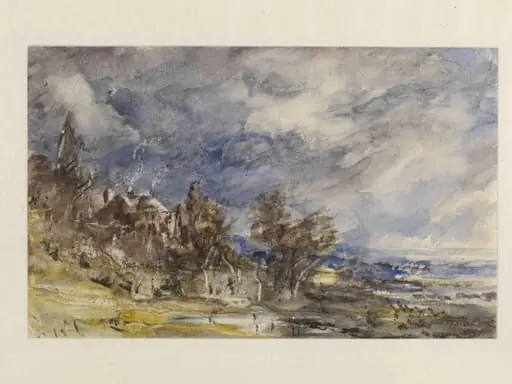 Hampstead Heath, from near Well Walk
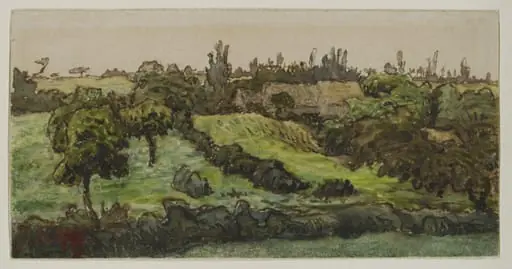 Landscape with farm buildings
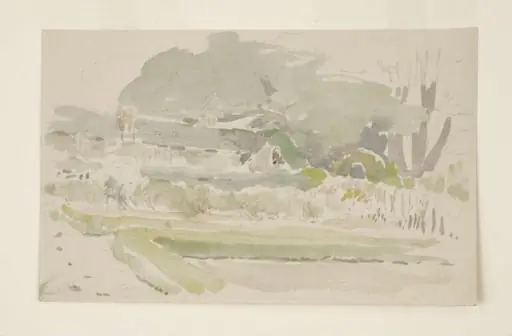 Sketch of the garden and potting shed at Gwaynynog
 The Fort, Srinagar
 Picquigny