Artwork
Galantar
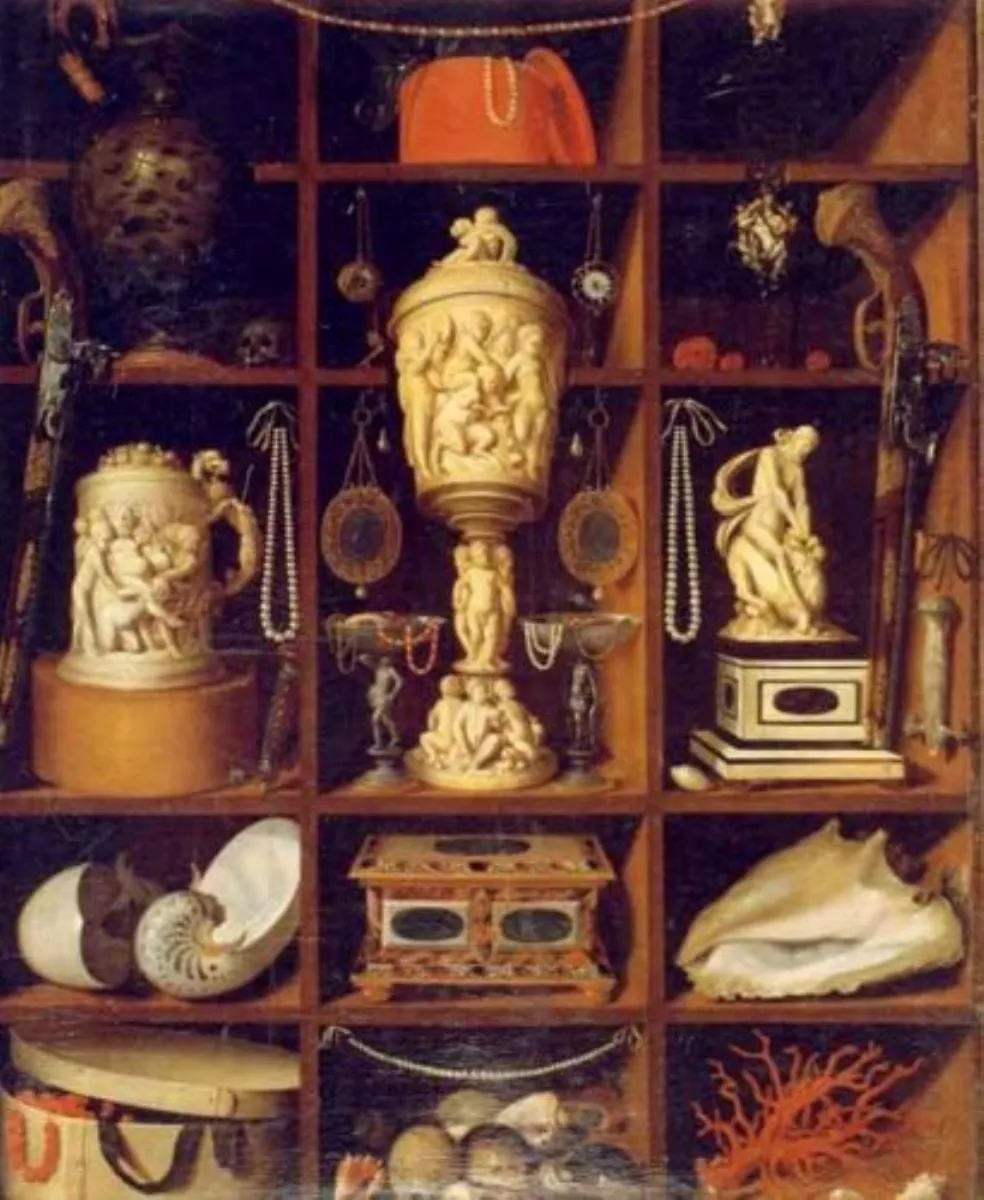
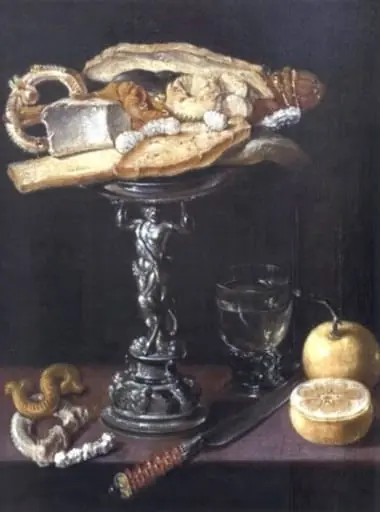
Galantar is an unspecified painting by Georg Hinz. It dates from 1650 and is held in the collection of the Brukenthal National Museum.
About this work
Overview
Created around 1650 by Georg Hinz, Galantar presents a densely arranged wooden cabinet filled with a variety of objects. The composition juxtaposes dark, polished wood with gleaming gold figures, carved curiosities, shells, and strands of jewelry, all illuminated by a focused light source that heightens the contrast between shadowed surfaces and reflective surfaces.
Subject & Meaning
The cabinet functions as a still‑life tableau that gathers both mundane and exotic items, suggesting a collector’s curiosity or a moment of sudden revelation. Golden statuettes of humans and animals, a carved box with eyes, and marine shells coexist, creating a tension between the ordinary and the ornamental, inviting viewers to contemplate the allure of hidden treasure.
Technique & Style
Hinz employs chiaroscuro, using a strong directional light to model forms and generate depth. The dark wood background absorbs light, while the metallic and ivory tones of the objects catch it, producing a luminous effect. Fine brushwork renders the texture of the carvings and the translucency of shells, emphasizing material differences.
History & Provenance
Attributed to the mid‑17th‑century German painter Georg Hinz, Galantar is known from a single surviving image, with no documented ownership trail. Its dating to circa 1650 aligns with Hinz’s period of activity, and the work reflects the era’s interest in cabinet‑of‑curiosities and the visual study of material culture.
Artist & collection
Artist
Georg Hinz had a habit of painting still lifes so dense with gold and silver goblets you’d swear you could hear the clink from across the room.

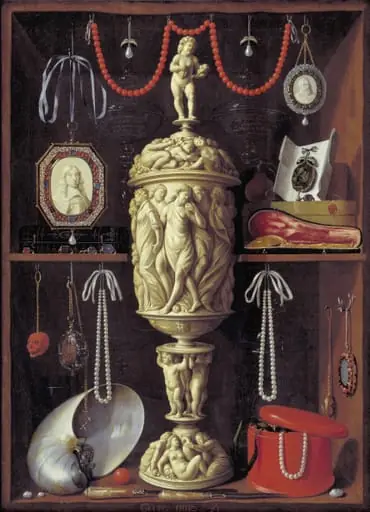 A Cabinet with Objects of Art
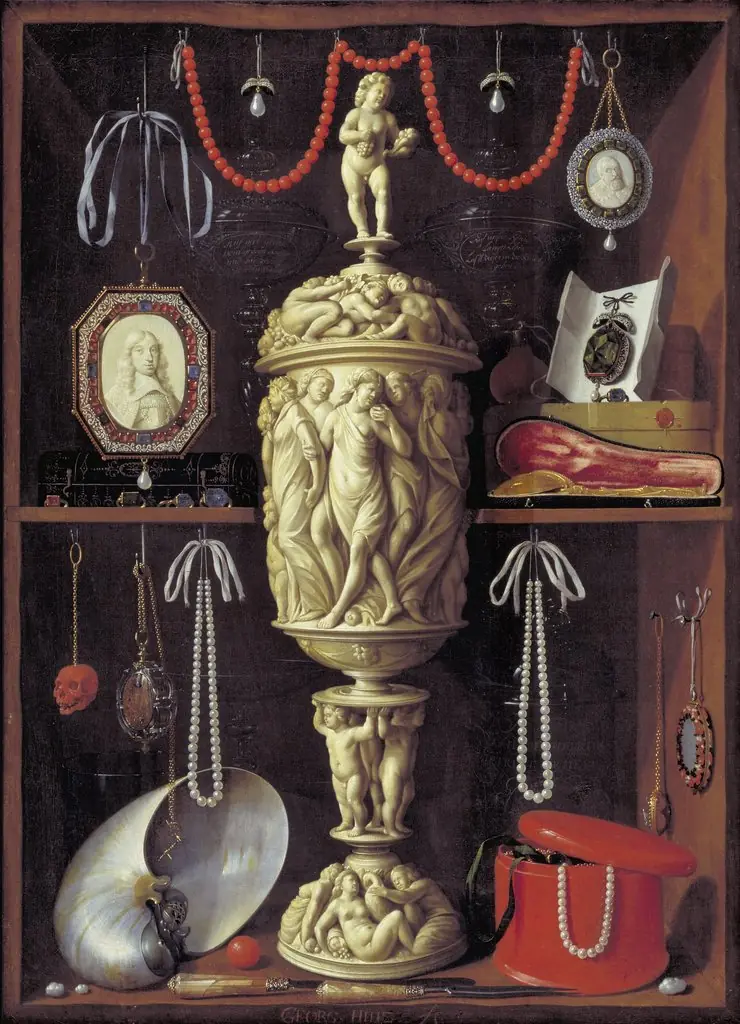 A collector's cabinet with ivory cup
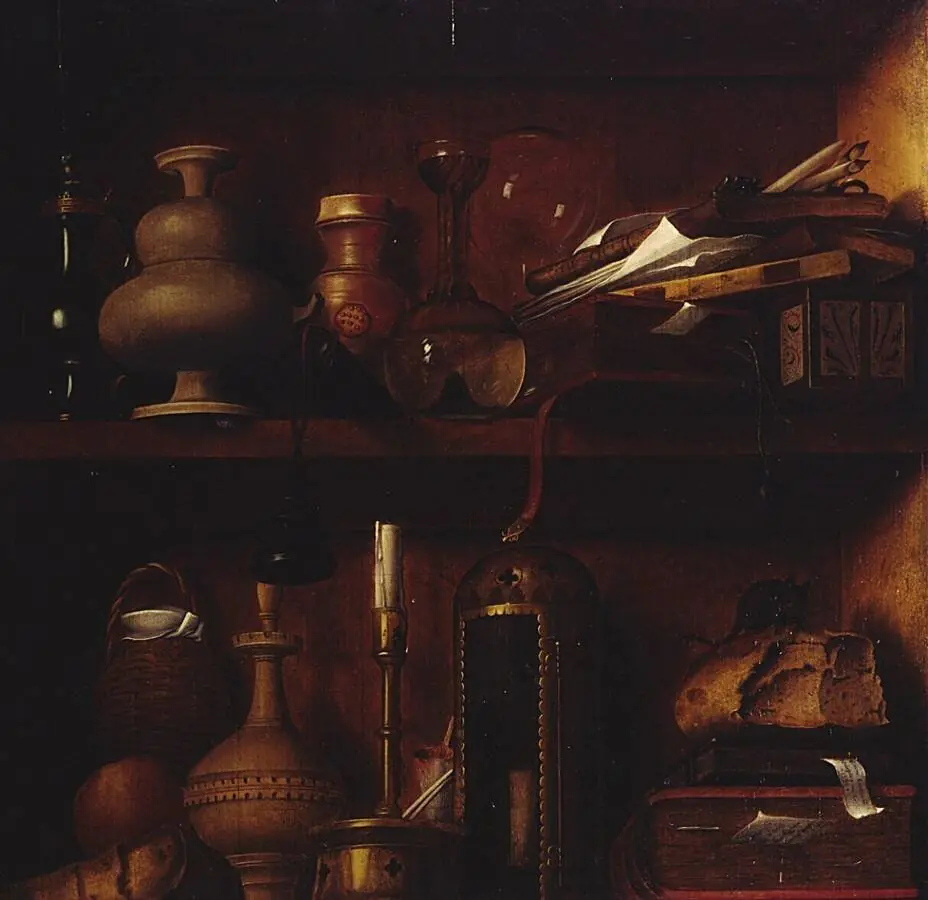 Still life in a Cupboard, 1538
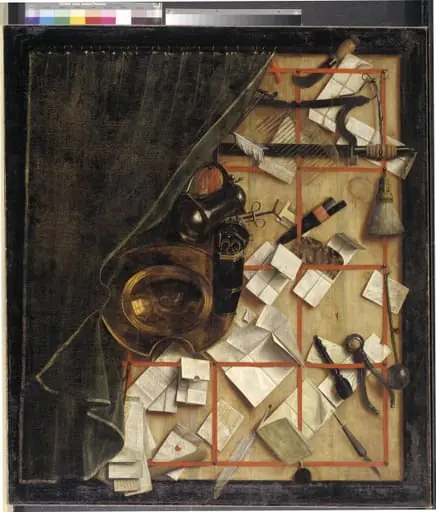 Trompe l'oeil. Letter Rack with a Barber-Surgeon's Instruments
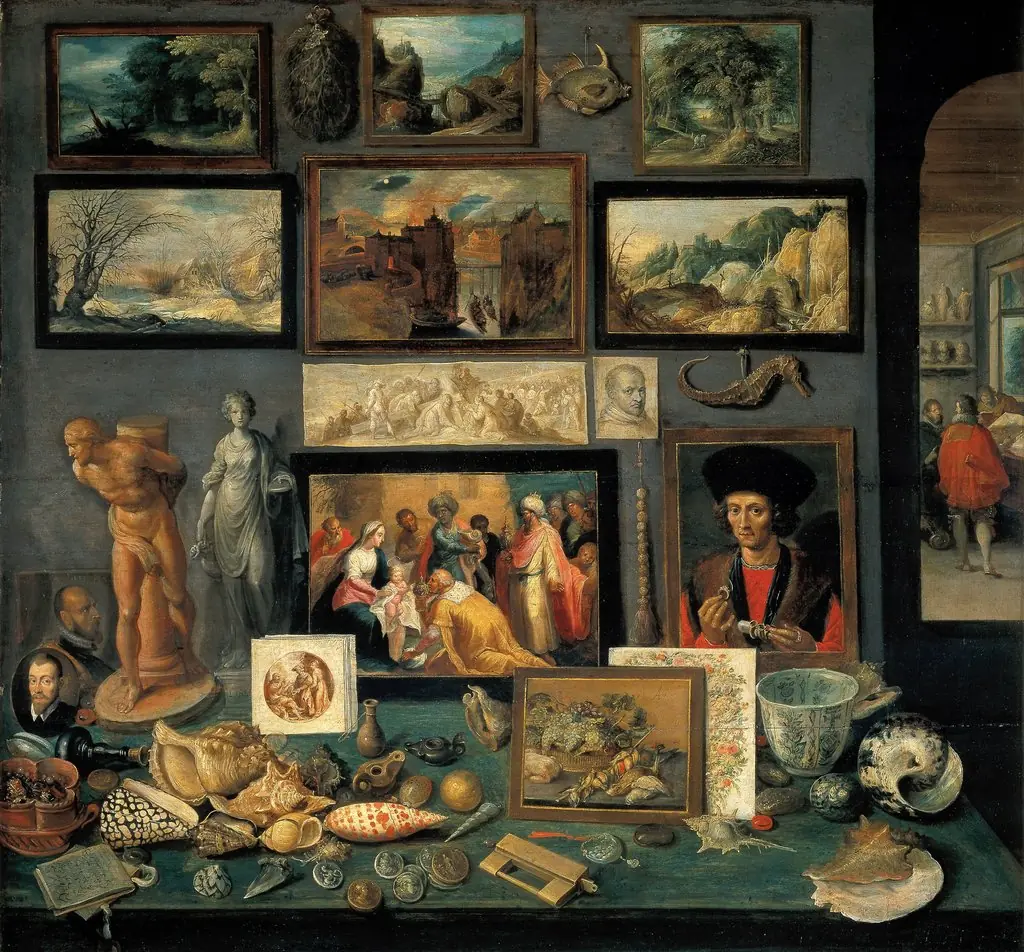 Chamber of Art and Curiosities
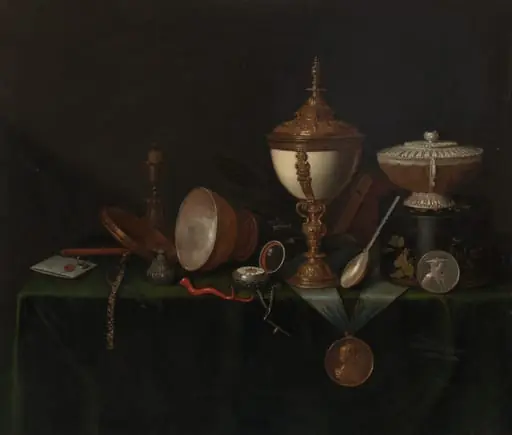 Still Life with Ostrich Egg Cup and the Whitfield Heirlooms
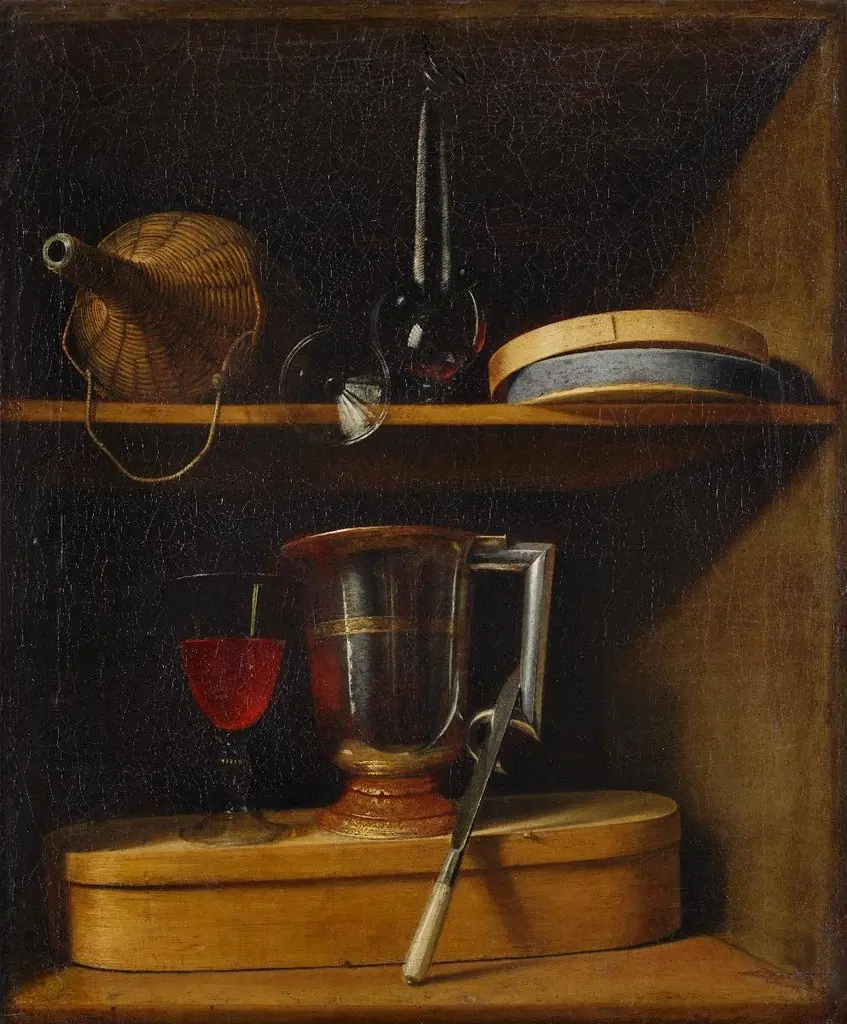 Schrankbild mit Trinkgeschirr und Spanschachteln
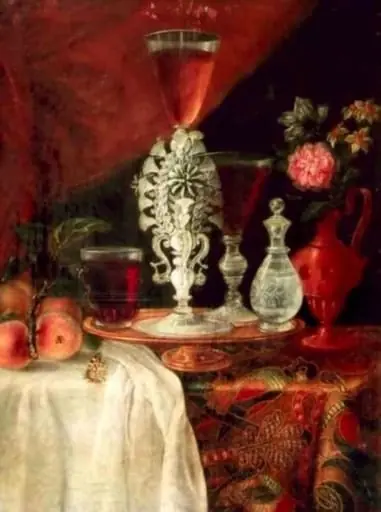 Natură moartă cu vază; pandant: Natură moartă cu cană
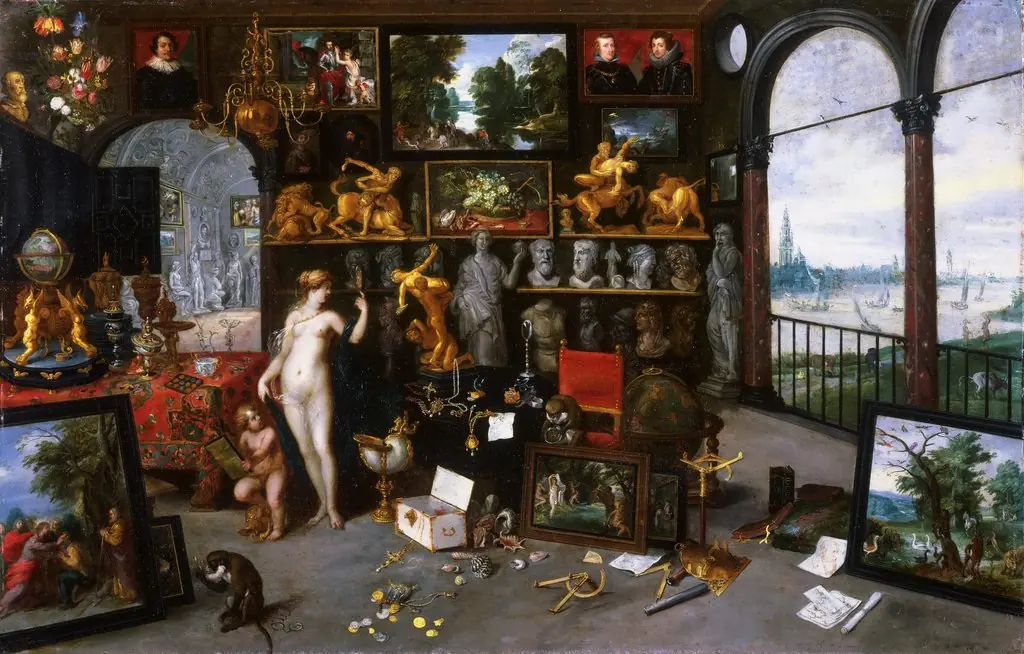 Allegory of Sight (Venus and Cupid in a Picture Gallery)
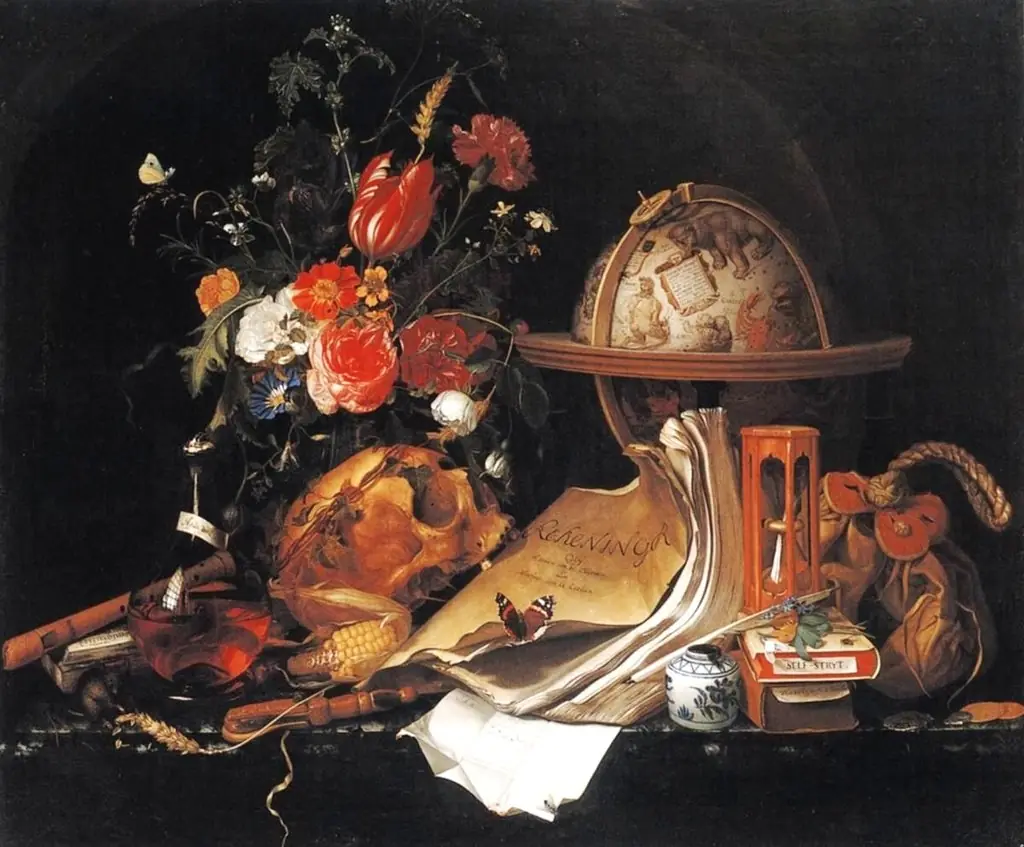 Vanitas still life
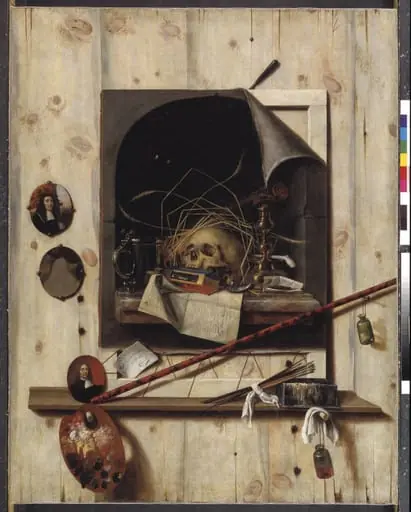 Trompe l'oeil with Studio Wall and Vanitas Still Life
 Natură moartă