Artwork
Plate 14: A "Sea Ape," Two Scorpion Fish, and Two Other Fish
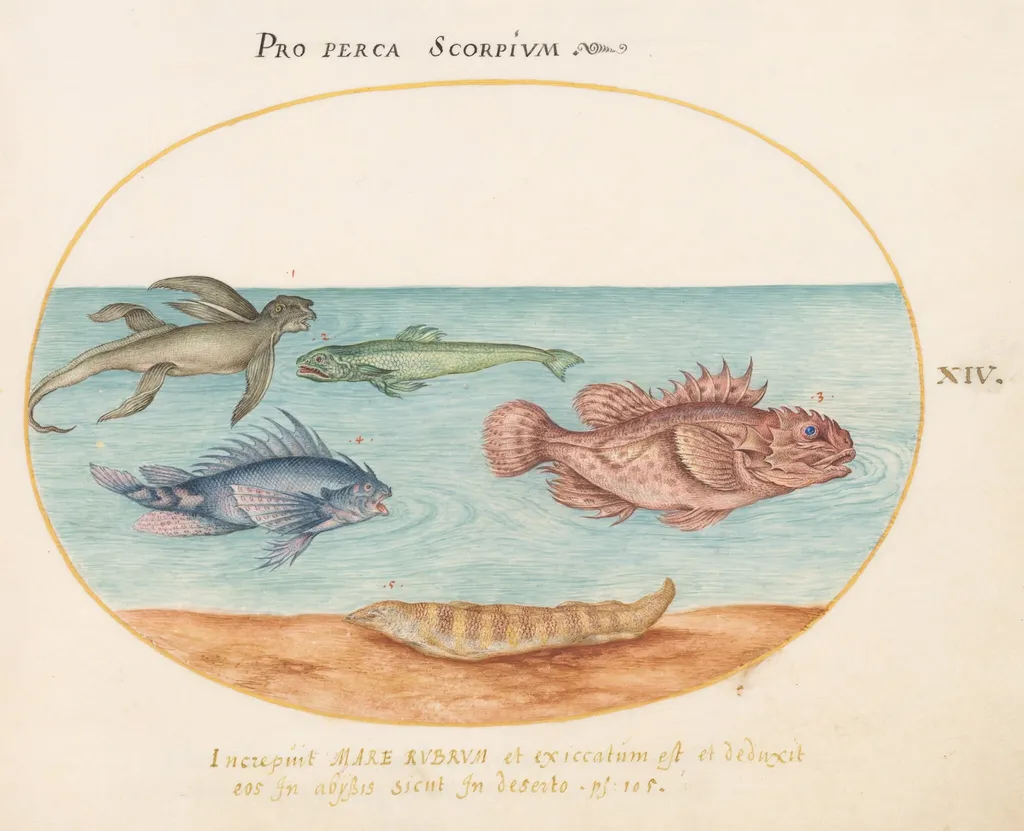
Plate 14: A "Sea Ape," Two Scorpion Fish, and Two Other Fish is a gouache drawing by the Renaissance artist Joris Hoefnagel. It dates from 1594 and is held in the collection of the National Gallery of Art.
About this work
Overview
Executed with meticulous detail, it belongs to a tradition of illuminated manuscripts that blended scientific observation with decorative art.
Created around 1594, this watercolor and gold-painted drawing on parchment is one of a series by Joris Hoefnagel documenting marine life. Executed with meticulous detail, it belongs to a tradition of illuminated manuscripts that blended scientific observation with decorative art. The use of gold leaf and delicate pigments reflects the craftsmanship of late Renaissance manuscript production in the Low Countries.
Subject & Meaning
The plate depicts a fantastical 'sea ape' alongside two scorpion fish and two additional unidentified species. While the 'sea ape' bears mythic qualities, the other creatures are rendered with anatomical precision, suggesting an attempt to catalog real marine organisms. The combination of the real and the imagined mirrors contemporary curiosity about distant seas and the limits of natural knowledge.
Technique & Style
Hoefnagel employed fine watercolor washes to model form and texture, enhanced by precise outlines and accents of gold leaf to highlight scales and fins. The composition arranges the figures in a balanced, almost heraldic arrangement, typical of manuscript illumination. His technique merges the clarity of naturalist drawing with the ornamental elegance of medieval book art.
History & Provenance
This plate was likely part of a larger, unpublished manuscript commissioned for a private collector, possibly linked to the Habsburg court. Hoefnagel’s work circulated among European elites interested in natural history. Though the full manuscript’s fate is uncertain, fragments like this survived through private collections and later institutional acquisitions.
Context
In late 16th-century Europe, interest in natural phenomena surged alongside exploration and the rise of empirical study. Hoefnagel’s drawings responded to this shift, bridging the medieval tradition of symbolic illustration with emerging Renaissance ideals of observation. His work predates formal natural history publications but anticipates their visual language.
Legacy
Hoefnagel’s illustrations influenced later naturalists and illustrators by demonstrating how art could serve scientific documentation. Though not widely published in his lifetime, his detailed depictions became reference points for 17th-century encyclopedic works. This plate exemplifies the transitional role of manuscript art in the history of biological illustration.
Artist & collection

Artist
Joris Hoefnagel or Georg Hoefnagel (1542 – 24 July 1601) was a Flemish painter, printmaker, miniaturist, draftsman and merchant.

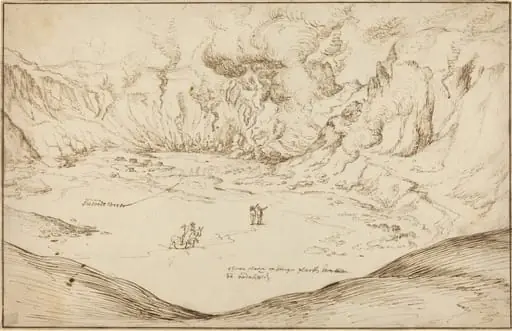 Forum Vulcani: The Hot Springs at Pozzuoli
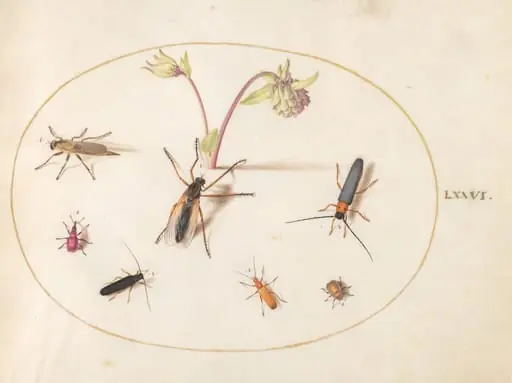 Plate 76: Insects with a Pink and Cream Columbine
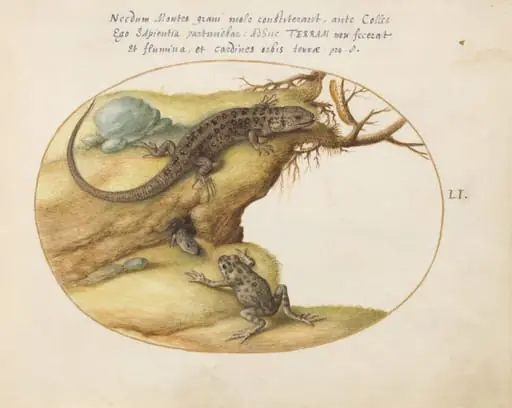 Plate 51: Two Sand Lizards, a Common Parsley Frog(?), and a Caterpillar
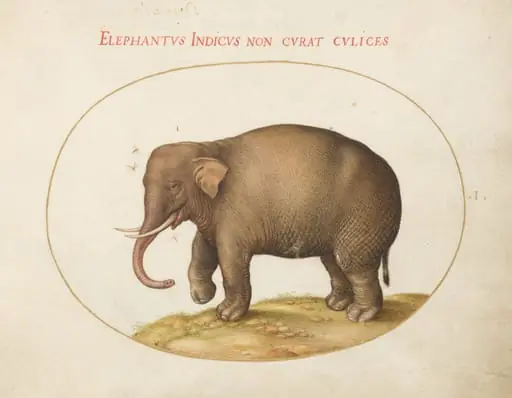 Plate 1: Elephant with Insects
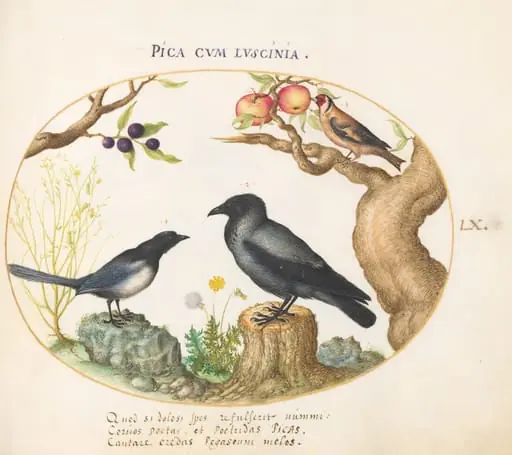 Plate 60: Magpie, Crow, and Goldfinch
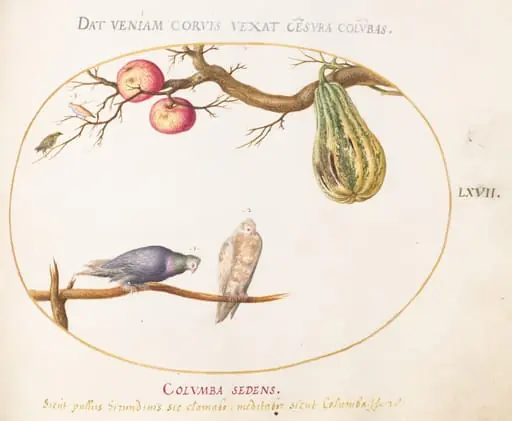 Plate 67: Two Doves beneath a Gourd and Apples
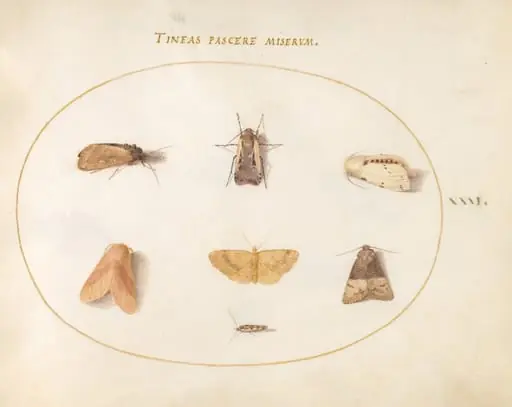 Plate 31: Seven Moths
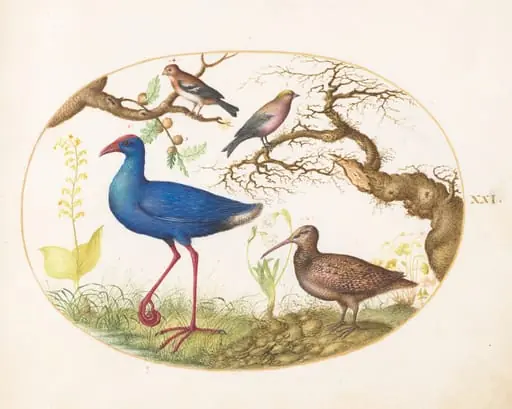 Plate 21: Swamp Hen and Woodcock with a Streaked Rosefinch, a Finch, and Oak Galls
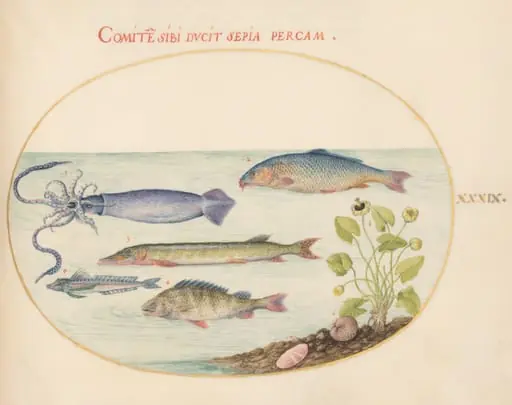 Plate 39: Squid, Gurnard, Pike, and Other Fish
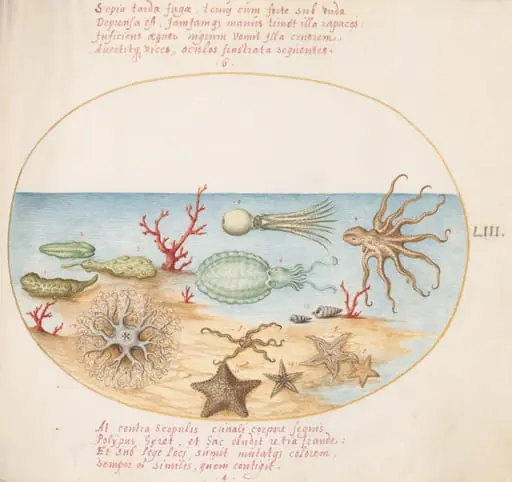 Plate 53: Sea Cucumbers, Coral, Octopus, Starfish, Squid, and Other Sea Creatures
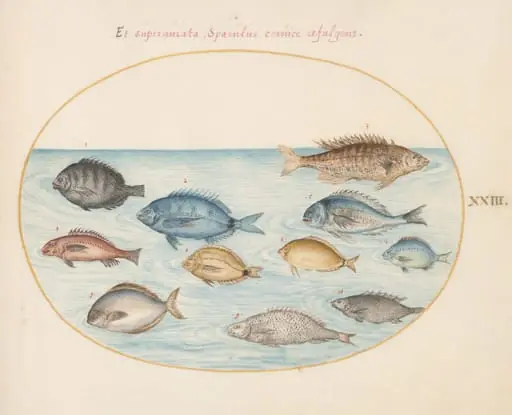 Plate 23: Bream(?) and Other Fish
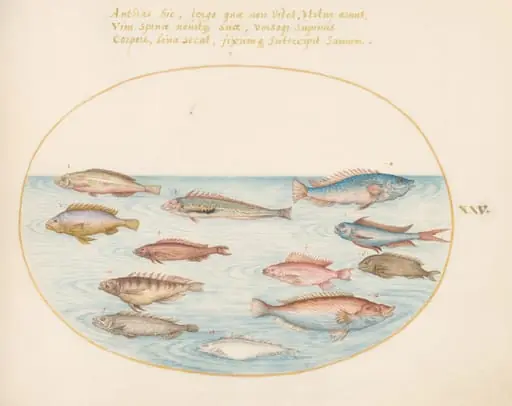 Plate 25: Mediterranean Rainbow Wrasse, Other Wrasse, a Swallowtail Sea Perch(?), Several "Anthiae," and Other Fish
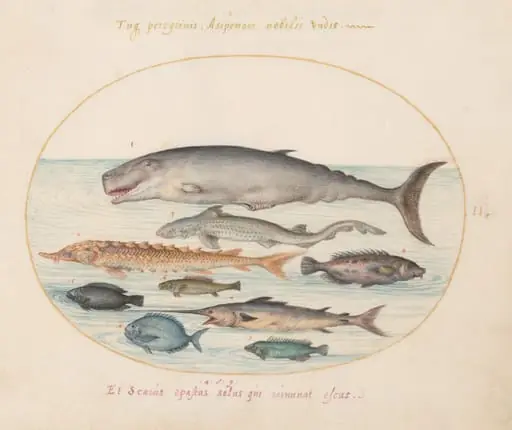 Plate 2: Sperm Whale, Sturgeon, Shark, and Other Fish
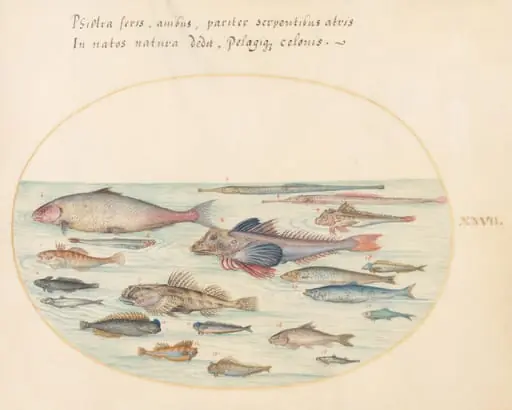 Plate 27: Blennies, Scorpion Fish, and Other Fish
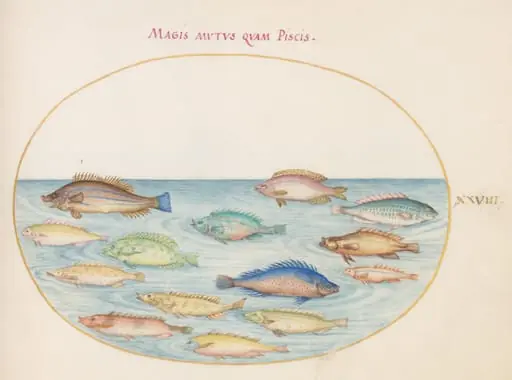 Plate 28: Sea Bream(?) and Other Fish
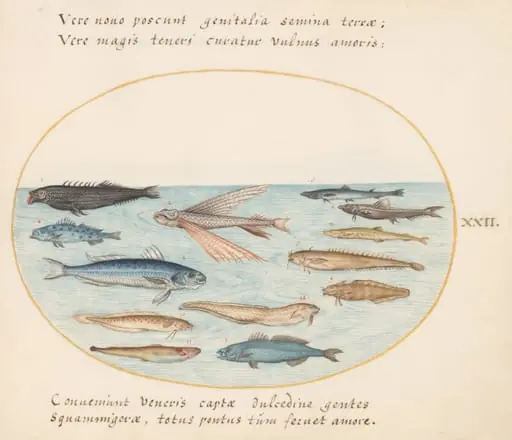 Plate 22: Mullet, Flying Fish, Eels, and Other Fish
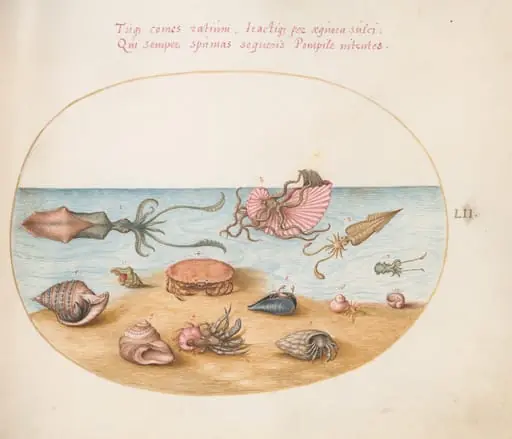 Plate 52: An Argonaut, Squid, Hermit Crabs, Shells, and a Crab
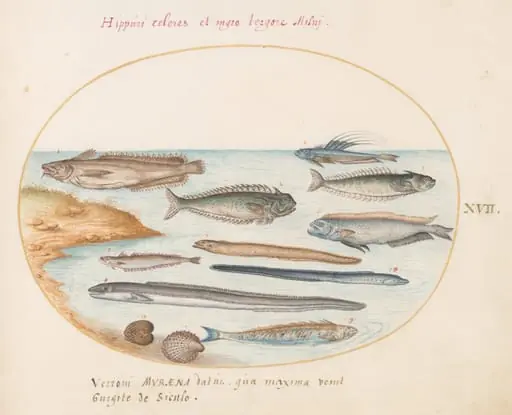 Plate 17: A Cod, Weever Fish, Eels, and Other Fish