Artwork
Plate 44: Mantis, Mayfly, and a Fictional Locust
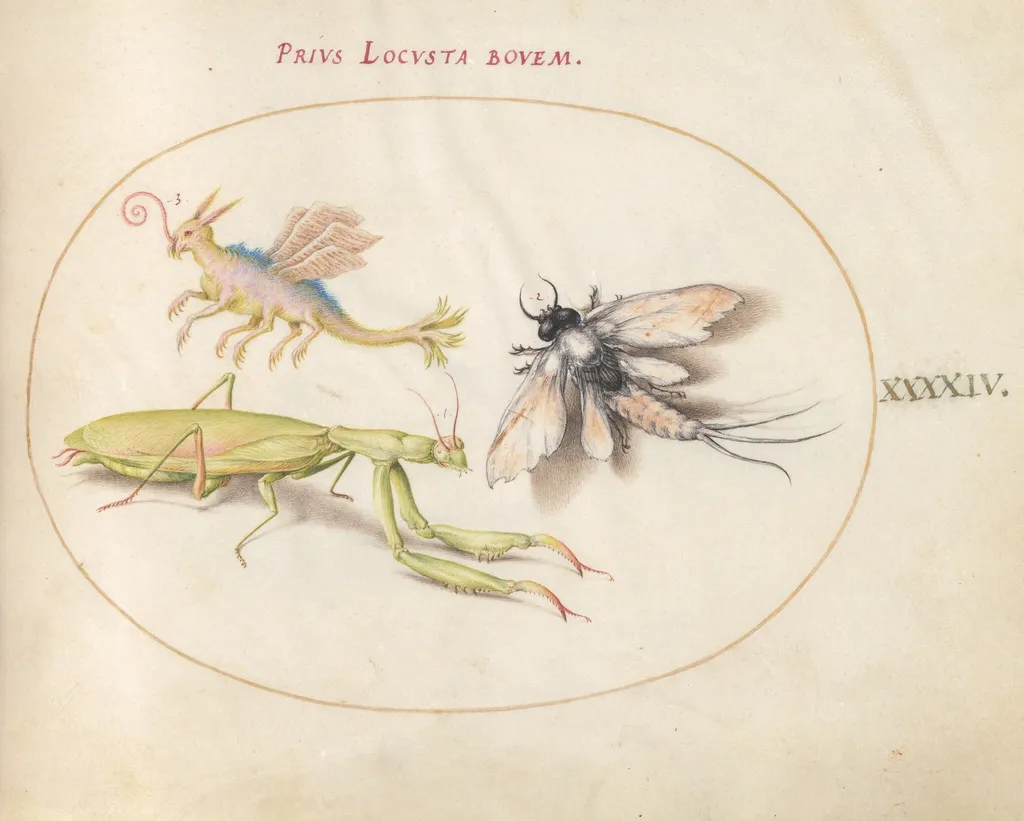
Plate 44: Mantis, Mayfly, and a Fictional Locust is a gouache drawing by the Renaissance artist Joris Hoefnagel. It dates from 1594 and is held in the collection of the National Gallery of Art.
About this work
Overview
Created circa 1594, this small-scale work presents three insects—a mantis, a mayfly and an imagined locust—rendered in watercolor and gold on parchment.
Created circa 1594, this small-scale work presents three insects—a mantis, a mayfly and an imagined locust—rendered in watercolor and gold on parchment. The figures are rendered at life size, set against a plain background, allowing close observation of their forms and coloration. The piece exemplifies the detailed natural studies that occupied the Flemish artist Joris Hoefnagel during the late sixteenth century.
Subject & Meaning
The composition juxtaposes a real mantis, a delicate mayfly perched on foliage, and a fanciful locust that does not correspond to any known species. By pairing authentic specimens with an invented form, Hoefnagel invites viewers to consider the boundaries between observed nature and artistic invention, highlighting the era’s fascination with cataloguing the natural world while also allowing creative interpretation.
Technique & Style
Hoefnagel employed thin, translucent washes of watercolor applied in successive glazes to achieve depth and a subtle sheen on the insects’ bodies. Accents of gold paint enhance the delicate wings and highlight structural details. The precise line work and careful rendering of anatomical features reflect a blend of artistic skill and the observational rigor characteristic of contemporary scientific illustration.
History & Provenance
The drawing is attributed to Joris Hoefnagel, a Flemish painter noted for his contributions to natural history illustration and manuscript illumination. It survives as part of a larger collection of plates that documented flora and fauna for aristocratic patrons. The work is presently housed in the National Gallery of Art in Washington, where it forms part of the museum’s holdings of early modern scientific art.
Context
Produced at a time when the study of nature was increasingly formalized, the piece aligns with the emergence of topographical drawing and the nascent genre of floral still‑life painting in northern Europe. Hoefnagel’s meticulous approach mirrors the broader shift toward integrating empirical observation with artistic representation, a hallmark of late Renaissance natural history publications.
Artist & collection

Artist
Joris Hoefnagel or Georg Hoefnagel (1542 – 24 July 1601) was a Flemish painter, printmaker, miniaturist, draftsman and merchant.

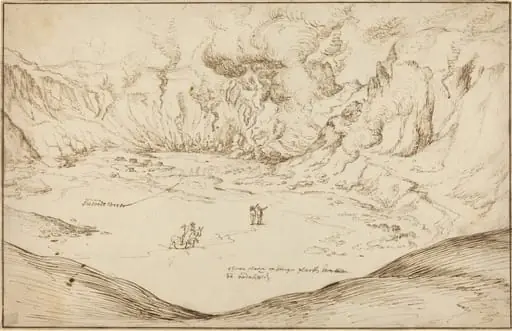 Forum Vulcani: The Hot Springs at Pozzuoli
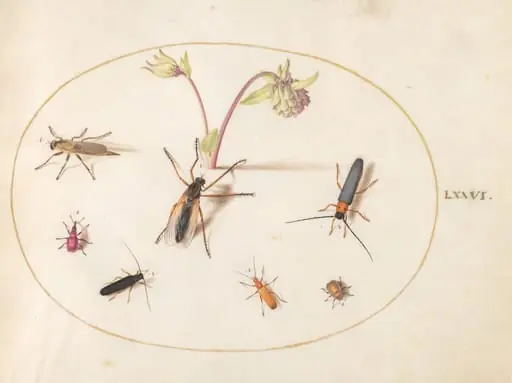 Plate 76: Insects with a Pink and Cream Columbine
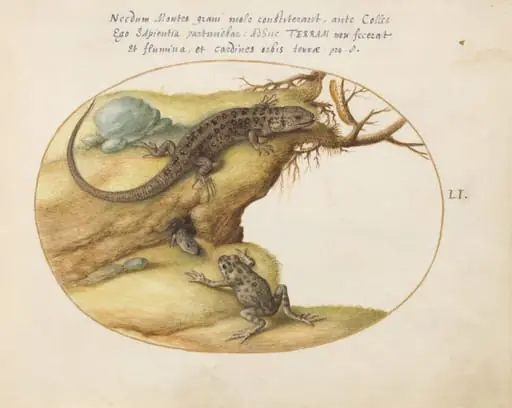 Plate 51: Two Sand Lizards, a Common Parsley Frog(?), and a Caterpillar
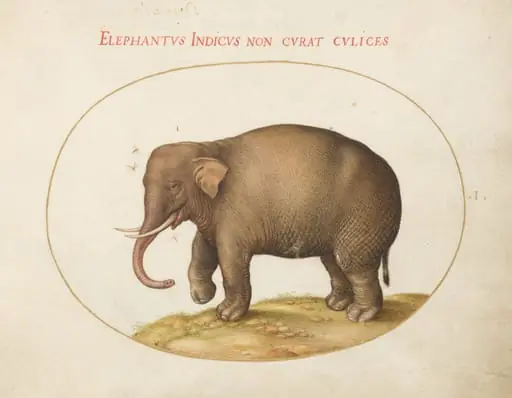 Plate 1: Elephant with Insects
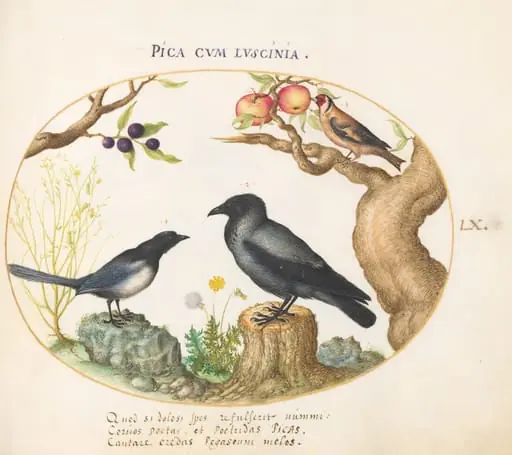 Plate 60: Magpie, Crow, and Goldfinch
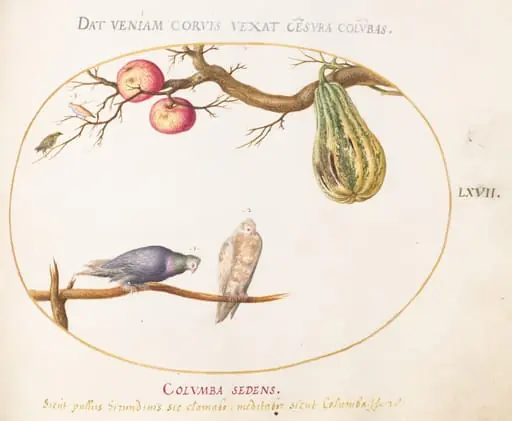 Plate 67: Two Doves beneath a Gourd and Apples
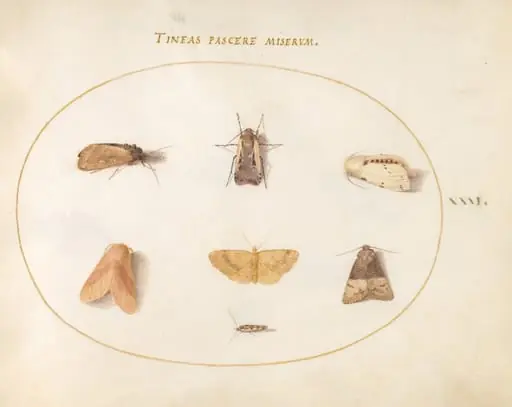 Plate 31: Seven Moths
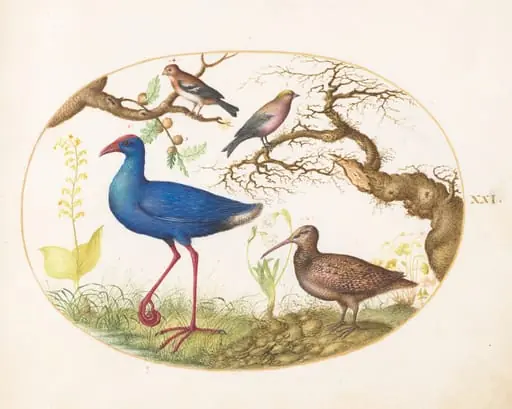 Plate 21: Swamp Hen and Woodcock with a Streaked Rosefinch, a Finch, and Oak Galls
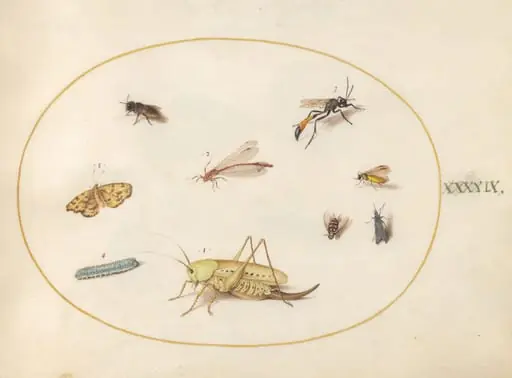 Plate 49: A Grasshopper, a Caterpillar, a Butterfly, a Moth, and Other Insects
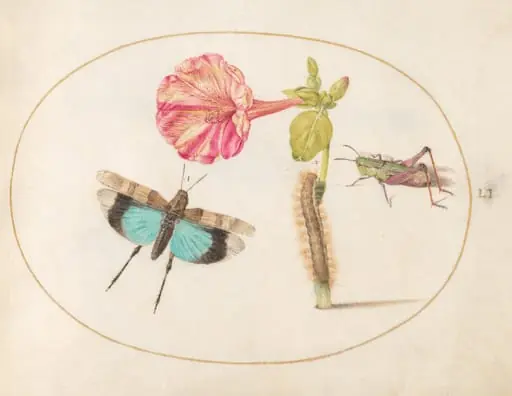 Plate 51: Grasshoppers and a Caterpillar with a Four O'Clock Flower
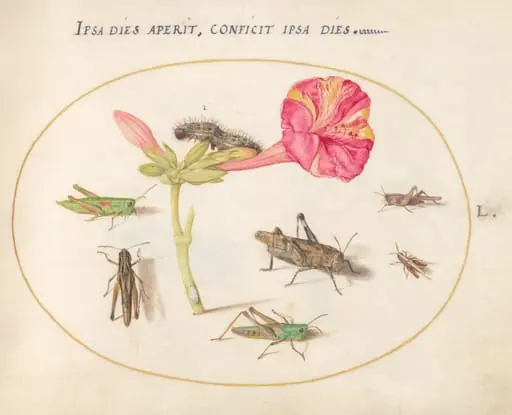 Plate 50: Grasshoppers, a Caterpillar, and a Scale Insect with a Four O'Clock Flower
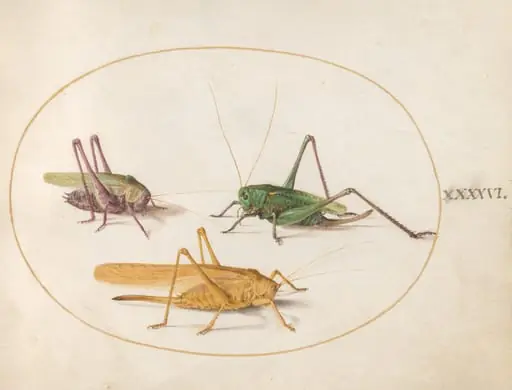 Plate 46: Three Grasshoppers
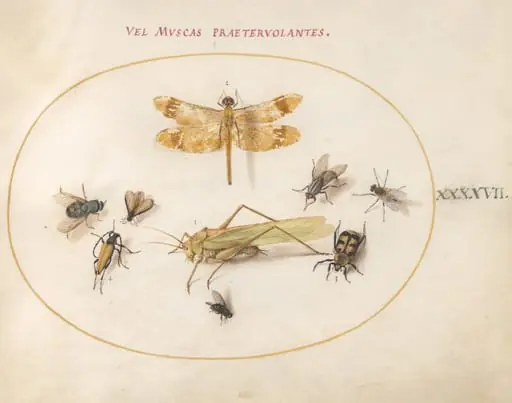 Plate 47: A Dragonfly (Banded Darter?), Grasshopper, Houseflies, a Carrion Beetle, a Flower Longhorn Beetle, and Other Insects
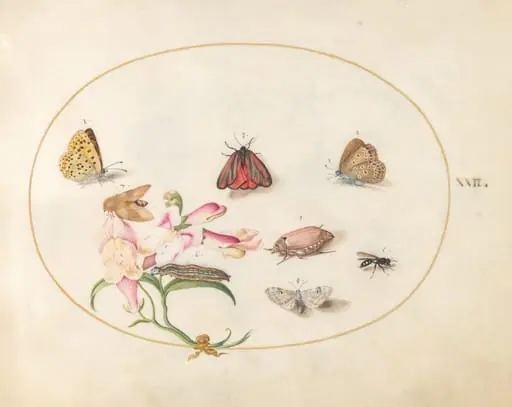 Plate 22: A Cinnabar Moth and a Cockchafer with Butterflies, other Insects, and a Snapdragon
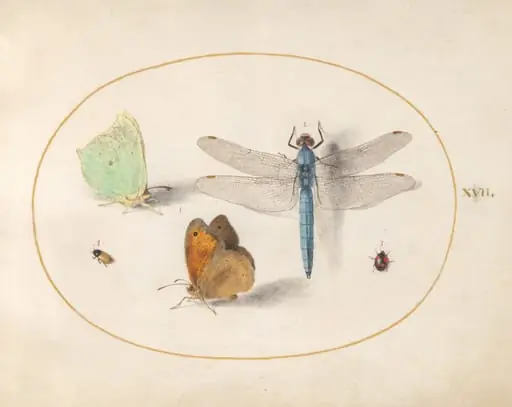 Plate 17: Brimstone and Meadow Brown(?) Butterflies, a Blue Chaser, and Two Small Insects
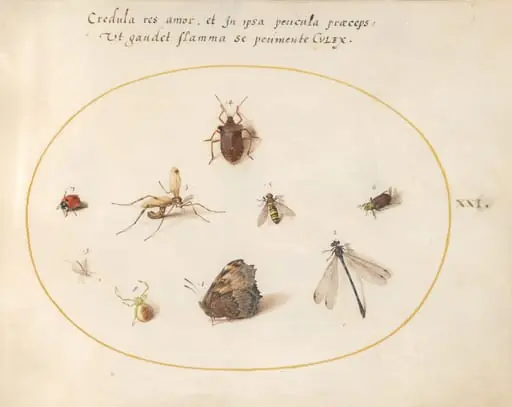 Plate 21: A Butterfly with a Dragonfly, a Ladybug, and Five other Insects
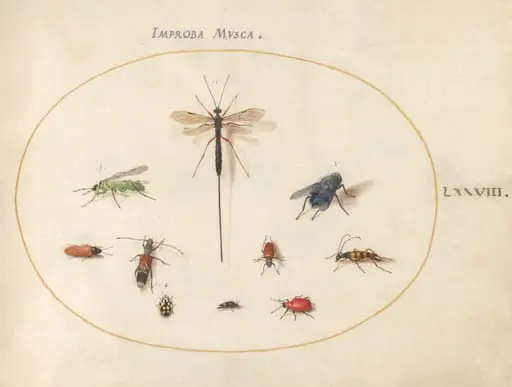 Plate 78: Ten Insects, Including a Blue Fly
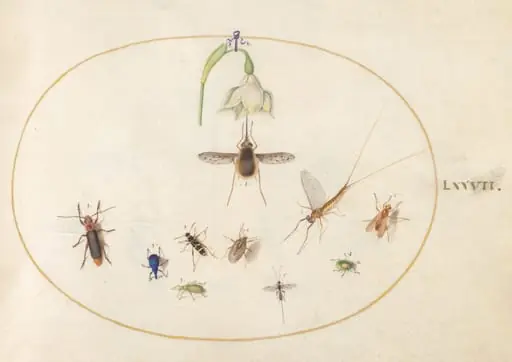 Plate 77: Dotted Bee Fly with a White Flower, a Mayfly, a Blue Weevil, and Other Insects
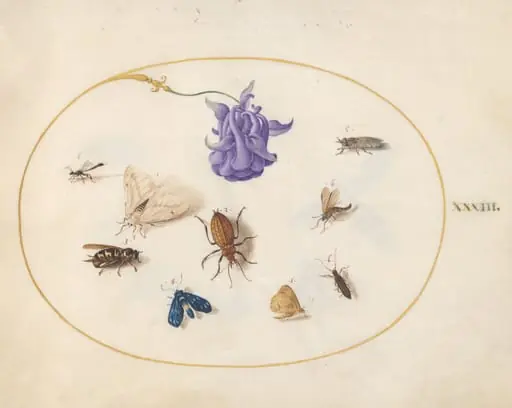 Plate 33: Moth and Butterfly with other Insects and a Columbine Flower
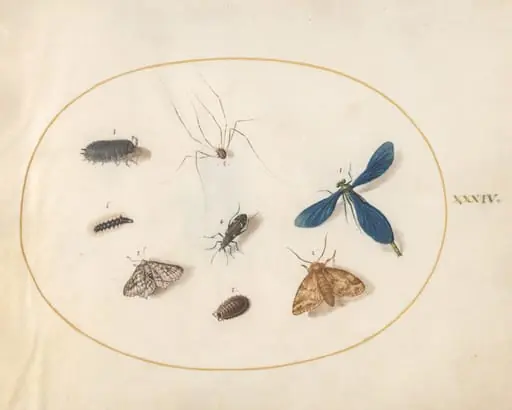 Plate 34: Two Moths with a Spider, a Caterpillar, a Damselfly, and Other Insects