Artwork
The Seraglio
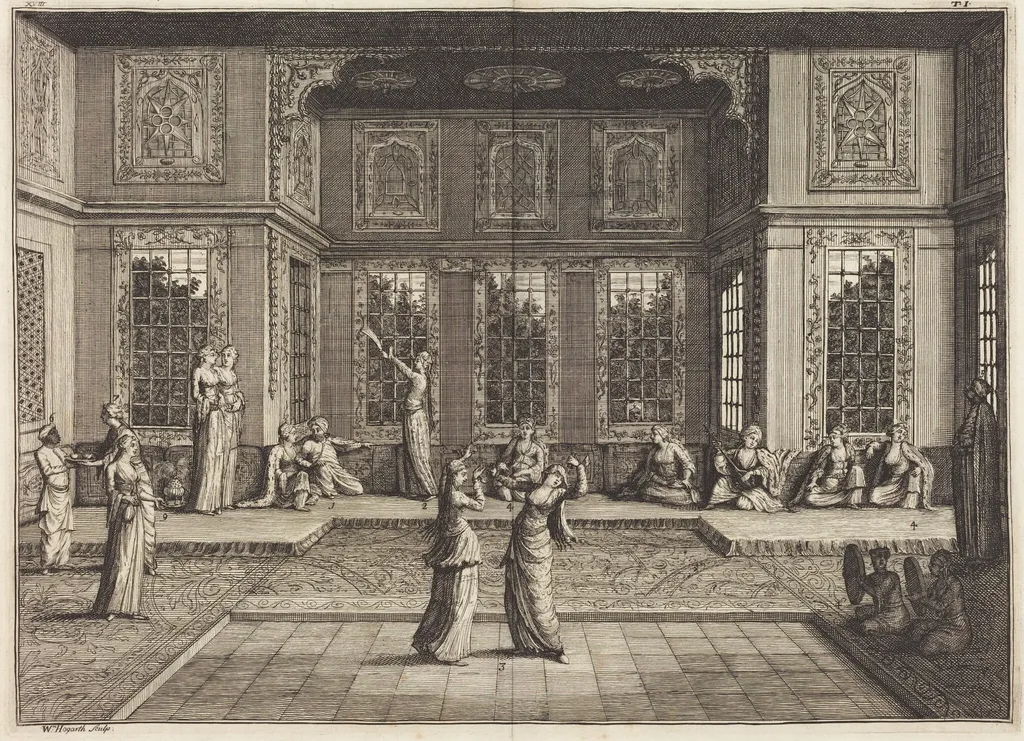
The Seraglio is an ink print by the Baroque artist William Hogarth. It dates from 1723 and is held in the collection of the National Gallery of Art.
About this work
Overview
William Hogarth’s 1723 engraving *The Seraglio* is an early example of the English artist’s printmaking. Executed before his fame as a painter and social satirist, the work presents a densely populated interior that brims with activity and detail, inviting viewers to examine the scene’s complexity and implied commentary on contemporary mores.
Subject & Meaning
The composition portrays a bustling room filled with figures in period dress, some seated, others standing, a woman fanning herself, and a musician playing a stringed instrument. The crowded setting, ornate carvings and barred windows suggest a space of indulgence and confinement, hinting at themes of excess, moral laxity, and the hidden vices of privileged society.
Technique & Style
Hogford employs fine cross‑hatching to render shadows, textures, and depth, allowing the ink‑only medium to suggest three‑dimensional space. The meticulous line work defines clothing folds, architectural details, and the intricate wall decorations, while the dense arrangement of figures creates a sense of visual turbulence characteristic of Hogarth’s early narrative style.
History & Provenance
Created in 1723, *The Seraglio* belongs to Hogarth’s formative period when he was still training as an engraver. Although the print did not achieve the notoriety of his later series, it demonstrates his developing interest in social critique. Original impressions remain in several European print collections, reflecting the work’s early circulation among connoisseurs of English graphic art.
Artist & collection
Artist
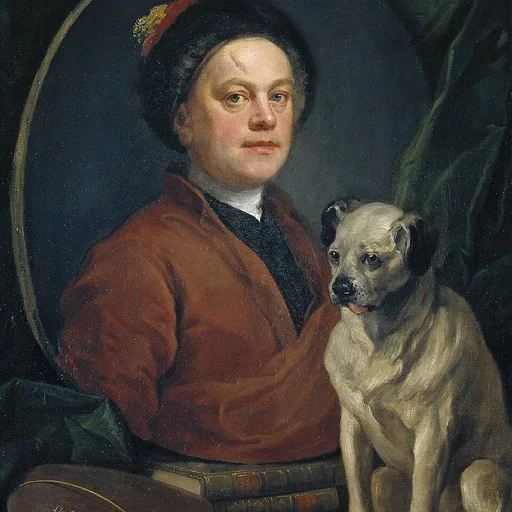
William Hogarth (; 10 November 1697 – 26 October 1764) was an English painter, engraver, satirist, cartoonist and writer.

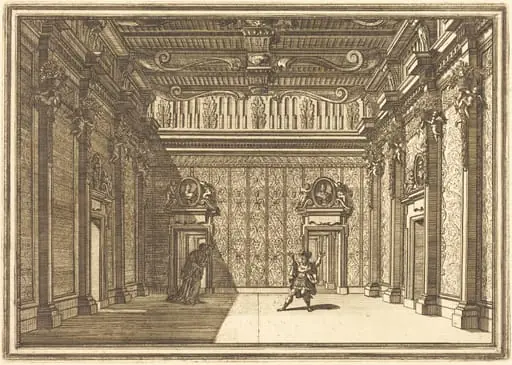 Il Greco in Troia: Plate 6
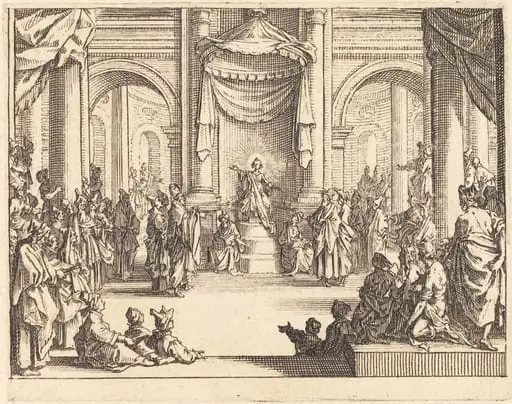 Christ Disputing with the Doctors
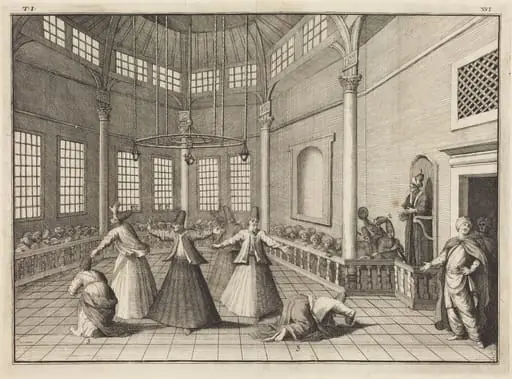 The Inside of a Mosque
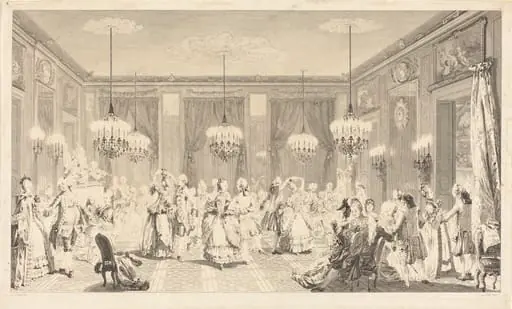 Le bal pare
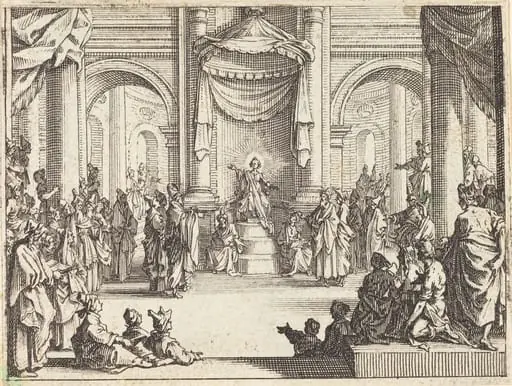 Christ Disputing with the Doctors
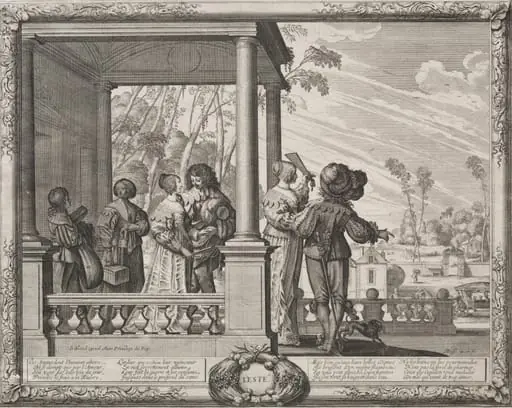 The Four Seasons: Summer
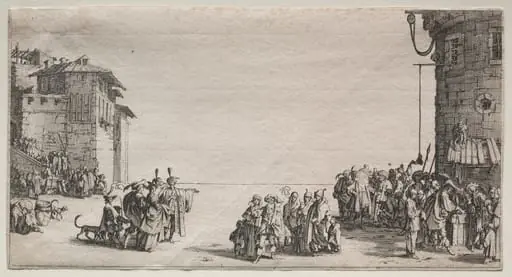 The Slave Market
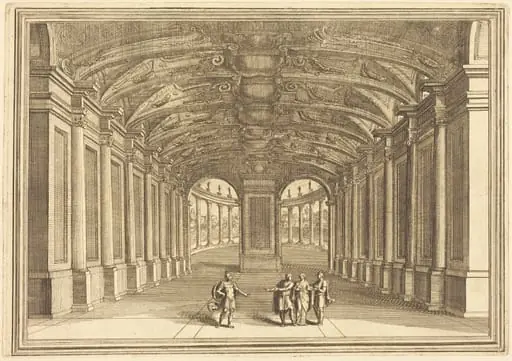 Il Greco in Troia: Plate 10
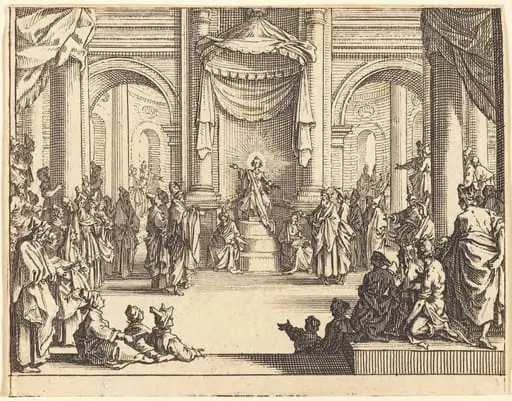 Christ Disputing with the Doctors
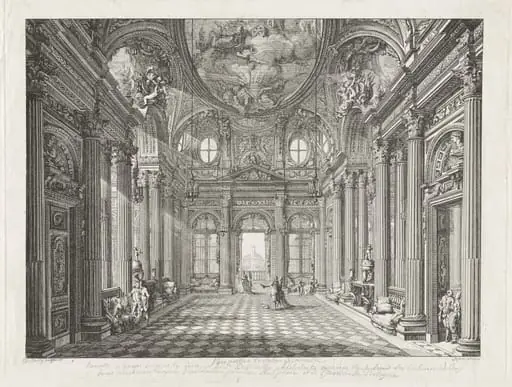 Perspectival View of the Salon of the Palazzo Spinola, Genoa
 Presentation in the Temple
 L'assemblee au salon