Artwork
The Sleeping Congregation
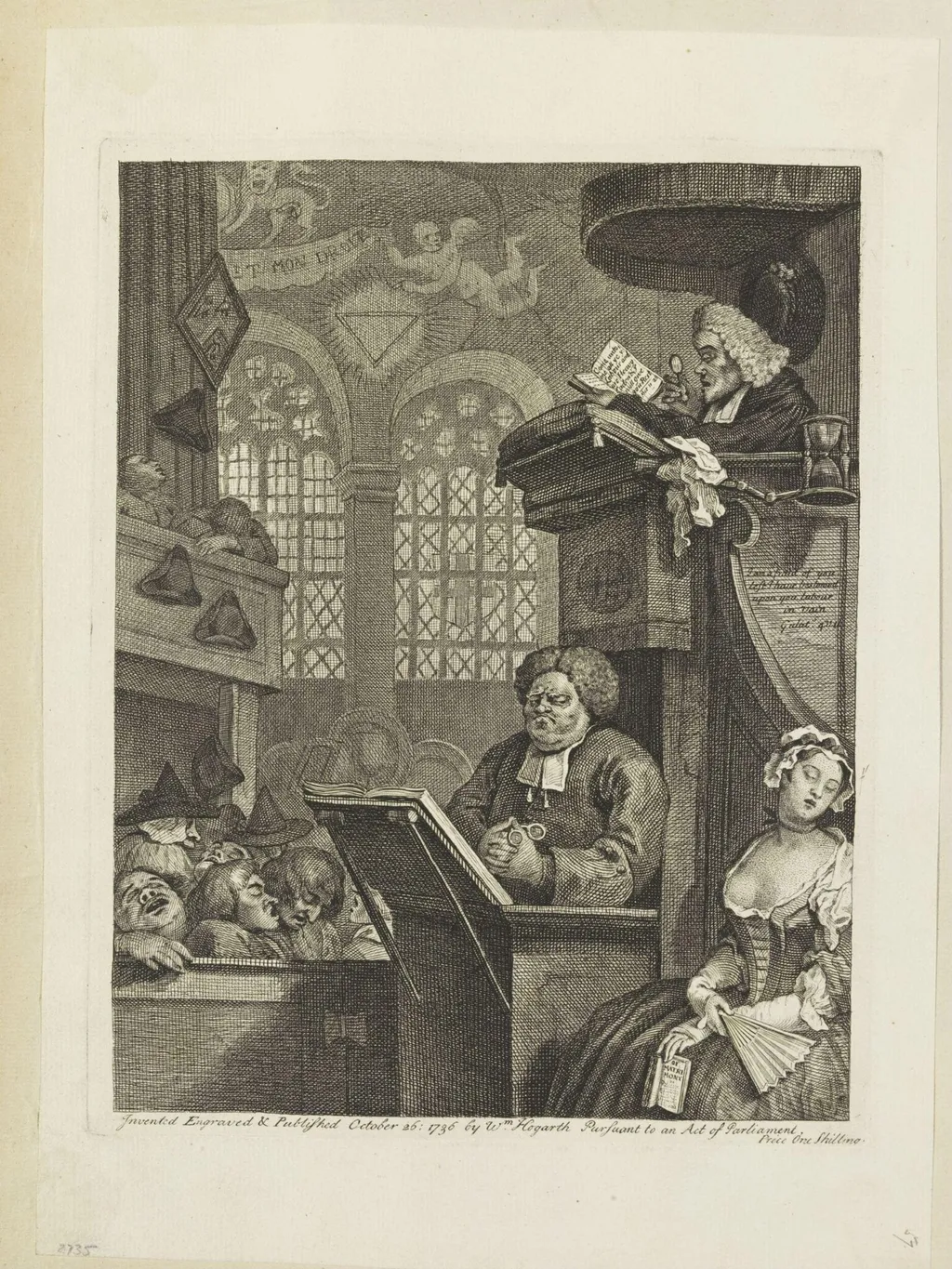
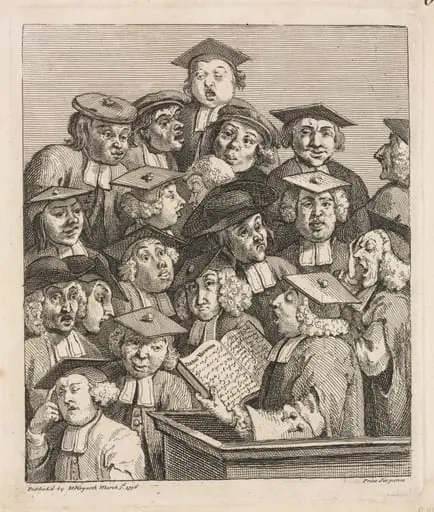
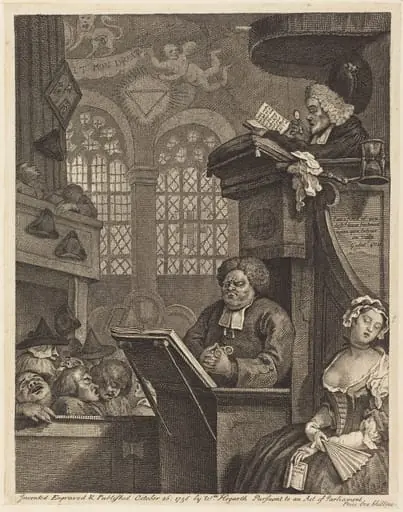
The Sleeping Congregation is a print by William Hogarth. It dates from 1750 and is held in the collection of the Victoria and Albert Museum.
About this work
Overview
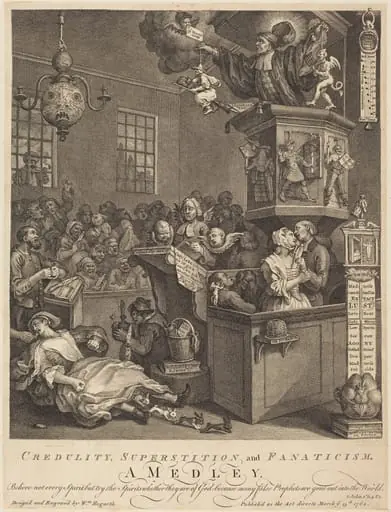
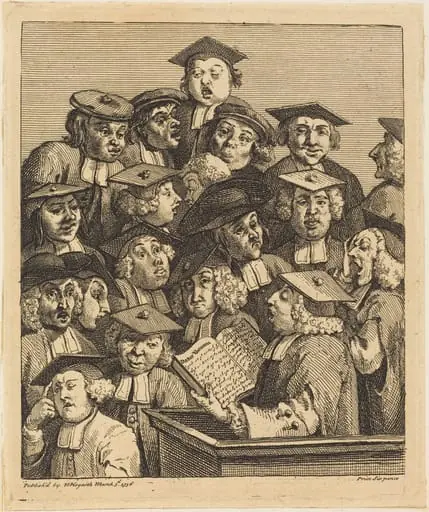
Created in 1750, *The Sleeping Congregation* is a satirical print by William Hogarth, produced in its second state prior to any alterations.
Created in 1750, *The Sleeping Congregation* is a satirical print by William Hogarth, produced in its second state prior to any alterations. Executed in ink on paper, it captures a moment of collective drowsiness during a church service. The work belongs to Hogarth’s broader series of moral and social critiques, using visual narrative to expose the erosion of religious devotion in Georgian England.
Subject & Meaning
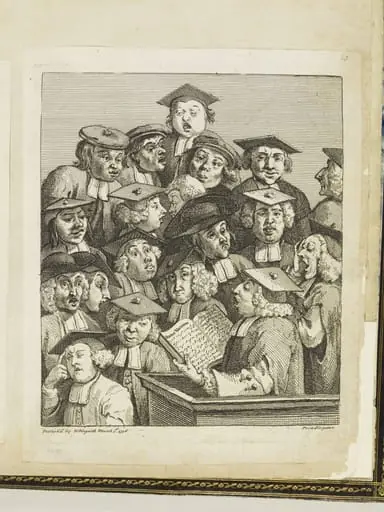
The scene portrays a church interior where the preacher and choir remain alert, engrossed in their texts, while the congregation slumps in slumber. A woman in the front row clutches a fan and a booklet, suggesting performative piety. The image underscores a broader cultural critique: religious rituals had become hollow routines, observed more out of habit than conviction, revealing a society detached from spiritual earnestness.
Technique & Style
Hogarth employs crisp, incised lines and strong contrasts between light and shadow to define forms with clarity. The darkened interiors of the church amplify the somnolence of the figures, while the illuminated faces and objects draw the viewer’s eye to individual expressions of fatigue. His precise draftsmanship enhances the narrative immediacy, turning each slumped posture into a silent indictment of moral complacency.
History & Provenance
The print was issued in 1750 as part of Hogarth’s series addressing social mores. This second state predates later revisions, preserving the original composition without added annotations. It circulated widely among middle-class audiences, reinforcing Hogarth’s reputation as a commentator on public behavior. The work entered institutional collections in the 19th century, including the Victoria and Albert Museum, where it remains accessible for study.
Context
In mid-18th-century England, church attendance was often a social obligation rather than an act of faith. Sermons, long and doctrinal, failed to engage congregations increasingly distracted by secular concerns. Hogarth’s print reflects contemporary anxieties about declining piety, aligning with broader Enlightenment debates on morality, education, and the role of religion in public life.
Legacy
The print contributed to the tradition of British satirical printmaking, influencing later artists who used visual irony to critique societal norms. Its unembellished realism and psychological nuance set a precedent for narrative art that prioritized observation over idealization. Though not widely exhibited today, it remains a key reference in studies of 18th-century visual culture and religious practice.
Artist & collection
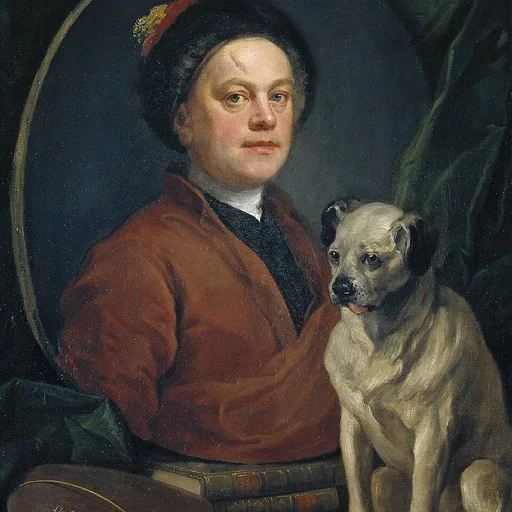
Artist
William Hogarth (; 10 November 1697 – 26 October 1764) was an English painter, engraver, satirist, cartoonist and writer.