Artwork
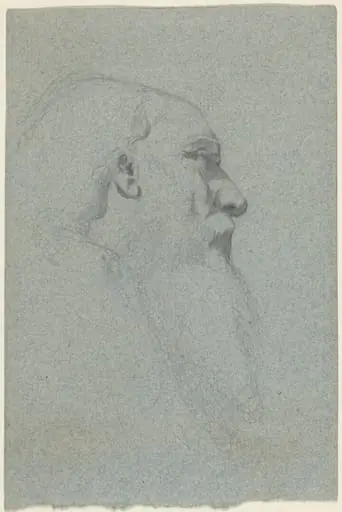
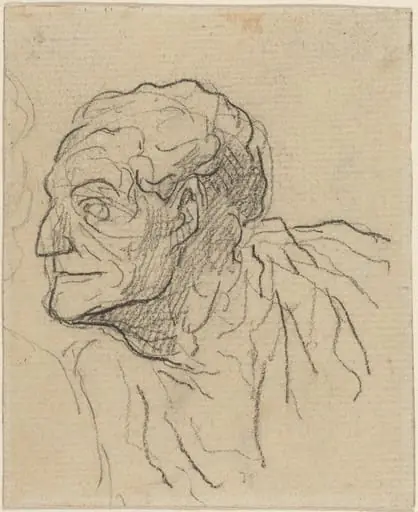
Study of a Bearded Man [verso]
![Study of a Bearded Man [verso], by Hans Holbein the Elder, charcoal, 1509](https://artifactworldgallery.com/img/hans-holbein-the-elder--study-of-a-bearded-man-verso--de5f75ff05223498-w1024.webp)
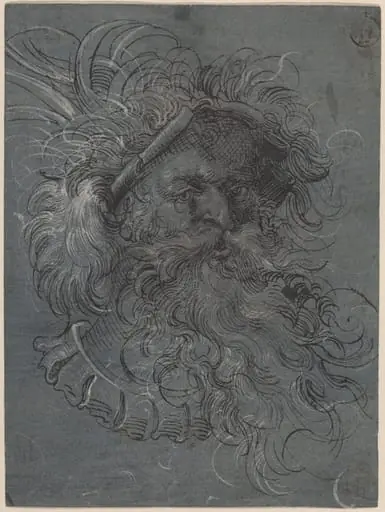
Study of a Bearded Man [verso] is a charcoal drawing by the Renaissance artist Hans Holbein the Elder. It dates from 1509 and is held in the collection of the National Gallery of Art.
About this work
Overview
Hans Holbein the Elder’s drawing of a bearded man, executed around 1509, is a small-scale study rendered in silverpoint and charcoal on a sheet of prepared paper. The work is presented on the verso of the sheet, indicating its function as a preparatory sketch rather than a finished composition.
Subject & Meaning
The image captures a close-up view of a male sitter with a full beard and sharply focused eyes. The slightly open mouth suggests a moment of speech or contemplation, offering a glimpse into the sitter’s character through subtle facial expression.
Technique & Style
Holbein employed a silverpoint stylus, which incises fine gray lines into the paper, and layered charcoal to build tonal values. Cross‑hatching creates depth, while quick, sketchy strokes convey the texture of hair and beard. White highlights are added to enhance the luminous quality of the paper surface.
History & Provenance
The drawing belongs to the early German Renaissance period and reflects Holbein the Elder’s reputation for meticulous portraiture. As the patriarch of a family of painters, his work contributed to the artistic lineage that included his sons Ambrosius and Hans Holbein the Younger.
Context
Created during a time when silverpoint was prized for its precision, the study exemplifies the Northern European emphasis on detailed observation and draftsmanship. Such preparatory sketches were commonly used by artists to refine facial features before undertaking larger panel or altarpiece commissions.
Artist & collection
Artist
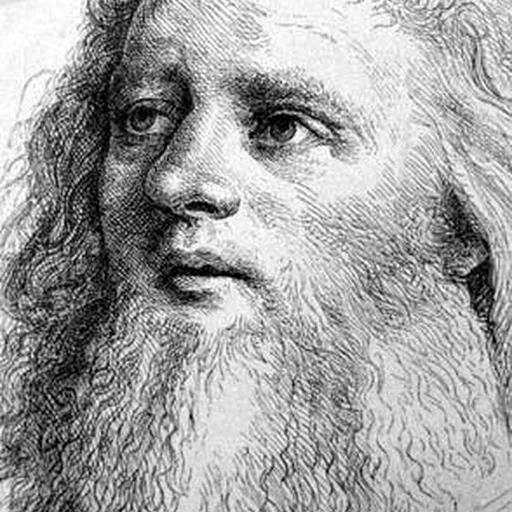
Hans Holbein the Elder (c. 1460/65 – 1524) was a German painter of the early German Renaissance. He was the father of painters Ambrosius and Hans the Younger.

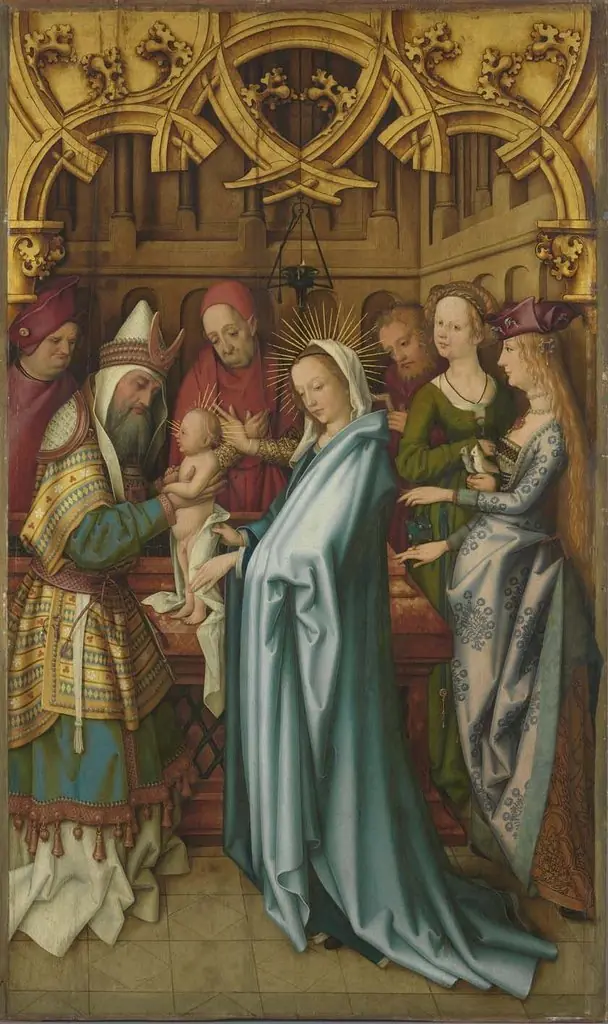 Kaisheimer Altar: Darbringung im Tempel
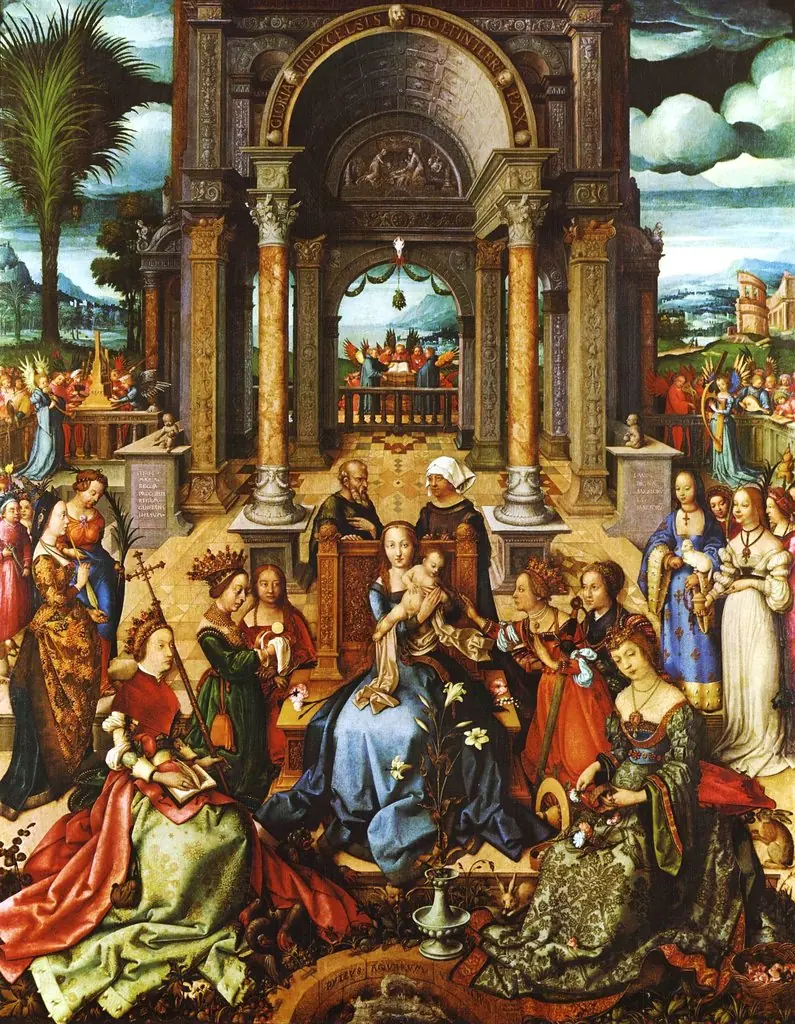 Virgin with Child by Hans Holbein the Elder, Museu Nacional de Arte Antiga
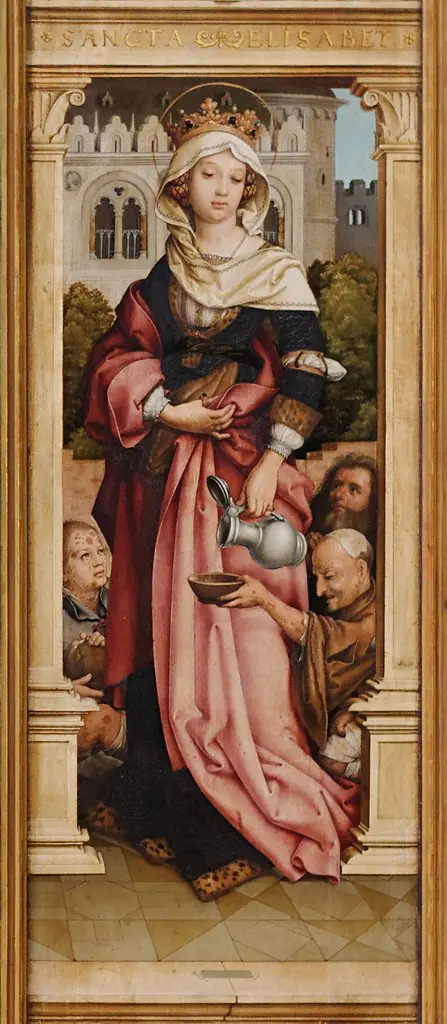 St. Sebastian Altar: St. Elizabeth of Hungary
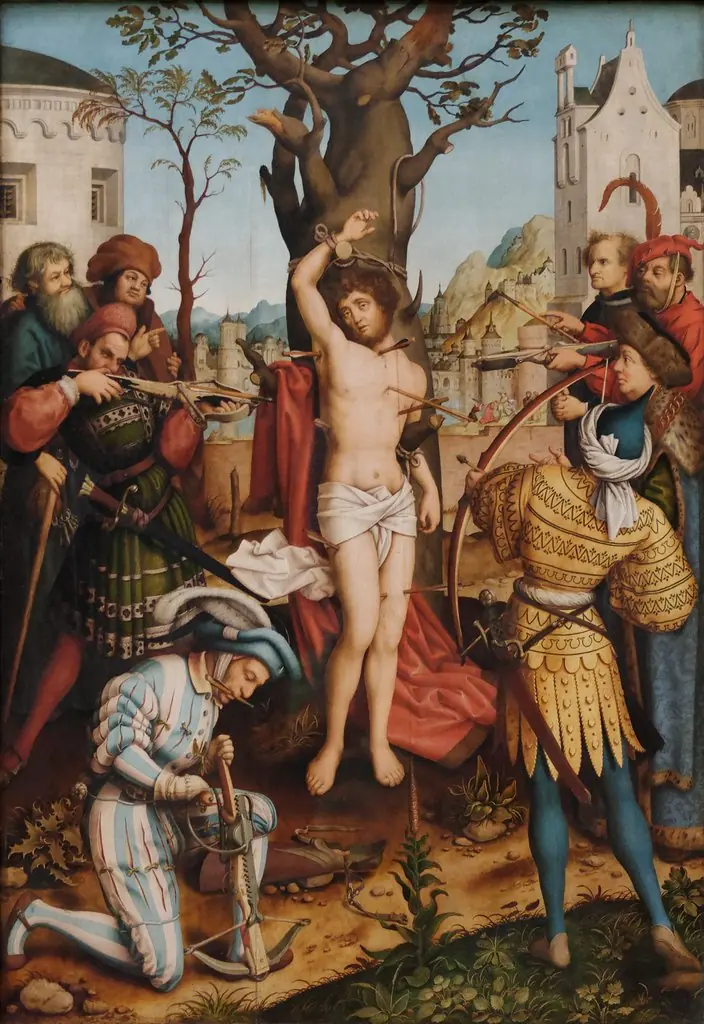 St. Sebastian Altar: The Martyrdom of St. Sebastian
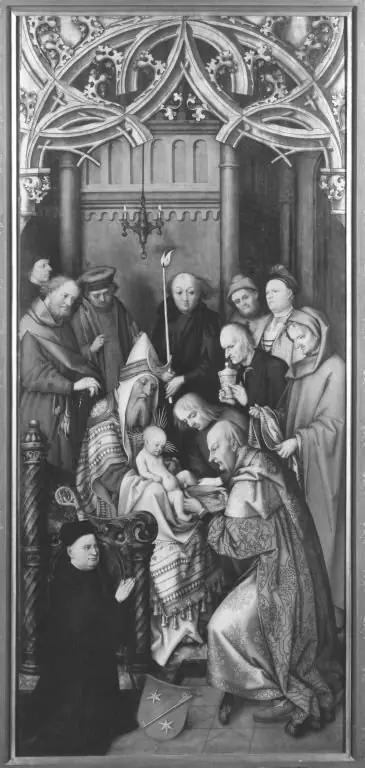 Kaisheimer Altar: Beschneidung Christi
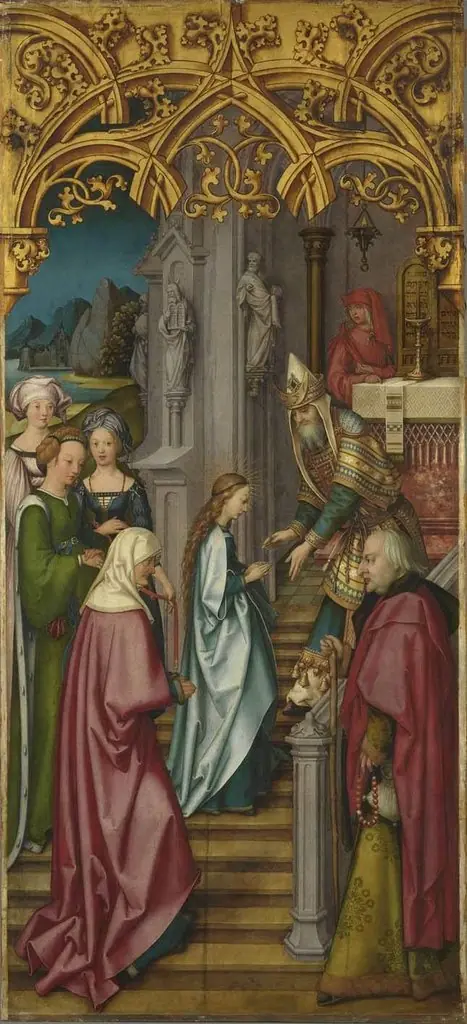 Kaisheimer Altar: Tempelgang Mariens
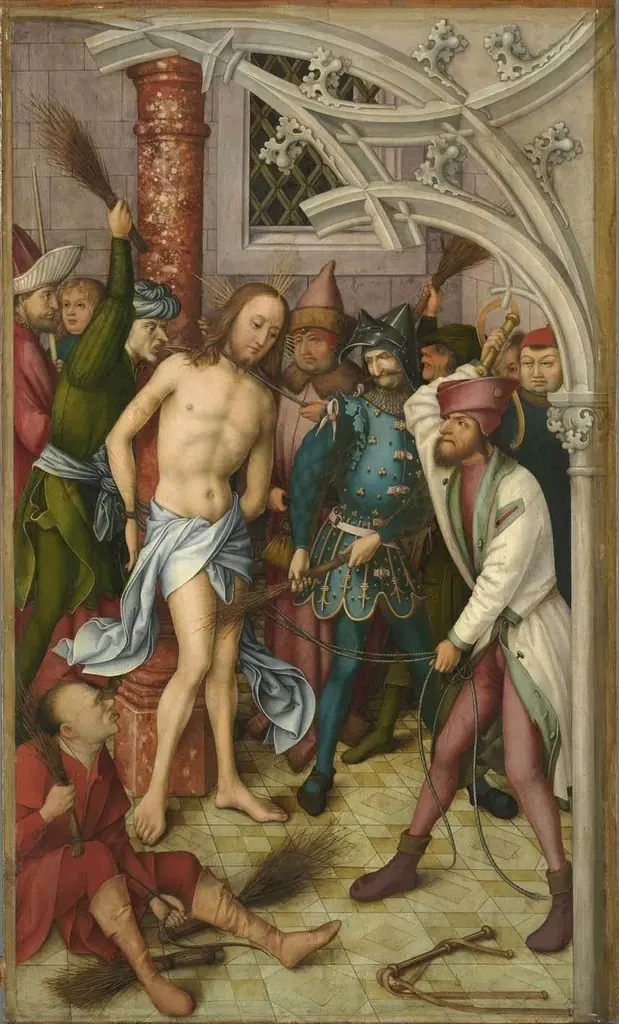 Kaisheimer Altar: Geißelung Christi
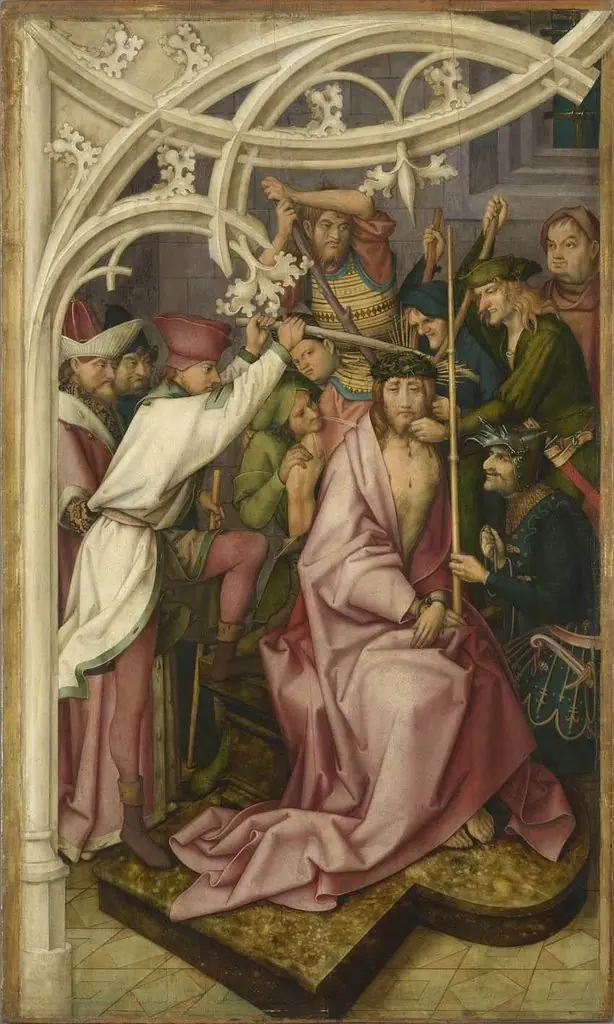 Kaisheimer Altar: Dornenkrönung Christi