Artwork
Katharine Furlegerin
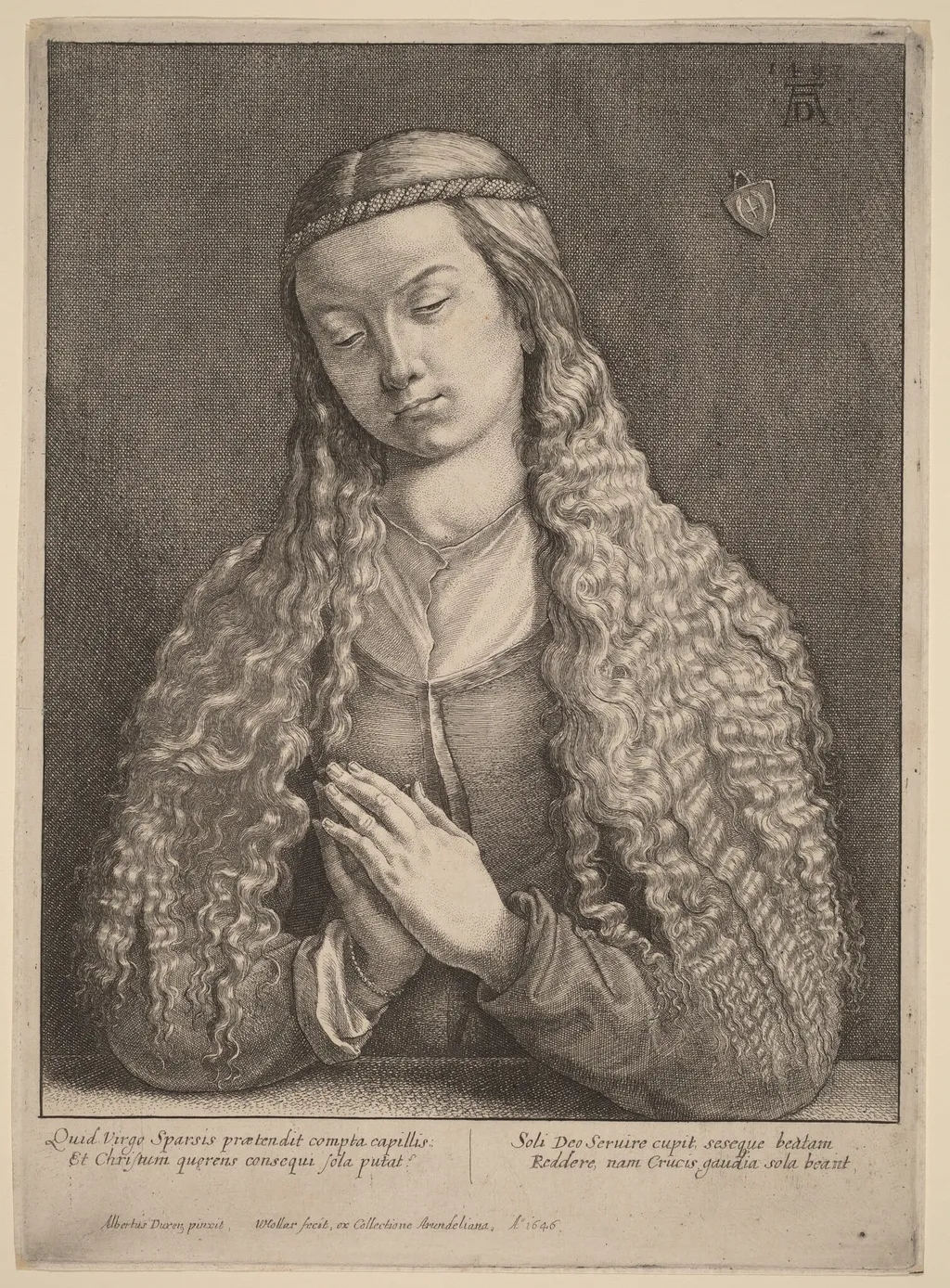
Katharine Furlegerin is an ink print by the Baroque artist Wenceslaus Hollar. It dates from 1646 and is held in the collection of the National Gallery of Art.
About this work
Overview
Created in 1646 by Wenceslaus Hollar, *Katharine Furlegerin* is an etching depicting a woman in quiet repose. Hollar, a Czech artist active in England, produced this work during a period when he refined his skill in portraiture and graphic detail. The piece belongs to a body of intimate, finely rendered figures that complement his more expansive topographical works.
Subject & Meaning
The subject, identified as Katharine Furlegerin, is portrayed with restrained dignity. Her downward gaze and clasped hands suggest introspection or devotion. The absence of overt symbolism or narrative context invites a focus on personal stillness rather than social status or event. The portrait functions as a private, contemplative study rather than a public commemoration.
Technique & Style
Hollar employed fine, controlled lines typical of etching to define the woman’s features and textile folds. The dark background isolates the figure, enhancing the contrast of her pale skin and the texture of her dress. Delicate hatching models the face and hands, while the high neckline and long sleeves reflect contemporary modesty in dress, rendered with precision rather than ornamentation.
History & Provenance
The etching was produced during Hollar’s years in London, following his move from Prague in the 1630s. It likely served as a commissioned portrait, though no definitive record of its original patron survives. The work remained within European collections, entering institutional holdings by the 19th century, where it is now preserved as part of Hollar’s graphic oeuvre.
Context
In mid-17th-century England, portraiture in print flourished alongside the rise of the middle class and the demand for personal likenesses. Hollar’s work intersected with this trend, offering accessible images of individuals. While his landscapes and architectural views gained wider recognition, his portraits like this one reveal a quieter, more personal facet of his practice.
Legacy
Though less celebrated than his cityscapes, *Katharine Furlegerin* exemplifies Hollar’s ability to convey psychological presence through line and tone. It remains a reference for scholars studying individual portraiture in early modern printmaking, illustrating how personal identity was captured in an era dominated by grander historical and topographical themes.
Artist & collection
Artist
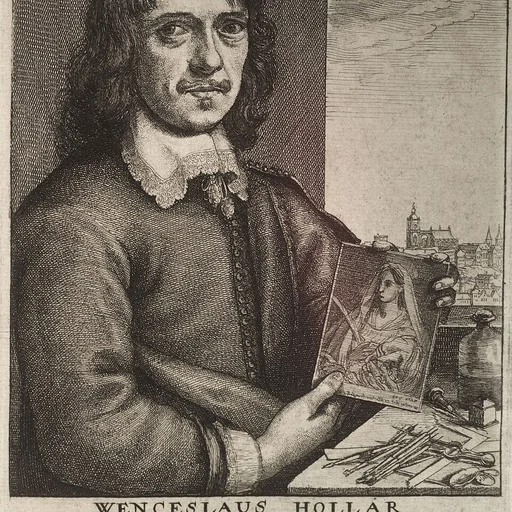
Wenceslaus Hollar (Czech: Václav Hollar (Czech pronunciation: ), German: Wenzel Hollar; 23 July 1607 – 25 March 1677) was a Czech engraver, etcher and painter.


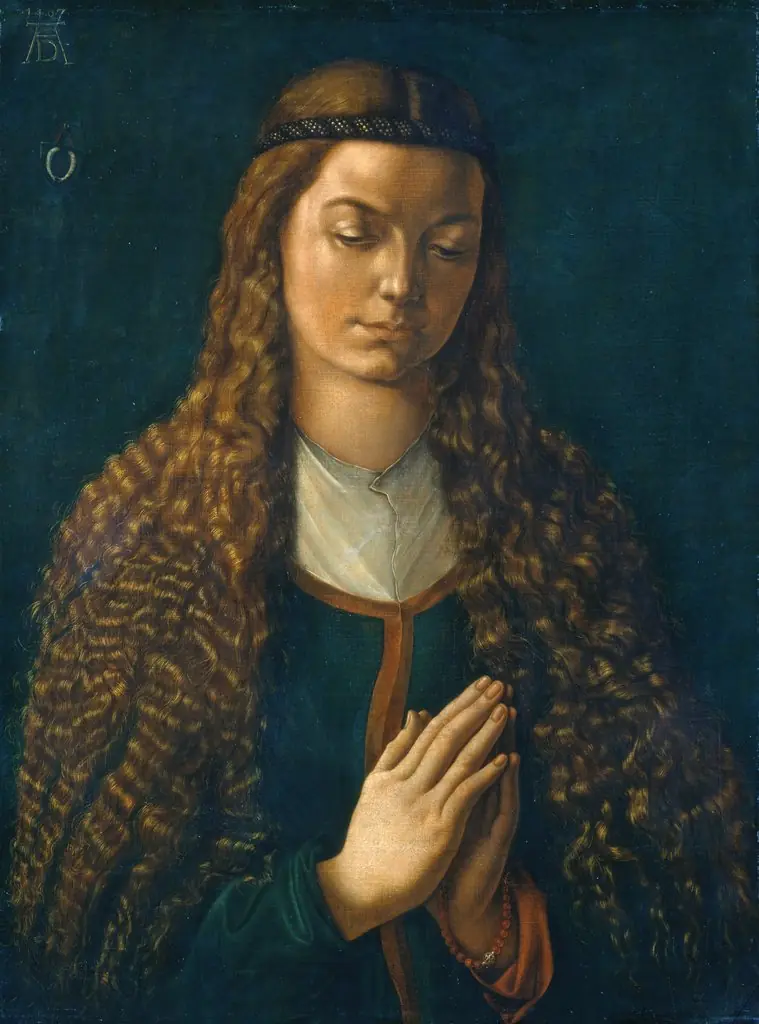 Portrait of a Young Fürleger with Loose Hair
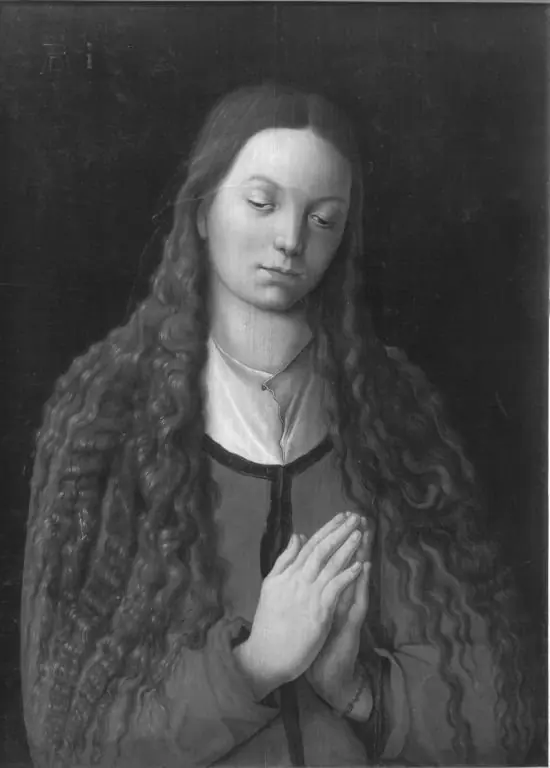 Praying satisfied Virgin
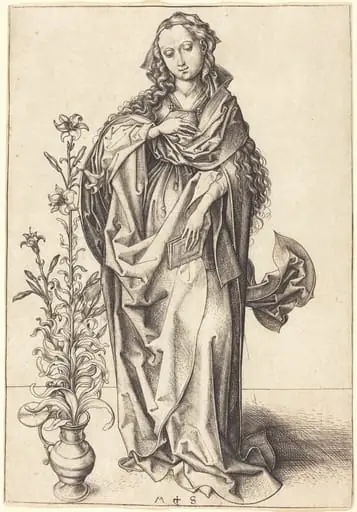 The Madonna
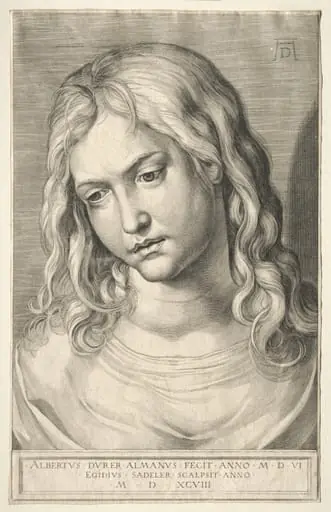 Head of the Young Christ
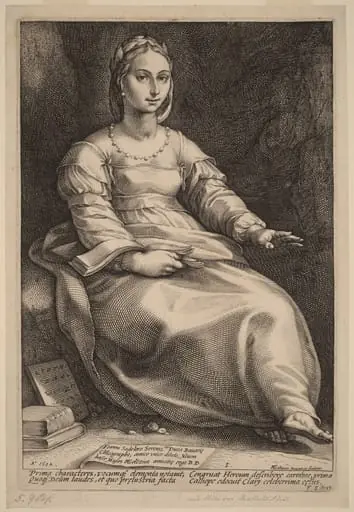 Calliope
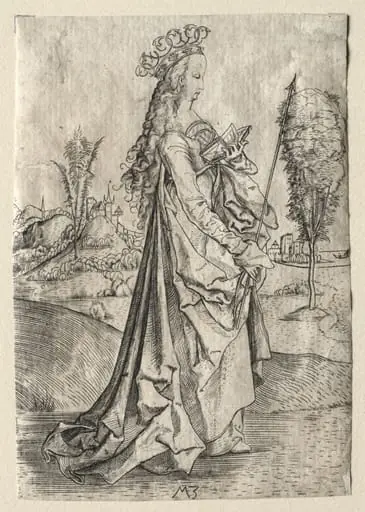 St. Ursula
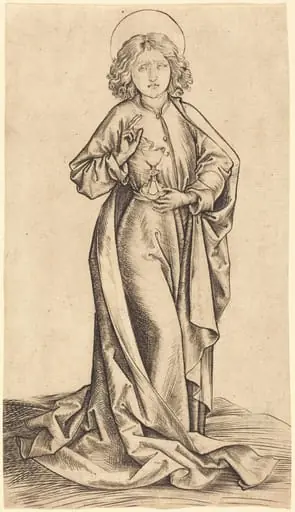 Saint John the Evangelist
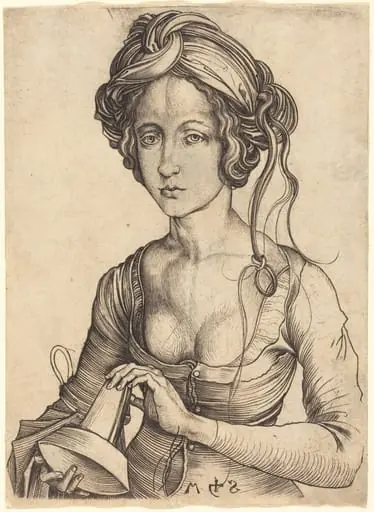 A Foolish Virgin
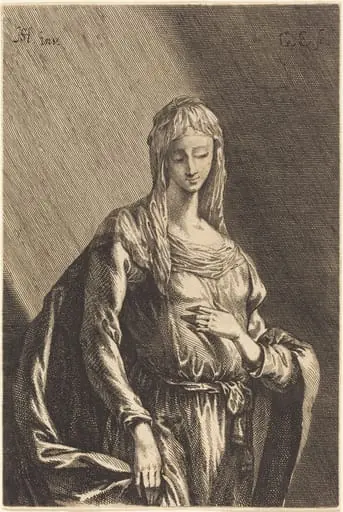 The Virgin
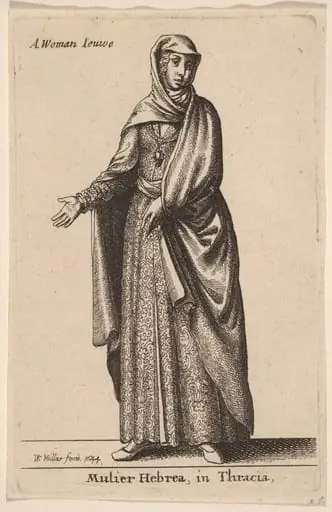 Mulier Hebrea in Tracia
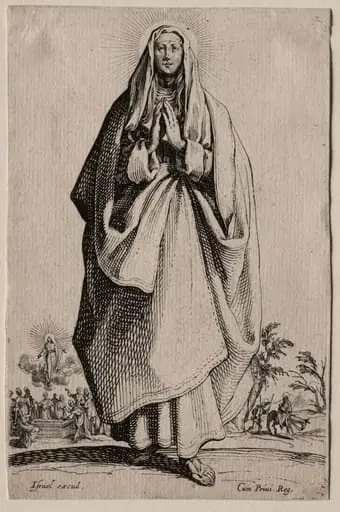 Salvatoris Beatae Mariae Virginis Sanctorum Apostolorum Icones/Les Grands Apôtres (The Large Apostles): La Sainte Vierge (The Holy Virgin)
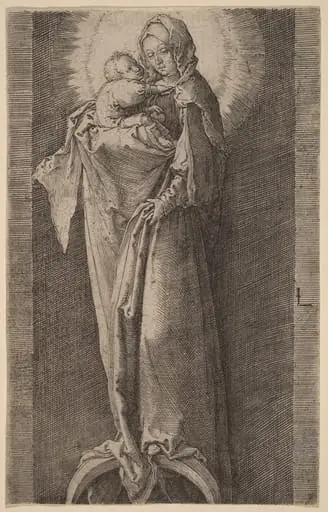 The Virgin in the Niche