Artwork
De zangers
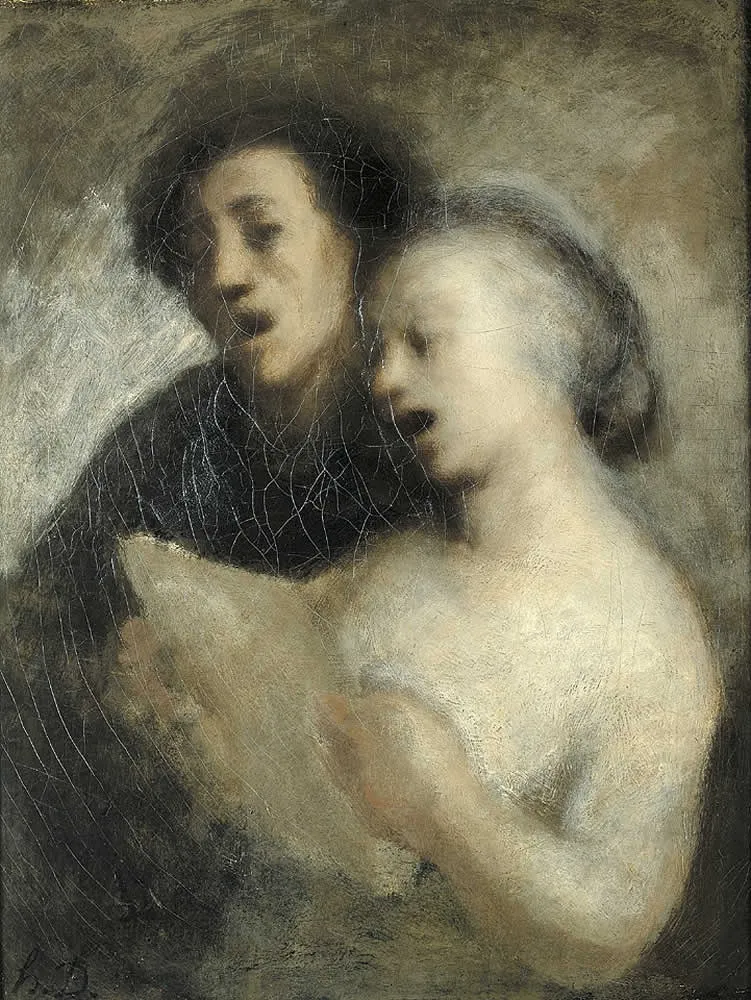
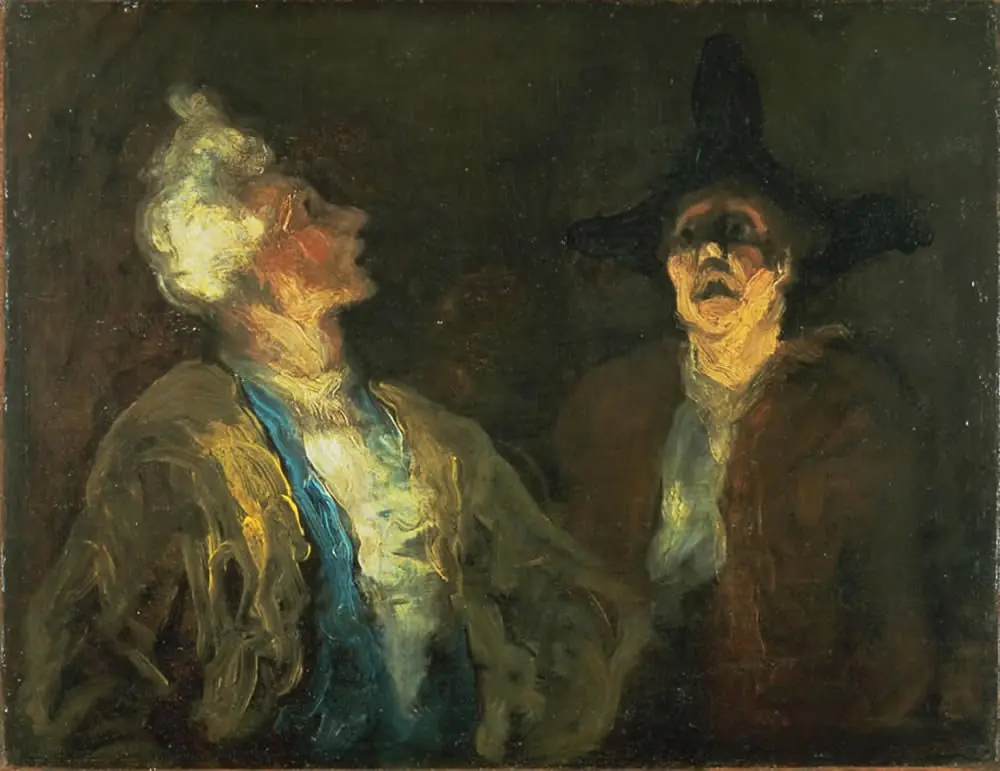
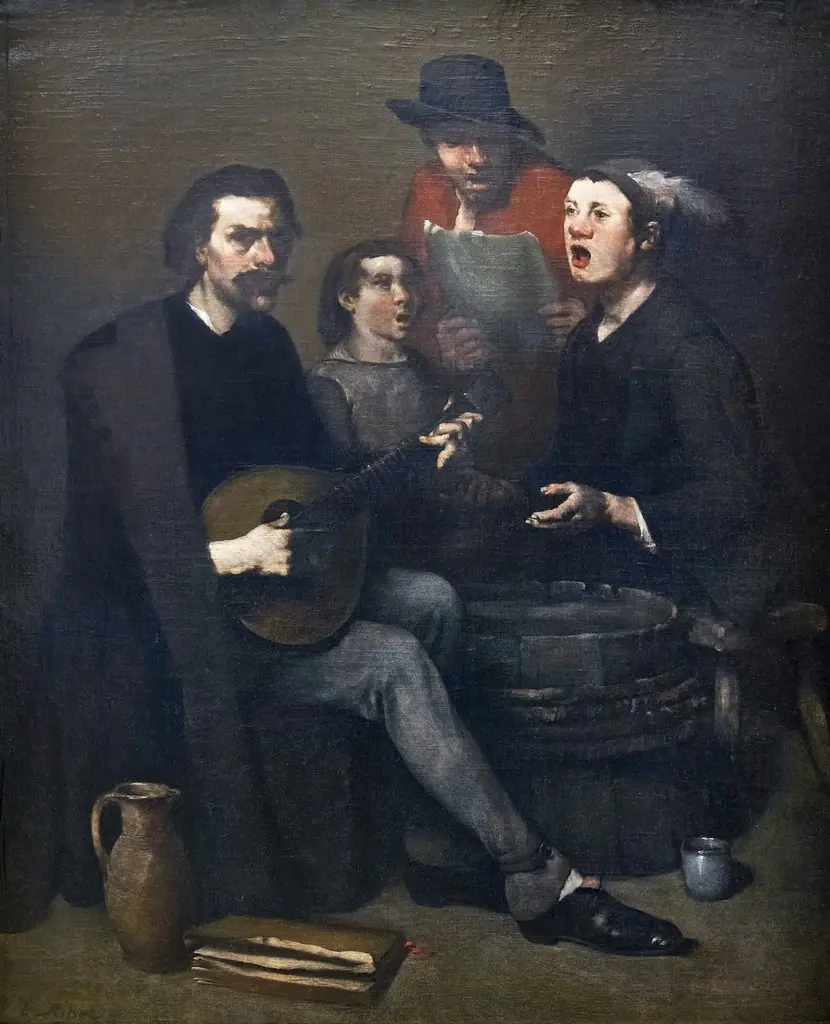
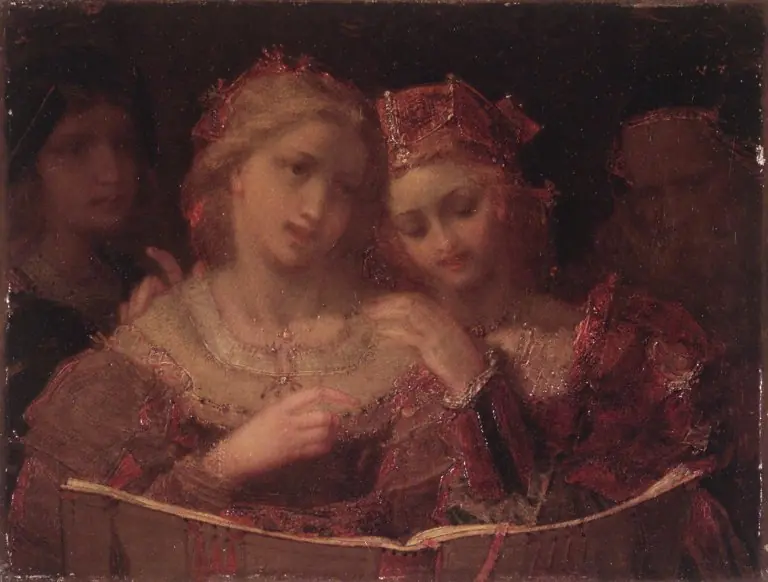
De zangers is an oil painting by the Realist artist Honoré Daumier. It dates from 1853 and is held in the collection of the Rijksmuseum.
About this work
Overview
It depicts two male figures in close proximity, rendered with loose, energetic brushwork that prioritizes movement over detail.
De zangers is an oil painting by Honoré Daumier, dated around 1853. It depicts two male figures in close proximity, rendered with loose, energetic brushwork that prioritizes movement over detail. The work is part of the Rijksmuseum’s collection and exemplifies Daumier’s shift toward expressive, almost impressionistic handling in his later works, moving away from the sharp satire of his earlier caricatures.
Subject & Meaning
The two figures are likely singers, suggested by their posture and the title, which translates to 'The Singers.' Their identities are deliberately obscured—faces are indistinct, bodies merged in shadow. This ambiguity may reflect Daumier’s interest in anonymity and the collective experience of urban performers, emphasizing their role as symbols rather than individuals.
Technique & Style
Daumier applied thick, uneven strokes with a palette knife and brush, creating a tactile, textured surface. The background dissolves into muted grays, while the figures emerge through contrast in tone rather than line. The lack of refined detail and the rough, sketch-like quality suggest spontaneity, aligning the work with emerging modernist tendencies that valued process over polish.
History & Provenance
Painted during Daumier’s mature period, De zangers was likely created after his political caricatures brought him public notoriety and legal trouble. It entered the Rijksmuseum’s collection in the late 19th century, acquired as part of a broader interest in French Realism. Its preservation reflects growing recognition of Daumier’s painterly contributions beyond printmaking.
Context
In the 1850s, Parisian culture saw a rise in public music halls and street performers, subjects Daumier often observed. While contemporaries like Courbet pursued gritty realism, Daumier’s approach here is more atmospheric—less concerned with social commentary than with capturing fleeting presence. The work resonates with early experiments in capturing light and motion outside academic conventions.
Legacy
De zangers anticipates later developments in modern painting, particularly in its emphasis on brushwork and emotional tone over narrative clarity. Though not widely exhibited in his lifetime, it influenced 20th-century artists drawn to expressive abstraction and the emotional potential of unfinished form. Its rawness remains a quiet counterpoint to polished academic traditions.
Artist & collection
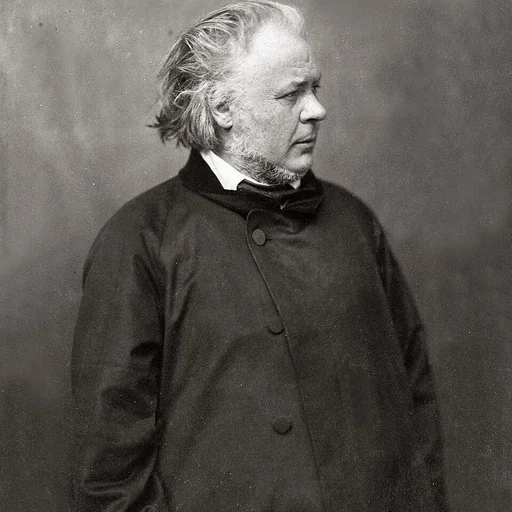
Artist
Honoré-Victorin Daumier was a French painter, sculptor, and printmaker, whose many works offer commentary on the social and political life in France, from the Revolution of 1830 to the fall of the Second French Empire in 1870.