Artwork
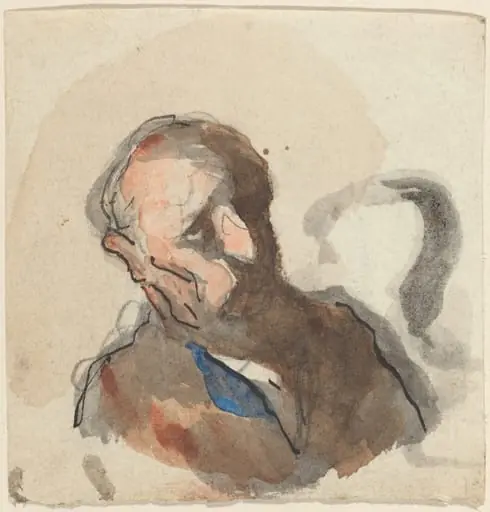
Tête de juge
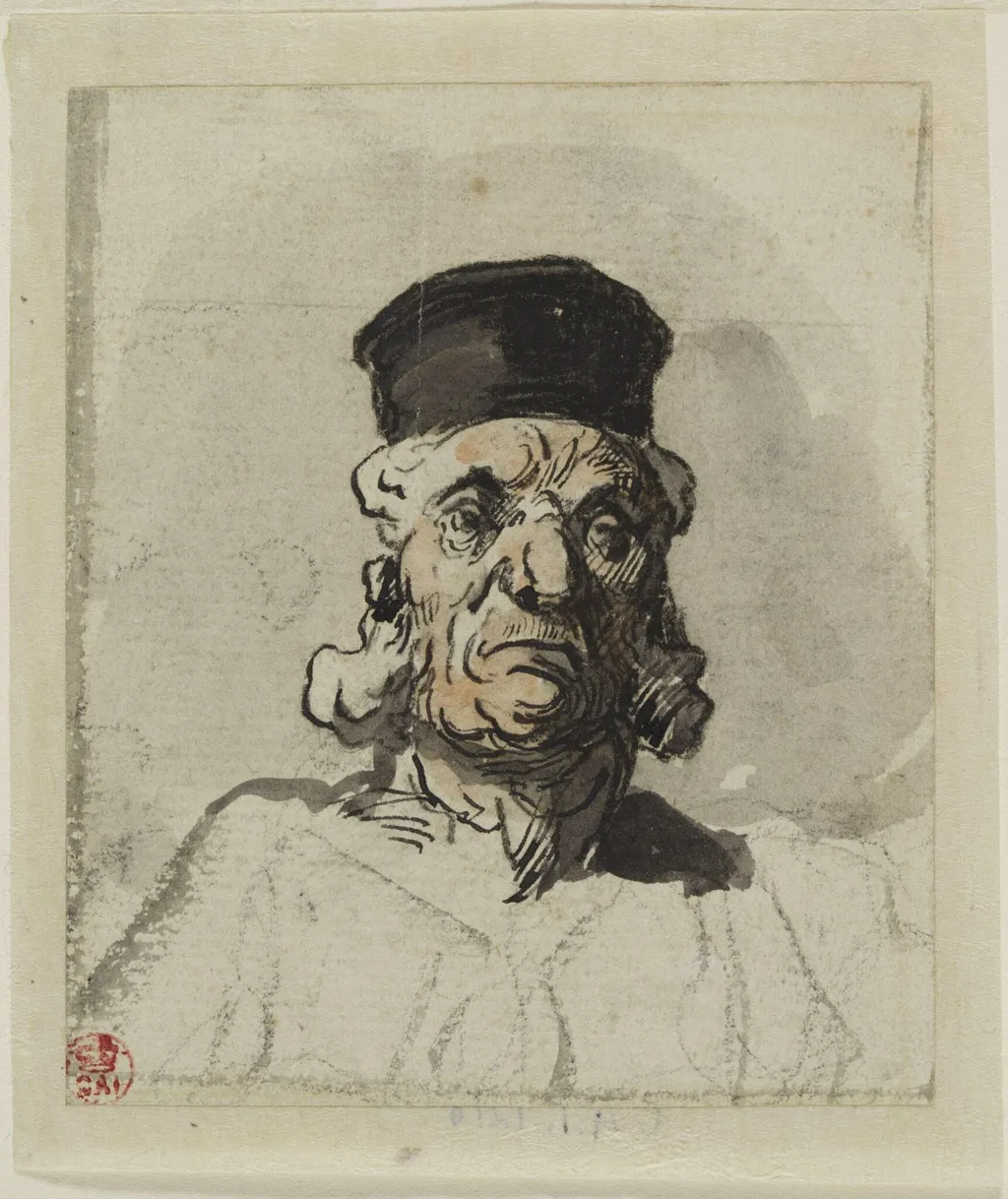
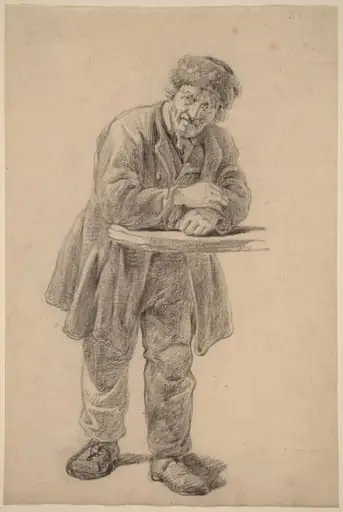
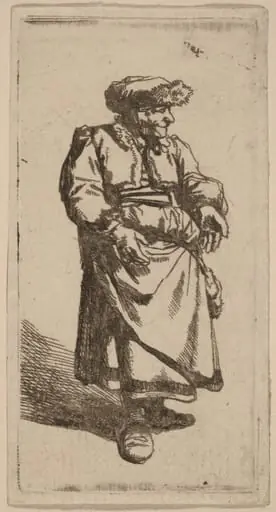
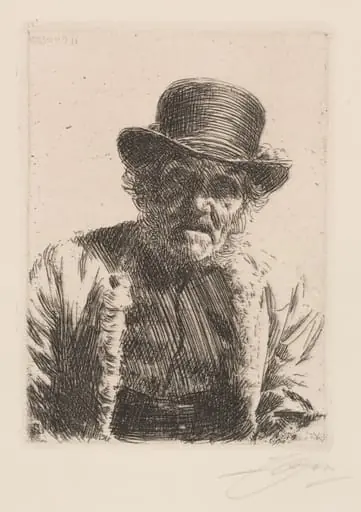
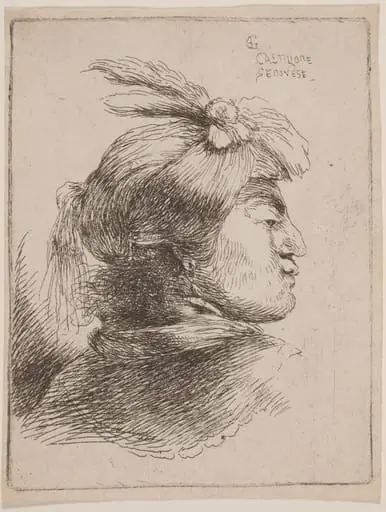
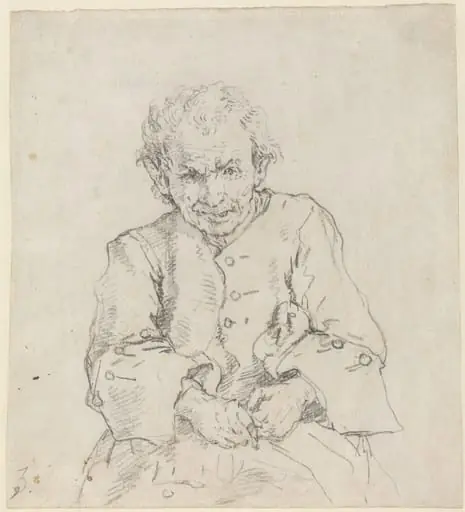
Tête de juge is a drawing by the Impressionist artist Honoré Daumier. It dates from 1854 and is held in the collection of the Victoria and Albert Museum.
About this work
Overview
Tête de juge is a drawing by Honoré Daumier, depicting a barrister in a characteristic style reflective of the artist's fascination with the legal profession.
Subject & Meaning
The subject, a barrister, represents one of many legal figures Daumier caricatured after frequenting law courts post-incarceration for satirizing King Louis-Philippe.
Technique & Style
While specific techniques used in Tête de juge are not detailed here, Daumier's works from this period are known for expressive, often satirical portrayals, suggesting a similar approach in this drawing.
History & Provenance
Created after Daumier's 6-month imprisonment for caricaturing King Louis-Philippe, the drawing's exact date and ownership history are not provided in the available information.
Context
Tête de juge is contextualized by Daumier's post-incarceration observations of legal proceedings, fueling his caricatures of the profession.
Legacy
As part of Daumier's legal-themed works, Tête de juge contributes to the artist's legacy of satirical commentary on 19th-century French society and institutions.
Artist & collection
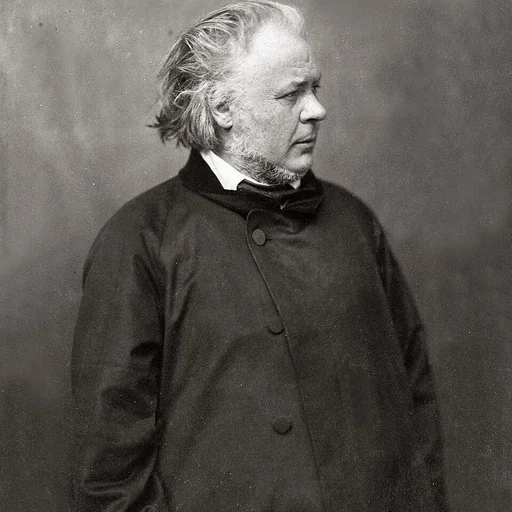
Artist
Honoré-Victorin Daumier was a French painter, sculptor, and printmaker, whose many works offer commentary on the social and political life in France, from the Revolution of 1830 to the fall of the Second French Empire in 1870.