Artwork
Uytrecht Herstelt (The Recapture of Utrecht, 1673)
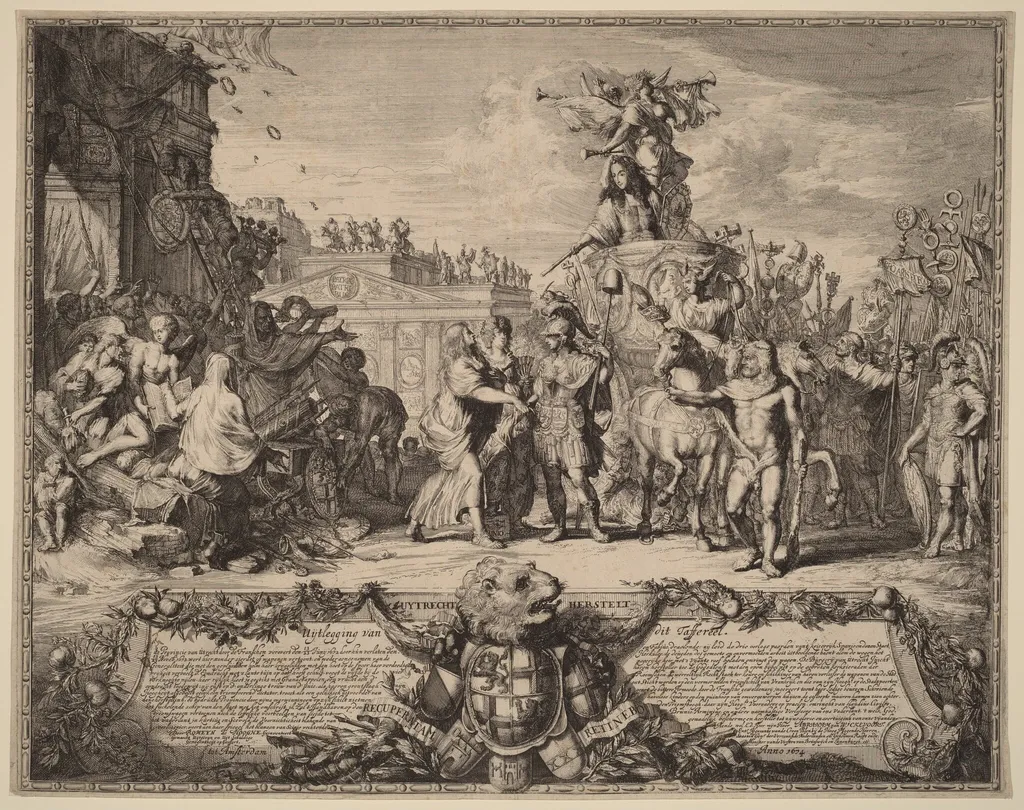
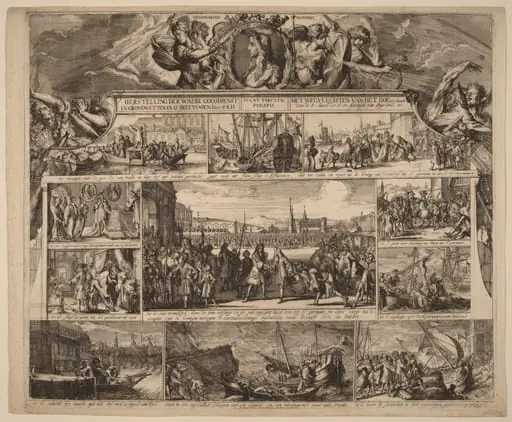
Uytrecht Herstelt (The Recapture of Utrecht, 1673) is an ink print by the Baroque artist Romeyn de Hooghe. It dates from 1674 and is held in the collection of the National Gallery of Art.
About this work
The artist turned history into drama, mixing real soldiers with mythic figures—like the winged warriors—to show victory as something bigger than just a battle.
This print is packed with chaotic action. At the center, soldiers in armor clash with figures in flowing robes, some on horseback. Above them, winged warriors swing swords while a giant pile of weapons and armor smolders in the background. The scene is framed by grand columns and a cityscape, with text wrapping around the bottom like a banner.
The print’s title hints at a real event: the Dutch recapturing Utrecht from French forces in 1673. The artist turned history into drama, mixing real soldiers with mythic figures—like the winged warriors—to show victory as something bigger than just a battle.
If you like dramatic scenes like this, look up etching to see how artists like Hooghe carved these precise lines into metal.
Overview
Romeyn de Hooghe’s print *Uytrecht Herstelt* (The Recapture of Utrecht, 1673) is an etching with engraving on laid paper, executed in 1674. The work records the Dutch forces’ retaking of Utrecht during the Franco‑Dutch War, presenting the episode in a densely populated, narrative composition typical of late‑Baroque printmaking.
Subject & Meaning
The image centers on a tumultuous battlefield where armored soldiers confront figures in flowing robes, some mounted on horses. Above the fray, winged warriors wield swords, while a smoldering heap of arms and armor looms in the distance. By juxtaposing historical troops with mythic beings, Hooghe elevates the military success to a symbolic triumph.
Technique & Style
Combining etching and engraving, the artist achieves fine line work alongside deeper, bolder strokes, allowing intricate detail in the crowded scene. The use of laid paper provides a textured surface that enhances the contrast between light and shadow, while the decorative border of columns and cityscape frames the action and guides the viewer’s eye.
History & Provenance
Created shortly after the 1673 event, the print served both as a visual record and a celebratory propaganda piece. It was likely circulated among Dutch patrons eager for representations of national resilience during the war, though specific ownership histories for surviving copies remain limited.
Context
De Hooghe operated in a period when Dutch printmakers frequently illustrated contemporary conflicts, merging documentary and allegorical elements. The Franco‑Dutch War (1672‑78) prompted a surge of such works, reflecting public interest in military victories and the broader Baroque fascination with dramatic, theatrical scenes.
Artist & collection
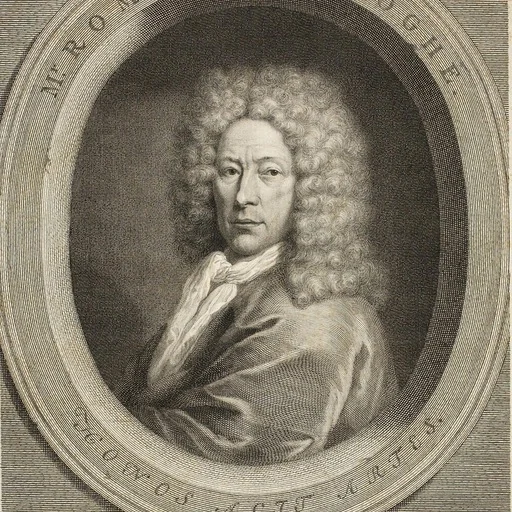
Artist
Romeyn de Hooghe (bapt. 10 September 1645 – 10 June 1708) was a late Dutch Baroque painter, sculptor, engraver and caricaturist.

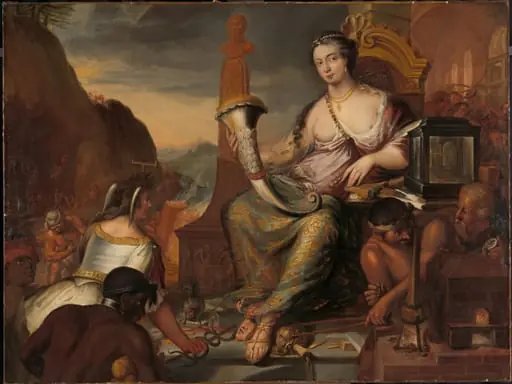
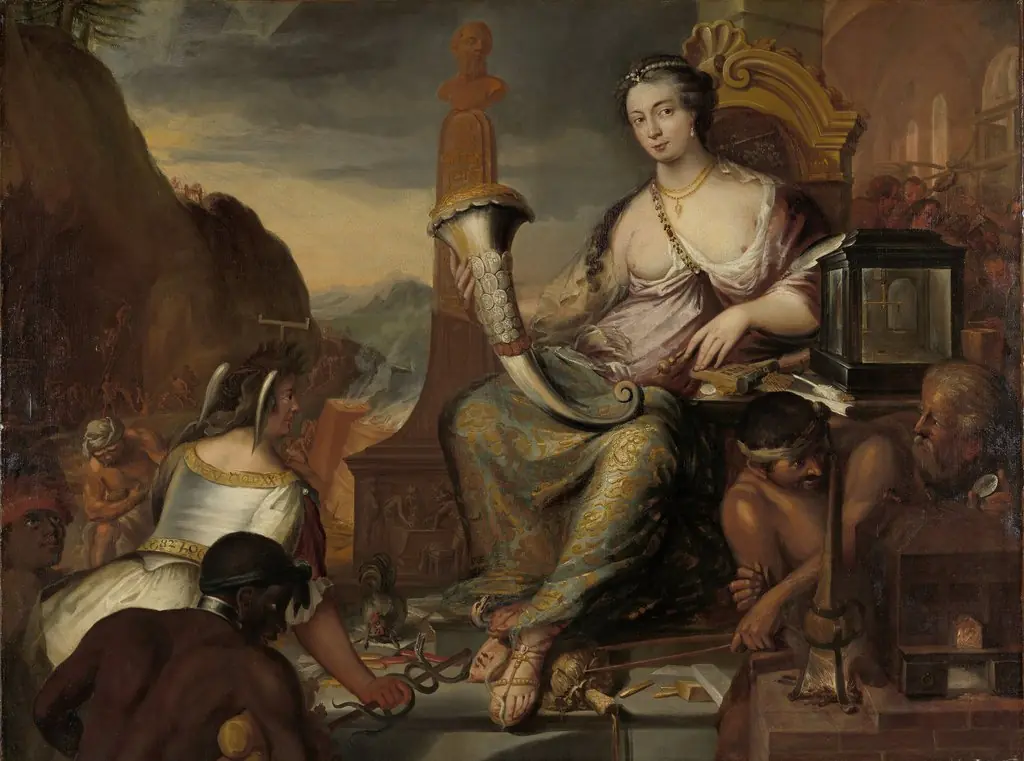
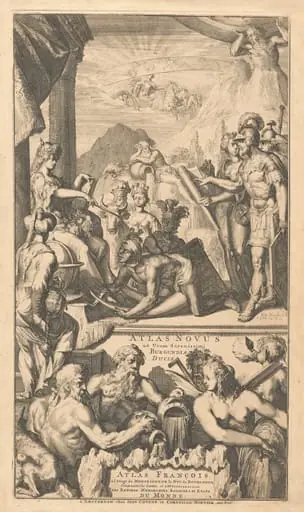
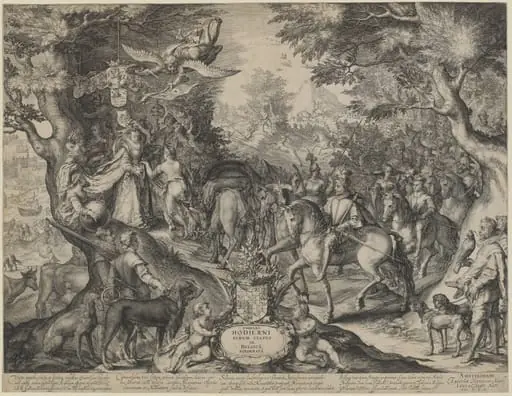 Allegory of Flourishing State of the United Provinces
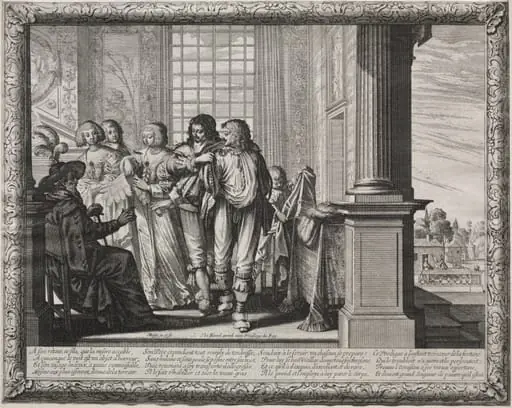 The Prodigal Son: Dressing for the Feast
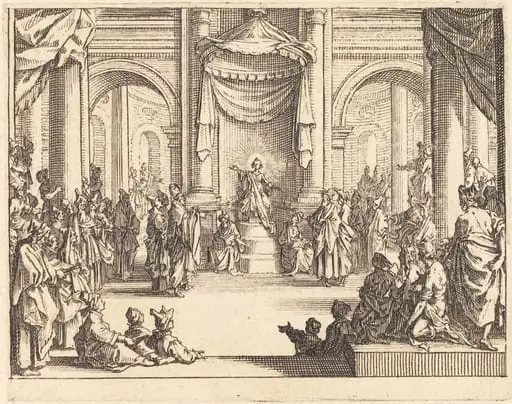 Christ Disputing with the Doctors
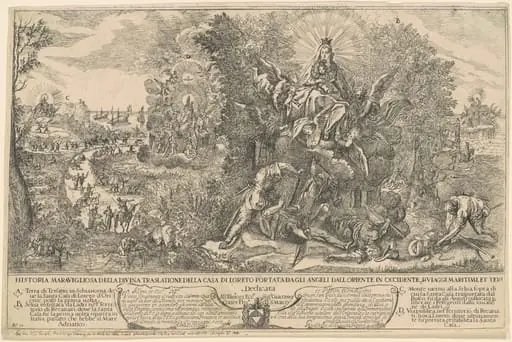 The Transport of the Holy House of Loreto
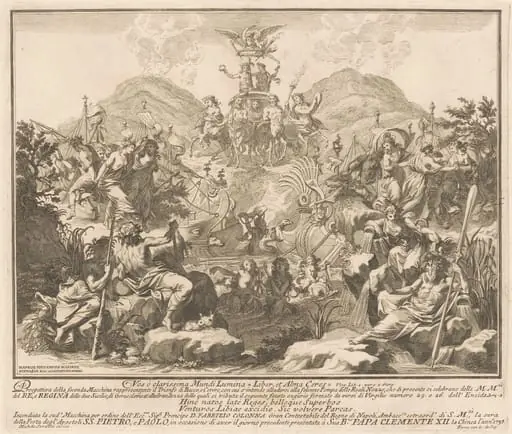 The Seconda Macchina for the Chinea of 1738: The Triumph of Bacchus and Ceres
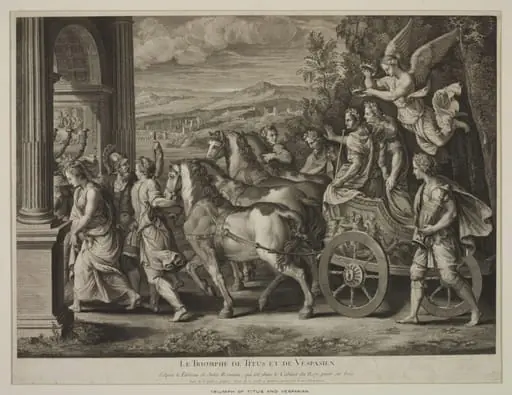 Triumph of Titus and Vespasian
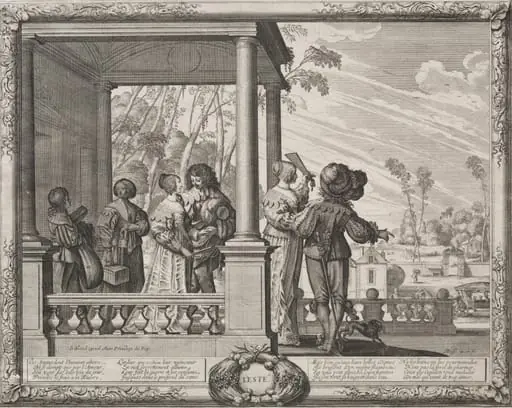 The Four Seasons: Summer
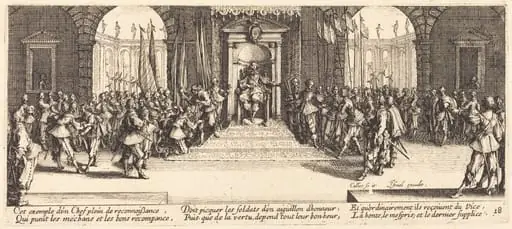 Distribution of Rewards
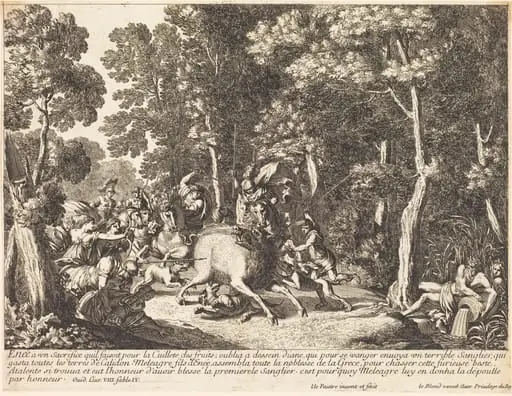 Atlanta and Meleager Hunting the Boar of Calydon
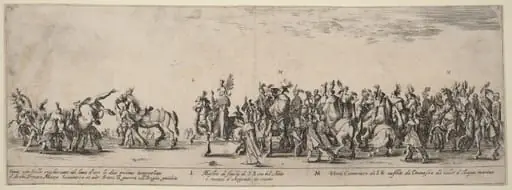 Master of His Excellency's Stables and Twenty Servants
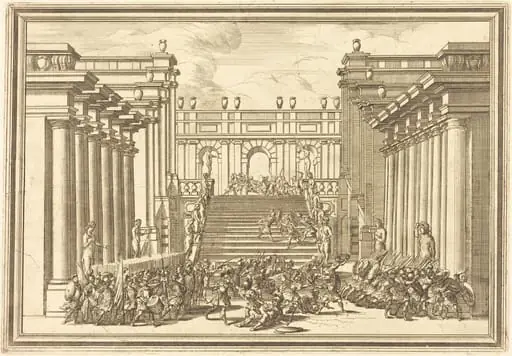 Il Greco in Troia: Plate 3