Artwork
Allegory of coinage
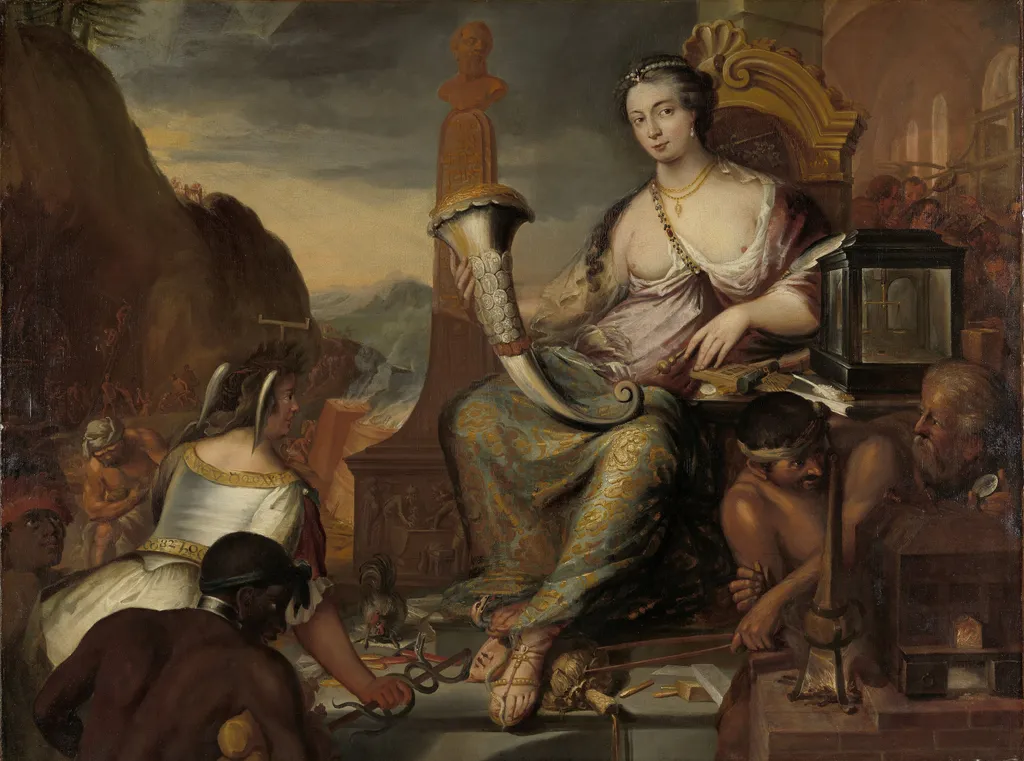
Allegory of coinage is an oil painting by Romeyn de Hooghe. It dates from 1695 and is held in the collection of the Rijksmuseum.
About this work
Overview
Created in 1695 by Romeyn de Hooghe, *Allegory of Coinage* is an oil painting that personifies the concept of currency through a symbolic female figure.
Created in 1695 by Romeyn de Hooghe, *Allegory of Coinage* is an oil painting that personifies the concept of currency through a symbolic female figure. De Hooghe, active across multiple visual media, employed traditional allegorical methods to convey economic themes. The work resides in the Rijksmuseum’s collection, reflecting its significance in Dutch Golden Age visual culture. Its composition centers on authority, labor, and the material foundations of trade.
Subject & Meaning
The central figure, a woman seated on a throne, embodies the abstract notion of coinage. She holds a cornucopia filled with coins, symbolizing abundance derived from monetary systems. Flanking her are two male figures—one bare-chested, suggesting labor, the other engaged with tools, representing craftsmanship. The mountainous backdrop and cloudy sky evoke natural resources and the unpredictable forces shaping economic life. Together, they frame coinage as both a human invention and a force tied to nature and toil.
Technique & Style
De Hooghe rendered the scene using oil paint with careful attention to texture and light, likely employing glazing to achieve luminous skin tones and rich fabric surfaces. The pink and gold-trimmed dress of the central figure contrasts with the muted tones of the background, drawing focus to her symbolic role. The figures are rendered with precise anatomical detail, while the landscape recedes with atmospheric perspective, reinforcing the painting’s narrative hierarchy and spatial depth.
History & Provenance
Painted in 1695, the work entered the Rijksmuseum’s collection in the 19th century, following the museum’s consolidation of Dutch artistic heritage. Its survival through centuries suggests it was valued as a civic or institutional commission, possibly linked to Amsterdam’s financial institutions. No records indicate private ownership prior to its museum acquisition, implying it may have been intended for public or official display from its inception.
Context
In late 17th-century Holland, coinage and banking were central to the Republic’s global trade dominance. This painting reflects a cultural moment when economic systems were increasingly visualized as moral and civic institutions. De Hooghe’s allegory aligns with broader trends in Dutch art that personified abstract concepts—justice, commerce, time—to legitimize and explain societal structures through imagery accessible to a literate, mercantile public.
Legacy
Though not widely reproduced, *Allegory of Coinage* remains a rare example of Dutch Baroque economic allegory in painting, distinct from the more common prints of the era. It contributes to the understanding of how visual culture in the Netherlands interpreted financial systems as moral and civic endeavors. Its preservation in the Rijksmuseum ensures continued study of how art mediated public understanding of money during a pivotal era in economic history.
Own this work as a print
Artist & collection
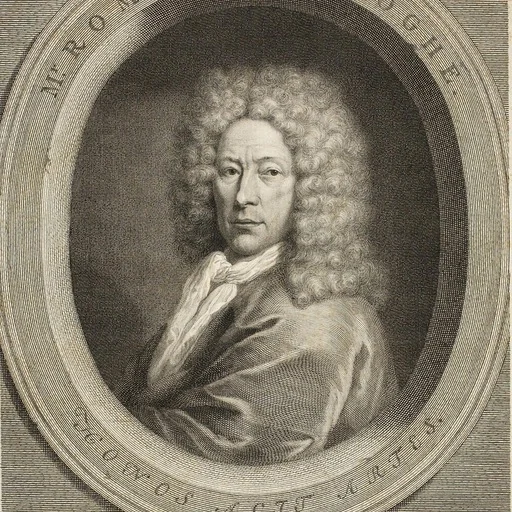
Artist
Romeyn de Hooghe (bapt. 10 September 1645 – 10 June 1708) was a late Dutch Baroque painter, sculptor, engraver and caricaturist.

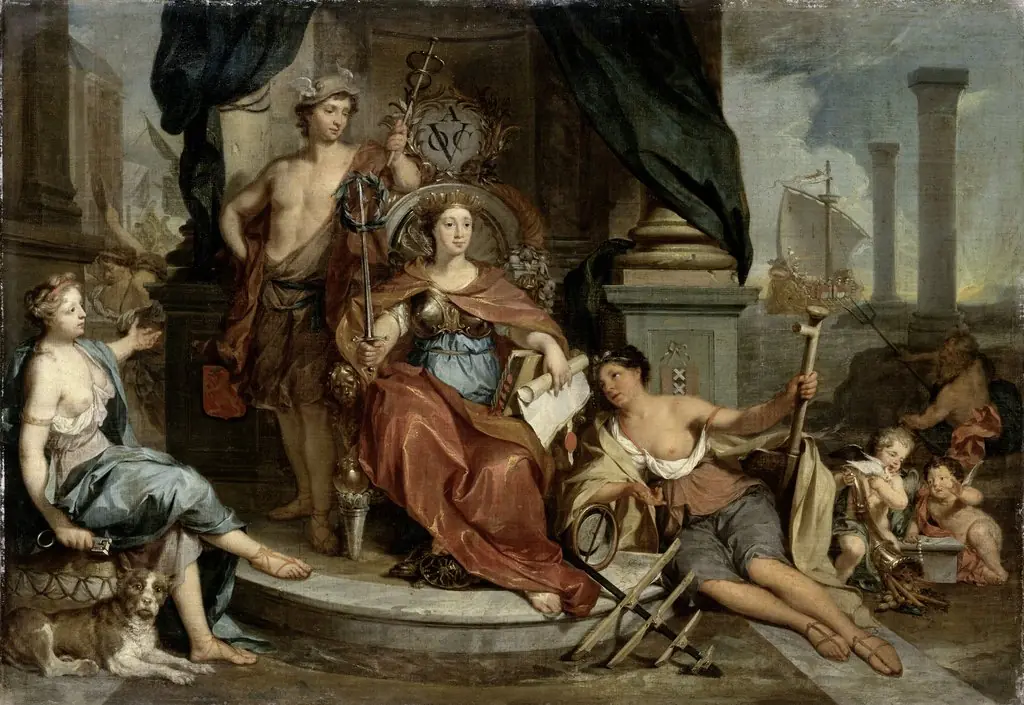 Apotheosis of the Dutch East India Company (Allegory of the Amsterdam Chamber of Commerce of the VOC)
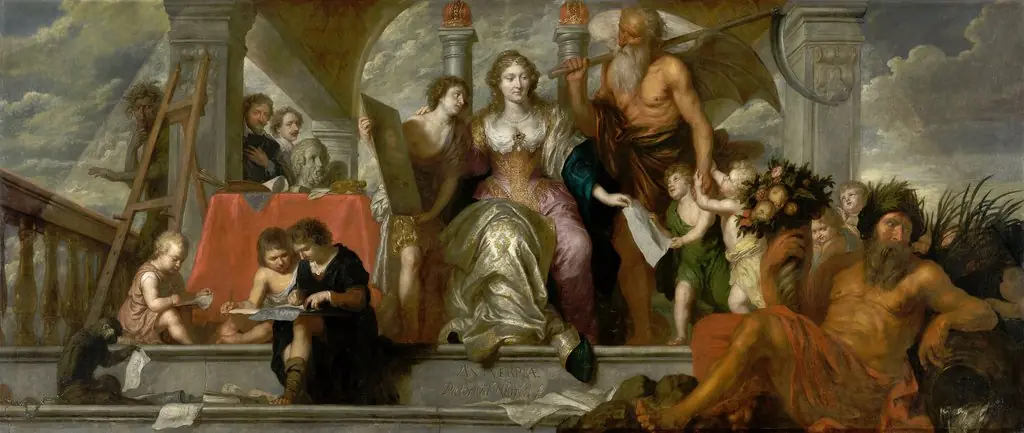 Antwerp, Nourishing the Painters
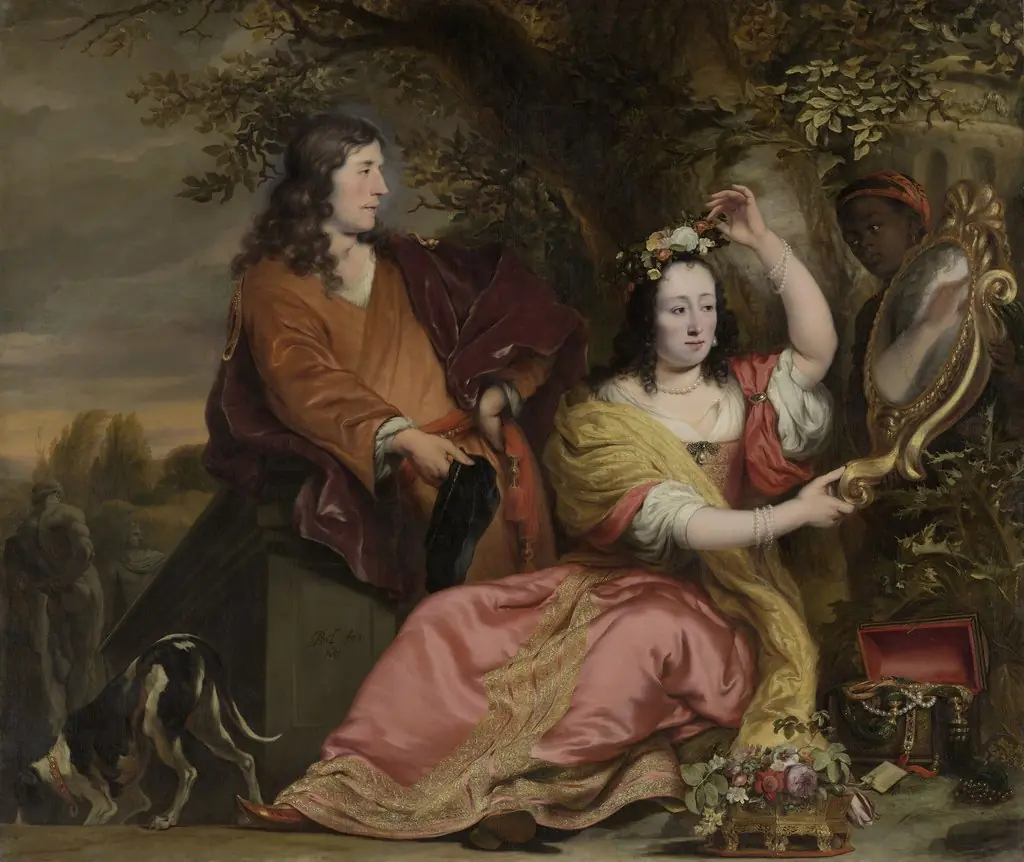 Double portrait of Jan van der Voort (1626-1678) and his sister Catharina van der Voort (1622-1674), with a servant
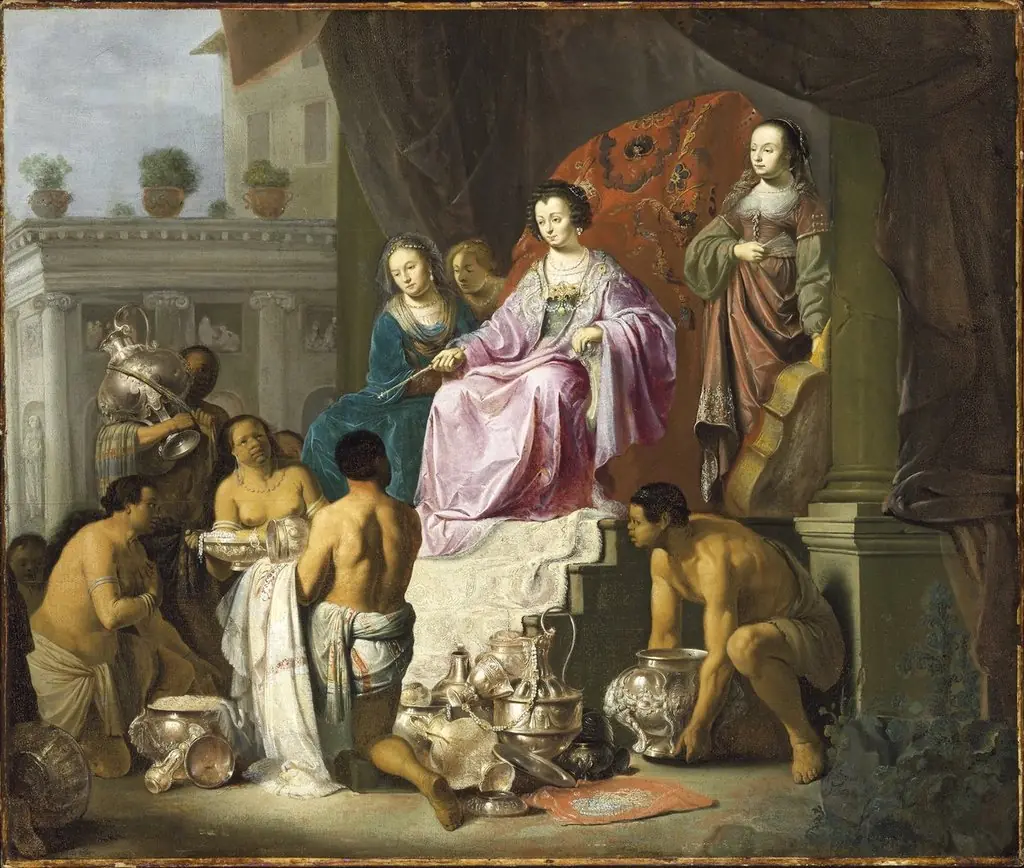 Allegory of Colonial Power
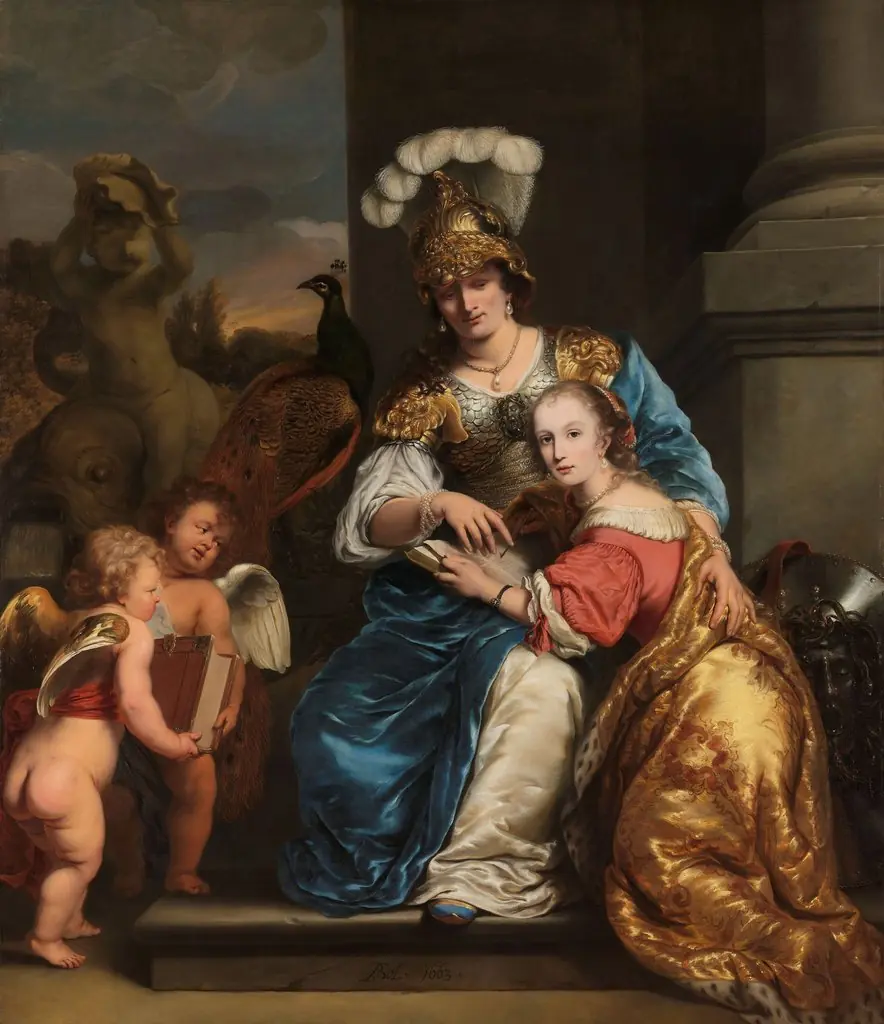 Margarita Trip as Minerva, Instructing her Sister Anna Maria Trip
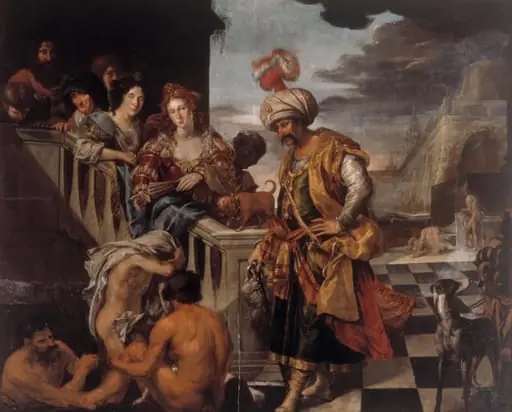 Bathing in an Oriental Harbour
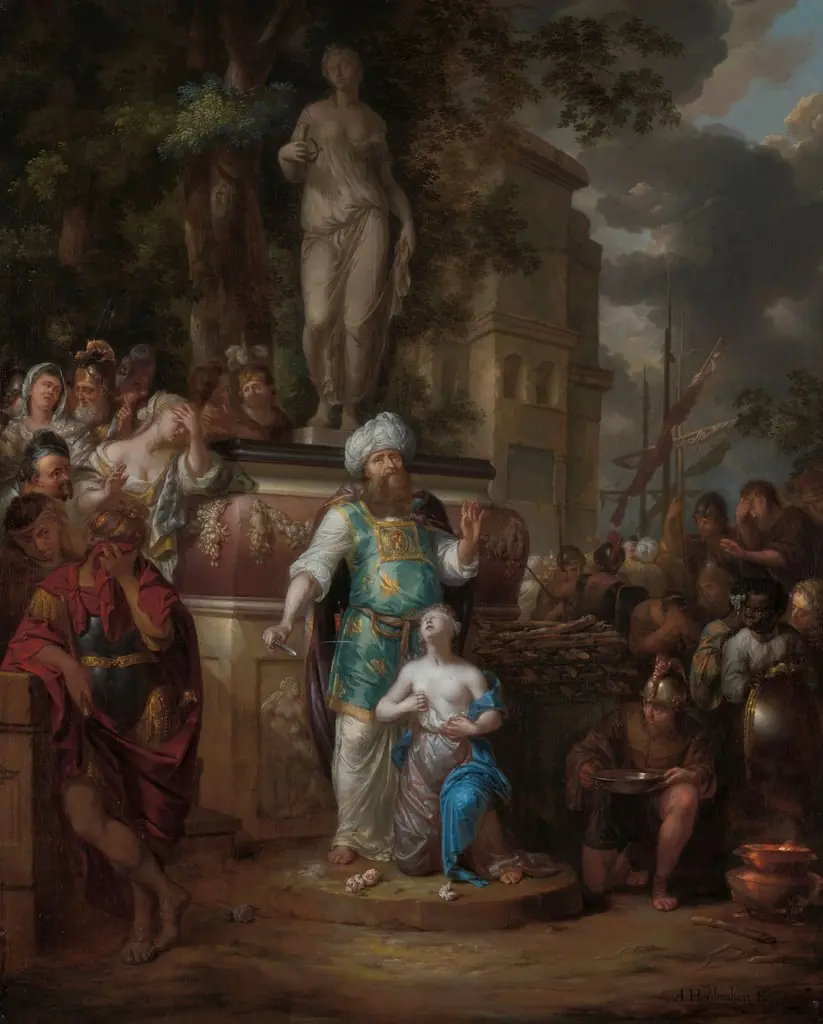 Sacrifice of Iphigenia
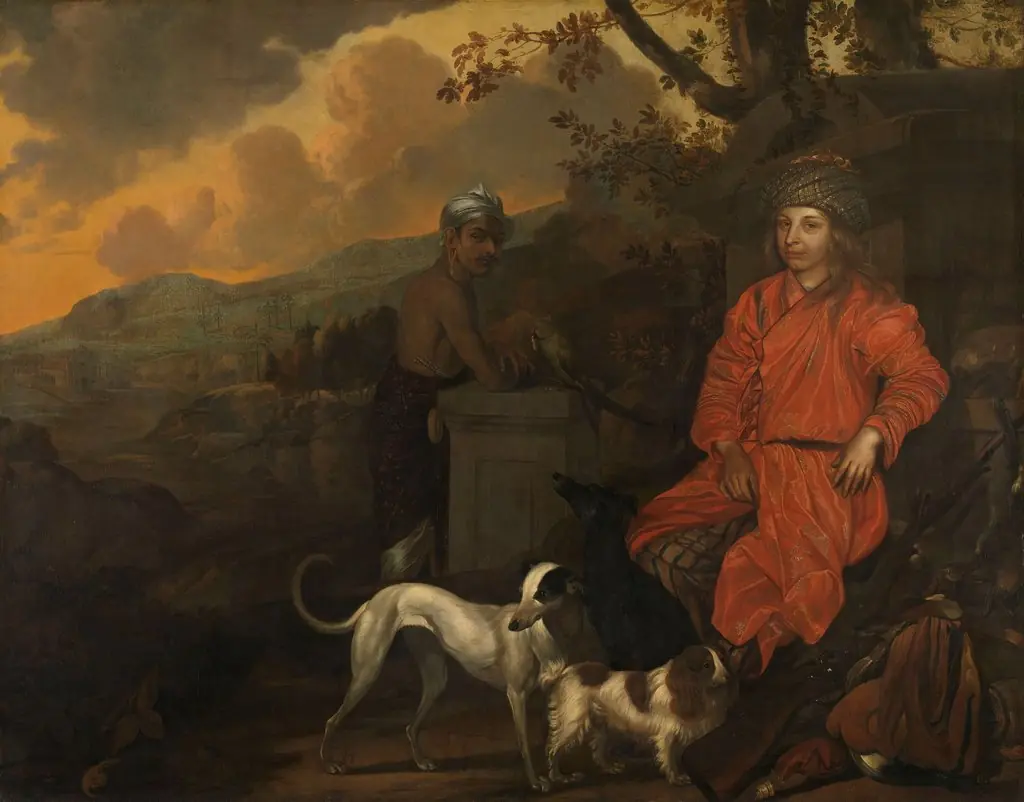 Portrait of Philippus Baldaeus and Gerrit Mossopotam
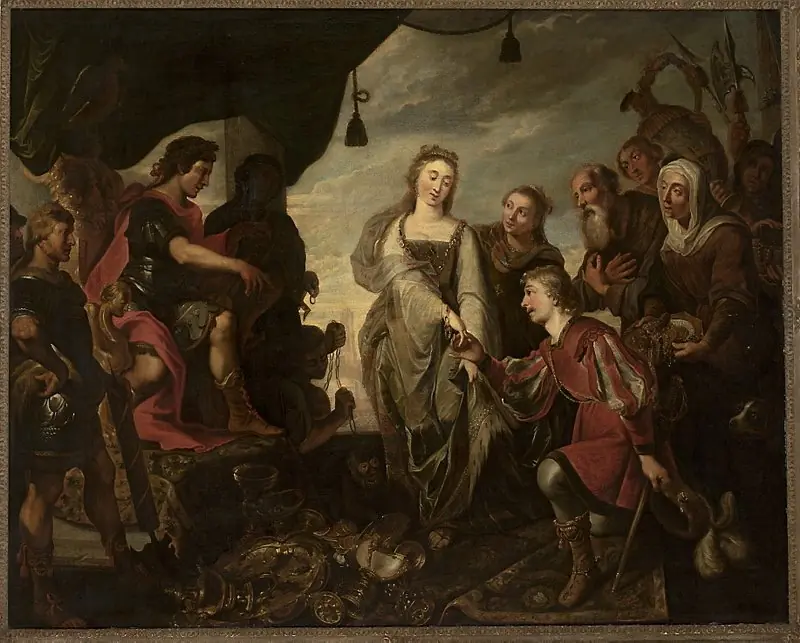 Magnanimity of Scipio (Titus Livius XXVI; 50)
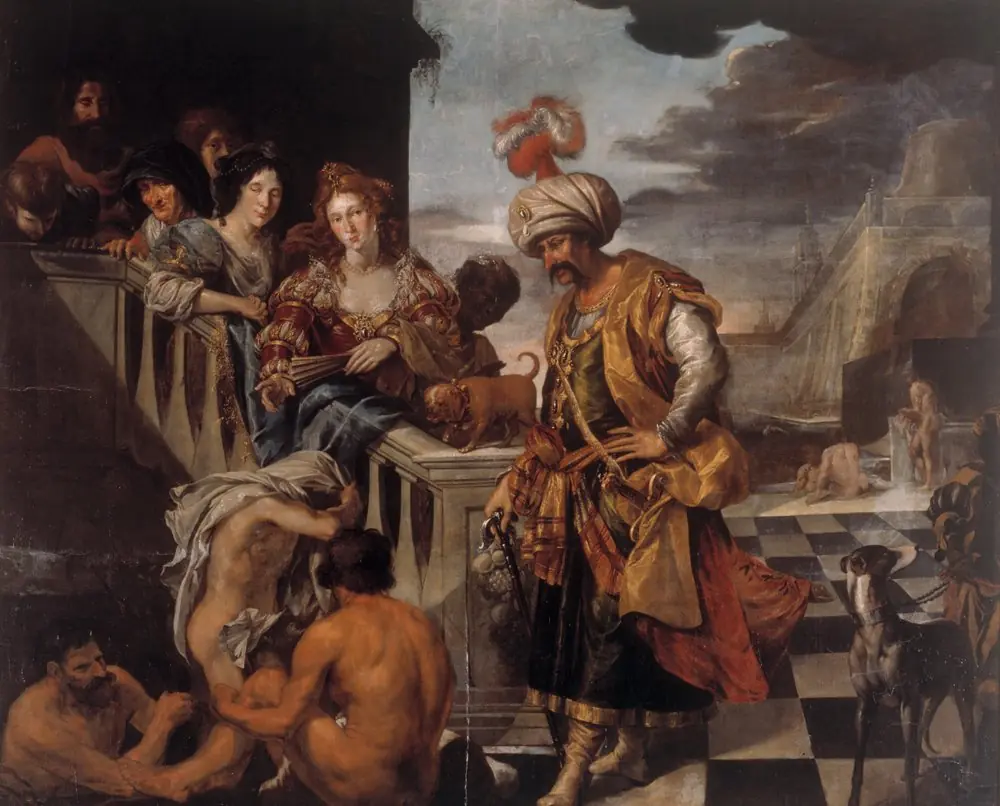 Bathing in an Oriental Harbour
 Portrait of Philippus Baldaeus and Gerrit Mossopotam