Artwork
Judith and Holofernes
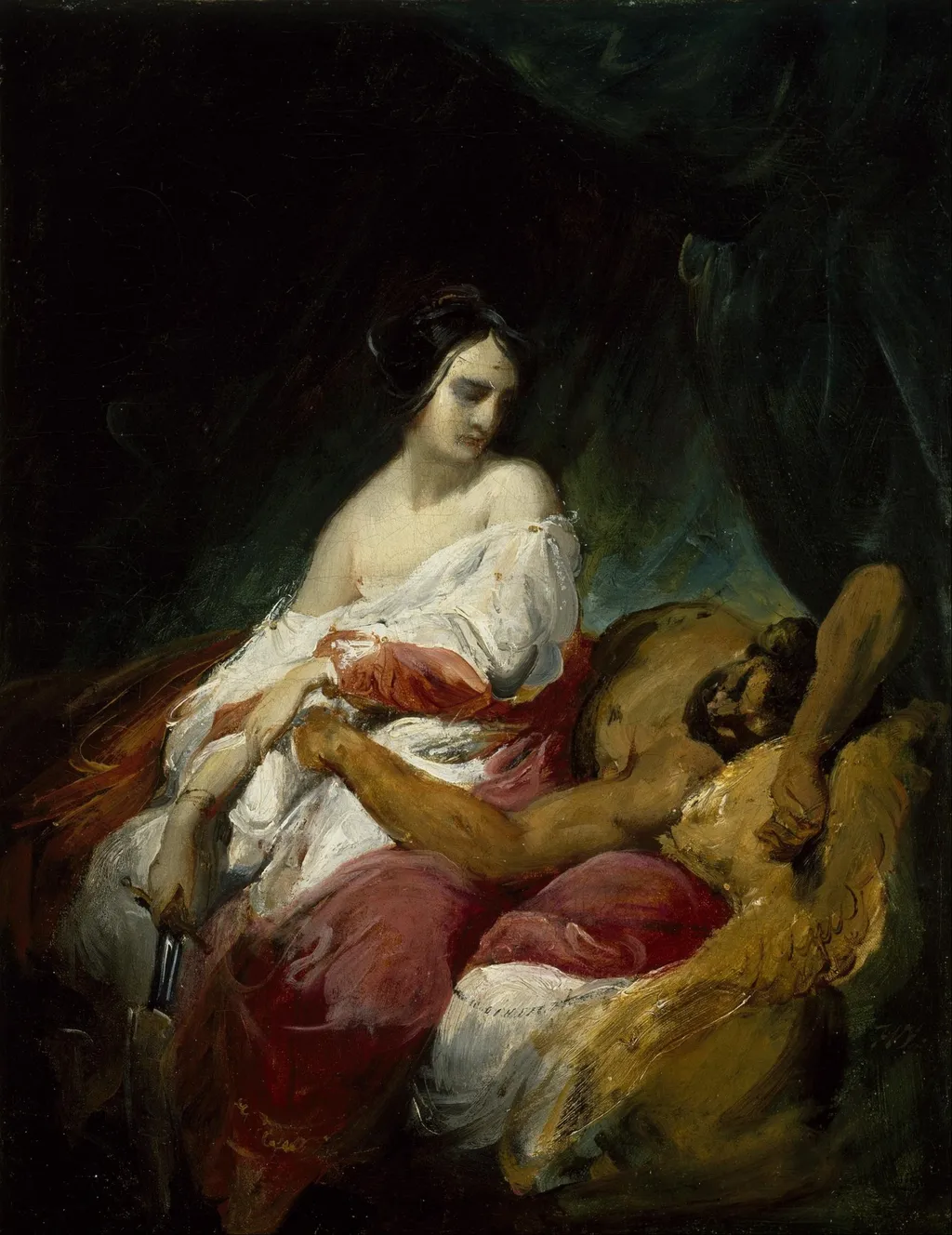
Judith and Holofernes is an oil painting by the French Romanticist artist Horace Vernet. It dates from 1828 and is held in the collection of the Museum of Fine Arts, Houston.
About this work
Overview
Judith and Holofernes is an 1828 oil painting by Horace Vernet, executed during the French Romantic period. It belongs to the religious genre, deviating from the artist's more common themes of battle scenes, portraiture, and Orientalist subjects.
Subject & Meaning
The work illustrates a pivotal moment from the biblical narrative of Judith, where she beheads the Assyrian general Holofernes, symbolizing courage and divine intervention in the face of overwhelming odds.
Technique & Style
While specific technical details of the painting are not highlighted, it is characteristic of Vernet's broader oeuvre, which often blended meticulous detail with the expressive emotionalism of Romanticism, though the extent of these elements in Judith and Holofernes is not specified.
History & Provenance
Created in 1828, the painting is part of the collection at the Museum of Fine Arts, Houston, indicating its recognized value within the realm of 19th-century French art.
Context
Emerging from the French Romantic period, the painting reflects the era's emphasis on emotion, drama, and historical/biblical themes, yet stands out in Vernet's catalog for its religious subject matter.
Legacy
As a work by a prominent figure of French Romanticism, Judith and Holofernes contributes to the broader understanding of the period's artistic explorations, though its specific impact or influence on subsequent art movements is not detailed.
Own this work as a print
Artist & collection
Artist
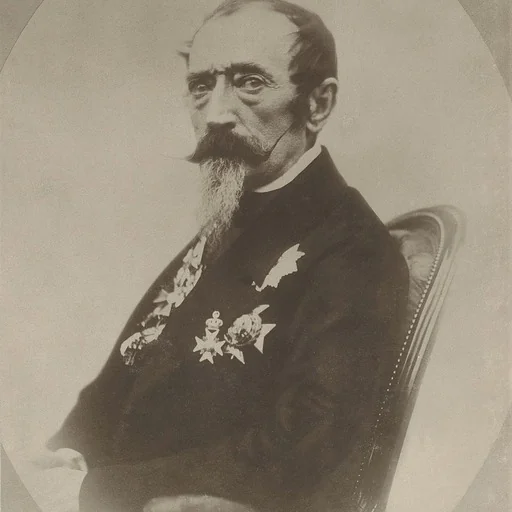
Émile Jean-Horace Vernet (French pronunciation: ; 30 June 1789 – 17 January 1863), better known as Horace Vernet, was a French painter of battles, portraits, and Orientalist subjects.

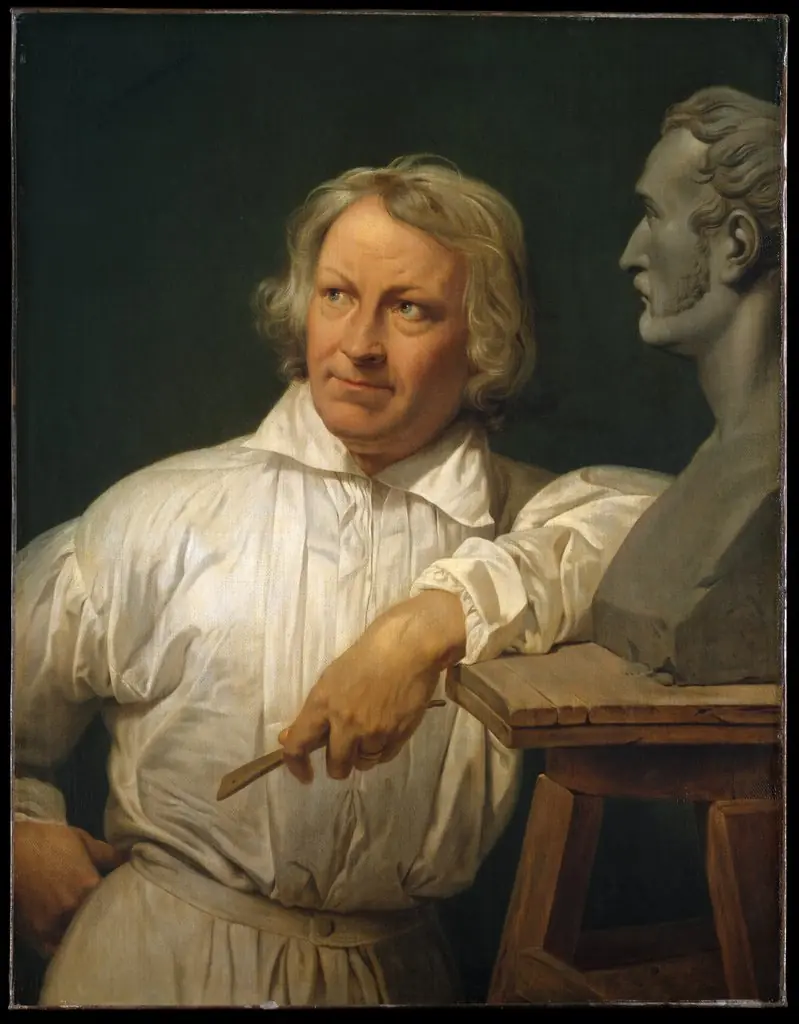 Bertel Thorvaldsen (1768–1844) with the Bust of Horace Vernet
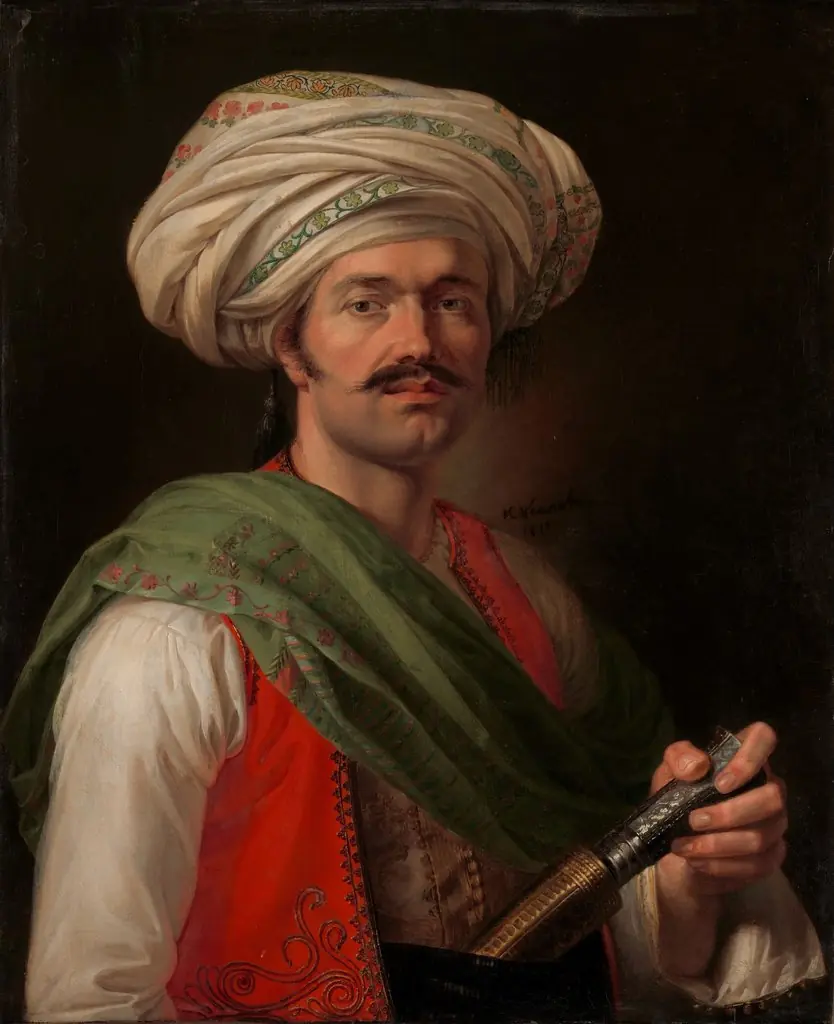 Portrait of a Mameluke, said to be Roustam Raza
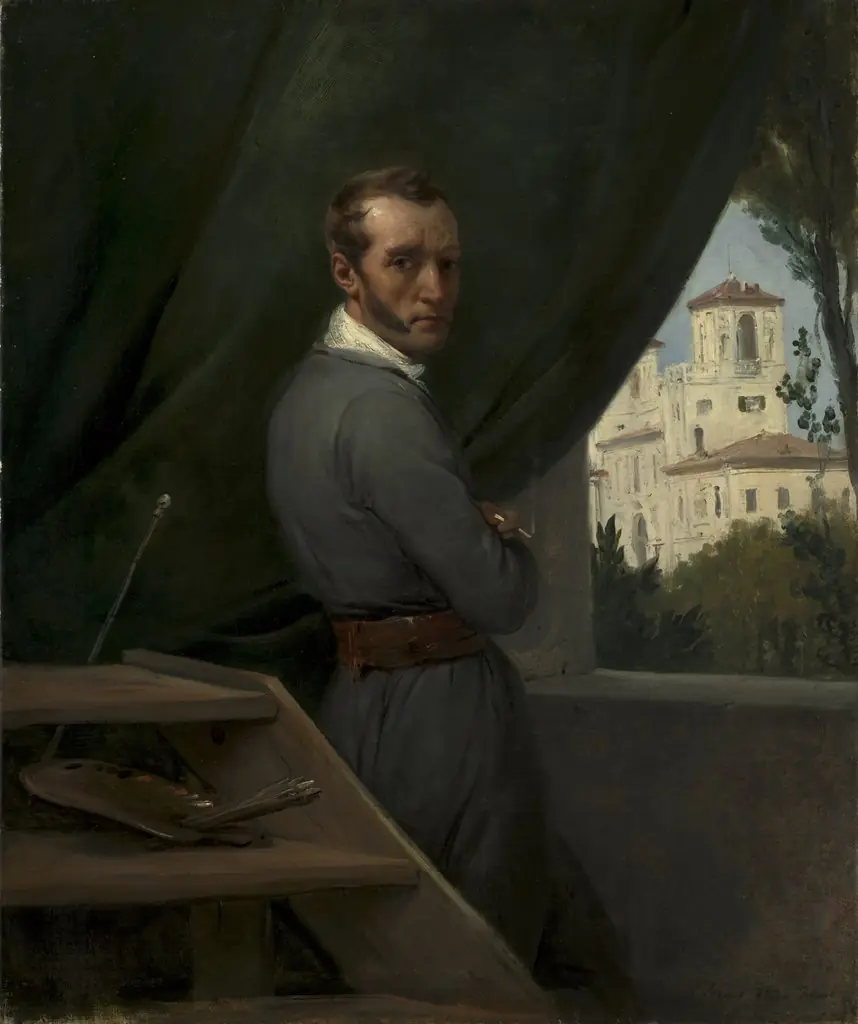 Self-Portrait in Rome
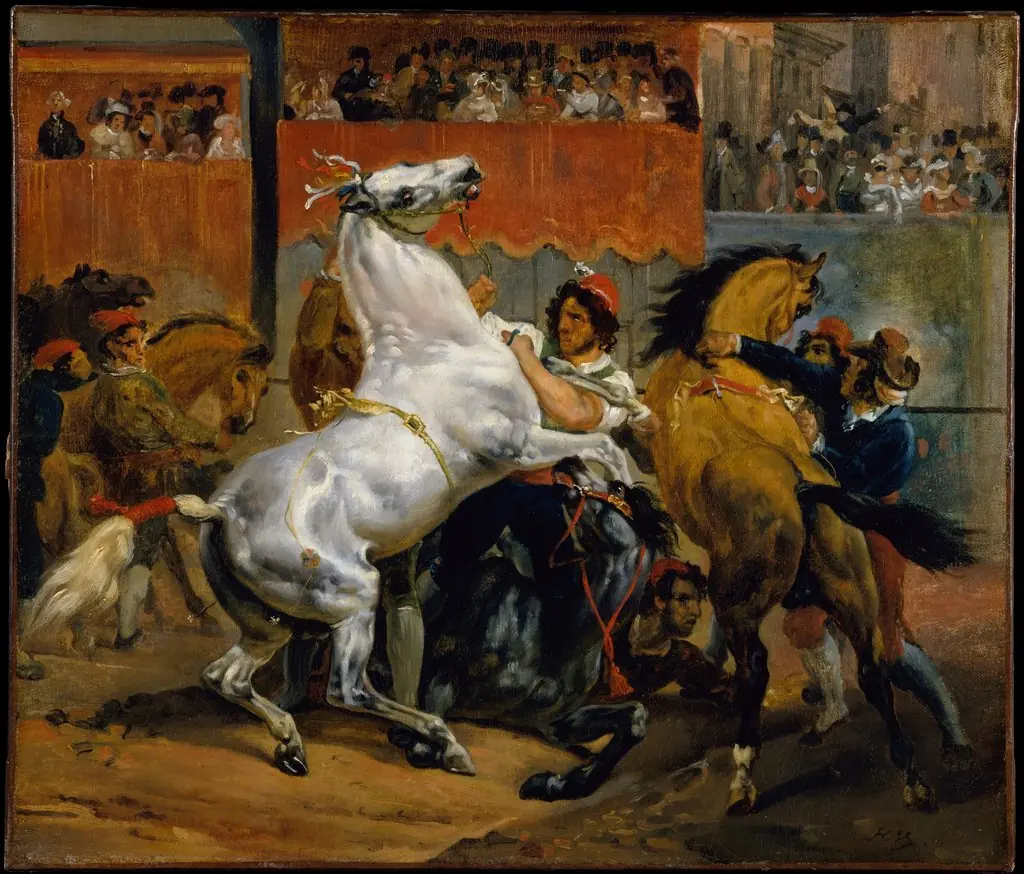 The Start of the Race of the Riderless Horses
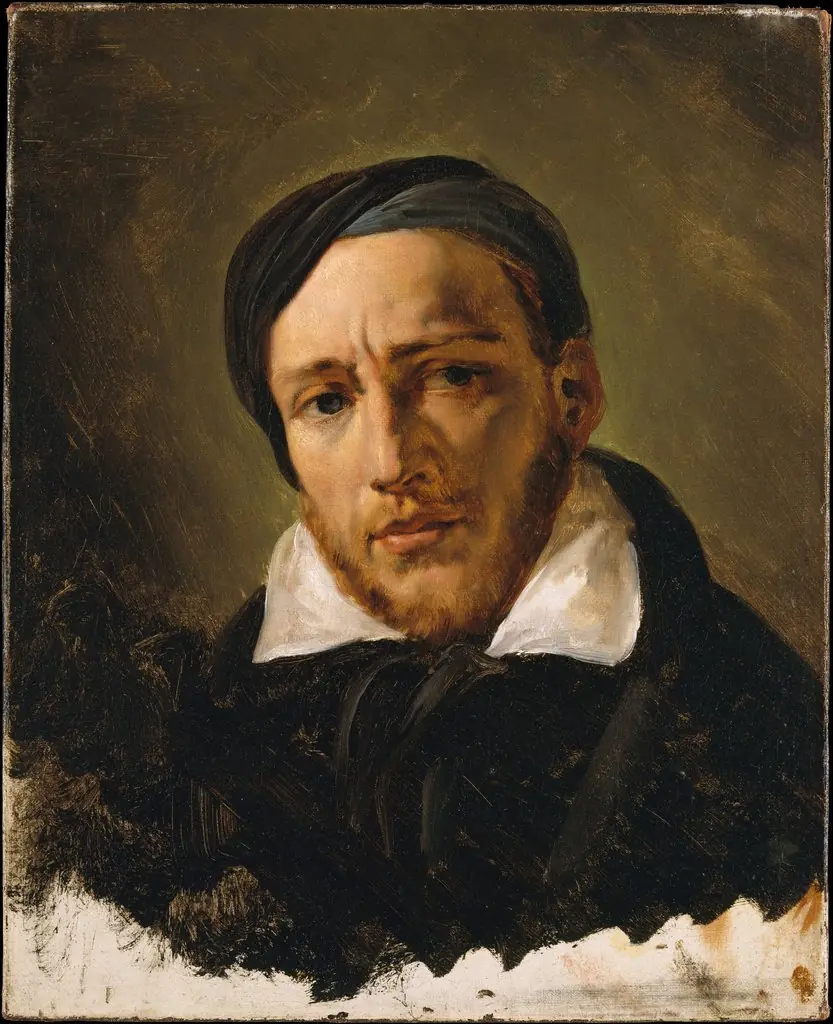 Jean-Louis-André-Théodore Gericault (1791–1824)
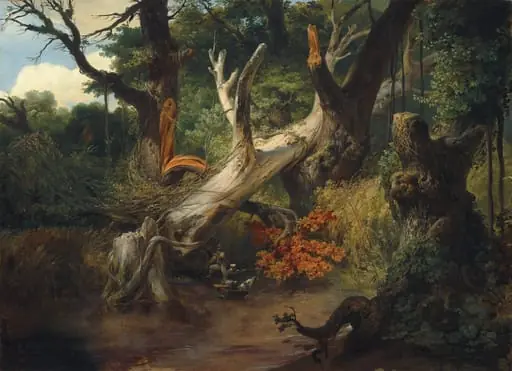 Hunting in the Pontine Marshes
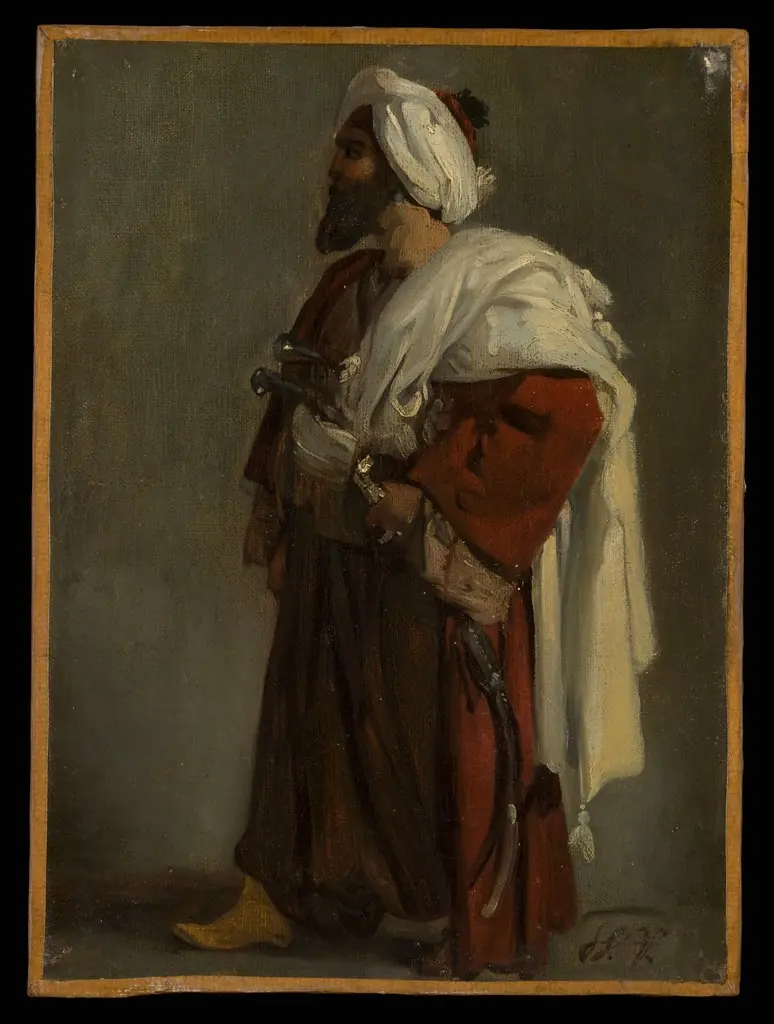 Arab Warrior
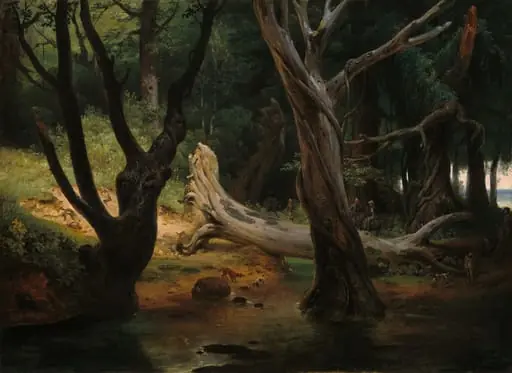 Departure for the Hunt in the Pontine Marshes
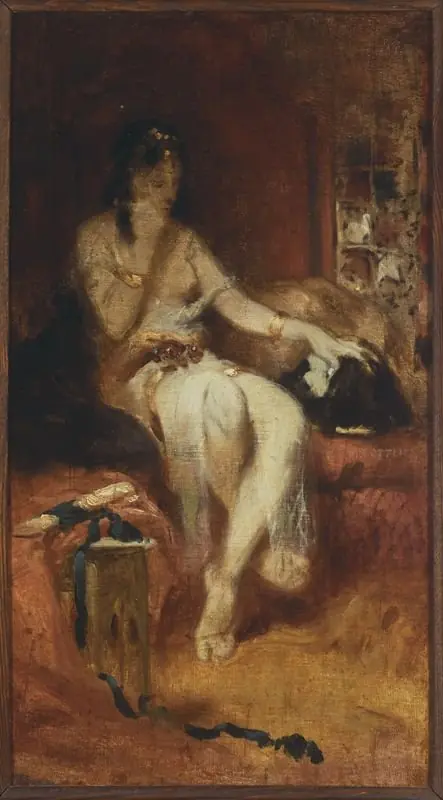 Judith with the head of Holofernes
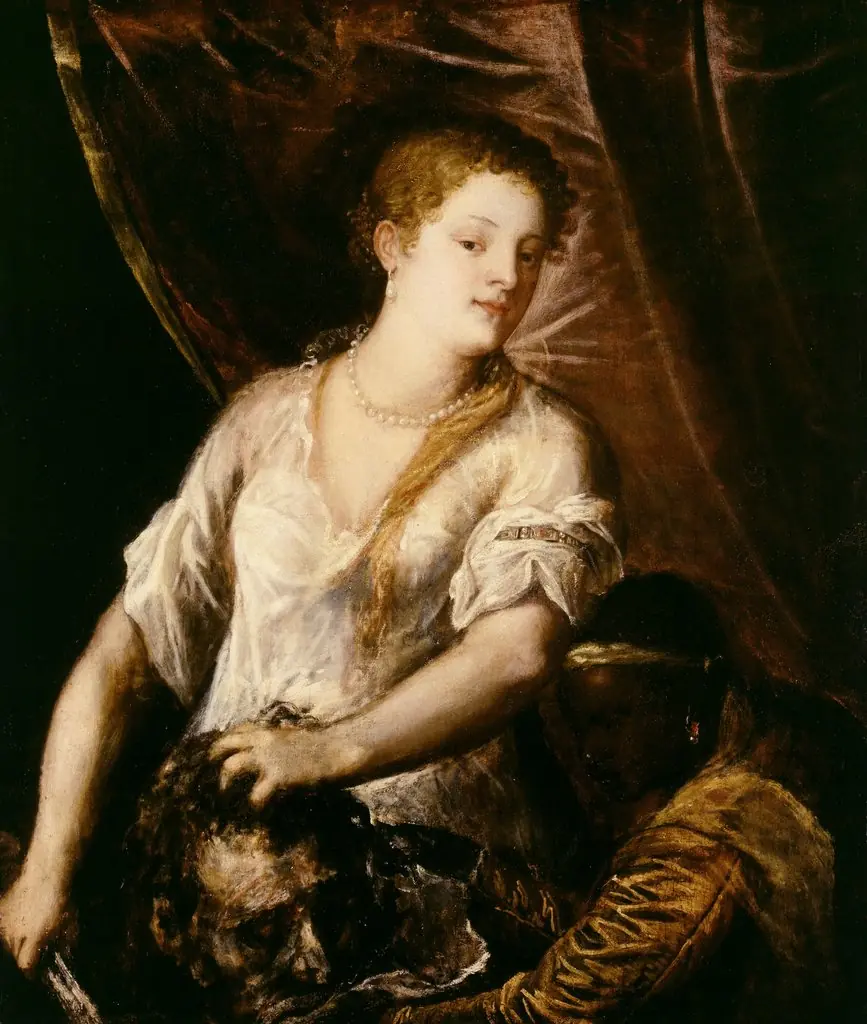 Judith with the Head of Holofernes
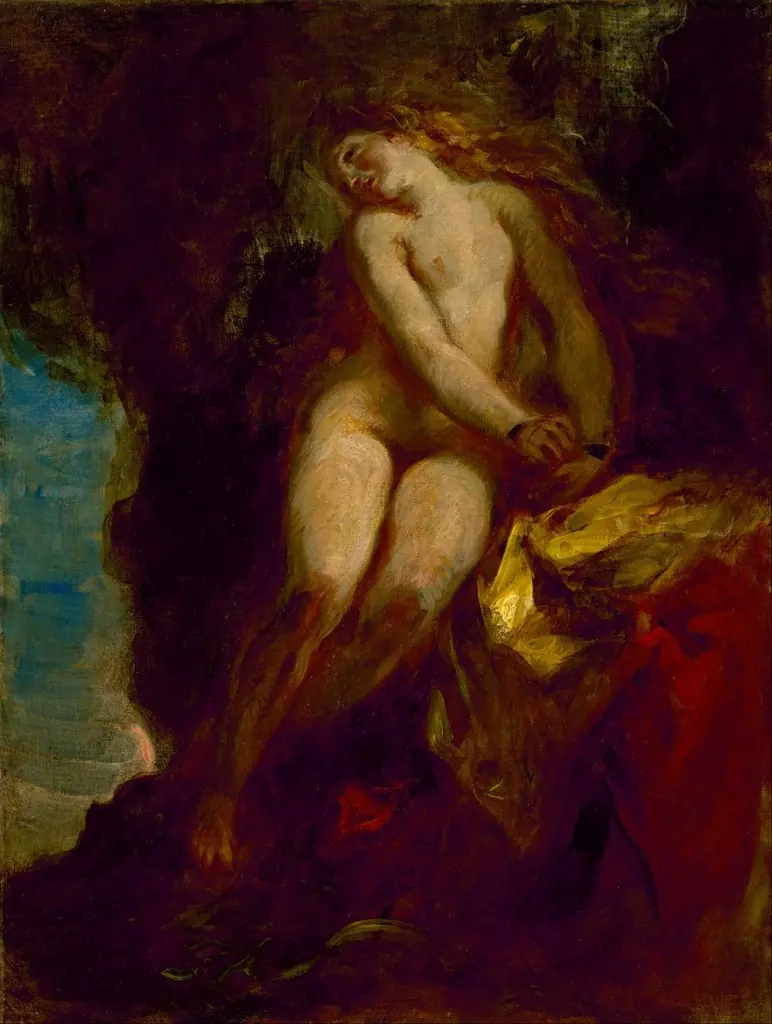 Andromeda
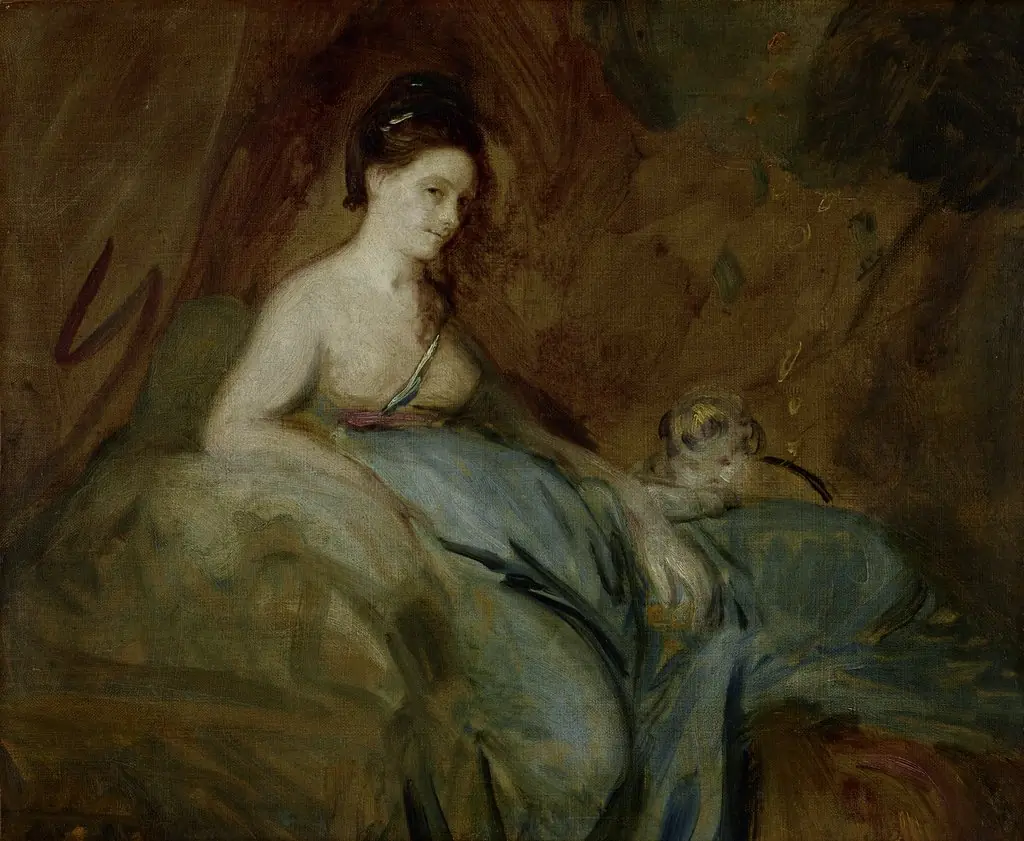 The actress Kitty Fisher as Danae
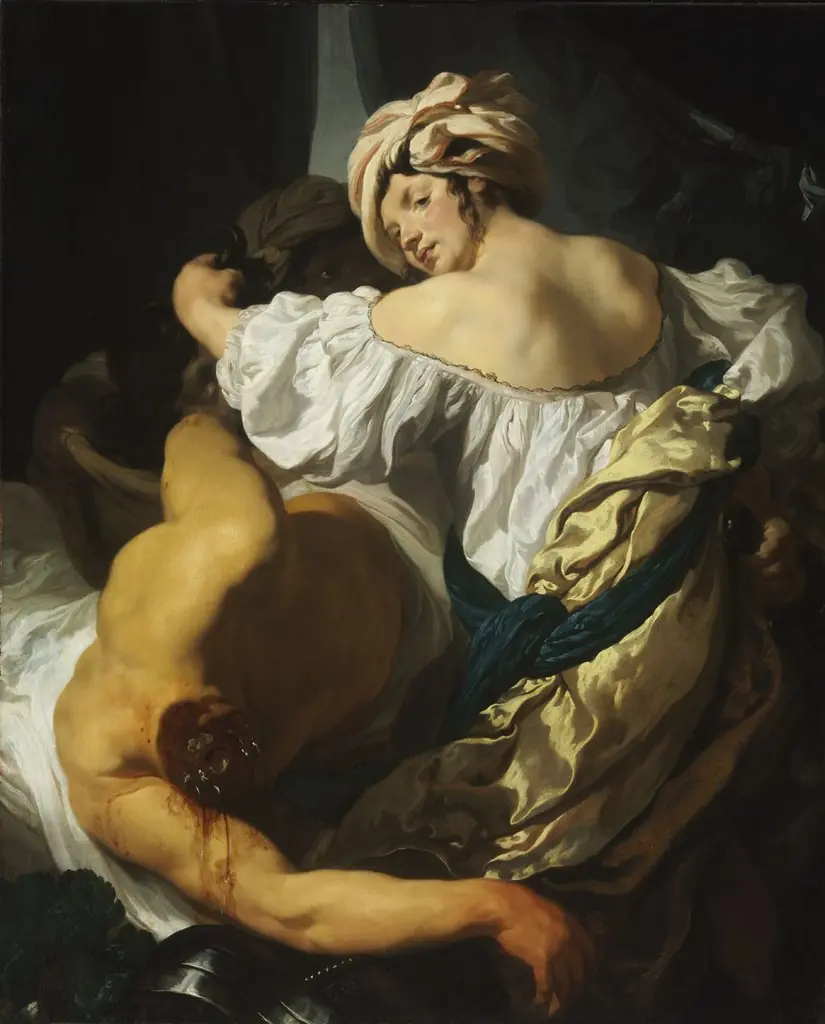 Judith in the Tent of Holofernes
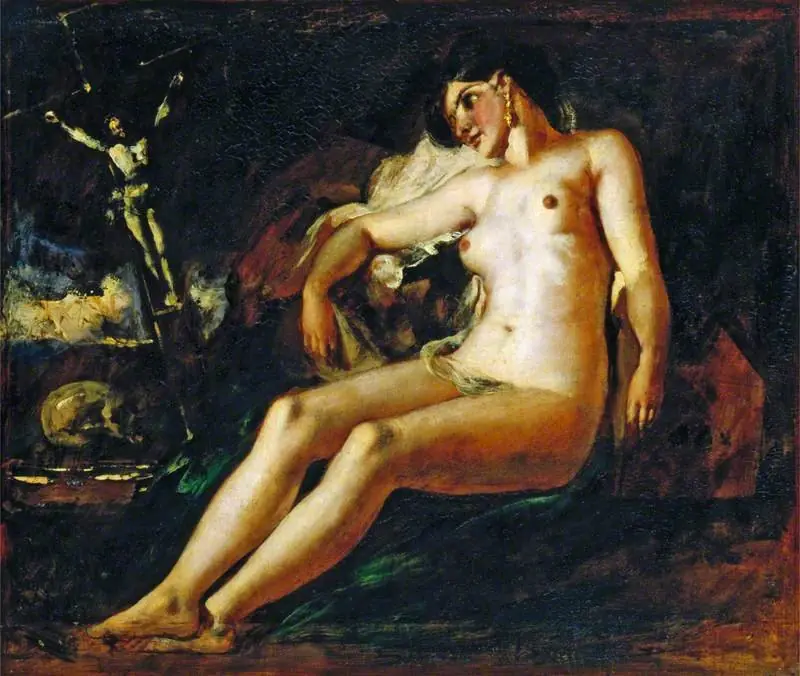 Study of a Magdalen
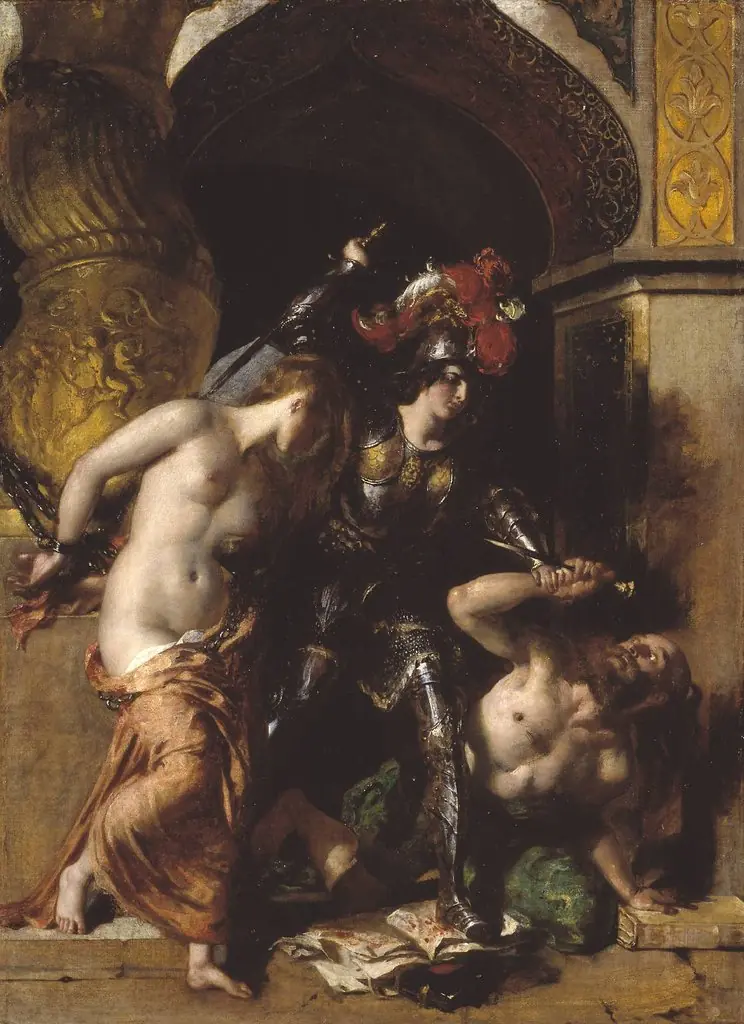 Britomart Redeems Faire Amoret
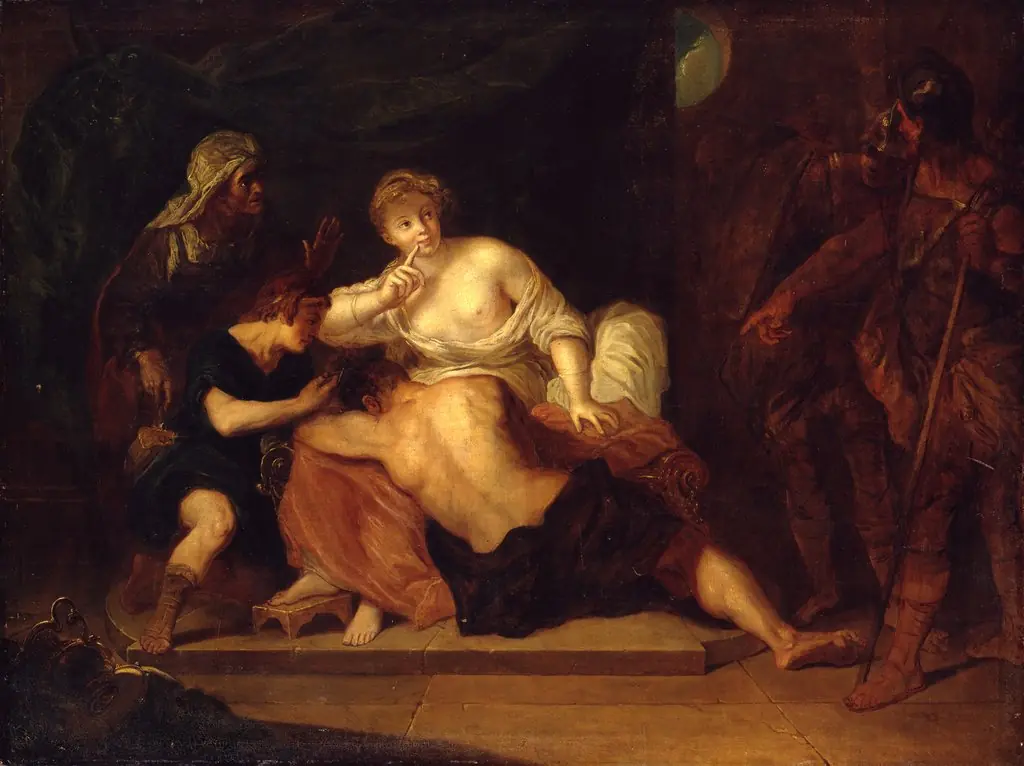 Samson and Delilah
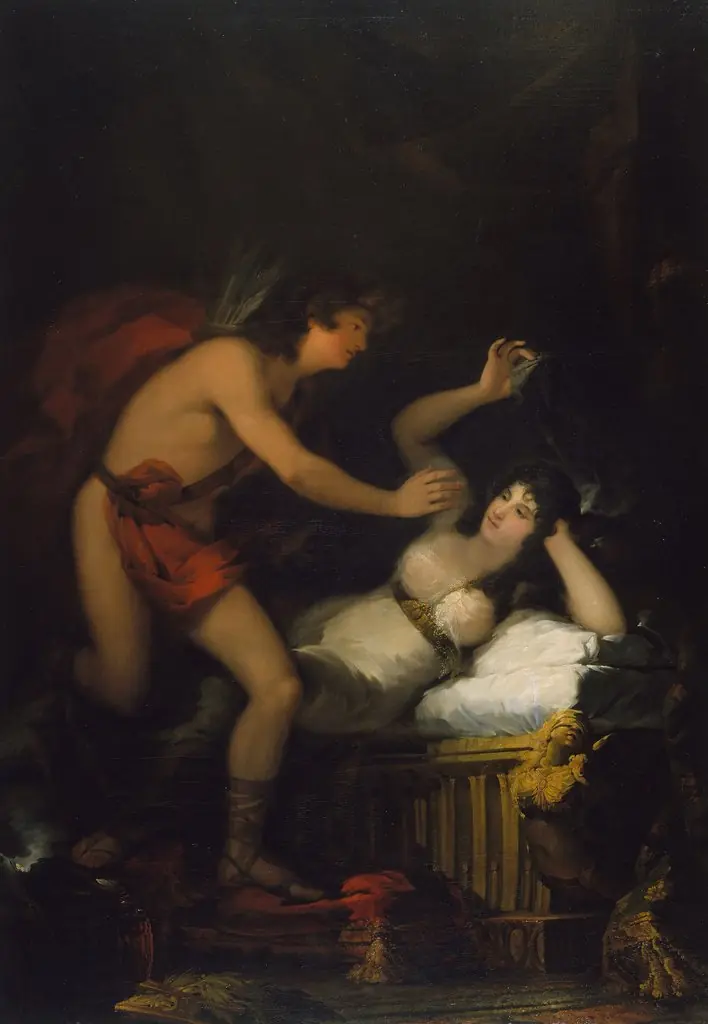 Allegory of Love, Cupid and Psyche
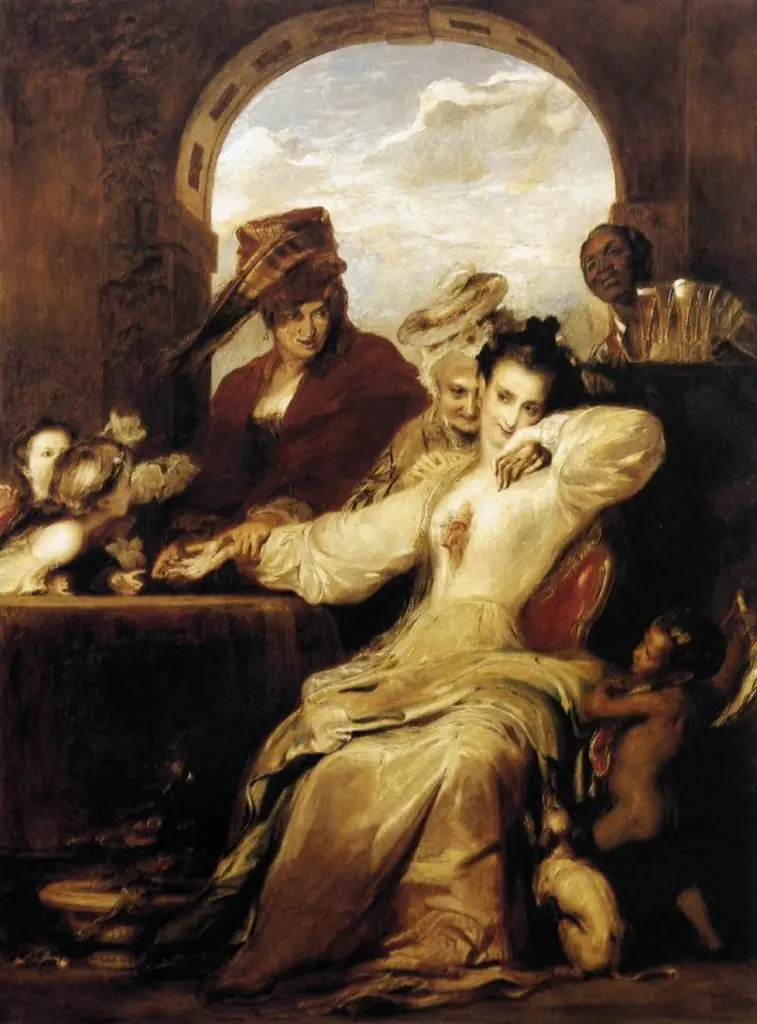 Josephine and the Fortune-teller
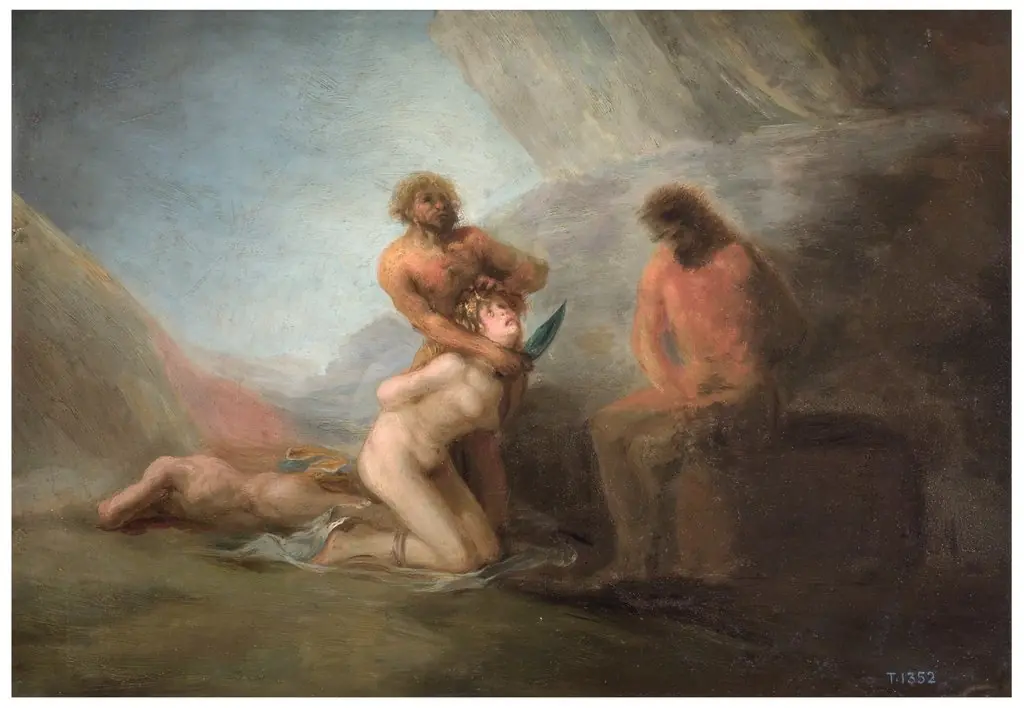 Throat-cutting
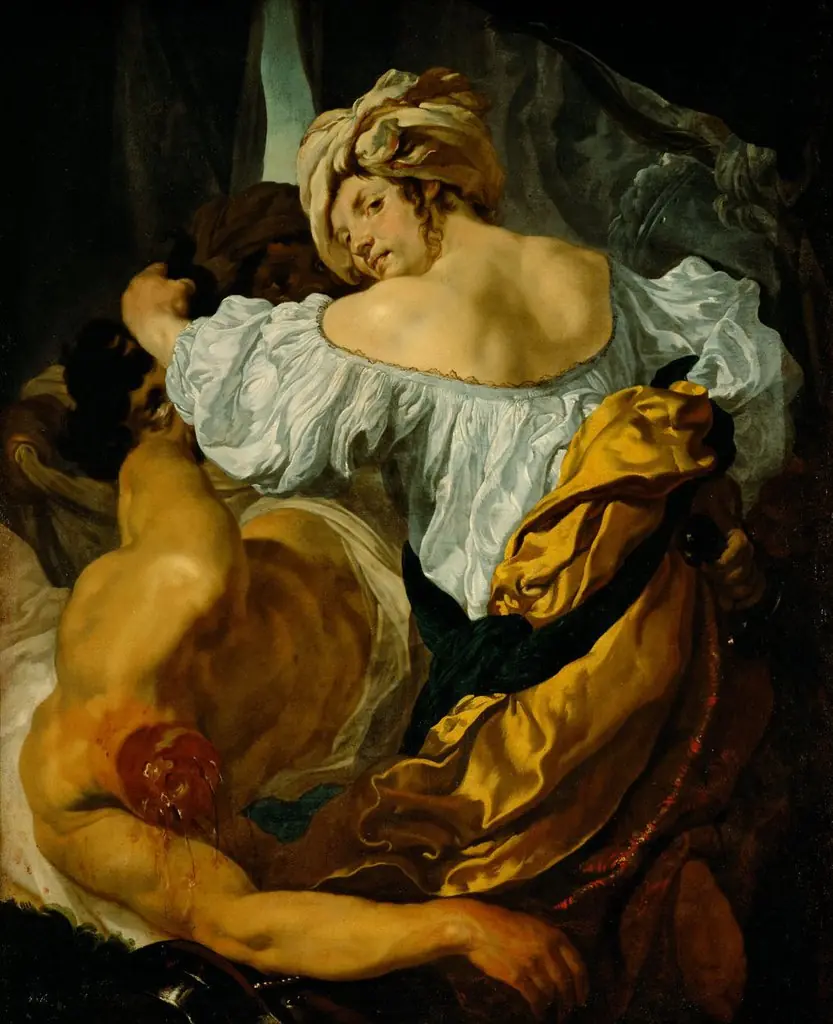 Judith and Holophernes