Artwork
H Beard Print Collection
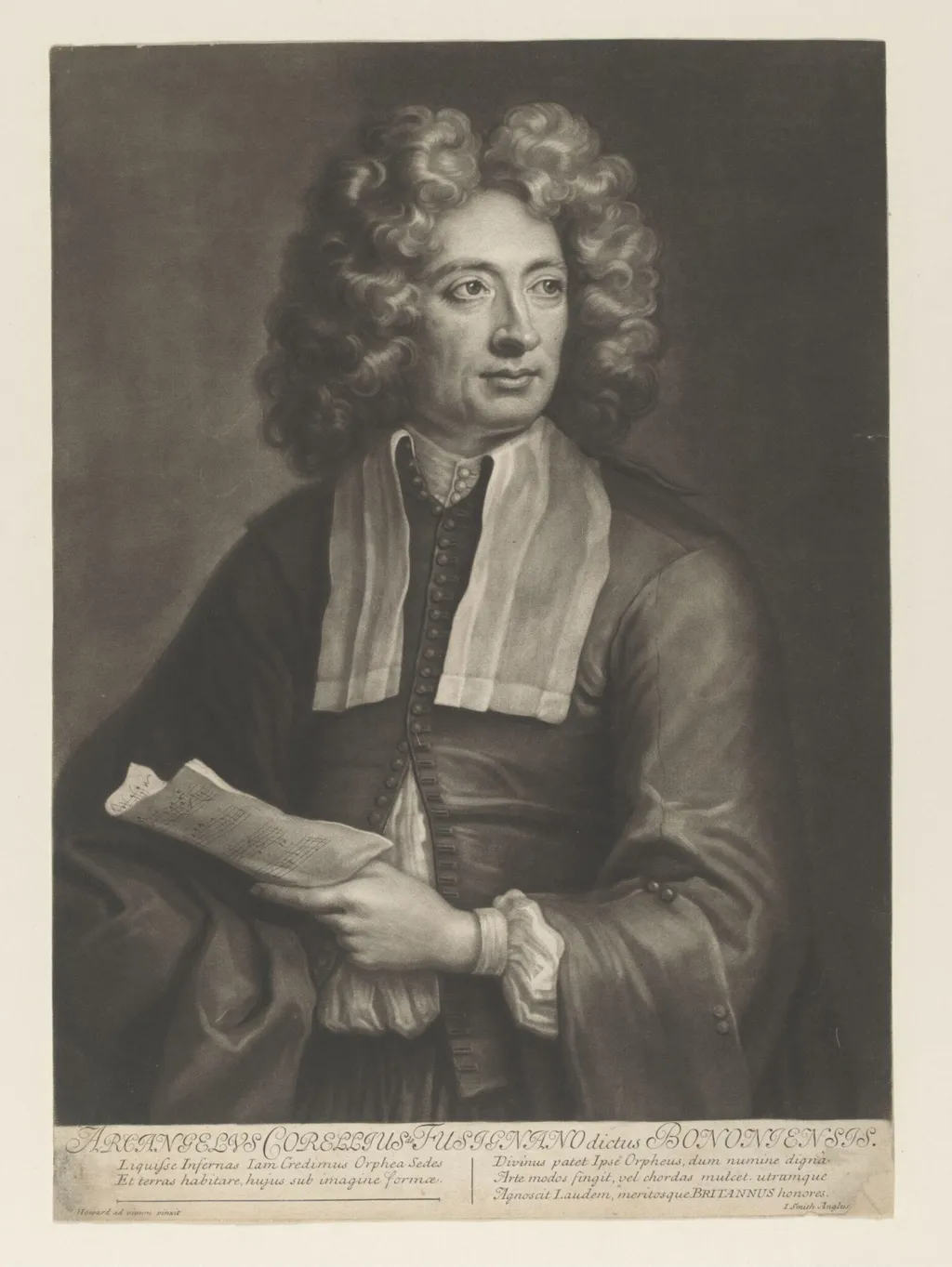
H Beard Print Collection is a print by Henry Howard. It dates from 1750 and is held in the collection of the Victoria and Albert Museum. This print presents a head‑and‑shoulders likeness of Arcangelus Corellius de Fusignano, identified by the epithet “Bononiensis.
About this work
This print shows a head-and-shoulders portrait of Arcangelus Corellius de Fusignano.
This print shows a head-and-shoulders portrait of Arcangelus Corellius de Fusignano.
It was made by Henry Howard, an English artist who lived from 1769 to 1847.
The work sits in the Victoria and Albert Museum’s print collection.
The sitter’s nickname, “Bononiensis,” hints at his connection to Bologna.
That small extra name can lead you down research paths.
Look up the artist Henry Howard (RA) next.
Overview
This print presents a head‑and‑shoulders likeness of Arcangelus Corellius de Fusignano, identified by the epithet “Bononiensis.” Executed by the English printmaker Henry Howard (1769–1847), the work forms part of the Victoria and Albert Museum’s print collection. The portrait is rendered in a restrained manner, focusing on the sitter’s facial features and upper torso.
Subject & Meaning
Arcangelus Corellius, whose additional name “Bononiensis” signals a link to Bologna, is depicted in a formal pose typical of early‑19th‑century portraiture. The inclusion of the nickname suggests the sitter’s desire to emphasize his regional identity, perhaps for recognition within scholarly or artistic circles.
Technique & Style
Howard employed a fine line engraving technique, balancing delicate shading with clear contouring to convey texture in the subject’s hair and clothing. The composition adheres to the conventions of portrait prints of the period, privileging a clear, frontal view that highlights the sitter’s expression and status.
History & Provenance
Created during Howard’s active years in the late eighteenth and early nineteenth centuries, the print entered the Victoria and Albert Museum’s holdings as part of its broader acquisition of British printmaking. Its documented provenance traces back to the artist’s own catalogue of works, confirming its attribution to Howard.
Context
The portrait reflects the broader trend of commemorating learned or notable individuals through printed media in post‑Enlightenment England. By portraying a figure associated with Bologna, the work also illustrates the period’s interest in cross‑regional intellectual connections and the circulation of personal likenesses beyond local boundaries.
Artist & collection

 Johan de Wit
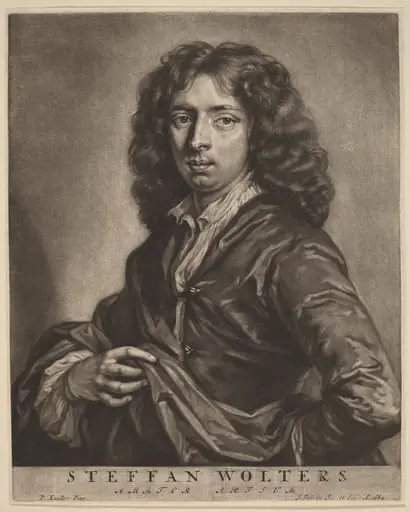 Steffan Wolters
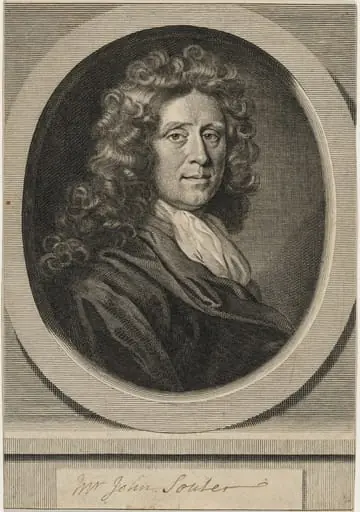 John Souter, Merchant at Exeter
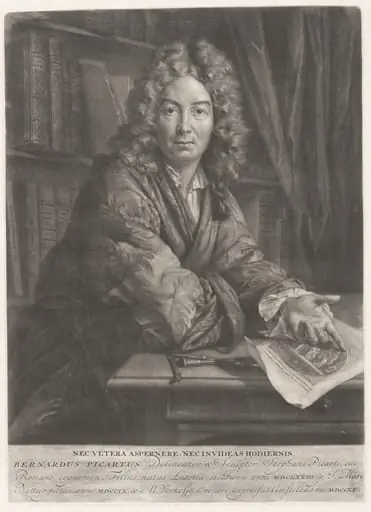 Bernard Picart
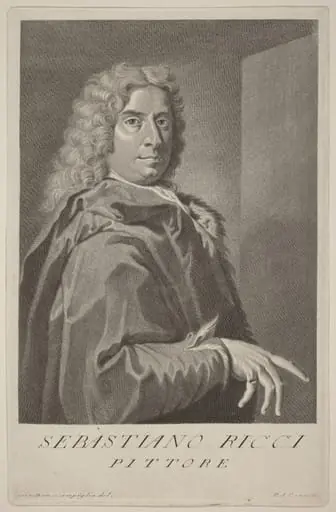 Sebastiano Ricci
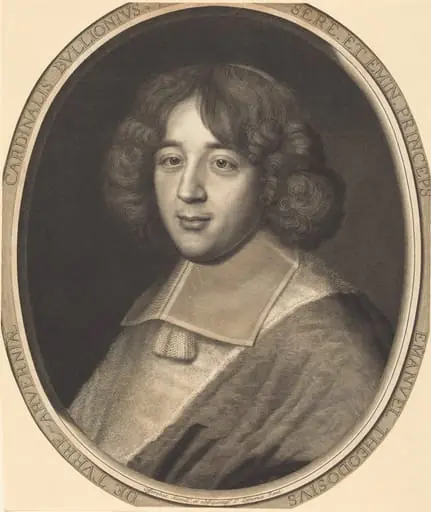 Cardinal de Bouillon
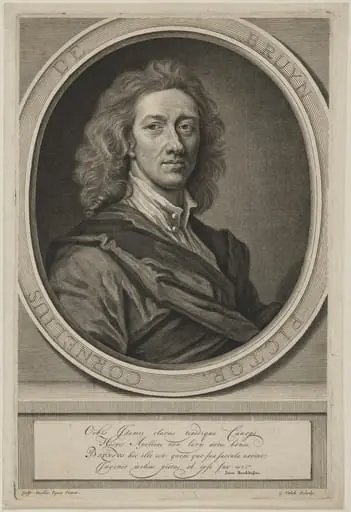 Cornelius de Bruyn I, Painter
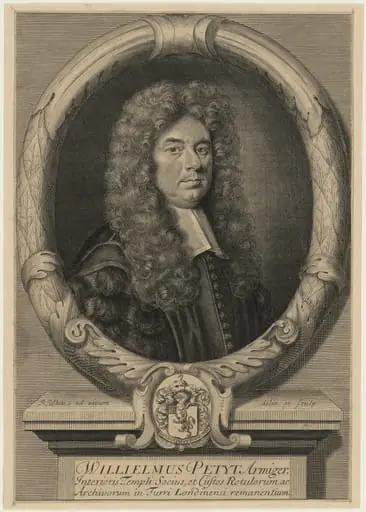 William Petyt, Keeper of the Records in the Tower
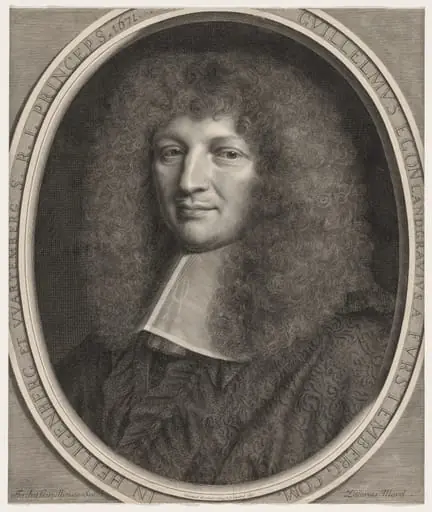 Cardinal of Furstenberg
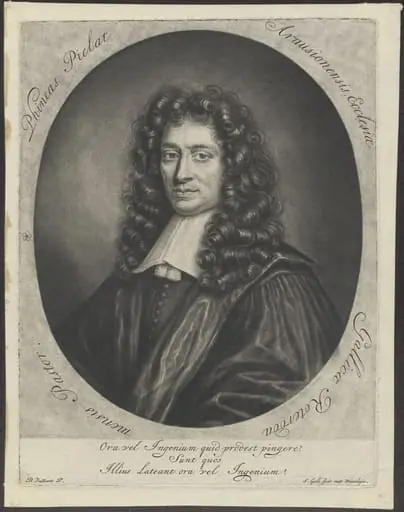 Portrait of Phinéas Piélat, Walloon minister in Rotterdam
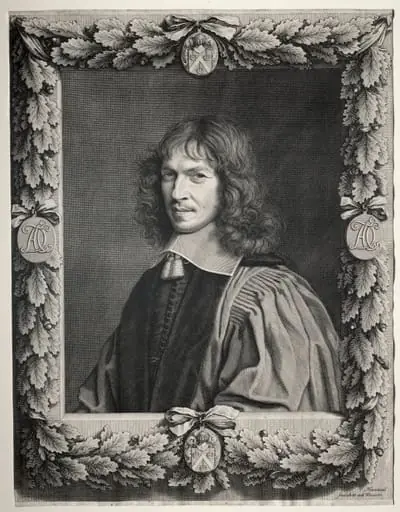 Denis Talon
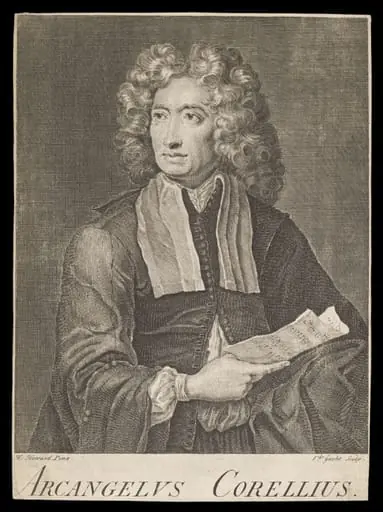 H Beard Print Collection