Artwork
Peisaj cu catedrală (Belleville)
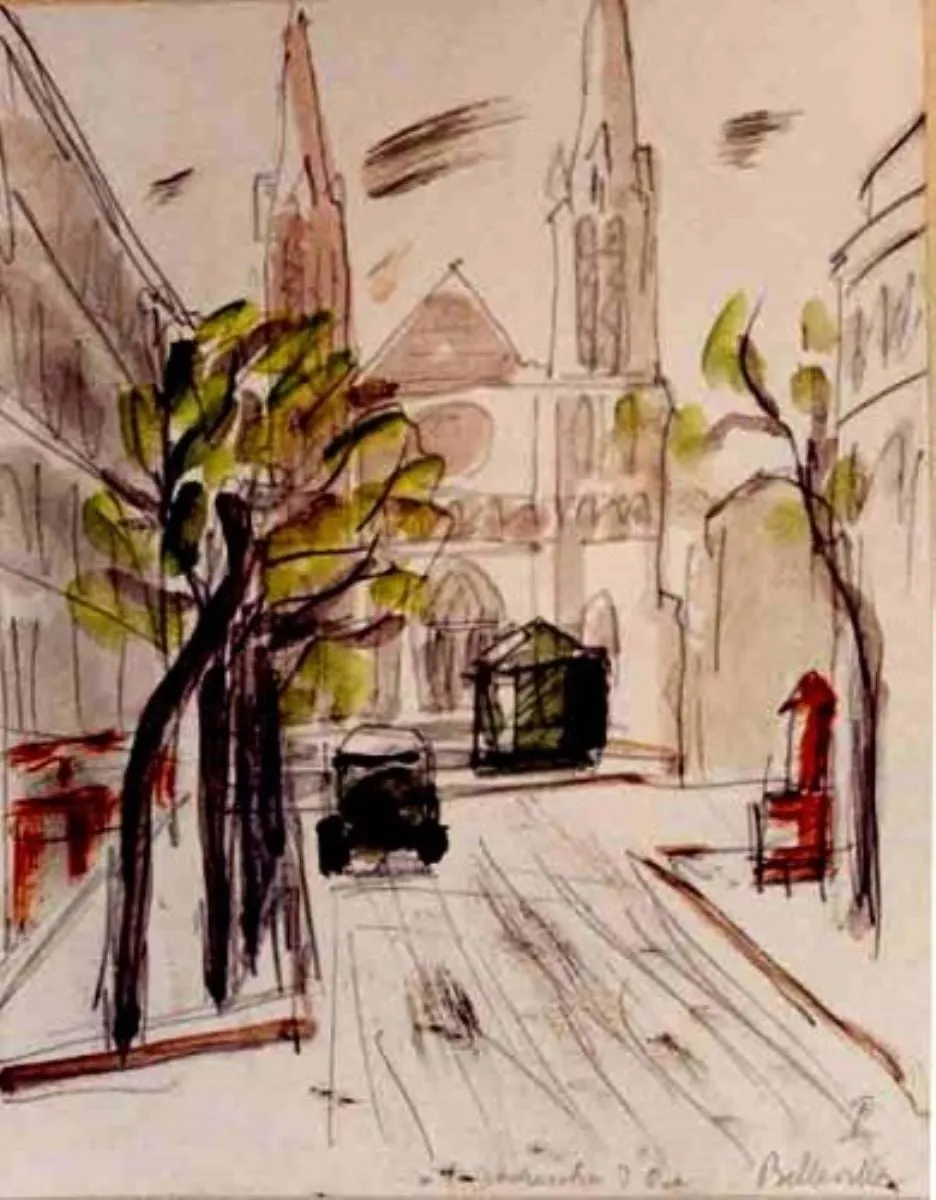
Peisaj cu catedrală (Belleville) is an unspecified painting by Theodor Pallady. It is held in the collection of the National Museum of Art of Romania.
About this work
Overview
The composition is dominated by loose, rapid brushwork that suggests a fleeting observation rather than a finished study.
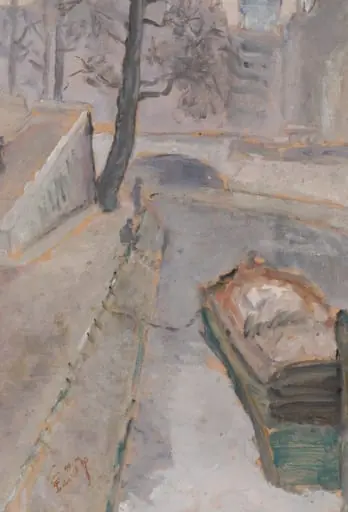
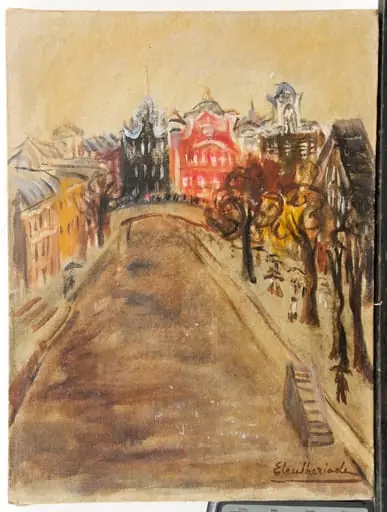
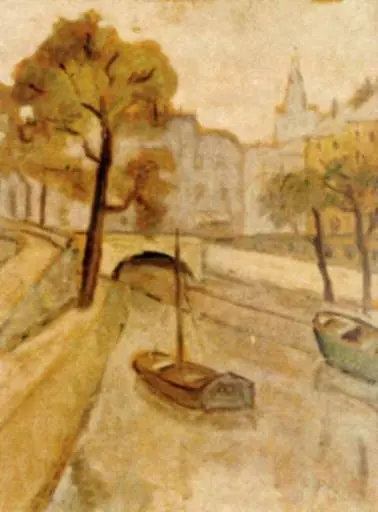
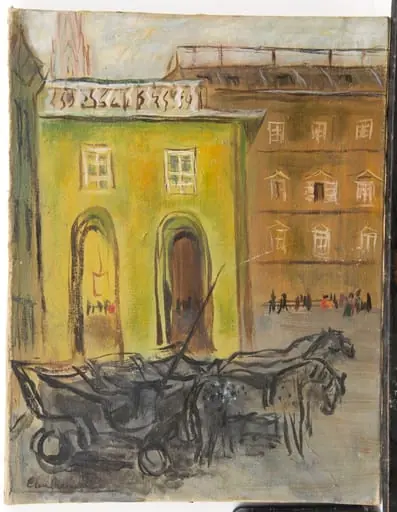
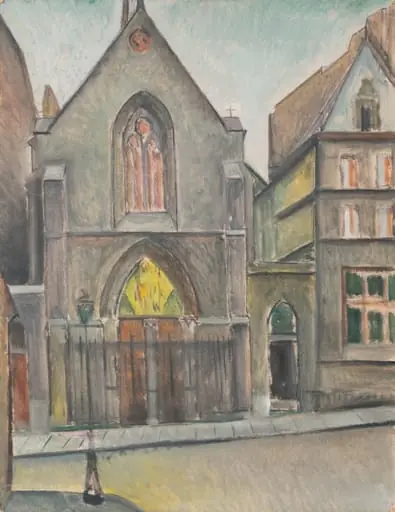
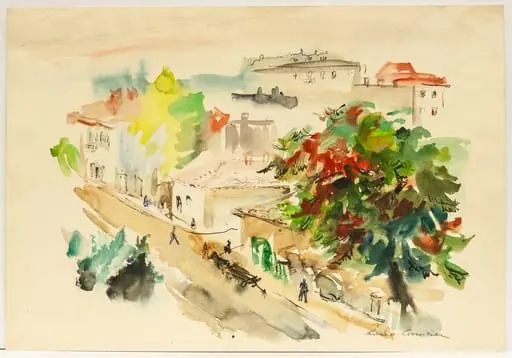
Peisaj cu catedrală (Belleville) is a small, informal image that captures a brief moment on a quiet street. The composition is dominated by loose, rapid brushwork that suggests a fleeting observation rather than a finished study. A green‑leafed tree, a dark parked car, a modest building with a slanted roof, and a vivid red fire hydrant populate the foreground, while a vague, tall structure in the distance hints at a cathedral or similar edifice.
Subject & Meaning
The work presents an everyday urban scene, emphasizing ordinary elements—a tree, a vehicle, a hydrant—against a subtle architectural backdrop. The minimal detail of the distant building invites viewers to infer the presence of a larger civic or religious landmark without overt narrative, focusing attention on the immediacy of the street’s atmosphere.
Technique & Style
Executed with quick, gestural strokes, the image relies on a limited palette and a sketch‑like approach. The brushwork remains loose, allowing forms to emerge through suggestion rather than precise delineation. The contrast of the bright red hydrant against muted tones highlights the artist’s use of color accents to create visual interest within an otherwise subdued scene.
Context
The title references Belleville, a district historically known for its working‑class neighborhoods and mixed architectural fabric. By situating a modest street view within this locale, the piece reflects the everyday visual experience of the area, aligning with a tradition of urban sketching that records transient moments in the cityscape.
Artist & collection
Artist
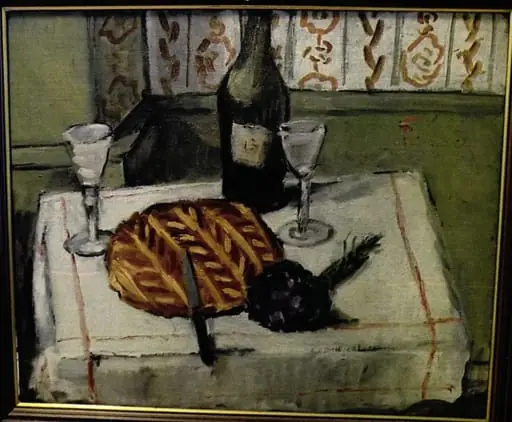
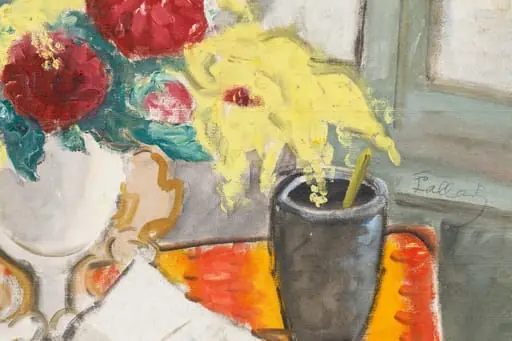
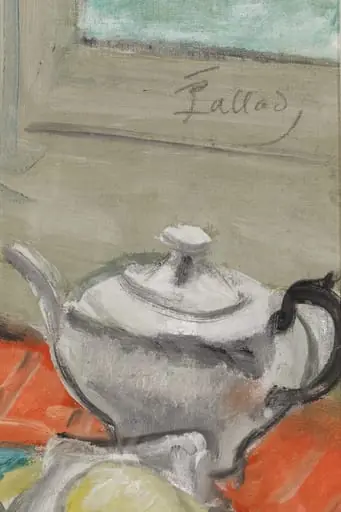
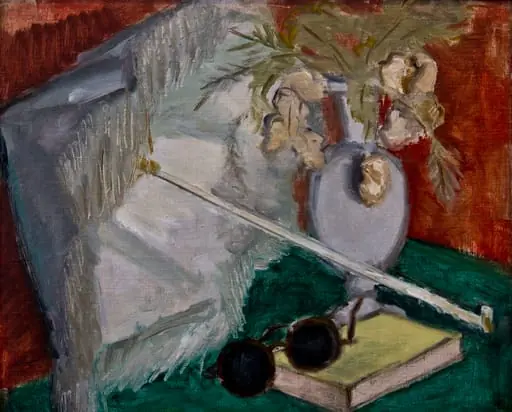
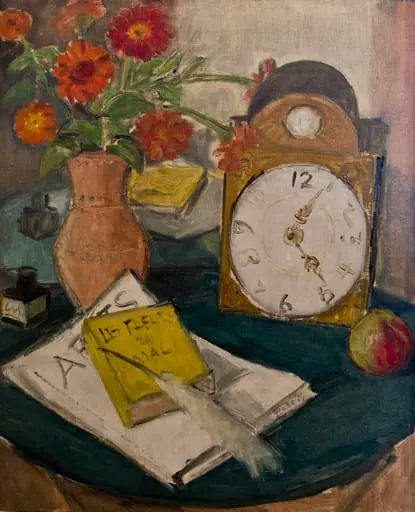
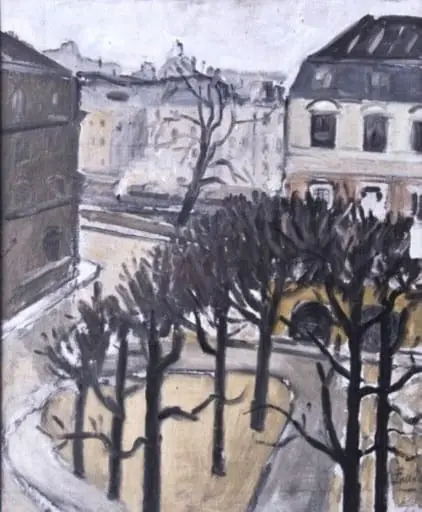
Theodor Pallady made still lifes and interiors in early 20th-century Bucharest. His Place Dauphine shows a quiet Parisian square, while Natură moartă (Ulcică cu flori și chibrituri) piles everyday objects on a table.…