Artwork
Portret de mocan Oprea Țârcă
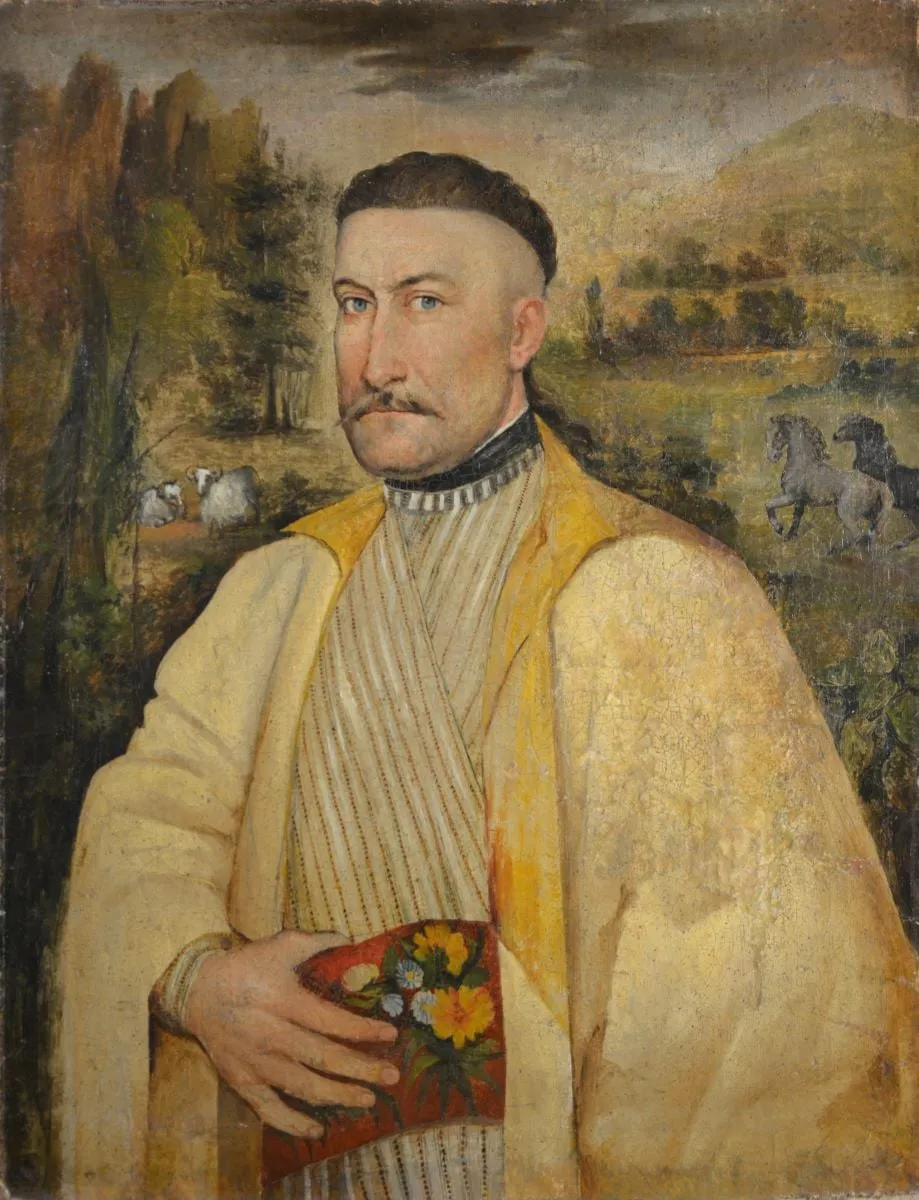
Portret de mocan Oprea Țârcă is an unspecified painting by Hugo Kołłątaj. It dates from 1835 and is held in the collection of the Brașov Art Museum. Painted around 1835, this portrait depicts Oprea Țârcă, a Moldavian peasant known as a mocan.
About this work
Overview
The composition centers the figure against a softly rendered landscape, drawing attention to his presence without embellishment.
Painted around 1835, this portrait depicts Oprea Țârcă, a Moldavian peasant known as a mocan. The work is attributed to Hugo Kołłątaj, a Polish artist active in the early 19th century. It captures the subject in a straightforward, unidealized manner, emphasizing his rural identity through dress and posture. The composition centers the figure against a softly rendered landscape, drawing attention to his presence without embellishment.
Subject & Meaning
Oprea Țârcă is portrayed as a man of quiet dignity, his serious expression and traditional attire suggesting a life tied to the land. The small box of vibrant flowers he holds may symbolize personal pride, seasonal ritual, or a gesture of offering. His attire—yellow robe and striped shirt—reflects regional folk dress, grounding the image in local culture rather than aristocratic convention. The absence of narrative context invites contemplation of individual identity within rural society.
Technique & Style
The painting employs a deliberate contrast between the sharply defined figure and the blurred, atmospheric background. Flowers in the box are rendered with thick, saturated pigment, creating a tactile immediacy that contrasts with the muted, hazy landscape behind. This focus on texture and color in the foreground, paired with soft edges elsewhere, guides the viewer’s eye and enhances the subject’s presence without relying on dramatic lighting or theatricality.
History & Provenance
The painting’s early history is not well documented, but it is believed to have originated in the cultural milieu of Polish-Lithuanian borderlands during the post-partition era. Its attribution to Hugo Kołłątaj stems from stylistic analysis and archival references to his interest in regional portraiture. The work remained in private collections until entering institutional care in the 20th century, where it is now preserved as an example of 19th-century ethnographic representation.
Context
Created during a period of rising national consciousness in partitioned Poland, the portrait reflects a broader interest in documenting folk life as a form of cultural preservation. While not overtly political, such images subtly affirmed the value of rural traditions amid foreign domination. Kołłątaj’s approach aligns with contemporaneous efforts by artists and scholars to record regional customs before they were eroded by modernization.
Legacy
The portrait contributes to a modest but significant body of 19th-century works that portrayed peasants with dignity rather than caricature. Though not widely exhibited, it remains a reference point in studies of Eastern European folk representation. Its restrained technique and focus on individual character distinguish it from both academic portraiture and romanticized peasant imagery of the era.
Artist & collection
Artist
This Polish folk painter worked in the late eighteenth and early nineteenth centuries, creating religious scenes with bold colors and simple shapes.

 Alexandru Ipsilanti
 Fecioara Maria cu Pruncul Isus (în Reg. Inv.: Maria cu copilul Isus)
 Regele Charles I Stuart al Angliei și soția sa Henrietta Maria de Franța (în Reg. Inv.: Carol I al Angliei și soția sa Henriette din Franța)
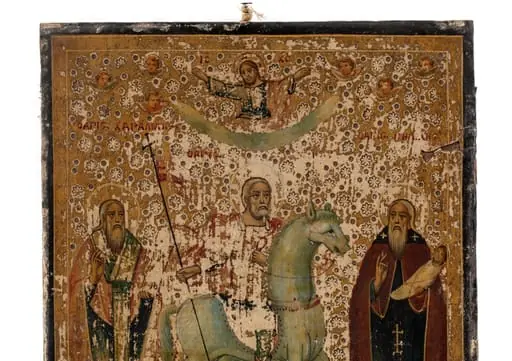 Sfântul Haralambie cu alți doi sfinți
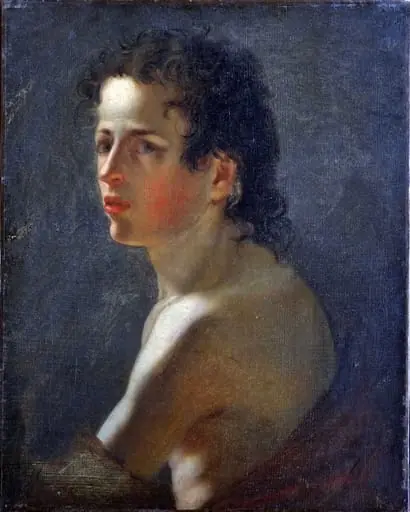 Portret de bărbat
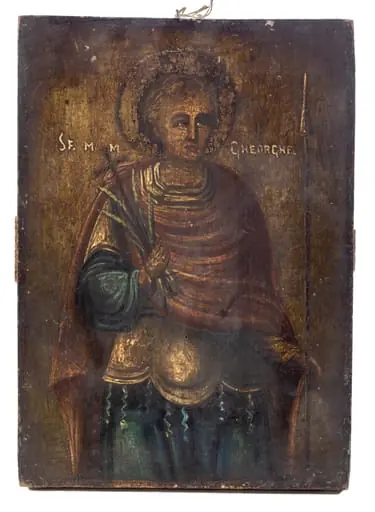 Sfântul Gheorghe
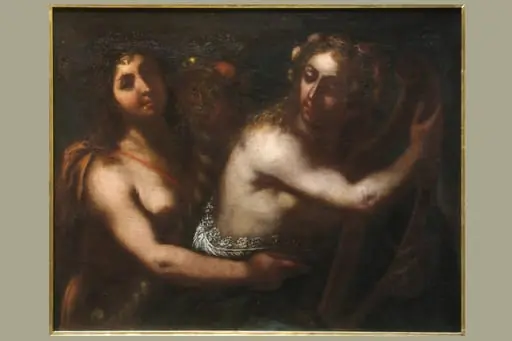 Vertumnus și Pomona (în Reg. Inv.: Vertumnus și Flora)
 Iarnă
Iarnă
 Portrait of Antoni Boniecki, sub-judge in the region of Chełm
 Portrait of Marcin Tyszkiewicz, Leliwa coat of arms (?–after 1631), court marshal of the Grand Duchy of Lithuania
 Portrait of Kazimierz Pociej (d. 1728), Voivode of Vitebsk
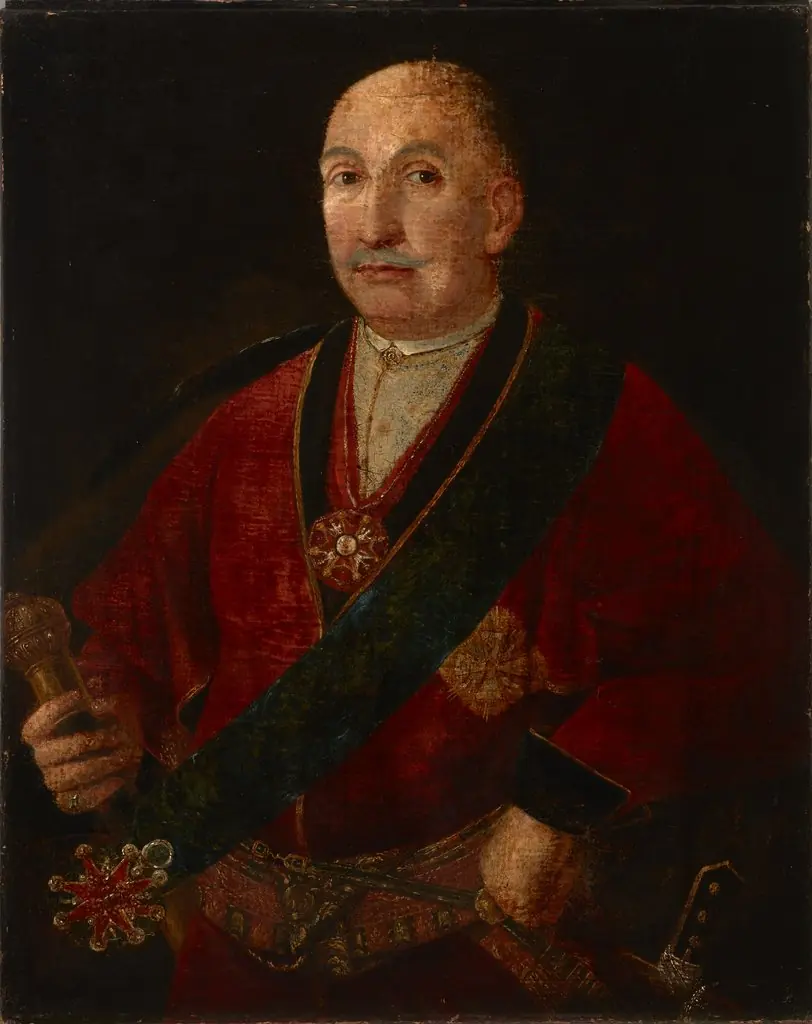 Portrait of Stanislaw Kostka Dembinski, Castellan of Wojnice (1708-1781)
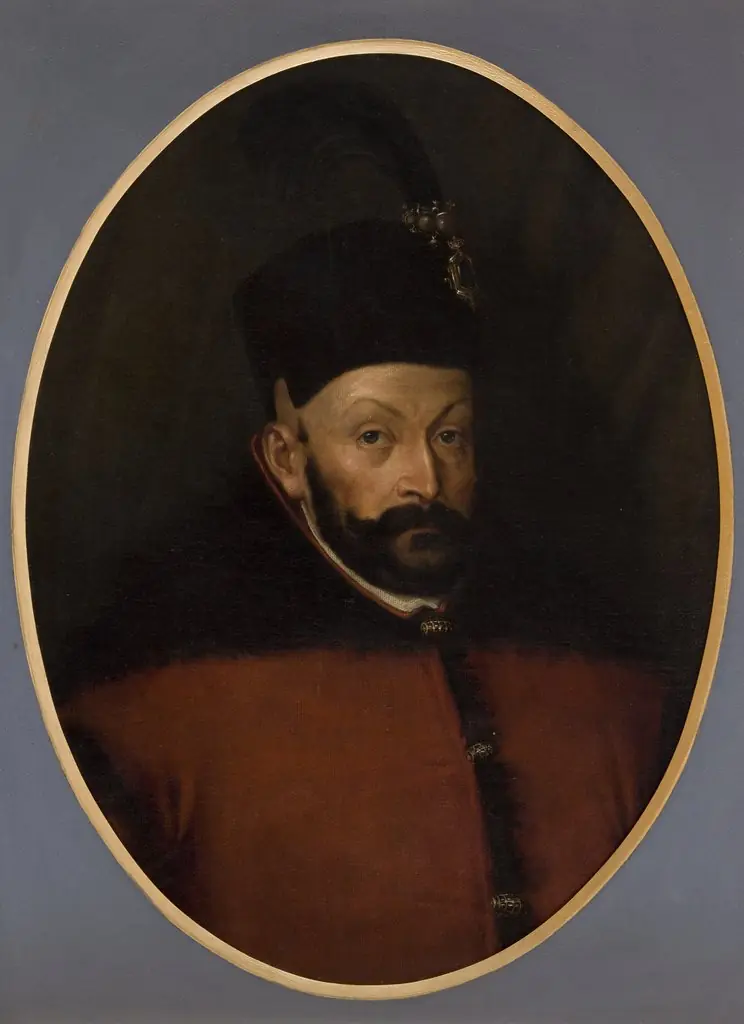 Portret Stefana Batorego (1533-1586), króla Polski
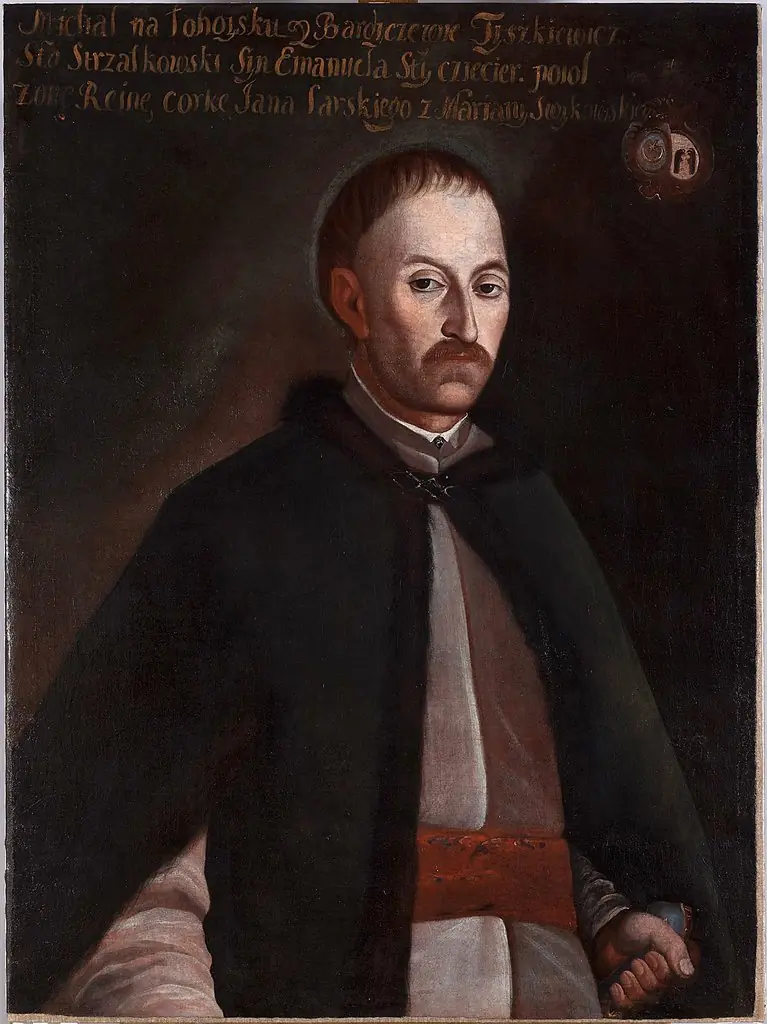 Portrait of Michał Tyszkiewicz, Leliwa coat of arms (?–after 1762), starosta of Strzałków
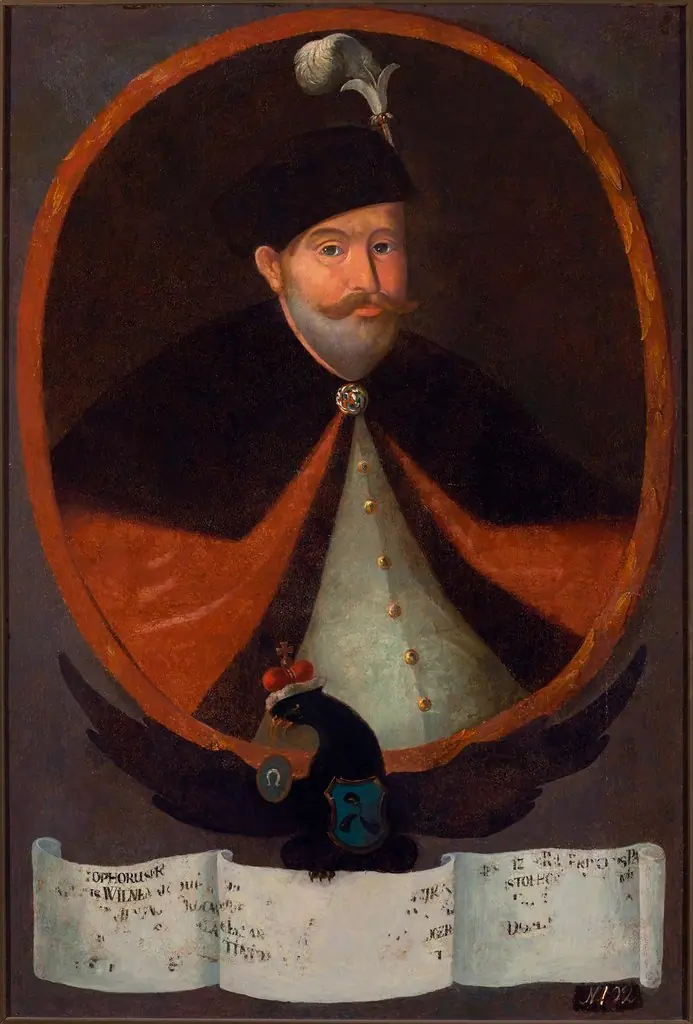 Portrait of Krzysztof II Radziwiłł (1585–1640), Great Hetman of Lithuania
 Portrait of Pieter de Carpentier (1588-1659)
 Portretul lui Pazmany Peter
 Portrait of Maciej Kazimierz Sarbiewski (1595–1640)
 Anastasie Dedulescu vel paharnic
 Portrait of Albert III Władysław Radziwiłł (1589–1636)