Artwork
Doi turci
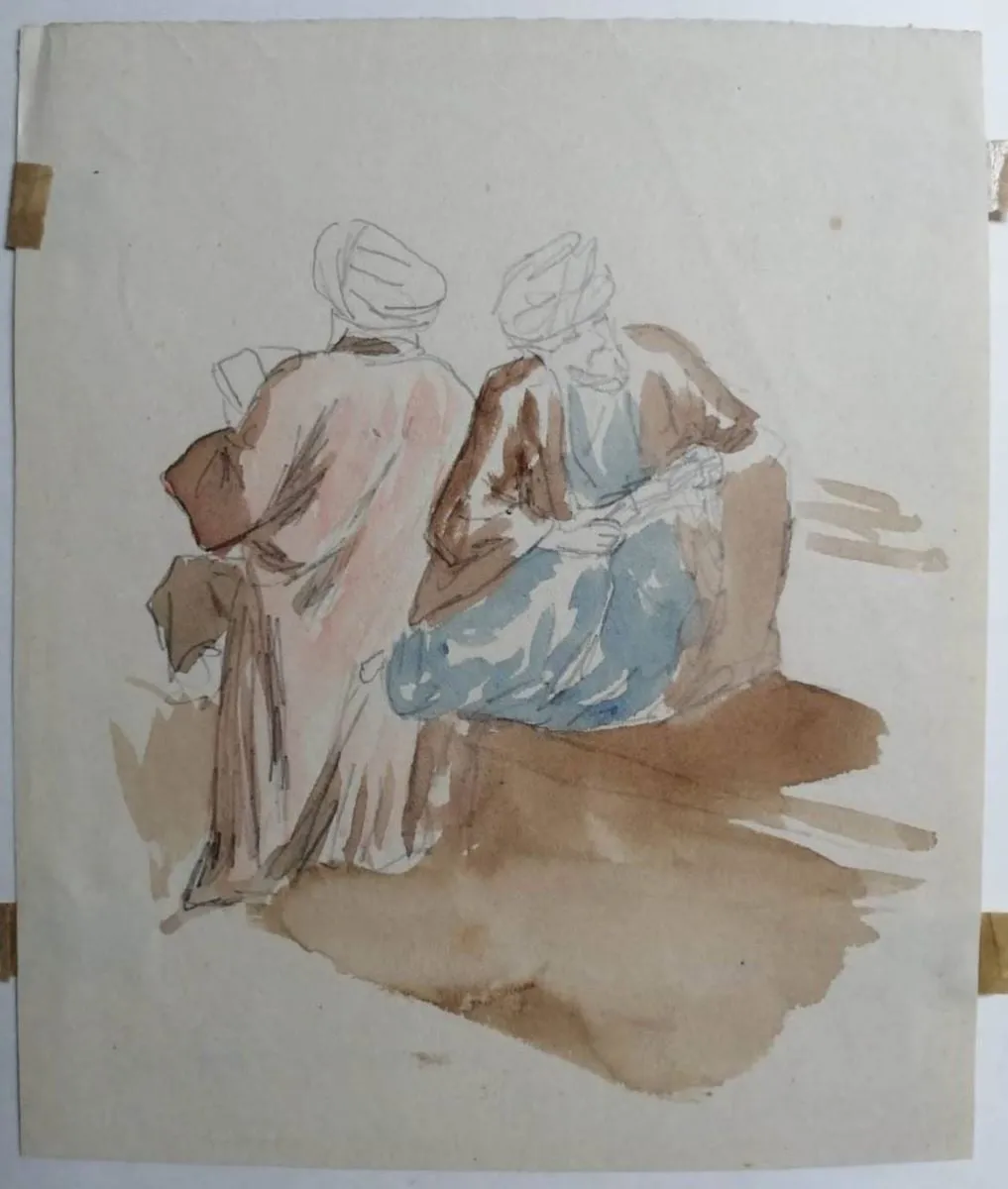
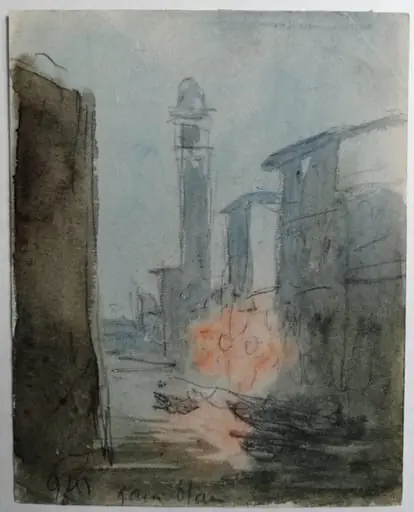
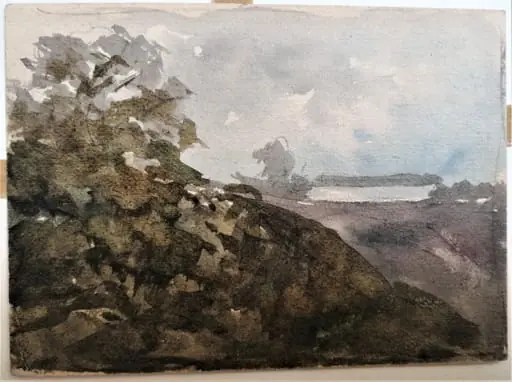
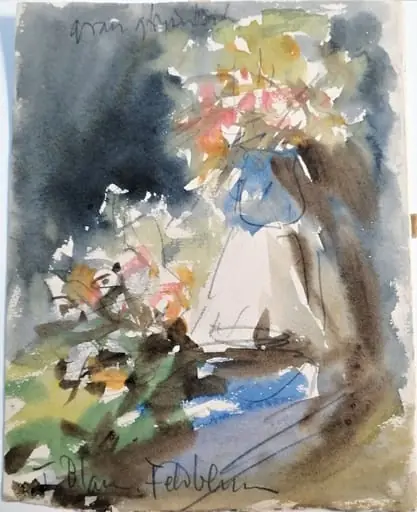
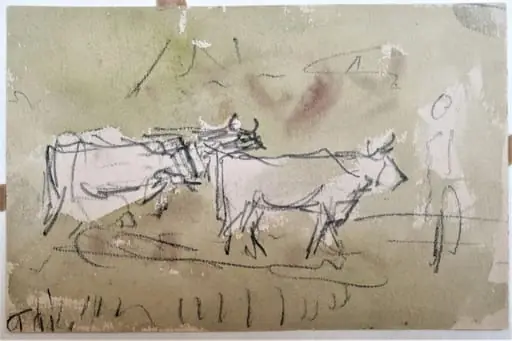
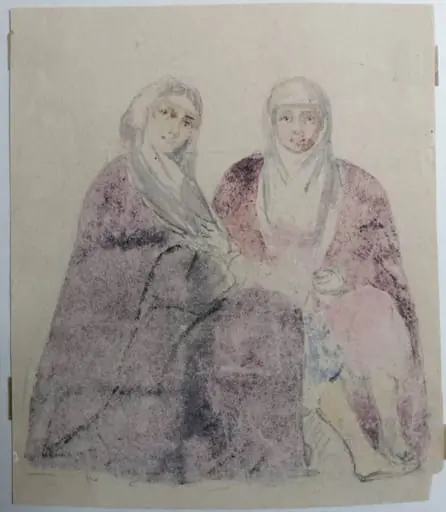
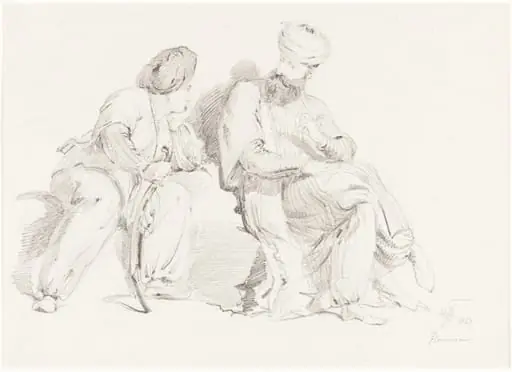
Doi turci is an unspecified painting by Carol Szathmari. It dates from 1850 and is held in the collection of the Bucharest Municipality Museum.
About this work
Overview
Doi turci is an early photograph‑like sketch executed around 1850 by the Hungarian‑Romanian artist Carol Szathmari. The work is part of the collection of the Museum of Ethnography, where it is displayed as an example of mid‑nineteenth‑century visual documentation.
Subject & Meaning
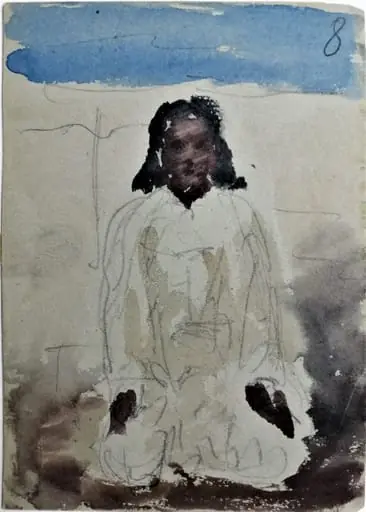
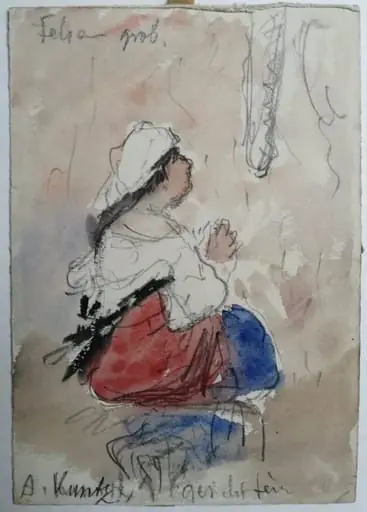
The image portrays two seated figures, positioned side by side on a low bench or directly on the floor. The figure on the left is dressed in a pale pink garment with a dark shawl draped over the shoulders; the companion on the right wears a blue skirt and a white head covering. Their backs face the viewer, suggesting a private moment rather than a posed portrait.
Technique & Style
Szathmari employed rapid, loose brushstrokes that give the drawing a sketch‑like quality. The background consists of a uniform wash of colour, lacking any architectural or landscape detail, which directs attention to the clothing and posture of the two subjects. The overall effect is that of a quick study rather than a fully finished composition.
History & Provenance
Created circa 1850, Doi turci entered the Museum of Ethnography’s holdings at an unspecified date, where it remains part of the institution’s representation of ethnographic visual sources from the Balkans. The work reflects Szathmari’s broader interest in recording regional dress and everyday life during a period of significant social change.
Artist & collection
Artist
Carol Szathmari made paintings and one sculpture in the mid-1800s, mostly portraits and scenes from everyday life.